

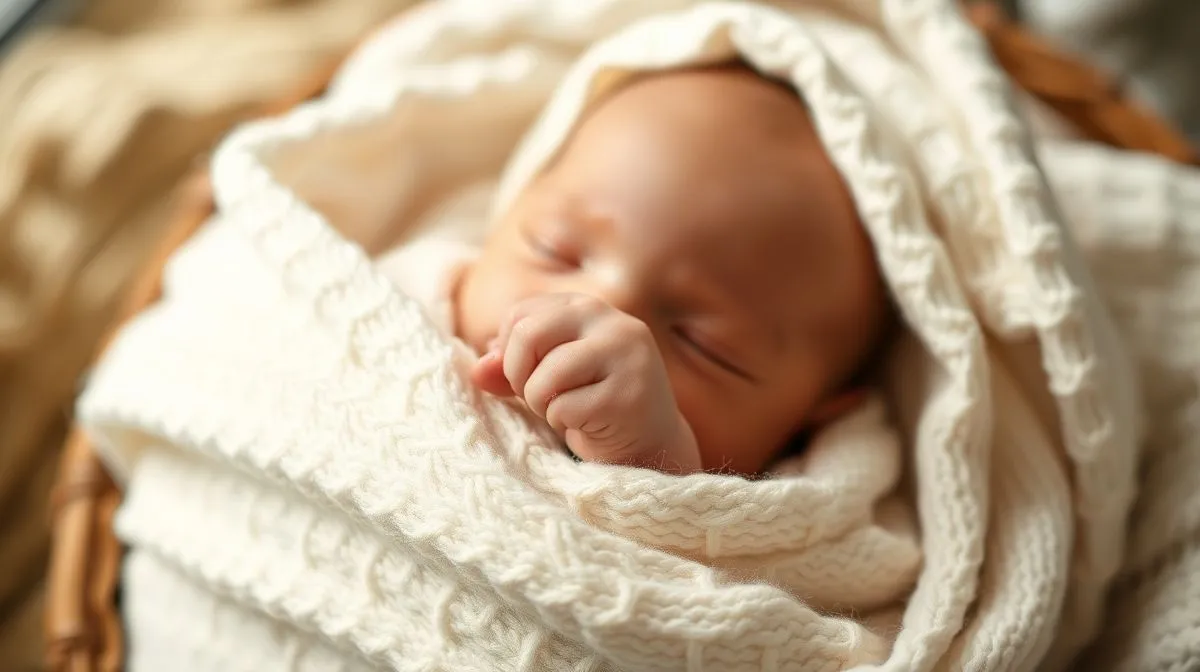
How to Choose Newborn Clothes for Sensitive Skin?
Imagine the softest touch, the gentlest caress – that's what your newborn's skin deserves. But what happens when that delicate skin reacts to the very clothes designed to protect it? Many new parents face the bewildering challenge of unexplained rashes, redness, or discomfort in their little ones, often tracing the culprit back to their clothing.
The problem is often hidden in plain sight: synthetic fibers, harsh dyes, irritating seams, or even residual laundry detergents can trigger adverse reactions on a newborn's incredibly permeable and fragile skin. It's a common source of distress for both baby and parent, turning the simple act of dressing into a source of anxiety.
This comprehensive guide will empower you with the knowledge to make informed decisions. By the end of this reading, you will understand the unique needs of sensitive newborn skin, identify the best materials and construction features for baby clothes, master gentle laundry practices, and confidently know how to choose newborn clothes for sensitive skin to ensure your baby’s comfort and well-being.
Understanding Your Newborn's Delicate Skin
A newborn's skin is remarkably different from an adult's. It's thinner, more permeable, and has an underdeveloped barrier function, making it highly susceptible to external irritants and allergens. This inherent fragility means that substances adults might tolerate without issue can cause significant problems for a baby.
Why Newborn Skin is Different
The stratum corneum, the outermost layer of the skin, is much thinner in infants. This results in increased transepidermal water loss (TEWL), meaning their skin loses moisture more quickly and is prone to dryness. Furthermore, their skin's pH is slightly higher than an adult's, making it less acidic and thus less effective at fending off bacteria and irritants.
- Thinner Epidermis: Less protective layers.
- Immature Barrier Function: Easier penetration of substances.
- Higher pH: More vulnerable to bacterial growth and irritation.
- Larger Surface Area to Weight Ratio: Greater potential for absorption of chemicals.
Common Skin Sensitivities and Conditions
Sensitive skin can manifest in various ways, from mild redness to more severe conditions. Recognizing these can help you understand the importance of careful clothing choices.
- Eczema (Atopic Dermatitis): A chronic inflammatory skin condition characterized by dry, itchy, red patches. Clothing can exacerbate flare-ups.
- Contact Dermatitis: An allergic reaction or irritation caused by direct contact with a substance, such as dyes, chemicals, or fabric finishes.
- Heat Rash (Miliaria): Small, red bumps caused by blocked sweat ducts, often worsened by non-breathable fabrics.
- Dry Skin: Common in newborns, easily irritated by rough textures or certain fibers.
The Fabric Factor: Best Materials for Sensitive Skin
The type of fabric your baby wears is arguably the most critical decision. The right material can provide comfort and breathability, while the wrong one can trap heat, rub, and release irritating chemicals.
Organic Cotton: The Gold Standard
Organic cotton is widely considered the best choice for sensitive skin. It is grown without synthetic pesticides, fertilizers, or genetically modified organisms. The processing of organic cotton also avoids harsh chemicals, chlorine bleaches, and toxic dyes, making it inherently purer and gentler.
- Softness: Naturally soft and becomes softer with each wash.
- Breathability: Allows air circulation, preventing overheating and sweat buildup.
- Absorbency: Wicks away moisture, keeping skin dry.
- Hypoallergenic: Less likely to cause allergic reactions due to fewer chemical residues.
Bamboo Viscose: A Soothing Alternative
Bamboo fabric, specifically bamboo viscose or lyocell, is another excellent option. It's known for its incredible softness, often described as feeling like cashmere or silk. Bamboo is also naturally thermoregulating and highly breathable, making it comfortable in various climates.
- Silky Softness: Extremely gentle against delicate skin.
- Hypoallergenic: Natural properties make it resistant to allergens.
- Thermoregulating: Keeps baby cool in summer and warm in winter.
- Moisture-Wicking: Excellent at drawing moisture away from the skin.
Tencel and Modal: Sustainable Softness
These are regenerated cellulose fibers, often derived from eucalyptus (Tencel) or beech wood (Modal). They are produced using environmentally responsible closed-loop processes, making them sustainable choices. Tencel and Modal are incredibly soft, smooth, and highly absorbent.
- Smooth Texture: Reduces friction against sensitive skin.
- Exceptional Absorbency: Keeps skin dry and comfortable.
- Durability: Withstands repeated washing without losing softness.
What to Avoid
Just as important as knowing what to choose is understanding what fabrics and treatments to avoid. These can be major culprits in skin irritation.
- Synthetic Fabrics: Polyester, nylon, acrylic, and rayon often lack breathability, trapping heat and moisture, which can lead to rashes. They can also be treated with various chemicals.
- Wool: While natural, conventional wool fibers can be coarse and itchy for sensitive skin. Some merino wool varieties are softer, but caution is advised.
- Heavily Dyed Fabrics: Dyes, especially azo dyes, can cause contact dermatitis. Look for undyed or naturally dyed options.
- Fire Retardants: Many baby sleepwear items are treated with chemical fire retardants, which can be irritating. Opt for snug-fitting sleepwear made from natural fibers that don't require such treatments.
Beyond Fabric: Design and Construction Considerations
It's not just about the material; how a garment is made can significantly impact its comfort for a baby with sensitive skin. Small details can make a big difference.
Seams and Tags: Hidden Irritants
Rough seams and scratchy tags are common sources of irritation. For babies with sensitive skin, these seemingly minor details can cause significant discomfort, leading to redness and even broken skin from rubbing.
- Flat Seams: Look for clothing with flat, smooth seams that don't protrude or rub.
- Tagless Designs: Opt for tagless clothing or those with soft, printed labels instead of sewn-in tags. If a tag is present, consider carefully removing it if it bothers your baby.
Fasteners and Zippers: Nickel-Free is Key
Metal fasteners, especially those containing nickel, can cause allergic reactions in sensitive individuals. Nickel allergy is a common form of contact dermatitis.
- Nickel-Free Snaps: Ensure snaps are made from plastic or certified nickel-free metal.
- Covered Zippers: Zippers should be covered with fabric flaps to prevent direct contact with the skin and to avoid pinching.
Dyes and Finishes: Natural is Best
The chemicals used in dyeing and finishing processes can be major irritants. Many conventional dyes contain heavy metals or other toxins. Finishes might include formaldehyde or other harsh chemicals to prevent wrinkles or enhance durability.
- Undyed or Naturally Dyed: Prioritize clothing that is undyed (often labeled as 'natural' or 'ecru') or colored with plant-based, natural dyes.
- OEKO-TEX Standard 100 Certified: This certification ensures that every component of a textile product has been tested for harmful substances and is harmless for human health. This is a crucial indicator of safety for sensitive skin.
- GOTS Certified: Global Organic Textile Standard certification covers the entire textile supply chain, ensuring ecological and social criteria, including the absence of hazardous chemicals.
Fit and Comfort: Not Too Tight, Not Too Loose
The fit of the clothing also plays a vital role in preventing irritation. Clothing that is too tight can restrict movement and cause chafing, while overly loose clothing can bunch up and create friction.
- Room to Breathe: Choose clothes that allow for air circulation and easy movement.
- Avoid Elastic Bands: Tight elastic waistbands or cuffs can dig into the skin. Look for softer, wider elastic or adjustable options.
The Art of Washing: Laundry Care for Sensitive Skin
Even the purest clothing can become an irritant if not washed correctly. Laundry practices are a critical component of dressing a baby with sensitive skin.
Choosing the Right Detergent
This is perhaps the most significant step in laundry care for sensitive skin. Many conventional detergents contain harsh chemicals, fragrances, and dyes that can linger in fabrics and irritate delicate skin.
- Fragrance-Free and Dye-Free: Always opt for detergents specifically labeled as 'free and clear' or 'for sensitive skin.' These typically omit common irritants.
- Hypoallergenic: Look for detergents that are hypoallergenic, meaning they are formulated to minimize the risk of allergic reactions.
- Plant-Based: Many parents prefer plant-based or natural detergents, as they often contain fewer synthetic chemicals.
Pre-Washing New Clothes
Always wash new baby clothes before your little one wears them. New garments can contain residues from manufacturing processes, including sizing agents, dyes, and other chemicals that can be irritating.
- Run a full wash cycle with a gentle, sensitive-skin detergent.
- This helps remove any potential irritants and softens the fabric.
Rinsing Thoroughly
Even with a gentle detergent, residual soap can be problematic. Ensure your washing machine's rinse cycle is thorough, or consider running an extra rinse cycle, especially for items that will be in direct contact with your baby's skin.
Avoiding Fabric Softeners and Bleach
Fabric softeners often contain fragrances and chemicals that can leave a residue on clothes, leading to irritation. Bleach is a harsh chemical that can damage fibers and leave irritating residues. For stain removal, opt for natural alternatives like baking soda or hydrogen peroxide, or use a sensitive-skin-friendly stain remover.
- Natural Softening: If you desire softness, try adding a quarter cup of white vinegar to the rinse cycle. It naturally softens fabrics without leaving residue.
- Gentle Stain Removal: Address stains immediately with gentle, baby-safe methods.
Practical Tips for Building a Sensitive-Skin Wardrobe
Equipping your baby with a comfortable and skin-friendly wardrobe doesn't have to be overwhelming. A strategic approach can make the process simpler and more effective.
Start with Essentials
You don't need a massive wardrobe. Focus on foundational pieces like bodysuits, sleepers, and simple outfits made from preferred materials. Prioritize quality over quantity, especially for items worn directly against the skin.
Read Labels Carefully
Become a label detective. Beyond fabric composition, look for certifications like OEKO-TEX Standard 100 or GOTS (Global Organic Textile Standard). These labels provide assurances that the product meets certain safety and environmental standards, which often correlate with reduced chemical exposure.
Observe Your Baby's Reactions
Every baby is unique. What works for one might not work for another. Pay close attention to your baby's skin after introducing new clothes or laundry products. Look for:
- Redness or rashes
- Excessive scratching or rubbing
- Unusual fussiness or discomfort
If you notice any reactions, try eliminating the new item or product to see if the symptoms improve. This trial-and-error approach is invaluable in identifying specific triggers.
Secondhand Clothes: A Cautious Approach
Secondhand clothes can be a cost-effective and environmentally friendly option. They often have the benefit of being pre-washed many times, which can reduce chemical residues. However, always wash them thoroughly with a sensitive-skin detergent before use. Be mindful of older items that might have been washed with harsher detergents or exposed to allergens in previous homes.
Common Mistakes to Avoid When Dressing a Baby with Sensitive Skin
Even with the best intentions, parents can sometimes make choices that inadvertently exacerbate skin sensitivities. Being aware of these common pitfalls can help you avoid them.
Overdressing
It's natural to want to keep your baby warm, but overdressing can lead to overheating and heat rash, especially for newborns whose thermoregulation is still developing. Excess sweat can also irritate sensitive skin.
- Dress your baby in layers that can be easily added or removed.
- Check the back of their neck or chest to gauge their temperature, rather than their hands or feet.
Neglecting Laundry Practices
As discussed, the laundry routine is as crucial as the clothing material itself. Using conventional detergents, fabric softeners, or not rinsing thoroughly can undermine all your efforts in choosing sensitive-skin-friendly clothing. Many parents mistakenly believe that 'baby' detergents are automatically safe; always check the ingredients for fragrances and dyes.
Ignoring Subtle Signs of Irritation
Sometimes, the signs of discomfort are not obvious rashes but subtle cues like increased fussiness, rubbing against surfaces, or disrupted sleep. These can be indicators that something is bothering their skin. Trust your instincts as a parent.
Assuming All "Natural" Fabrics Are Safe
While natural fibers like cotton and bamboo are generally preferred, the term "natural" doesn't automatically equate to "safe for sensitive skin." Conventional cotton, for example, can be heavily treated with pesticides and chemicals during growth and processing. Always look for certifications like GOTS or OEKO-TEX, which indicate safer processing and absence of harmful substances.
Expert Insights and Recommendations
The consensus among pediatric dermatologists and textile experts emphasizes a holistic approach to managing sensitive skin in infants, where clothing plays a pivotal role. Dr. Sarah Johnson, a pediatric dermatologist, often advises parents to "think of clothing as a second skin for your baby. It should protect, not provoke."
According to the American Academy of Pediatrics (AAP), maintaining healthy skin involves minimizing exposure to irritants. This extends beyond just what goes on the skin, but also what touches it daily, such as clothing.
The Role of Certifications
Understanding certifications like GOTS (Global Organic Textile Standard) and OEKO-TEX Standard 100 is crucial. GOTS ensures the organic status of textiles from harvesting of the raw materials through environmentally and socially responsible manufacturing. OEKO-TEX Standard 100, on the other hand, guarantees that textiles are free from harmful substances at every stage of production.
- GOTS Certified: Best for ensuring organic origin and responsible processing.
- OEKO-TEX Standard 100: Essential for verifying that the final product is free from harmful chemicals, regardless of its organic status. This is particularly important for baby clothes, as harmful substances can be present even in natural fibers if processed conventionally.
A study published in the Journal of Clinical and Aesthetic Dermatology highlighted the increasing prevalence of textile-related contact dermatitis, underscoring the need for awareness regarding fabric composition and finishing agents. They recommend choosing fabrics with minimal chemical processing.
Frequently Asked Questions (FAQ)
Can I use regular detergent for baby clothes if it's 'free and clear'? While 'free and clear' detergents are better, it's safest to use one specifically formulated as 'hypoallergenic' and 'fragrance-free and dye-free' to minimize any potential irritants for extremely sensitive newborn skin. Always do an extra rinse.
How often should I wash newborn clothes? Newborn clothes, especially those in direct contact with skin, should be washed frequently, ideally after each use or every other day, to remove sweat, spit-up, and any potential irritants.
Are all natural fibers safe for sensitive skin? Not necessarily. While generally better than synthetics, natural fibers like conventional cotton can still contain residues from pesticides or harsh dyes. Wool can also be itchy for some. Always look for organic or certified chemical-free options.
What if my baby still gets a rash even with sensitive-skin clothes? If your baby continues to experience skin irritation despite your best efforts with clothing and laundry, consult your pediatrician or a pediatric dermatologist. There might be an underlying condition like eczema that requires medical management, or a specific allergen you haven't identified.
Recommended Reading
- Unlock Effortless Style: Your Guide to Contemporary Men's Relaxed Fit Tailoring
- Stunning Nail Art Ideas for Short Nails at Home: Your Ultimate Guide!
- Unveiling the Secret: What is the Process of Creating a Haute Couture Gown?
- Unlock the Secret: How to Properly Wash Sustainable Activewear Fabrics for Longevity
- Eco-Friendly Kids Clothes: Last Longer & Save You Money!
Conclusion
Navigating the world of newborn clothes for sensitive skin can feel daunting, but by prioritizing natural, breathable, and chemical-free fabrics like organic cotton and bamboo, paying close attention to garment construction, and adopting gentle laundry practices, you can create a comfortable and irritation-free environment for your baby. Remember that your baby's delicate skin is a mirror of their internal comfort, and making informed choices about their clothing is a profound act of care. Embrace these guidelines, trust your instincts, and cherish the soothing comfort you provide your little one.



Your email address will not be published. Required fields are marked *