

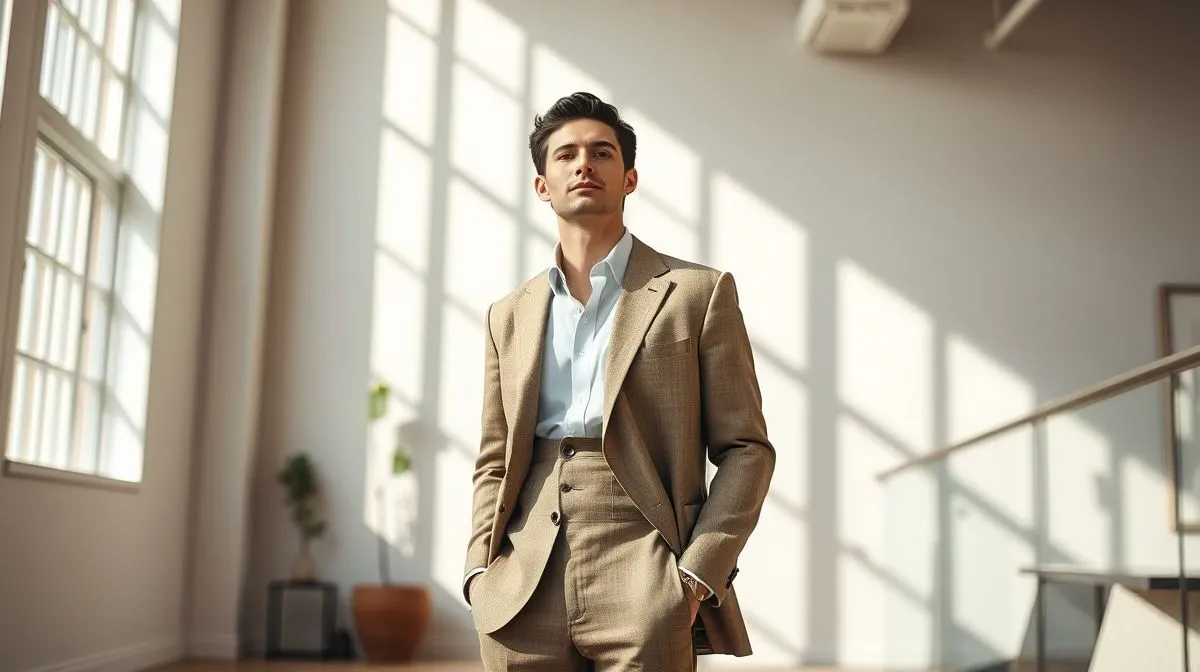
Unlocking Effortless Elegance: How to Achieve Contemporary Men's Relaxed Fit Tailoring
Remember the days when tailored menswear meant rigid structure, stiff fabrics, and a fit so precise it felt like a second skin, albeit a constricting one? For decades, the mantra was 'tighter is better,' particularly in formal wear. But fashion, like life, is in constant flux, evolving to meet the demands of comfort, practicality, and a new aesthetic consciousness. Today, a quiet revolution is sweeping through menswear, redefining what it means to be well-dressed.
The question on many discerning gentlemen's minds now is: how do you marry the timeless sophistication of tailoring with the modern desire for ease and comfort? How do you navigate the fine line between looking polished and feeling unencumbered? This isn't about shapeless, baggy clothes; it's about a deliberate, artful approach to fit that prioritizes fluidity without sacrificing sharp lines or a distinguished silhouette.
This comprehensive guide will delve deep into the nuances of contemporary men's relaxed fit tailoring. We'll explore the foundational principles, discuss essential garment choices, and provide actionable tips to help you master this effortlessly chic style. By the end of this article, you'll possess the knowledge to curate a wardrobe that is both supremely comfortable and undeniably stylish.
Understanding the Philosophy of Relaxed Fit Tailoring
At its heart, contemporary relaxed fit tailoring is a rebellion against constriction, not against formality. It's about finding freedom within structure, allowing garments to drape rather than cling. This approach doesn't compromise on elegance; instead, it redefines it for the modern man who values both appearance and well-being.
More Than Just Loose: The Intentionality Behind the Fit
The term 'relaxed' can be misleading if not understood correctly. This isn't about wearing clothes that are several sizes too big. Instead, it's about a calculated looseness, a carefully considered volume that creates a graceful silhouette. Every element, from shoulder width to trouser break, is designed to enhance comfort while maintaining a sharp, sophisticated aesthetic.
Think of it as a dialogue between the body and the fabric, where the fabric is allowed to breathe and move independently, creating beautiful folds and a dynamic profile. This intentionality is what elevates relaxed fit from merely oversized to truly tailored.
The Evolution from Stiff to Fluid
Historically, tailoring emphasized rigidity, a testament to the skill of the tailor and the status of the wearer. Early suits were often heavily padded and structured. However, post-war fashion began to experiment with softer lines, leading to a gradual shift. The current trend toward relaxed fit is a natural progression, influenced by global fashion movements and a collective desire for less formal, more adaptable clothing.
This evolution reflects a broader cultural shift towards valuing comfort and authenticity. It acknowledges that true style isn't about discomfort, but about confidence and ease in one's own skin, and one's clothes. For a deeper dive into the history of suit evolution, consider exploring resources like Wikipedia's history of the suit.
Key Garments for Your Relaxed Fit Wardrobe
Building a relaxed fit tailored wardrobe begins with selecting the right foundational pieces. These garments are designed with inherent volume and drape, making them ideal starting points.
The Unstructured Blazer: Your Foundation
The cornerstone of contemporary relaxed fit tailoring is often the unstructured blazer. Unlike traditional blazers with heavy padding and canvassing, unstructured versions forgo much of this internal architecture. This results in a softer shoulder line and a more natural drape, allowing the fabric to fall fluidly over the body.
- Soft Shoulders: Look for blazers with minimal or no shoulder padding. This creates a relaxed, natural line that follows the body's contours.
- Lightweight Fabrics: Opt for materials like linen, cotton, or lightweight wool blends that contribute to the garment's fluidity.
- Generous Cut: The body of the blazer should have a slightly wider cut, allowing for movement and a relaxed feel without appearing baggy.
Trousers That Breathe: Wide-Leg and Pleated Options
Forget the skinny and slim-fit trousers of yesteryear. Relaxed fit tailoring embraces trousers with more volume. This can manifest in several ways:
- Wide-Leg Trousers: These offer significant room through the leg, from thigh to ankle, creating a clean, vertical line.
- Pleated Trousers: Pleats at the waist provide extra fabric and comfort around the hips and thighs, allowing for a relaxed drape down the leg. Single or double pleats both work beautifully.
- High Waisted: Many relaxed fit trousers feature a higher rise, which elongates the leg and contributes to a more sophisticated silhouette when paired with a shorter or tucked-in top.
Relaxed Shirts and Knitwear: Layering with Ease
To complement the relaxed outerwear and trousers, your inner layers should follow suit. Avoid overly tight shirts or knits that would disrupt the overall flow.
- Camp Collar Shirts: These offer a laid-back yet stylish alternative to traditional button-downs, perfect for warm weather or casual settings.
- Oversized Button-Downs: Choose shirts with a slightly more generous cut, allowing them to hang loosely or be tucked in with a relaxed blouson effect.
- Fine Gauge Knitwear: Lightweight, breathable knits in merino wool, cashmere, or cotton provide warmth without bulk, ideal for layering under unstructured blazers.
Fabric Matters: Choosing for Comfort and Drape
The choice of fabric is paramount in achieving the desired relaxed fit aesthetic. Certain materials inherently possess the qualities needed for a beautiful drape and comfortable wear.
Natural Fibers: Linen, Wool, and Cotton Blends
Natural fibers are often the best choice for relaxed tailoring due to their breathability, texture, and ability to drape elegantly.
- Linen: King of relaxed fabrics, linen's natural slub and tendency to wrinkle gracefully contribute to an effortless, lived-in look. It's incredibly breathable, making it perfect for warmer climates.
- Lightweight Wool: Don't dismiss wool! Modern wool weaves, like fresco or tropical wool, are incredibly light, breathable, and offer an excellent drape. They resist wrinkling better than linen and provide a more formal feel.
- Cotton Blends: Cotton sateen or cotton-linen blends offer a comfortable, soft hand and a good drape. They are versatile and can be dressed up or down.
- Silk Blends: For a touch of luxury and unparalleled fluidity, silk blends can create stunning relaxed garments.
The Art of the Drape: How Fabric Influences Silhouette
The 'drape' refers to how a fabric hangs and folds. For relaxed tailoring, you want fabrics that have a beautiful, fluid drape, allowing them to flow around the body rather than standing stiffly. This is influenced by the fiber type, weave, and weight. A fabric with good drape will create soft, elegant lines and movement, essential for the relaxed aesthetic.
Consider the tactile experience as well. The best relaxed fit garments feel as good as they look. Soft, pliable fabrics enhance comfort and the overall luxurious feel of the clothing. For more information on fabric properties and their impact on clothing, reputable textile science resources can be invaluable.
The Art of Proportions: Balancing Comfort with Sharpness
While relaxed fit implies more room, it does not mean abandoning the principles of good proportion. In fact, understanding how to achieve contemporary mens relaxed fit tailoring hinges on mastering these visual balances.
Shoulder Fit: The Unsung Hero
Even in a relaxed fit, the shoulder seam of a jacket or shirt is crucial. It should still sit correctly on your natural shoulder point. If it's too wide, the garment will look sloppy; if too narrow, it will feel constricting and pull. A well-fitted shoulder allows the rest of the garment to fall gracefully, even if it's intentionally oversized elsewhere.
Trouser Length and Break: A Modern Approach
The break of your trousers – where the fabric meets your shoe – is a key indicator of contemporary style. For relaxed fit, a minimal break or no break (often referred to as 'pooling' or 'stacking' for a more casual look) is preferred. This allows the wider leg to maintain a clean, elongated line without accumulating excess fabric at the ankle.
- No Break: Trousers skim the top of your shoe, creating a very clean, modern line.
- Slight Break: A single, subtle fold where the trouser meets the shoe.
- Pooling/Stacking: For a more avant-garde or very casual relaxed look, the trousers can be intentionally longer, creating multiple folds at the ankle. This works best with specific fabric types and footwear.
Sleeve Length and Cuff Style
Sleeve length on jackets should allow about half an inch of shirt cuff to show. On shirts worn on their own, the cuff should hit where your wrist meets your hand. For relaxed shirts, a slightly longer sleeve that can be rolled up casually is also a stylish option. Embrace wider cuffs on trousers or shirts for an added touch of relaxed sophistication.
Styling Your Relaxed Tailoring: Practical Applications
The beauty of contemporary relaxed fit tailoring lies in its versatility. It effortlessly bridges the gap between formal and casual, making it suitable for a myriad of occasions.
From Boardroom to Brunch: Versatility in Action
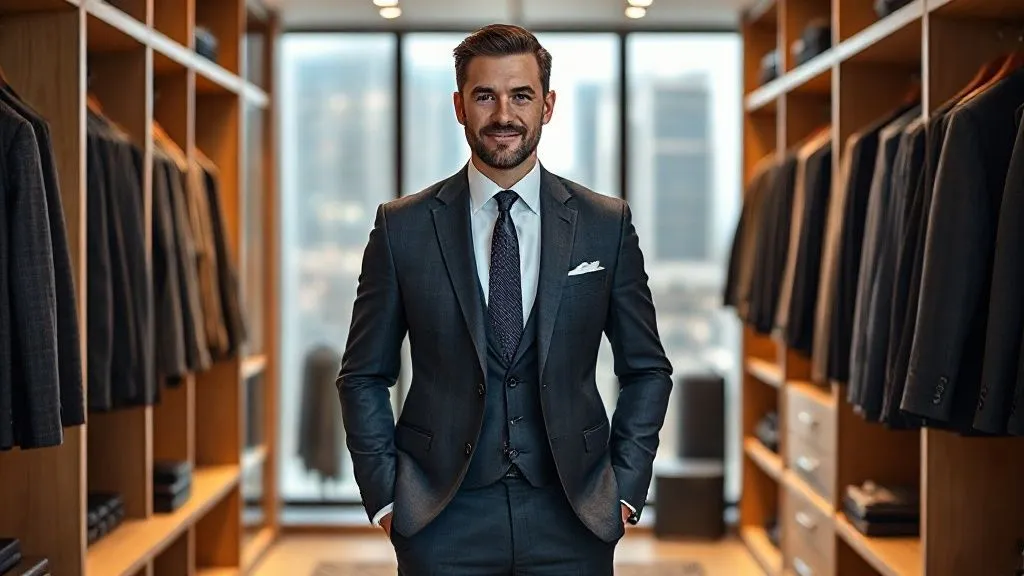
A relaxed fit suit, especially in a neutral tone like charcoal, navy, or olive, can be surprisingly adaptable. Pair it with a crisp button-down and leather loafers for a modern business casual look. For a weekend brunch, swap the shirt for a fine-gauge knit polo and comfortable sneakers. The key is to play with the underlying layers and accessories to dictate the formality.
Consider how different components can be mixed and matched. An unstructured blazer can be worn with jeans and a t-shirt, while wide-leg trousers can be paired with a simple knit and a chore jacket. The possibilities are vast.
Footwear and Accessories: Completing the Look
The right footwear can significantly influence the overall vibe of your relaxed tailored outfit. Lean towards options that complement the relaxed yet refined aesthetic:
- Loafers: Penny, tassel, or horse-bit loafers in leather or suede are excellent choices.
- Derbies/Bluchers: Unstructured or minimalist leather derbies work well for a slightly more formal feel.
- Clean Sneakers: White or minimalist leather sneakers can provide a stylish contrast, injecting a modern, casual edge.
- Sandals/Espadrilles: For very warm weather or vacation settings, high-quality leather sandals or espadrilles can complete a linen relaxed look.
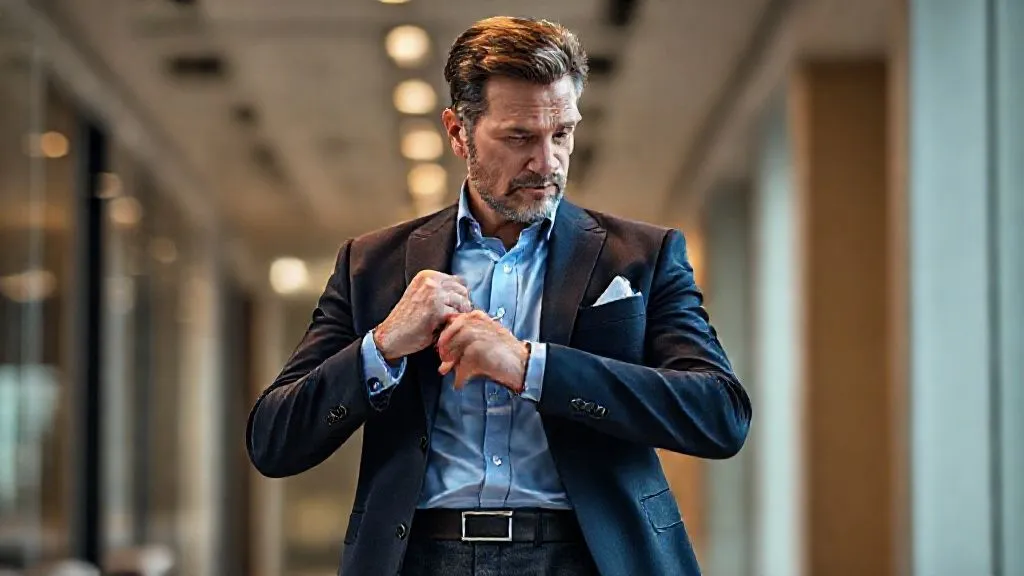
Accessories should be understated and high-quality. Think minimalist watches, simple leather belts (if needed), and perhaps a subtle pocket square. Avoid anything too flashy or overly formal that would clash with the relaxed vibe. By integrating these elements, you'll master how to achieve contemporary mens relaxed fit tailoring that speaks volumes about your refined taste.
Layering Techniques for Depth and Dimension
Layering is an effective way to add depth and interest to relaxed tailored outfits. The inherent volume of the garments makes layering comfortable and visually appealing. Experiment with a light knit under a blazer, or an unbuttoned casual shirt over a t-shirt beneath a suit jacket. The key is to ensure each layer contributes to the overall relaxed flow without adding unnecessary bulk.
Common Pitfalls to Avoid in Relaxed Tailoring
While the concept of relaxed fit tailoring is liberating, there are common mistakes that can undermine its effectiveness. Awareness is key to avoiding them.
Mistaking Relaxed for Sloppy: The Fine Line
This is perhaps the most critical distinction. Relaxed fit is intentional; sloppy is accidental. The difference lies in the quality of the garment, the precision of the cut (even if generous), and the attention to detail in styling. A cheap, ill-fitting garment will always look sloppy, regardless of its 'fit' designation.
Ensure your garments are well-made, even if they're not bespoke. The fabric quality, stitching, and overall finish play a huge role in how a relaxed fit garment presents itself. The current landscape of menswear is increasingly embracing this fluidity, as noted by industry publications like The Business of Fashion, highlighting a shift towards comfort without sacrificing style.
Ignoring Proportions: When Oversized Goes Wrong
As discussed, proportion is paramount. An oversized blazer with trousers that are too narrow, or vice versa, will throw off the entire balance. Everything must work in harmony. If you opt for wide-leg trousers, ensure your top half has a proportionate volume, perhaps an unstructured blazer or a slightly looser shirt. Conversely, if your blazer is very relaxed, balance it with trousers that have some, but not excessive, volume.
Fabric Missteps: Choosing Stiff Over Supple
Attempting to force a relaxed fit from a stiff, structured fabric is a recipe for disaster. Such materials will simply look ill-fitting, creating awkward angles and a boxy silhouette rather than a fluid drape. Always prioritize fabrics with inherent softness and a good drape, as detailed in the 'Fabric Matters' section.
Frequently Asked Questions (FAQ)
Is relaxed fit tailoring suitable for formal occasions? Yes, absolutely. While it offers a more contemporary and comfortable take, a well-executed relaxed fit suit in a luxurious fabric like lightweight wool or a silk blend can be perfectly appropriate for many formal events, especially those that aren't strictly black-tie. The key is the intentionality and quality of the garments.
What's the difference between relaxed fit and just oversized clothing? The primary difference is intentionality and tailoring. Oversized clothing can simply be garments that are too large without any specific design or proportion in mind. Relaxed fit, however, is a deliberate design choice where the garment is cut with specific dimensions to offer comfort and drape while maintaining a sophisticated silhouette. It still adheres to principles of good fit in key areas like the shoulders and waist.
What fabrics are best for contemporary relaxed fit tailoring? For optimal drape and comfort, natural fibers are generally preferred. Excellent choices include lightweight wool (like fresco or tropical wool), linen, cotton blends (especially those with a soft hand), and silk or silk blends. These fabrics offer breathability and a natural flow.
Can shorter men wear relaxed fit tailoring? Yes, shorter men can absolutely wear relaxed fit tailoring. The key is to pay even closer attention to proportions. Opt for trousers with a clean, minimal break to avoid visually shortening the leg. Ensure jackets aren't excessively long and that shoulder seams are precise. A monochromatic look can also help create a continuous, elongating line.
How do I care for relaxed fit tailored garments? Care depends on the fabric. Linen often benefits from steaming rather than ironing to maintain its natural texture. Wool garments should be aired out after wear and dry-cleaned sparingly. Always follow the care instructions on the garment's label. Proper storage (on good hangers) is also crucial to maintain the garment's shape and drape.
Recommended Reading
- Killer Fashion Blog Posts: Your Ultimate Writing Guide!
- Find Your Perfect Hat: The Ultimate Guide to Choosing the Right Style for Your Face Shape
- Unlock the Secret: How to Make Unique Jewelry Designs Truly Stand Out
- The Ultimate Guide: How to Preserve Haute Couture Runway Masterpieces Forever
- Mastering Authentication: How to Spot Fake Limited Edition Sneakers
Conclusion
The journey to mastering contemporary men's relaxed fit tailoring is an exciting one, marking a significant evolution in how we perceive and wear formal attire. It's a testament to the idea that style and comfort are not mutually exclusive, but rather, can coexist in beautiful harmony. By understanding the core principles – from selecting the right unstructured garments and fluid fabrics to mastering the art of proportion and thoughtful styling – you unlock a new realm of sartorial possibilities.
Ultimately, understanding how to achieve contemporary mens relaxed fit tailoring is about embracing a new paradigm in menswear: one that celebrates ease, authenticity, and sophisticated self-expression. It encourages you to move beyond rigid conventions and cultivate a personal style that feels as good as it looks. So, step out with confidence, knowing that your relaxed tailoring speaks volumes about your modern sensibility and discerning taste.


Your email address will not be published. Required fields are marked *