

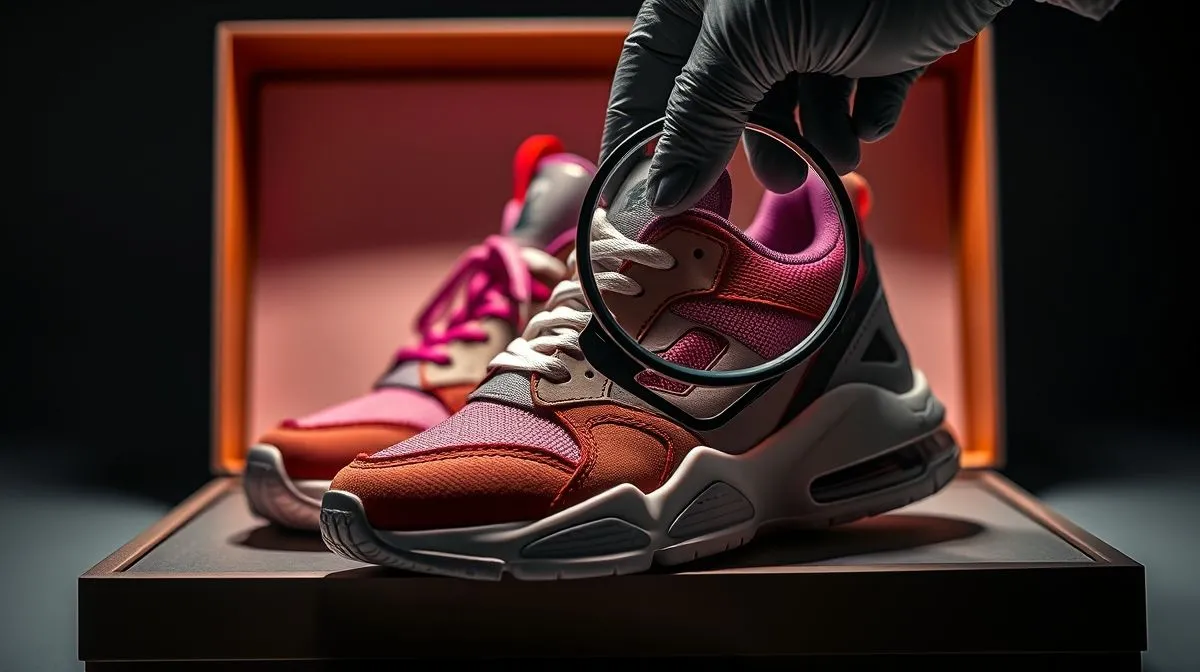
How to Authenticate Limited Edition Sneakers: Your Definitive Guide
Imagine the thrill: you’ve just secured that grail pair, the limited edition sneakers you’ve been dreaming of for months, perhaps even years. The box is pristine, the colors pop, and the scent of fresh materials fills the air. But then, a tiny seed of doubt begins to sprout. Is it truly authentic? Or have you, like so many others, fallen victim to the increasingly sophisticated world of counterfeit goods?
The market for limited edition sneakers has exploded, turning what was once a niche hobby into a multi-billion dollar industry. With this rapid growth, however, comes a darker side: an influx of high-quality replicas designed to deceive even the most seasoned collectors. The problem isn't just about losing money; it's about preserving the integrity of your collection and avoiding the disappointment of owning a fake.
This comprehensive guide will equip you with the essential knowledge and practical techniques on how to authenticate limited edition sneakers. By the end of this reading, you will possess a keen eye for detail, understand the critical red flags, and be empowered to make confident, informed decisions, safeguarding your investments and passion.
The Evolving Landscape of Counterfeit Sneakers
The days of easily identifiable, shoddy fake sneakers are largely behind us. Modern counterfeiters have invested heavily in reverse engineering, often utilizing similar materials and production techniques to create replicas that are alarmingly close to the genuine article. This makes the task of authentication more challenging than ever before.
The Sophistication of Replicas
Today's top-tier replicas, often dubbed 'UA' (Unauthorized Authentic) or 'perfect' fakes, can mimic original designs down to intricate stitching patterns and material textures. They often originate from the same factories or regions that produce legitimate sneakers, sometimes even using surplus materials or stolen designs. This blurs the lines significantly, demanding a forensic level of detail in your inspection process.
The sheer volume of these fakes also means they permeate every corner of the resale market, from online marketplaces to local consignment shops. Understanding their prevalence is the first step in protecting yourself.
Why Authentication Matters More Than Ever
For collectors, authenticity isn't just a preference; it's foundational. A collection built on fakes loses its value, its prestige, and ultimately, its joy. For resellers, unknowingly selling fakes can destroy reputation and lead to significant financial and legal repercussions. The growing complexity of counterfeits necessitates a robust authentication strategy for anyone involved in the limited edition sneaker market.
Furthermore, supporting the legitimate market helps to combat illicit trade and protects the intellectual property of brands and designers. According to the Federal Trade Commission, counterfeit goods cost legitimate businesses billions annually and can sometimes be linked to organized crime.
Mastering the Visual Inspection: A Deep Dive
The most crucial step in learning how to authenticate limited edition sneakers is a meticulous visual inspection. This requires patience, a keen eye, and often, a comparison with a known authentic pair.
Packaging and Box Details
Start with the box. Authentic sneaker boxes are typically sturdy, well-constructed, and feature crisp, accurate printing. Pay close attention to:
- Labels: Check for proper font, spacing, alignment, and clarity of the product name, size, color code, and UPC. Fakes often have blurry, misaligned, or incorrect labels.
- Box Construction: Examine the quality of the cardboard, the precision of the folds, and the presence of any glue residue. Authentic boxes are usually flawless.
- Internal Packaging: Look for the correct tissue paper, shoe trees (if applicable), and any extra laces or accessories. These should match the brand's standard.
Stitching and Construction Quality
This is often a major tell. Authentic sneakers boast impeccable craftsmanship, while fakes frequently cut corners. Focus on:
- Evenness: Stitching should be uniform, straight, and consistent in length and tension. Irregular, crooked, or loose stitches are red flags.
- Thread Type: High-quality thread is used for genuine products. Fakes might use cheaper, shinier, or less durable thread.
- Seams and Panels: All panels should align perfectly, and seams should be clean and tight. Uneven panel gaps or rough edges indicate poor manufacturing.
Material Analysis (Leather, Fabric, Soles)
Brands invest significantly in sourcing premium materials. Counterfeiters often use cheaper alternatives. Consider:
- Leather Quality: Genuine leather will have a distinct texture, smell, and often subtle imperfections. Fakes might use synthetic leather that feels plasticky or looks too uniform.
- Fabric Weave: Examine the weave of mesh, knit, or canvas materials. It should be consistent and high-density.
- Sole Consistency: The rubber or foam of the sole should have a consistent texture and density. Look for any inconsistencies in the molding or finish, such as excessive shine or dullness where it shouldn't be.
Font, Logos, and Branding Consistency
Every brand has specific fonts, logo placements, and branding elements. These are meticulously controlled on authentic products.
- Font Accuracy: Compare all text on the shoe (e.g., size tags, tongue labels, insoles) to known authentic fonts. Look for variations in thickness, spacing, or letter shapes.
- Logo Precision: Brand logos (e.g., Nike Swoosh, Adidas stripes, Jumpman) should be perfectly shaped, sized, and placed. Even slight deviations can indicate a fake.
- Branding Details: Check for correct spelling, trademarks, and copyright symbols. Errors here are immediate giveaways.
Color Accuracy and Finish
Limited edition sneakers often feature unique colorways. Replicas may struggle to perfectly match these complex hues.
- Shade Matching: Compare the colors to official product images or known authentic pairs. Fakes might have slightly off shades, or inconsistent color application across different panels.
- Finish Quality: Look for clean paint lines, proper gloss levels, and absence of smudges or bleeding between colors.
The Critical Role of Production Tags and Serial Numbers
Beyond the visual aesthetics, the internal tags and codes offer crucial data points for authentication. These are often the first place counterfeiters slip up, as replicating complex numerical and textual data perfectly is challenging.
Understanding Date Codes and Manufacturing Locations
Inside the shoe, typically on the tongue or collar, you'll find a production tag. This tag contains vital information:
- Date Code: This usually indicates the period of manufacture (e.g., MM/YY). Verify if this date aligns with the shoe's release window. A shoe released in 2023 but manufactured in 2020 is a major red flag.
- Factory Code: Many brands use specific codes for their manufacturing facilities. Some online resources and communities track these codes. Inconsistencies can point to a fake.
Verifying Serial Number Uniqueness
Each authentic pair of sneakers should have a unique serial number. While it's difficult for an individual to cross-reference every number with a manufacturer's database, there are still checks you can perform:
- Matching Numbers: The serial number on the shoe's tag should match the one on the box label. If they don't, it's a definite fake or a mismatched pair.
- Format Consistency: Ensure the serial number follows the brand's expected format (e.g., number of digits, presence of letters/dashes).
- Duplicate Numbers: If you're inspecting multiple pairs from the same seller, check if serial numbers are being duplicated. This is a common tactic for counterfeiters.
The precision required for these details highlights why mastering how to authenticate limited edition sneakers involves more than just a quick glance.
The "Smell Test" and Other Sensory Clues
While less scientific, sensory clues can provide additional layers of authentication, especially when combined with visual inspections. Your nose and touch can sometimes detect what your eyes miss.
The Distinct Odor of Authentic Materials
Authentic sneakers, particularly those made with high-quality leather or advanced synthetic materials, often have a specific, clean smell. Conversely, fake sneakers frequently emit a strong, chemical, or cheap adhesive odor, indicative of lower-grade materials and production processes. This is due to the use of inferior glues and plastics that off-gas volatile organic compounds (VOCs). A quick sniff can often reveal a lot about the shoe's origins.
Feel and Flexibility of the Sole
The sole of a sneaker is engineered for performance and comfort. Authentic soles will have a specific feel and flexibility. Try bending the sole; it should have a consistent give and rebound. Fakes might feel overly stiff, unusually soft, or simply 'off' in their tactile response. The texture of the outsole, including the grip patterns, should also feel consistent and durable, not flimsy or overly smooth. These subtle tactile differences are often hard for counterfeiters to replicate perfectly.
Leveraging Digital Tools and Expert Services
In today's digital age, technology and community resources offer powerful aids in authenticating limited edition sneakers. These tools can provide an extra layer of verification, especially for complex cases.
Authentication Apps and Databases
Several mobile applications and online databases have emerged, allowing users to upload photos of their sneakers for analysis. While not infallible, many use AI and community-driven data to flag potential fakes. Some even offer direct comparisons to known authentic pairs. These tools can be a great starting point for a preliminary check.
Reputable Online Authentication Services
For high-value or highly sought-after pairs, consider using professional, third-party authentication services. Companies like StockX and GOAT employ teams of expert authenticators who meticulously inspect every detail before a sneaker reaches the buyer. While these services come with a fee, the peace of mind and guarantee of authenticity are invaluable. They have access to vast databases of authentic sneakers and detailed knowledge of brand-specific tells.
These services often involve multiple stages of inspection, from visual and tactile checks to sometimes even chemical analysis of materials, ensuring the highest level of scrutiny. It's a gold standard for those who truly want to know how to authenticate limited edition sneakers with certainty.
The Value of Community Forums and Experts
Online forums, subreddits, and social media groups dedicated to sneaker collecting are treasure troves of information. Many experienced collectors and authenticators share their knowledge, tips, and even offer free 'legit checks' based on photos. While not a substitute for professional services, these communities can provide quick insights and highlight common issues with specific models. Always cross-reference advice from multiple sources within these communities.
Engaging with these communities can also help you stay updated on the latest trends in counterfeiting and new authentication methods.
Common Pitfalls and Red Flags to Avoid
Even with a keen eye, the market is full of traps. Knowing what to avoid is as crucial as knowing what to look for when you're trying to authenticate limited edition sneakers.
"Too Good to Be True" Deals
This is the golden rule: if a deal seems unbelievably good, it probably is. Limited edition sneakers retain high value due to scarcity. A brand-new, highly coveted pair being sold significantly below market price, or even below retail, is a massive red flag. Counterfeiters often lure buyers with irresistible prices.
Exercise extreme caution with sellers offering multiple sizes of a highly limited release at low prices. True scarcity means limited availability.
Unverified Sellers and Platforms
Always purchase from reputable sellers and platforms with strong buyer protection policies. Avoid private sellers on social media or obscure websites that don't offer clear return policies, escrow services, or authentication guarantees. Check seller reviews and ratings thoroughly. A seller with no history or overwhelmingly negative feedback is a high risk.
The proliferation of counterfeit consumer goods makes vigilance paramount in online transactions.
Lack of Documentation or Proof of Purchase
While not a definitive sign of authenticity on its own, a legitimate seller should ideally be able to provide proof of purchase, such as a retail receipt, order confirmation, or shipping details from an authorized retailer. While not all collectors keep these, their absence should prompt further scrutiny. A seller's reluctance to provide such documentation without a valid reason is suspicious.
Building Your Authentication Expertise Over Time
Authenticating limited edition sneakers is a skill that improves with practice and ongoing education. It's an evolving field, just like the counterfeiting industry itself.
Continuous Learning and Research
Stay informed. Follow reputable sneaker news outlets, authentication blogs, and experts on social media. Learn about new release details, material changes, and common flaws of specific models. Many brands periodically update their authentication features, and staying current is vital. Understanding the nuances of each brand and model is key to becoming a true expert.
The more you immerse yourself in the culture and details of sneaker manufacturing, the better equipped you'll be to spot discrepancies. This includes understanding supply chain intricacies and manufacturing processes, which can sometimes be gleaned from industry reports or articles on intellectual property protection.
Handling and Inspecting Known Authentic Pairs
The best way to train your eye is to handle as many authentic pairs as possible. Visit reputable sneaker boutiques, attend sneaker conventions, or ask friends with genuine collections if you can examine their shoes. Compare the feel of materials, the precision of stitching, and the overall quality against what you encounter in the market. This hands-on experience builds an intuitive understanding of what a genuine sneaker should look, feel, and even smell like.
Frequently Asked Questions (FAQ)
Q: Can a professional authenticator ever be wrong? A: While highly rare, no human process is 100% infallible. However, reputable authentication services use multiple checks and often have insurance, making their assessments highly reliable.
Q: Are all "UA" (Unauthorized Authentic) sneakers fakes? A: Yes, despite the misleading name, "UA" sneakers are replicas. They are not authorized by the brand and are illegally produced, even if they claim to use similar materials.
Q: What should I do if I accidentally bought a fake sneaker? A: Immediately contact the seller or platform's customer service to report the fake and seek a refund. Provide all evidence you have. If buying on platforms like PayPal or credit card, file a dispute. Report the seller if possible.
Q: Is it safe to buy limited edition sneakers from social media marketplaces? A: It can be risky. Always prioritize platforms with strong buyer protection and authentication services. If buying directly, meet in a public place, inspect thoroughly, and use secure payment methods that offer buyer protection.
Q: Do all authentic limited edition sneakers come with a special tag or certificate? A: Not necessarily. While some brands or specific releases might include special tags, many do not. Rely more on the shoe's inherent qualities and production details than on extra accessories, which can easily be faked.
Recommended Reading
- The Frustrating Truth: Why Does Seamless Activewear Roll Down During Workouts?
- The Ultimate Guide: How to Properly Fit a Men's Formal Dress Shirt?
- The Ultimate Guide: How to Care for Anti-Reflective Coating on Glasses
- Best Comfort Shoes for Plantar Fasciitis Relief: Your Ultimate Guide
- Unlock the Future: Can Robots Slash Waste in Fashion Manufacturing?
Conclusion
The journey of how to authenticate limited edition sneakers is a blend of art and science, requiring diligent observation, continuous learning, and a healthy dose of skepticism. By understanding the intricacies of visual inspection, leveraging digital tools, and recognizing common red flags, you empower yourself to navigate the complex world of sneaker collecting with confidence. Remember, every detail matters, from the crispness of the box label to the scent of the materials. Protect your passion, safeguard your investments, and enjoy the true thrill of owning authentic pieces of sneaker history.

Your email address will not be published. Required fields are marked *