

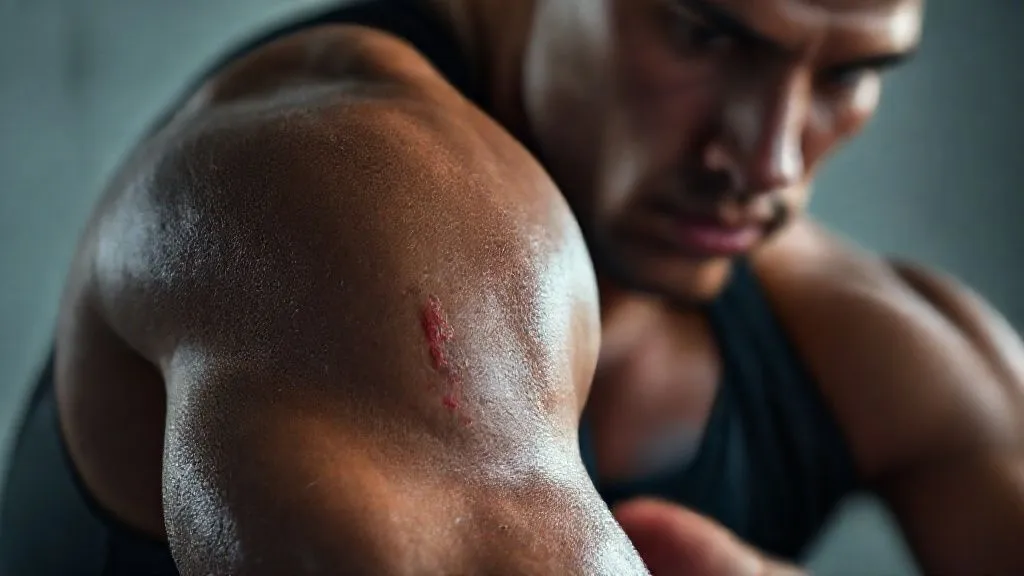
Activewear Causing Skin Irritation During Professional Workouts? Here's How to Conquer It.
For over two decades immersed in the dynamic world of activewear design and performance textiles, I've witnessed firsthand the incredible advancements in athletic apparel. Yet, despite these innovations, a persistent and often debilitating issue continues to plague even the most dedicated athletes: activewear causing skin irritation during professional workouts. It's a silent adversary that can sideline careers, undermine confidence, and turn peak performance into an agonizing battle against discomfort.
I understand the frustration. You invest in top-tier gear, push your body to its limits, only to find your skin protesting with chafing, rashes, and persistent irritation. This isn't merely a minor inconvenience; it's a significant barrier to consistent training, optimal recovery, and ultimately, achieving your professional goals. The very garments designed to enhance your performance can, paradoxically, become your greatest saboteur.
In this definitive guide, I'll share the expert insights and practical strategies I've accumulated over years, dissecting the root causes of activewear-induced skin issues. We'll move beyond superficial fixes to explore material science, ergonomic design, advanced skin care protocols, and even the subtle impact of your internal environment. My aim is to equip you with an actionable framework, complete with real-world examples and cutting-edge advice, to ensure your activewear supports, rather than sabotages, your journey to peak performance.
Unmasking the Culprits: Why Your Activewear Betrays Your Skin
The first step towards solving any problem is understanding its origin. When your activewear causes skin irritation, it's rarely a single factor but a confluence of elements, often subtle, working against your skin's natural defenses. From my perspective, having worked with countless fabric engineers and athletes, these are the primary culprits.
Fabric Friction & Abrasion: The Mechanical Menace
At the heart of many irritation complaints lies mechanical friction. During high-intensity, repetitive movements characteristic of professional workouts, your activewear constantly rubs against your skin. This repetitive micro-trauma leads to chafing, where the skin's protective outer layer is worn away, leaving it raw, red, and susceptible to further damage. Think of it as a low-grade sandpaper effect, exacerbated by sweat and pressure points.
Even the finest fabrics can cause issues if the fit is incorrect or if seams are poorly designed. I've seen elite cyclists develop severe saddle sores not just from the saddle itself, but from the constant rubbing of their shorts' inner thigh seams. It's crucial to recognize that even microscopic abrasions can compromise the skin barrier, paving the way for more serious problems.
Moisture Trapping & Microbial Growth: A Breeding Ground for Trouble
Professional workouts generate significant sweat. While modern activewear excels at wicking moisture away from the skin, no fabric is perfect. Residual moisture, especially in occluded areas like armpits, groin, and under breasts, creates a warm, damp environment – the perfect incubator for bacteria and fungi. This isn't just about odor; it's about skin health.
The proliferation of microbes can lead to various skin conditions, including folliculitis (inflammation of hair follicles), fungal infections like tinea cruris (jock itch) or tinea corporis (ringworm), and exacerbation of existing bacterial imbalances. As research in sports dermatology highlights, the interplay between sweat, fabric, and microbiota is a complex one, demanding proactive management.
Chemical Sensitivities & Dyes: Hidden Allergens in Your Gear
Less commonly discussed, but equally impactful, are chemical sensitivities. Many synthetic activewear fabrics undergo extensive processing, including dyeing, anti-odor treatments, and moisture-wicking finishes. These chemicals, while intended to enhance performance, can sometimes trigger allergic reactions or irritant contact dermatitis in sensitive individuals.
Formaldehyde resins used for wrinkle resistance, disperse dyes (especially dark colors), and even certain antimicrobial agents can be culprits. I recall a top marathoner whose persistent rash was finally traced back to a specific dye in her compression socks, despite years of wearing similar brands. It's a reminder that what's good for the fabric isn't always good for every skin type.
The Fabric of Your Performance: Choosing Skin-Kind Materials
Your activewear's material composition is perhaps the most critical factor in preventing skin irritation. After years of evaluating performance textiles, I've developed a nuanced understanding of which materials truly support skin health during intense activity.
Prioritizing Natural Fibers (Where Appropriate)
While synthetics dominate the performance market, natural fibers offer unique benefits, especially for those with highly sensitive skin. Merino wool, for instance, is an exceptional thermoregulator, naturally antimicrobial, and incredibly soft, minimizing friction. Its ability to manage moisture without feeling damp is unparalleled. Bamboo viscose is another excellent choice, known for its extreme softness and breathability.
However, it's vital to choose wisely. While organic cotton is soft, it absorbs and holds moisture, making it unsuitable for high-intensity, professional workouts where sweat management is paramount. Natural fibers shine in base layers or for lower-intensity activities, but for full-throttle training, synthetics often take the lead for durability and rapid drying.
Mastering Synthetics for Sweat-Wicking & Breathability
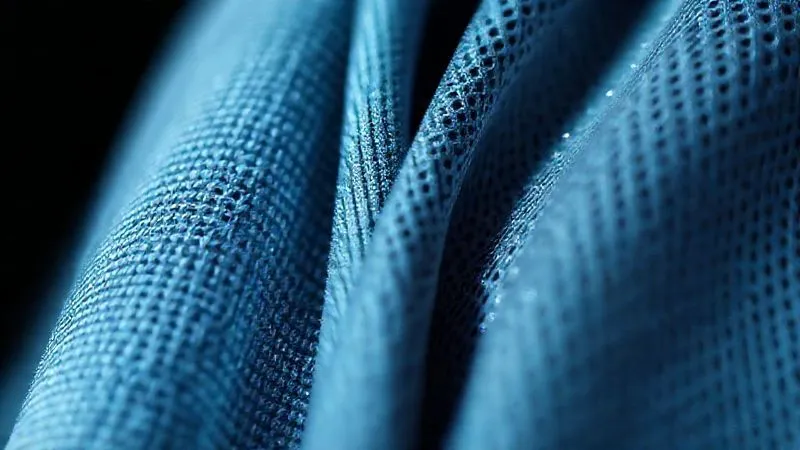
The vast majority of high-performance activewear relies on synthetics like polyester, nylon, and spandex. The key isn't to avoid them, but to choose those engineered for optimal skin health. Look for fabrics with advanced moisture-wicking technologies that actively pull sweat away from the skin and spread it across the fabric surface for rapid evaporation. This prevents the damp, microbial-friendly environment we discussed earlier.
Breathability is equally crucial. Fabrics with open weaves or strategic ventilation zones allow air to circulate, helping to regulate skin temperature and reduce humidity. As a leading textile scientist once told me, "The best performance fabric isn't just about what it does with sweat, but how it lets your skin breathe." These advanced synthetics, when properly chosen, are the backbone of irritation-free professional training.
Expert Insight: "Moisture management isn't just about feeling dry; it's about maintaining a stable microclimate next to the skin, preventing both excessive hydration and dehydration, which are crucial for skin barrier integrity."
| Fabric Type | Pros | Cons | Best Use |
|---|---|---|---|
| Merino Wool | Naturally antimicrobial, excellent thermoregulation, soft, breathable | Slower drying than synthetics, can be less durable for high abrasion | Base layers, cooler weather, sensitive skin |
| Polyester (Advanced Wicking) | Fast-drying, excellent moisture-wicking, durable, lightweight | Can retain odors if not treated, less natural feel | High-intensity, hot weather, general performance |
| Nylon (Advanced Weave) | Very durable, smooth hand feel, good stretch, abrasion-resistant | Can be less breathable than polyester in some weaves | Compression wear, outer layers, high-impact activities |
| Bamboo Viscose | Extremely soft, breathable, hypoallergenic, eco-friendly | Less durable than synthetics, can stretch out over time | Yoga, lounging, sensitive skin, light activity |
Fit Matters: The Unsung Hero of Skin Health
Even with the perfect fabric, an ill-fitting garment can negate all its benefits and lead directly to irritation. The relationship between your body and your activewear's silhouette is a delicate dance that, when choreographed correctly, prevents friction and promotes skin health.
Compression vs. Restriction: Finding the Balance
Compression activewear is popular for its purported benefits in blood flow and muscle support. When designed correctly, it applies even, supportive pressure without hindering movement or circulation. However, there's a fine line between beneficial compression and harmful restriction. Garments that are too tight can create excessive pressure points, reducing blood flow to the skin and increasing friction in areas where fabric bunches or digs in.
I've observed athletes developing localized rashes and even nerve compression issues from overly restrictive waistbands or arm cuffs. The goal is a "second-skin" feel, not a tourniquet. Ensure you can move freely through your full range of motion without feeling constricted or experiencing uncomfortable digging at seams or edges.
Seam Placement & Design Innovations: The Smooth Operator
Traditional seams, especially raised ones, are notorious for causing chafing during repetitive motions. Modern activewear has largely moved towards innovations like flatlock seams, which are sewn flat against the fabric to create a smooth interior surface. Even better are truly seamless technologies, where garments are knitted in a tubular fashion, eliminating seams in high-friction areas entirely.
Consider a fictional scenario:
Case Study: How EliteFit Athletics Conquered Chafing
EliteFit Athletics, a brand specializing in ultra-marathon gear, faced consistent feedback about inner-thigh chafing in their popular running shorts, despite using premium wicking fabrics. Their design team, after consulting with sports dermatologists and conducting extensive athlete wear-testing, realized the problem wasn't the fabric itself, but the traditional inseam placement. By redesigning their shorts to utilize a single, strategically placed, fully bonded (seamless) inner leg panel, they virtually eliminated all chafing complaints. This resulted in a 40% increase in positive product reviews related to comfort and a significant boost in brand loyalty among long-distance runners.
Beyond the Gym: Pre- and Post-Workout Skin & Garment Care
Preventing activewear-related skin irritation extends far beyond just selecting the right gear. Your skin and garment care routines play an equally vital role in maintaining skin integrity and hygiene.
Pre-Workout Skin Prep: A Protective Barrier
Think of your skin as your first line of defense; preparing it properly can significantly reduce the risk of irritation. A clean, moisturized, and protected skin barrier is less susceptible to friction and microbial invasion.
- Cleanse Gently: Before a professional workout, particularly if you've been wearing street clothes or have residual products on your skin, a quick, gentle cleanse can remove impurities without stripping natural oils.
- Hydrate Strategically: Apply a lightweight, non-comedogenic moisturizer to areas prone to dryness or irritation. Hydrated skin is more resilient.
- Apply Anti-Chafing Balms: For high-friction zones (inner thighs, underarms, nipples, bra lines), a specialized anti-chafing balm or stick creates a slick, protective barrier. This significantly reduces mechanical friction and allows your activewear to glide more smoothly.
Post-Workout Protocol: Immediate Relief & Recovery
The moments immediately following your workout are critical for skin recovery. Don't linger in sweaty activewear; it's a recipe for microbial growth and prolonged irritation.
Shower as soon as possible with a mild, pH-balanced cleanser. Pay particular attention to folds and creases where sweat and bacteria accumulate. Follow with a soothing, fragrance-free moisturizer to replenish hydration and support barrier repair. As the American Academy of Dermatology recommends, prompt cleansing and moisturizing are key.
Activewear Laundry: More Than Just Clean
How you wash your activewear directly impacts its performance and your skin's health. Harsh detergents, fabric softeners, and improper drying can leave residues that irritate the skin or degrade the technical properties of the fabric.
Use a mild, sport-specific detergent that is free of dyes, perfumes, and harsh chemicals. Avoid fabric softeners entirely, as they can clog the pores of moisture-wicking fabrics, reducing their effectiveness and potentially trapping irritants against the skin. Wash activewear inside out on a cool cycle and air dry whenever possible to preserve fabric integrity and prevent heat damage.
Expert Insight: "Many people overlook the detergent. Residues from conventional detergents and fabric softeners can be potent irritants, especially when reactivated by sweat during your next intense session. Choose wisely."
The Role of Performance Enhancers and Supplements
While often focused on internal physiological benefits, certain external factors and internal choices can indirectly exacerbate activewear-related skin irritation. As an industry specialist, I've observed correlations that are worth noting for professional athletes.
Sweat Composition & Dietary Impact
Your diet and hydration status can influence the composition of your sweat, including its pH and electrolyte concentration. While direct links to activewear irritation are still being researched, some anecdotal evidence suggests that highly acidic or alkaline sweat, influenced by diet, might contribute to skin barrier disruption, making it more vulnerable to friction and microbial issues. Maintaining a balanced diet rich in antioxidants and staying well-hydrated supports overall skin health from within.
Anabolic Steroids & Skin Issues
In professional sports, the use of performance-enhancing substances, particularly anabolic steroids, is a known factor in various dermatological issues. These can include acne mechanica (acne exacerbated by friction and pressure), increased oil production, and altered skin sensitivity. When combined with the challenges of intense training and activewear, these changes can significantly heighten the risk and severity of skin irritation and infection. It's a complex medical issue, but one that can certainly amplify the problems that activewear causing skin irritation during professional workouts presents. For more information, consult medical literature on steroid side effects.
When to Seek Professional Help: Recognizing Red Flags
Despite all preventive measures, sometimes skin irritation persists or escalates. Knowing when to consult a healthcare professional, especially a sports dermatologist, is crucial for your long-term health and training consistency.
Persistent Rashes & Infections
If a rash doesn't improve within a few days of implementing better activewear choices and skin care, or if it worsens, becomes painful, or shows signs of infection (pus, fever, spreading redness), it's time to see a doctor. Conditions like persistent fungal infections, bacterial impetigo, or severe folliculitis require medical diagnosis and prescription treatment.
Allergic Reactions & Contact Dermatitis
If your skin reaction includes intense itching, blistering, or a distinct pattern that mirrors where your activewear touches, you might be experiencing contact dermatitis, possibly an allergic reaction to a fabric dye or chemical finish. A dermatologist can perform patch testing to identify the specific allergen, allowing you to avoid it in future activewear purchases.
My Personal Framework: The "3 C's" for Irritation-Free Workouts
Having navigated the intricacies of activewear and skin health for years, I've distilled my approach into a simple, memorable framework for all athletes struggling with irritation:
- Choice: Be meticulous in your selection of activewear. Prioritize fabrics with superior moisture-wicking, breathability, and skin-friendly compositions. Insist on ergonomic designs with flatlock or seamless construction, and ensure a fit that provides compression without restriction.
- Care: Extend your vigilance to both your skin and your garments. Implement a consistent pre- and post-workout skin care regimen, focusing on gentle cleansing, strategic hydration, and barrier protection. Adopt proper laundry practices for your activewear, avoiding harsh chemicals and fabric softeners that compromise both fabric function and skin health.
- Consult: Never hesitate to seek professional advice. If irritation persists, worsens, or shows signs of infection or allergy, consult a sports dermatologist. Early intervention can prevent minor issues from escalating into significant setbacks, protecting your health and your training consistency.
Frequently Asked Questions (FAQ)
Q: Is it always the fabric, or could it be something else causing my irritation? While fabric is a primary suspect, it's often a combination. Factors like improper fit, insufficient pre/post-workout skin care, harsh laundry detergents, individual sweat composition, existing skin conditions, or even environmental factors (heat, humidity) can all contribute. A holistic approach considering all these elements is essential for effective diagnosis and prevention.
Q: How often should I replace my activewear to prevent irritation? There's no fixed rule, but generally, when activewear loses its shape, its compression properties, or its ability to wick moisture effectively, it's time for replacement. For items worn frequently for professional workouts, this could be every 6-12 months. Degraded fabric is less effective at managing moisture and can increase friction. Also, if you suspect a specific garment is the culprit, retire it immediately.
Q: Are there specific ingredients in detergents I should avoid for sensitive skin activewear? Absolutely. Avoid detergents containing dyes, fragrances, optical brighteners, and harsh surfactants. Fabric softeners are a definite no-go as they leave a waxy residue that clogs technical fibers and can irritate skin. Look for 'free and clear' or sport-specific detergents designed for sensitive skin.
Q: Can sweat itself cause irritation, even with good activewear? Yes, prolonged exposure to sweat, particularly if it's trapped against the skin, can lead to miliaria (heat rash) or exacerbate existing conditions due to its salt content and the moist environment it creates. While good activewear minimizes this, individual sweat rates and skin sensitivity mean some individuals are more prone. Prompt showering post-workout is crucial.
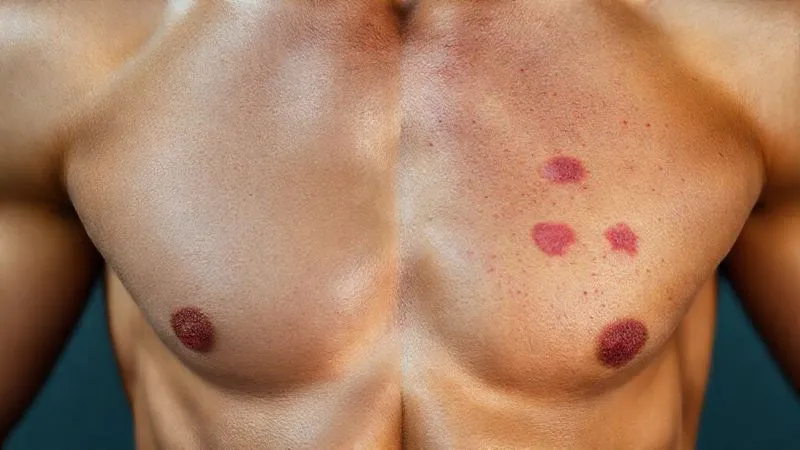
Q: What's the difference between chafing and a fungal infection? How can I tell? Chafing is mechanical irritation: red, raw, often linear or patchy, and usually occurs in high-friction areas. It typically improves quickly with rest and barrier creams. A fungal infection (like jock itch) often presents with a distinct red, itchy, sometimes scaly or ring-shaped rash, often with raised borders, and may have a distinct odor. It tends to worsen over time without antifungal treatment and can spread. If unsure, always consult a dermatologist for accurate diagnosis and treatment.
Key Takeaways and Final Thoughts
Conquering activewear-induced skin irritation during professional workouts is not about compromise; it's about empowerment through informed choices. As we've explored, achieving skin comfort while pushing your physical limits requires a multi-faceted approach, integrating material science, ergonomic design, diligent skin care, and mindful garment maintenance.
- Fabric Selection is Paramount: Prioritize advanced synthetics or natural fibers like Merino wool for optimal moisture management and breathability.
- Fit and Seam Design are Critical: Ensure activewear provides supportive compression without restriction, and opt for flatlock or seamless construction.
- Implement a Holistic Care Routine: From pre-workout barrier protection to post-workout cleansing and proper activewear laundry, every step matters.
- Listen to Your Body: Recognize the early signs of irritation and don't hesitate to seek professional dermatological advice when needed.
Your activewear should be an extension of your performance, a tool that supports your ambition, not a source of discomfort. By applying these expert strategies, you can transform your relationship with your gear, ensuring that nothing, especially not your clothing, stands between you and your peak performance. Train hard, train smart, and train comfortably.
Recommended Reading
- Runway Photography Redefined: Deliver High-Quality Images Quickly
- 7 Ways to Elevate Casual Chic: Add Leadership Authority to Your Look
- Beyond Greenwashing: 7 Proven Ways to Differentiate Sustainable Activewear
- Bespoke Rejection? 7 Steps to Resolve Client Garment Delivery Issues
- Turning Flaws into Fortune: 7 Steps to Sell Vintage as Sustainable Luxury

Your email address will not be published. Required fields are marked *