


My casual chic looks too relaxed for leadership roles; how to add authority?
For over two decades in the dynamic world of womenswear fashion, I've had the privilege of consulting countless women navigating their professional journeys. One recurring challenge I’ve observed, especially among those stepping into or solidifying leadership positions, is the struggle with their professional image. It often boils down to a fundamental disconnect: the desire for comfort and personal style clashing with the imperative to project authority and gravitas.
Many high-potential leaders embrace casual chic for its comfort and modern appeal, only to find it subtly undermining their executive presence. They often voice concerns like, 'My casual chic looks too relaxed for leadership roles; how to add authority?' They worry their outfits, while stylish, convey approachability more than command, hindering their ability to be taken seriously in high-stakes environments or when addressing a team.
This article is designed to be your definitive guide. I’ll share an expert-backed framework, complete with actionable strategies, specific garment choices, and psychological insights, to help you seamlessly integrate authority into your casual chic wardrobe. By the end, you’ll not only understand how to elevate your style but also how to wield it as a powerful tool for leadership.
Understanding the Casual Chic Conundrum in Leadership
Casual chic, at its core, is about effortless elegance. It blends comfort with style, often incorporating relaxed silhouettes, high-quality fabrics, and a less formal aesthetic than traditional business wear. While this approach can foster a more approachable and modern leadership persona, it comes with a critical caveat: the line between 'effortlessly chic' and 'simply relaxed' is perilously thin in professional settings, especially for women in leadership.
The Fine Line Between Relaxed and Professional
The challenge arises because traditional markers of authority in dress — think sharp tailoring, structured garments, and formal fabrics — are often softened or omitted in casual chic. This can lead to a visual ambiguity. Without these cues, a leader's attire might be perceived as lacking the seriousness or attention to detail expected of someone in a position of power.
"Your clothes are not just fabric; they are a non-verbal language that speaks volumes before you utter a single word. In leadership, this language must convey competence, confidence, and control."
I've seen many talented women struggle because their outward appearance didn't quite align with their internal drive and capability. The perception gap can be significant:
- Misinterpretation of Intent: A relaxed outfit might be seen as a lack of seriousness or preparation for demanding tasks.
- Undermining Credibility: While comfort is valued, an overly casual look can unconsciously diminish perceived expertise.
- Loss of Gravitas: Without visual anchors of authority, it's harder to command a room or project decisive leadership.
- Impact on Team Perception: A leader's attire sets a tone. If it's too informal, it might inadvertently lower the perceived standards for the team.
According to a study published in the Harvard Business Review, dressing for success isn't just about personal confidence; it significantly impacts how others perceive your competence and authority. This isn't about conforming to outdated norms, but about strategically leveraging sartorial choices to amplify your leadership presence.
The Pillars of Authoritative Casual Chic: Structure, Fabric, & Fit
To bridge the gap between relaxed and respected, we must focus on three fundamental pillars that underpin every authoritative casual chic ensemble: Structure, Fabric, and Fit. These elements, when thoughtfully chosen and combined, are the silent powerhouses that elevate your look from merely stylish to undeniably executive.
1. Structure: The Unsung Hero of Executive Presence
Structure in clothing refers to the garment's ability to hold its shape and define the body's silhouette. It's the opposite of draping or fluidity. For leaders, incorporating structure is paramount because it visually communicates strength, organization, and precision.
- Embrace Tailored Blazers: A well-fitting blazer is the ultimate authority-injector. Opt for blazers in modern cuts (e.g., slightly oversized but still sharp, or a single-button closure) made from quality wool blends, ponte, or even structured linen for warmer climates. The shoulders should be defined, and the lapels crisp.
- Choose Structured Outerwear: Beyond blazers, consider trench coats, tailored longline vests, or well-cut leather jackets. These pieces add an immediate layer of sophistication and intentionality to an otherwise simple outfit.
- Incorporate Structured Bottoms: Swap soft jersey trousers for tailored wide-leg pants, crisp chinos, or dark-wash, impeccably fitted jeans. Skirts should have some body, like an A-line wool blend or a pencil skirt in a substantial fabric.
- Accessorize with Architectural Pieces: Think structured handbags, geometric jewelry, or watches with a substantial face. These small details reinforce the overall message of precision.
A perfect example is pairing a high-quality, tailored blazer with a simple silk tee and dark, well-fitting trousers. The blazer instantly transforms the look from weekend casual to executive ready.

2. Fabric: Investing in Perceived Quality
The tactile and visual quality of your fabrics significantly impacts how your outfit is perceived. Cheap, flimsy, or overly synthetic materials can instantly downgrade a look, regardless of its design. Investing in quality fabrics signals discernment and attention to detail—traits highly valued in leadership.
- Prioritize Natural Fibers: Wool, silk, cashmere, high-quality cotton, and linen not only feel luxurious but also drape better and tend to look more expensive and refined. They also breathe well and are often more durable.
- Look for Substantial Weaves: Even within casual fabrics, choose those with a more substantial feel. For example, a heavy-weight cotton poplin shirt will look more authoritative than a thin, sheer cotton. Ponte knit is an excellent choice for trousers or blazers, offering comfort with structure.
- Avoid Overly Wrinkled or Sheer Fabrics: While linen has a charming natural wrinkle, excessive creasing in other fabrics can look sloppy. Sheer fabrics, unless strategically layered, can detract from professionalism.
- Consider Texture for Depth: Fabrics with subtle textures like a fine bouclé, a refined tweed, or a brushed wool can add visual interest and a sense of richness without being overly flashy.
The difference between a cheap polyester blouse and a silk blend counterpart, even in the same cut, is palpable and visible. One whispers 'budget,' the other declares 'quality and care.'Forbes often emphasizes that your appearance is a key component of your personal brand, and fabric quality is a silent ambassador of that brand.
3. Fit: Precision is Power
Even the most expensive garment will look ill-fitting and unprofessional if it doesn't fit correctly. A precise fit is perhaps the single most important factor in conveying authority and polish. It shows you pay attention to detail and demand excellence, even from your clothes.
- Tailoring is Your Best Friend: Be prepared to invest in tailoring. Sleeves that are too long, trousers that drag, or a blazer that's too boxy can ruin an outfit. A good tailor can transform off-the-rack items into bespoke-looking pieces.
- Understand Your Body Shape: Dress for your specific body type. Knowing what cuts flatter you will ensure clothes enhance, rather than detract from, your silhouette.
- Avoid Overly Tight or Baggy: Clothing should skim your body, not cling or drown it. Overly tight clothes can appear unprofessional, while excessively baggy items can look sloppy and unkempt.
- Pay Attention to Lengths: Hemlines, sleeve lengths, and jacket lengths are crucial. A skirt that hits just above or at the knee, or a blazer that ends at the hip, often looks most polished.
The adage "buy less, choose well, make it last" is particularly true here. A smaller wardrobe of perfectly fitting, high-quality pieces will always outperform a closet full of ill-fitting, trend-driven items when your goal is to add authority.
Strategic Styling: The Art of Intentional Accessorizing
Once the foundational elements of structure, fabric, and fit are in place, the next layer of sophistication comes from strategic accessorizing. Accessories are not mere afterthoughts; they are powerful tools that can elevate a casual chic outfit, injecting it with personality, polish, and undeniable authority. They are the punctuation marks of your professional style.
Statement Accessories: More Than Just Bling
When aiming for authority, 'statement' doesn't mean ostentatious. It means intentional, high-quality pieces that draw the eye and convey a sense of considered style. These are the details that subtly communicate your attention to quality and your discerning taste.
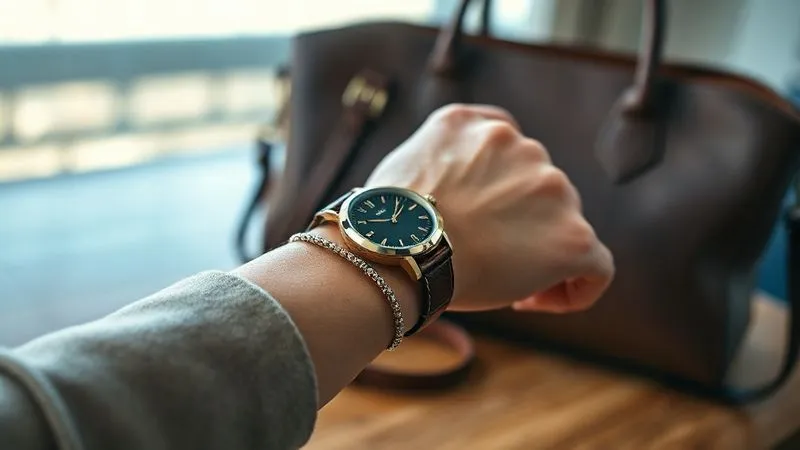
- The Power Bag: Invest in a structured, high-quality handbag in a classic color (black, navy, tan, burgundy). It should be clean-lined, functional, and project an air of professionalism. Avoid overly casual totes or bags with too much hardware.
- Elegant Watches: A classic watch, whether a sleek minimalist design or a more robust chronograph, signals punctuality and a respect for time—key leadership traits.
- Refined Jewelry: Opt for quality over quantity. A single, elegant necklace, a pair of subtle stud earrings, or a sophisticated ring can add polish. Avoid anything noisy, overly chunky, or that could be distracting.
- Sophisticated Scarves: A silk or cashmere scarf, draped artfully or tied precisely, can add a touch of color, texture, and European chic to a simple outfit, instantly elevating it.
Remember, each accessory should serve a purpose, either functional or aesthetic, and contribute to the overall message of refined authority. As Coco Chanel famously advised, "Before you leave the house, look in the mirror and take one thing off."
Footwear: Grounding Your Authority
Footwear is often overlooked but plays a crucial role in grounding your authoritative image. The wrong shoes can instantly undermine an otherwise polished outfit, while the right ones can complete and elevate it.
- Structured Flats: Think sophisticated loafers (e.g., horsebit, penny), pointed-toe flats, or elegant ballet flats in leather or suede. These offer comfort without sacrificing professionalism.
- Low to Mid Heels: Block heels, kitten heels, or elegant pumps in neutral tones or a pop of deep color add a touch of formality and stature. Ensure they are comfortable enough for long days.
- Ankle Boots: A sleek, well-maintained leather or suede ankle boot with a moderate heel can be incredibly chic and authoritative, especially when paired with tailored trousers or midi skirts.
- Avoid Overly Casual Sneakers: While some fashion-forward offices embrace stylish sneakers, for leadership roles, exercise caution. If you must wear them, choose minimalist, clean leather sneakers in pristine condition.
Always ensure your shoes are clean, polished, and in good repair. Scuffed or worn footwear can detract significantly from your overall polished image.
Color Psychology & Pattern Play for Impact
Colors and patterns are powerful communicators. Understanding their psychological impact allows you to strategically choose hues that reinforce authority and professionalism.
| Color | Perceived Impact |
|---|---|
| Navy Blue | Trustworthy, authoritative, stable, intelligent |
| Charcoal Grey | Sophisticated, serious, powerful, professional |
| Black | Formal, powerful, elegant, strong (use strategically to avoid severity) |
| White/Cream | Clean, crisp, fresh, organized (best as accents or high-quality staples) |
| Deep Green/Burgundy | Rich, confident, refined, unique (excellent accent colors) |
While bright, bold colors can express creativity, for an authoritative casual chic look, I generally advise opting for a base palette of neutrals (navy, black, grey, white, cream, camel) and then introducing richer, deeper accent colors. Patterns should be classic and understated—think fine pinstripes, subtle houndstooth, or small geometric prints. Overly busy or whimsical patterns can detract from a serious demeanor.
"Color is a powerful non-verbal cue. Choose hues that resonate with the gravitas and confidence you wish to project, not just those that are trendy."
Developing Your Leadership Style Archetype
True authority in style isn't about rigid rules; it's about understanding your personal brand and aligning your wardrobe with it. Just as there are different leadership styles, there are different ways to embody authoritative casual chic. Identifying your archetype helps you build a cohesive and authentic wardrobe that speaks to your unique leadership presence.
Case Study: Elevating Eleanor's Executive Edge
Eleanor, a brilliant Head of Marketing at a rapidly growing tech startup, approached me with a common dilemma. Her vibrant, creative energy was undeniable, but her often-colorful, flowing casual chic outfits, while stylish, weren't quite landing the gravitas she needed for investor meetings and strategic board discussions. She felt her direct reports sometimes perceived her as more 'friend' than 'leader'. Her exact words were, 'My casual chic looks too relaxed for leadership roles; how to add authority?'
We worked on a strategic shift: instead of abandoning her love for color, we channeled it. We introduced tailored, structured blazers in deep jewel tones (emerald, sapphire) over her beloved silk blouses. We swapped her soft-knit trousers for impeccably tailored wide-leg pants or dark-wash, structured jeans. Her casual canvas totes were replaced with sleek, architectural leather bags, and her trendy fashion jewelry with a few quality, minimalist pieces. The result? Eleanor maintained her creative flair but now exuded an undeniable executive polish. Her team noticed, her board responded, and she reported feeling significantly more confident commanding a room.
The Minimalist Leader
This archetype thrives on clean lines, neutral palettes, and high-quality basics. Authority is conveyed through precision, intentionality, and an uncluttered aesthetic.
- Key Pieces: Perfectly tailored trousers, pristine white shirts, cashmere sweaters, a classic trench coat, minimalist leather accessories.
- Palette: Black, white, grey, navy, camel, olive.
- Vibe: Understated power, sharp, efficient, modern.
The Creative Strategist
For those who lead with innovation and vision, this archetype allows for thoughtful pops of color, subtle patterns, and interesting textures, all anchored by structured, classic pieces.
- Key Pieces: Structured blazer in a rich color, silk blouses with unique prints, tailored wide-leg pants, elegant midi skirts, statement jewelry (one at a time).
- Palette: Neutrals with strategic infusions of jewel tones, rich earthy hues, or sophisticated pastels.
- Vibe: Inspiring, visionary, approachable yet commanding.
The Modern Classicist
This leader values timeless elegance but interprets it with a contemporary twist. Think heritage pieces updated with modern fits and styling.
- Key Pieces: Tweed blazers, well-fitting dark denim, crisp button-downs, cashmere cardigans, classic loafers, structured shift dresses.
- Palette: Traditional neutrals with occasional classic patterns like subtle plaid or houndstooth.
- Vibe: Enduring strength, reliable, sophisticated, trustworthy.
Understanding your inherent style and adapting these authoritative principles to it ensures your wardrobe feels authentic, not like a costume. Authenticity is a cornerstone of effective leadership.
Beyond the Garment: The Non-Verbal Cues of Authority
While your wardrobe is a powerful tool, it's only one component of your overall executive presence. The most impeccably dressed leader can lose gravitas if their non-verbal communication is inconsistent. True authority is a holistic package where your attire, demeanor, and self-presentation work in harmony.
Posture, Poise, and Presence
How you carry yourself speaks volumes. Confident posture immediately communicates self-assurance and command, reinforcing the message of your authoritative casual chic attire.
- Stand Tall: Shoulders back, head held high, core engaged. This projects confidence and makes you appear more decisive.
- Command Your Space: Avoid shrinking or making yourself small. Take up a reasonable amount of space, whether standing or sitting.
- Intentional Movements: Move with purpose and deliberation. Avoid fidgeting or jerky movements, which can signal nervousness or lack of control.
- Eye Contact: Maintain appropriate and consistent eye contact. It conveys sincerity, engagement, and confidence.
As leadership expert Simon Sinek often discusses, how you make others feel is crucial. Your presence, amplified by your attire, contributes significantly to that feeling. For more on this, read about improving your non-verbal communication skills.

Grooming & Personal Presentation
Even the most casual chic outfit needs to be underpinned by impeccable grooming. This signals respect for yourself, your role, and the people you interact with. It's the ultimate finishing touch that ties everything together.
- Hair: Keep hair clean, styled, and out of your face. A neat ponytail, a sleek bob, or well-managed long hair all contribute to a polished look.
- Makeup: Opt for a natural, polished makeup look that enhances your features without being distracting. A little goes a long way in conveying put-togetherness.
- Nails: Manicured nails, whether polished in a neutral shade or simply clean and neatly trimmed, are a must.
- Fragrance: Use a subtle, professional fragrance. Overpowering scents can be distracting.
- Ironed Clothes: Even casual items should be wrinkle-free. A crisp garment speaks volumes about your attention to detail.
These seemingly small details collectively create an impression of meticulousness and professionalism, reinforcing your leadership authority. Building a strong personal brand includes all these elements.
Common Pitfalls and How to Avoid Them
Even with the best intentions, it's easy to stumble when trying to balance casual chic with leadership authority. Recognizing common mistakes is the first step to avoiding them and ensuring your style consistently serves your professional goals.
Over-Accessorizing vs. Understated Elegance
A frequent error is believing 'more is more' when it comes to accessories. While statement pieces are important, too many can quickly cross the line from elegant to distracting. The goal is refinement, not excess.
- Pitfall: Wearing multiple chunky necklaces, several bracelets, large earrings, and a busy scarf all at once.
- Solution: Choose one or two focal points. If you wear a bold necklace, keep earrings subtle. If you have a statement bag, let it shine without competing jewelry. Understated elegance always wins in leadership.
Ignoring the Occasion: Context is King
Casual chic is versatile, but it's not a one-size-fits-all solution. What's appropriate for a team brainstorming session might be entirely unsuitable for a high-stakes client presentation or a formal industry event.
- Pitfall: Wearing the same casual chic outfit to all professional engagements, regardless of formality.
- Solution: Always consider the audience, the environment, and the purpose of the meeting. Gauge the corporate culture. When in doubt, it's better to be slightly overdressed than underdressed. A tailored blazer can easily be added or removed to adjust formality.
The 'Too Trendy' Trap
While staying current is good, chasing every fleeting trend can make your wardrobe look less cohesive and, paradoxically, less authoritative. Leadership style should feel enduring, not ephemeral.
- Pitfall: Filling your wardrobe with fast-fashion, highly trendy items that quickly become outdated or appear unprofessional.
- Solution: Build your core wardrobe with timeless, high-quality pieces (the pillars we discussed). Incorporate trends subtly through accessories, a single statement piece, or modern cuts of classic items. This shows you're current without being a fashion victim.
By being mindful of these common missteps, you can ensure your casual chic remains a powerful asset, consistently reinforcing your leadership presence.
Building a Versatile Wardrobe for the Ascending Leader
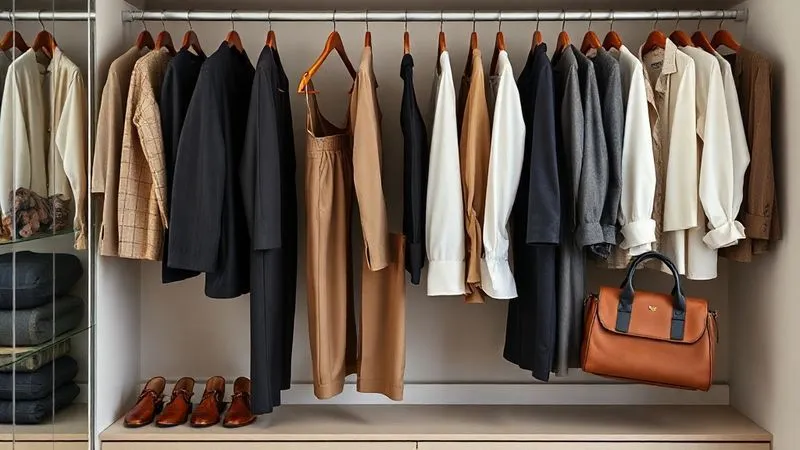
To effectively address the concern, 'My casual chic looks too relaxed for leadership roles; how to add authority?', it’s essential to cultivate a versatile wardrobe. This isn't about buying more, but about investing in key pieces that can be mixed, matched, and layered to create numerous authoritative casual chic ensembles.
Essential Investment Pieces
These are the foundational items that will form the backbone of your leadership wardrobe. Choose the best quality you can afford, as they will be the workhorses of your style.
- The Perfect Blazer: A well-tailored blazer in navy, charcoal, or black.
- High-Quality Trousers: At least two pairs of impeccably fitting trousers (e.g., tailored wide-leg, slim-fit ankle pants) in neutral colors.
- Dark-Wash, Structured Jeans: A pair of dark, clean-wash jeans with minimal distressing, perfect for elevated casual days.
- Silk or Viscose Blouses: Several versatile blouses in solid colors or subtle prints.
- Cashmere or Fine-Knit Sweaters: For layering and warmth, choose crew neck or V-neck styles.
- Structured Midi Skirt: An A-line or pencil midi skirt in a substantial fabric.
- Classic White Shirt: A crisp, well-fitting cotton poplin or linen shirt.
- Quality Footwear: A pair of sophisticated loafers, elegant pumps, and sleek ankle boots.
- Structured Handbag: A professional leather bag that holds its shape.
The Power of Layering
Layering is a powerful styling technique for casual chic, allowing you to adapt to different environments and add depth and formality to an outfit. A simple base can be transformed with the right layers.
- Start with a quality basic (e.g., a silk camisole or fine-gauge knit).
- Add a crisp shirt or a lightweight sweater.
- Top with a structured blazer, a longline vest, or a chic trench coat.
- Use scarves or statement jewelry as the final touch.
| Item | Versatility Score (1-5) | Authority Impact | Notes |
|---|---|---|---|
| Tailored Blazer | 5 | High | Instant polish, structure, adaptable |
| Dark Wash Jeans | 4 | Medium-High | Casual base, elevated with structure |
| Silk Blouse | 4 | High | Luxurious fabric, drapes well, refined |
| Structured Handbag | 5 | High | Adds professionalism and organization |
| Loafers/Pumps | 5 | High | Polished footwear, comfortable and chic |
By strategically building your wardrobe with these investment pieces and mastering the art of layering, you create a dynamic and authoritative collection that effortlessly projects leadership in any casual chic scenario.
Frequently Asked Questions (FAQ)
Q: Can I really wear jeans in a leadership role and still look authoritative? A: Absolutely, but it's about the right jeans and how you style them. Opt for dark-wash, structured, impeccably fitting jeans with no distressing or fading. Pair them with a tailored blazer, a silk blouse, and sophisticated footwear like loafers or block heels. The key is to balance the casualness of the denim with formal elements from the other pieces.
Q: What are the best colors to project authority in a casual chic wardrobe? A: While personal preference matters, colors like navy blue, charcoal grey, deep burgundy, and forest green inherently carry more gravitas than lighter pastels or very bright hues. Black is powerful but can be severe; use it strategically. White and cream are excellent for crisp blouses or structured outerwear. The overall palette should feel rich and intentional.
Q: How do I ensure my casual chic doesn't look like I'm trying too hard? A: The 'effortless' part of casual chic is crucial. It comes down to fit, quality, and restraint. Invest in fewer, better pieces that fit perfectly. Avoid too many trends or excessive accessories. The goal is to look polished and put-together, not overly styled. Confidence in your choices also plays a huge role.
Q: Are sneakers ever acceptable for a female leader in a casual chic setting? A: In certain, more relaxed creative or tech industries, yes, but with strict caveats. Choose minimalist, clean leather sneakers (e.g., white or black). They must be pristine—no scuffs or dirt. Pair them with tailored trousers or a structured midi skirt, and always balance with a structured top like a blazer or a crisp shirt. They should be an intentional style choice, not an afterthought.
Q: What's the biggest mistake women make when trying to add authority to casual chic? A: The biggest mistake I've observed is neglecting the 'structure' element. Casual chic often leans into soft, flowing fabrics and relaxed silhouettes. Without incorporating structured pieces—like a tailored blazer, a crisp shirt, or well-cut trousers—the look can quickly become too informal. Structure provides the backbone that signals professionalism and command.
Key Takeaways and Final Thoughts
Navigating the intersection of casual chic and leadership authority is a nuanced art, but it's entirely achievable with intention and strategic choices. My extensive experience in womenswear has shown me that the power of your professional image lies not in rigid adherence to old rules, but in a thoughtful application of timeless principles. When you find yourself asking, 'My casual chic looks too relaxed for leadership roles; how to add authority?', remember these core tenets:
- Prioritize Structure: Integrate tailored blazers, structured outerwear, and well-cut bottoms to convey strength and organization.
- Invest in Quality Fabrics: Choose natural, substantial materials that speak to discernment and attention to detail.
- Demand a Perfect Fit: Utilize tailoring to ensure every garment flatters your form and projects precision.
- Strategize Accessories: Select high-quality, impactful accessories that add polish without overwhelming.
- Master Your Archetype: Align your style choices with your unique leadership persona for authentic authority.
- Embrace Non-Verbal Cues: Complement your attire with confident posture, poise, and impeccable grooming.
- Avoid Common Pitfalls: Be mindful of over-accessorizing, ignoring context, and chasing fleeting trends.
Your wardrobe is a powerful, silent ally in your leadership journey. By consciously evolving your casual chic to incorporate elements of authority, you're not just changing your clothes; you're reinforcing your presence, enhancing your credibility, and stepping more fully into the powerful leader you are destined to be. Dress not just for the role you have, but for the role you aspire to, and watch as your influence expands.
Recommended Reading
- Luxury Brands: 7 Strategies to Halt Client Churn After Price Hikes
- Gen Z & 90s Nostalgia: 7 Ways to Market Your Retro Brand Effectively
- Sportswear Streetwear Style Mix: The Ultimate Fashion Fusion?
- Mastering Authentication: How to Spot Fake Limited Edition Sneakers
- 7 Steps: Accurately Pricing Rare 70s Vintage Fashion for Max Profit?


Your email address will not be published. Required fields are marked *