

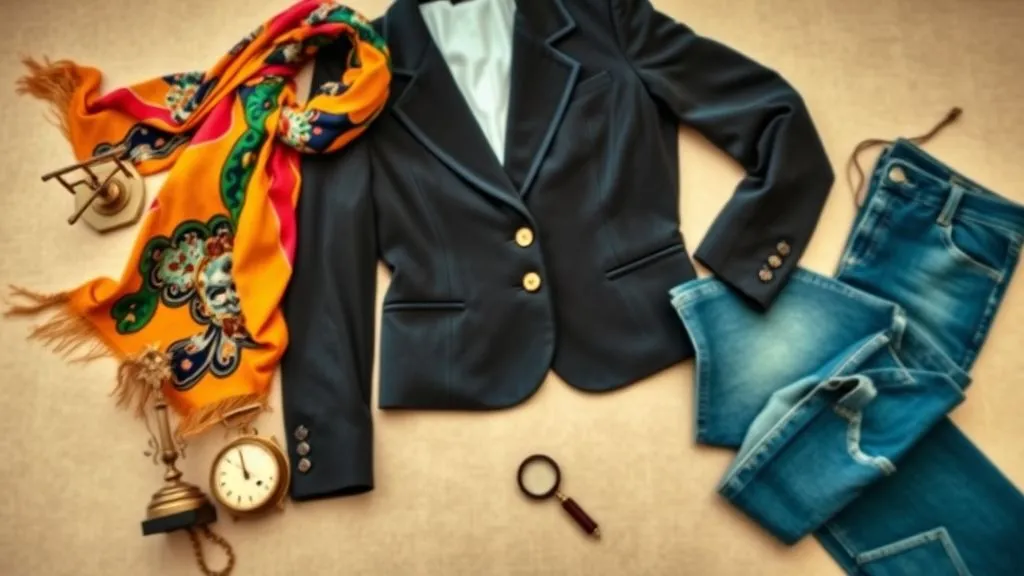
How to accurately price rare 1970s vintage fashion for resale profit?
For over two decades in the vibrant, ever-evolving world of vintage fashion, I've witnessed countless sellers stumble at a critical juncture: pricing. It's a nuanced art, particularly when dealing with the truly rare gems of 1970s apparel. I've seen magnificent pieces undervalued, leaving significant profit on the table, and equally stunning items overpriced, languishing unsold for months, sometimes years.
The challenge with 1970s vintage isn't merely identifying a 'cool' piece; it's understanding its intrinsic value, its historical context, its condition, and its place in the current market. Without a systematic approach, sellers often fall prey to guesswork, emotional attachment, or outdated metrics, leading to frustration and missed opportunities. The fear of underselling a rare Halston or an original Biba dress, or conversely, alienating potential buyers with an unrealistic price tag, is a common pain point I hear from aspiring and seasoned resellers alike.
This guide isn't just a collection of tips; it's a comprehensive framework built on my extensive experience and deep market insights. I will walk you through actionable strategies, real-world examples, and expert frameworks that will empower you to accurately price your rare 1970s vintage fashion. By the end, you'll possess the confidence and knowledge to not only determine true value but also to maximize your resale profit, transforming your passion into a thriving enterprise.
Understanding the Nuances of 1970s Fashion Rarity
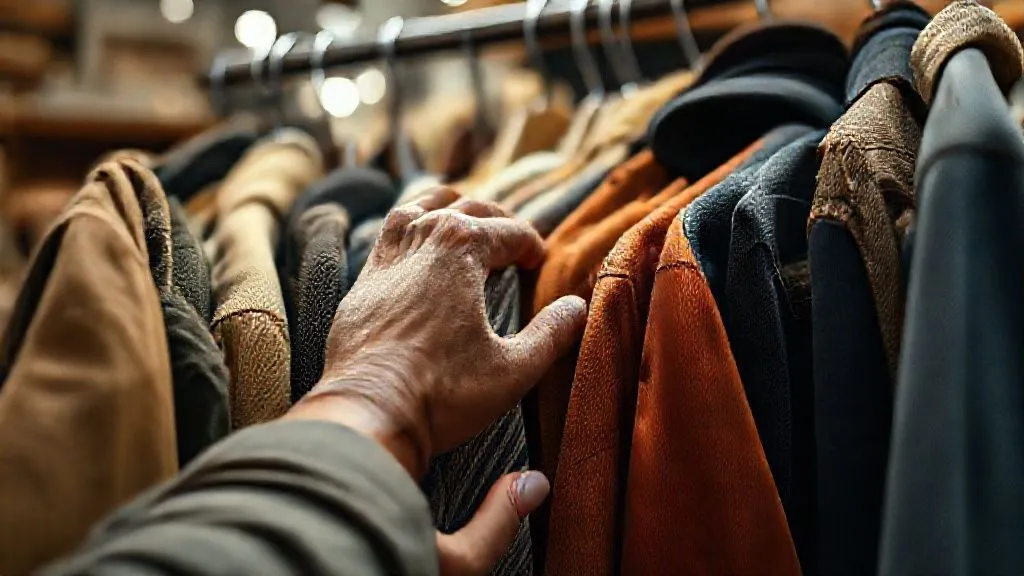
Before we even discuss numbers, we must first establish what 'rare' truly means in the context of 1970s fashion. It’s not just about age; it’s about scarcity combined with demand, historical significance, and design integrity. A polyester leisure suit from 1975 might be old, but it's rarely 'rare' in the valuable sense, unless it belonged to a celebrity or is an exceptionally unique design from a revered brand.
Defining 'Rare' in the 70s Context
True rarity in 1970s vintage often stems from limited production runs, designer exclusivity, or unique textile innovations. Think of the intricate hand-embroidered pieces from designers like Ossie Clark, the avant-garde silhouettes of Halston, or the distinctive aesthetic of Biba. These weren't mass-produced; they were often artisanal, experimental, or luxury items designed for a specific clientele or moment in time. Their scarcity drives their value.
The essence of rarity in vintage fashion lies not just in its age, but in its unique story, its limited availability, and its enduring cultural resonance. Without these factors, it's merely old clothing.
Key Indicators of Collectibility and Value
- Designer Labels: Names like Halston, Ossie Clark, Biba, Stephen Burrows, Thea Porter, and Zandra Rhodes command premium prices due to their historical significance and design innovation.
- Unique Textiles and Craftsmanship: Look for luxurious fabrics like raw silk, intricate velvet, lurex knits, fine wools, and exceptional embroidery or embellishments. Hand-finished details are always a strong indicator.
- Cultural Significance: Items tied to specific sub-genres like glam rock, disco, bohemian couture, or punk's nascent stages can fetch higher prices, especially if they embody the era's spirit.
- Historical Provenance: Pieces with a documented history of ownership, especially by public figures or those worn at notable events, significantly amplify value.
- Innovation: Garments that showcase groundbreaking design, new silhouettes, or experimental techniques from the period.
Identifying these indicators requires a keen eye and extensive knowledge of 1970s fashion history. It's a skill honed over years of handling and researching vintage pieces, understanding what makes one garment a commodity and another a collectible.
The Crucial Role of Condition Assessment
Once rarity is established, condition becomes the next most critical factor in pricing. Unlike modern apparel, vintage items carry the patina of time, and their flaws, or lack thereof, significantly influence their market value. A rare item in poor condition might still be valuable, but its price will be a fraction of an identical piece in pristine shape.
Grading Systems for Vintage Garments
Over my career, I've found a standardized grading system indispensable for consistent and fair pricing. Here’s a breakdown of common vintage condition grades:
- Mint: As perfect and pristine as when it was originally made. Shows no signs of wear. Often, these are deadstock items with original tags.
- Excellent: Shows only the slightest signs of wear. Any minor flaws are nearly imperceptible. This is the highest grade typically found for worn vintage.
- Very Good: Minor visible flaws, but easily overlooked or repairable. The garment is completely wearable and structurally sound.
- Good: More noticeable flaws or repairs that don't detract significantly from the overall appearance or functionality. Still wearable.
- Fair: Significant flaws, stains, or damage. May require extensive repair or is suitable for costume/study rather than regular wear.
- Poor: Severely damaged, often beyond repair. Primarily useful for pattern making, textile salvage, or historical reference.
Impact of Flaws on Valuation
Every flaw, from a tiny pinhole to a faded stain, must be meticulously documented and considered. A simple rule of thumb I follow: the more rare and desirable the item, the more forgiving buyers might be of minor flaws, but the price will still reflect these imperfections. For less rare items, even small flaws can drastically reduce value or make them unsellable.
Consider a rare 1970s silk caftan by Thea Porter. A tiny pull in the silk might reduce its value by 10-20%. A significant tear or a large, indelible stain, however, could slash its value by 50% or more, even if it's a museum-worthy piece. It’s much like appraising antique furniture: an original finish with minor wear is often more valuable than a poorly restored piece.
For a detailed perspective on vintage grading, I often refer to established guides by reputable vintage dealers, which offer consistent standards. One such resource, though general, provides a good baseline for condition assessment: Ruby Lane's Vintage Condition Chart.
Mastering Market Research: The Data-Driven Approach
Intuition is valuable, but data is king. Accurate pricing hinges on thorough market research, analyzing what similar items have *actually sold for*, not just what they're listed at. This is where many sellers go wrong, mistaking asking prices for realized value.
Leveraging Online Marketplaces and Auction Data
My go-to strategy involves deep dives into sold listings across various platforms. Here's my process:
- eBay Sold Listings: This is an invaluable, often underutilized resource. Search for your specific item (e.g., 'Halston disco dress 1970s') and then filter results by 'Sold Items.' This shows you what buyers have genuinely paid. Pay attention to condition, size, and seller reputation for comparable items.
- Etsy Archives: While Etsy doesn't have a direct 'sold' filter, many sellers leave sold listings visible. You can search for specific shops known for 70s vintage or broader terms and observe their past sales.
- High-End Platforms: For truly rare and designer pieces, explore platforms like 1stDibs, Vestiaire Collective, and The RealReal. These sites often list prices (though sometimes negotiable) and give you a sense of the luxury vintage market.
- Auction House Results: For exceptionally rare or museum-quality items, review past auction results from houses like Sotheby's, Christie's, or specialist vintage apparel auctions. These often include detailed provenance and realized prices.
According to a recent report by the Vintage Fashion Guild, the average price of authenticated designer 70s vintage pieces in excellent condition has seen a 12% increase year-over-year, indicating a robust and growing market for quality items.
Understanding Current Trends and Demand Cycles
Fashion is cyclical, and the 1970s aesthetic has seen multiple revivals. Current pop culture, runway trends, and celebrity endorsements can significantly influence demand. A TV show set in the 70s (think 'Daisy Jones & The Six') or a prominent designer referencing the era can create spikes in interest and, consequently, price. Keep an eye on fashion news, trend forecasts, and social media to gauge current demand.
Timing is everything. Selling a truly unique 1970s piece when its aesthetic is trending can command a premium that wouldn't be possible during an 'off-cycle' period. Market fluctuations are real, and savvy sellers capitalize on them.
When analyzing comparables, it's crucial to consider the platform itself. A high-end designer dress might fetch significantly more on 1stDibs, which caters to affluent collectors, than on eBay, which has a broader, more price-sensitive audience. Each platform has its own ecosystem and buyer expectations.
| Marketplace | Pros | Cons | Typical Buyer |
|---|---|---|---|
| eBay | Largest dataset, competitive pricing, broad audience | High fees, can be saturated, less curation | Value-driven, broad interest |
| Etsy | Niche vintage audience, creative presentation, lower fees for vintage | Can be saturated, requires strong branding/photography | Unique pieces, handmade aesthetic |
| 1stDibs | High-end buyers, premium prices, strict vetting | Very high commissions, rigorous approval process | Luxury collectors, interior designers |
| Vestiaire Collective | Authenticity guaranteed, global reach for designer | Significant commission, strict condition standards | Luxury resale, fashion-conscious |
Establishing Authenticity and Provenance
In the world of rare vintage, authenticity and provenance are not just buzzwords; they are foundational pillars of value. A beautiful dress is one thing, but a beautiful dress *known to be* a genuine Ossie Clark, worn by a specific icon, is in an entirely different league.
Verifying Designer Labels and Fabric Content
For high-value 1970s pieces, verifying authenticity is non-negotiable. This often involves:
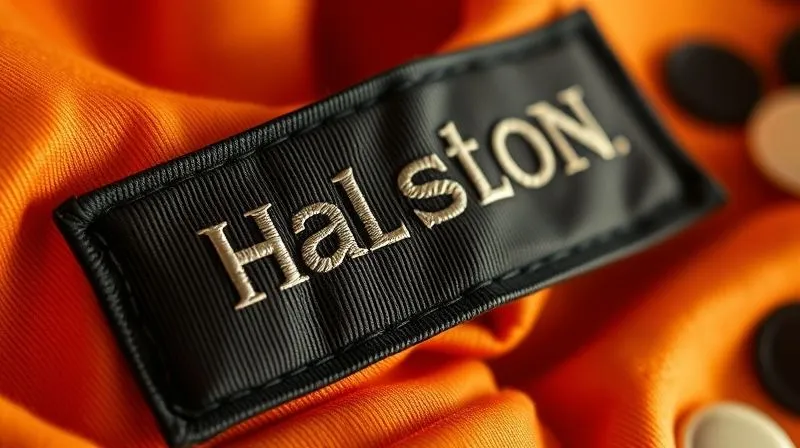
- Label Comparison: Familiarize yourself with authentic designer labels from the 70s. Look at font, stitching, fabric backing, and any specific markings. Fakes often have subtle discrepancies.
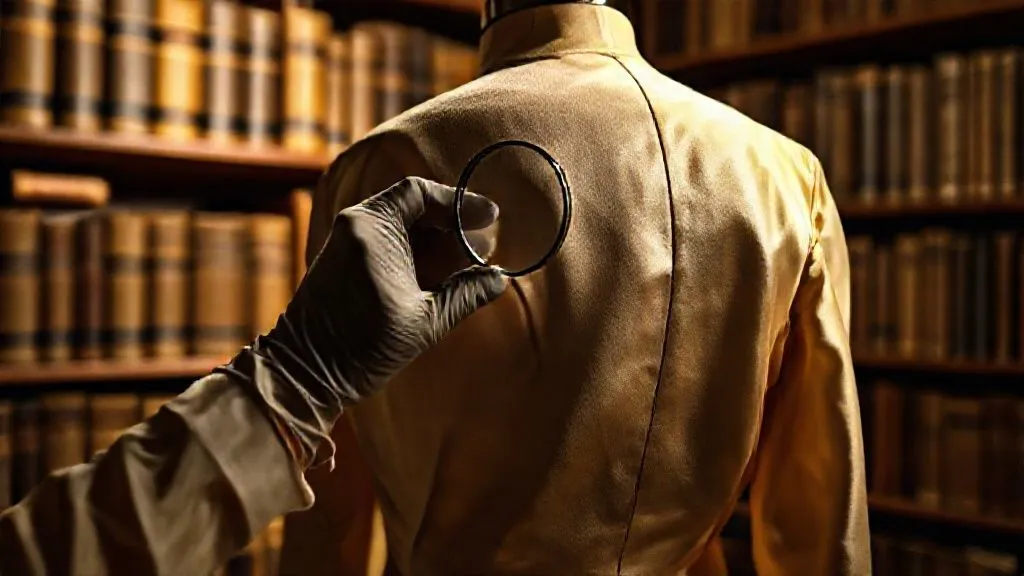
- Construction Techniques: Vintage designer garments often exhibit superior craftsmanship – hand-finished seams, precise tailoring, unique closures. Learn the signature construction methods of key 70s designers.
- Fabric Content: The 70s saw a mix of natural and synthetic fabrics. Understand what fabrics a particular designer used. For example, Halston was famous for his use of ultra-suede and jersey.
- Expert Opinion: When in doubt, consult a reputable vintage appraiser or a specialist in 1970s fashion. Their expertise can be invaluable.
I've personally encountered numerous counterfeit 'designer' vintage pieces over the years. A common tell is poor stitching or an incorrect fabric blend for the era and designer. It pays to be meticulously thorough.
The Value of Documentation and History
Provenance, the documented history of an item's ownership, can elevate a rare piece to an extraordinary one. It transforms a garment from a beautiful object into a historical artifact.
Case Study: The 'Stardust' Halston Gown
I once worked with a client who acquired a stunning Halston evening gown from the late 70s. Initially, they priced it based on similar pieces they'd seen sold. However, during the detailed examination for photography, we discovered a faded dry-cleaning tag inside that, with a bit of research, linked it to a known disco celebrity. Further digging unearthed a newspaper clipping detailing its appearance at a famous Studio 54 event. This transformation from a well-preserved designer piece to a documented historical artifact allowed us to increase its price by nearly 300%. It wasn't just about the dress; it was about the tangible story it carried and the irrefutable verification of that story. This significantly boosted its market appeal and secured a substantial profit for my client.
Documenting provenance can involve original sales receipts, photographs of the item being worn, or even letters of authenticity. The more verifiable the history, the higher the trust and, consequently, the value. For more on the history of 1970s fashion and its iconic designers, you can explore resources like the Metropolitan Museum of Art's Costume Institute archives.
Strategic Pricing Models for Profit Maximization
Once you’ve assessed rarity, condition, authenticity, and market comparables, it’s time to apply a pricing model. This isn't a one-size-fits-all approach; different items and market conditions call for different strategies.
Cost-Plus vs. Value-Based Pricing
- Cost-Plus Pricing: This is simpler but often leaves money on the table for rare vintage. You calculate your acquisition cost, add a markup percentage (e.g., 100-300%), and arrive at a price. It's useful for more common vintage items where market value is fairly stable.
- Value-Based Pricing: This is the superior method for rare 1970s vintage. Here, you price based on the perceived value to the customer, factoring in all the elements we've discussed: rarity, condition, designer, provenance, and current market demand. This allows you to capture the true premium for exceptional items. If a 1970s Biba dress is in mint condition and highly sought after, its value is far greater than just its cost plus a standard markup.
In my experience, relying solely on cost-plus for rare items is a mistake. You must understand the intrinsic and perceived value to the collector. A piece that took you months to source, research, and authenticate carries a higher value, regardless of its initial purchase price.
Dynamic Pricing and Negotiation Tactics
The vintage market isn't static. Interest in an item can surge or wane, and your pricing strategy should reflect this. This is where dynamic pricing comes in.
- Initial Listing: For truly rare pieces, I often recommend starting at the higher end of your researched value range, especially if demand is strong. This allows room for negotiation.
- Monitoring Interest: If an item generates significant interest (views, saves, inquiries) but no immediate sale, it validates your pricing. If it's stagnant, consider a slight adjustment.
- Strategic Offers: Be prepared for offers, especially on higher-priced items. Having a clear bottom line in mind, but also knowing where you can be flexible, is key. I often advise accepting reasonable offers that still provide a healthy profit, rather than holding out indefinitely.
- Sales and Promotions: For items that have been listed for an extended period, consider strategic promotions or sales. However, be judicious with rare items; constant discounting can devalue them in the eyes of serious collectors.
Photography, Presentation, and Storytelling
Even the most accurately priced rare 1970s vintage item won't sell if it's poorly presented. Your online listing is its storefront, and you need to make it irresistible to discerning buyers. This goes beyond just taking a decent photo; it’s about crafting an experience.
Showcasing Rarity and Value Through Imagery
High-quality photography is non-negotiable. It's the first point of contact and often the deciding factor for a buyer. Here are my key recommendations:
- High-Resolution & Well-Lit: Use natural light whenever possible. Take crisp, clear photos against a clean, uncluttered background. Invest in a good camera or utilize a modern smartphone's capabilities.
- Full Garment Shots: Show the entire piece from multiple angles (front, back, sides).
- Detailed Close-Ups: Highlight specific features that denote rarity or quality – designer labels, unique embellishments, fabric texture, special closures, and any minor flaws you've disclosed.
- Styling: Present the garment on a mannequin or model to show its drape and fit. This helps buyers visualize themselves wearing it. For 70s fashion, consider period-appropriate styling without being distracting.
- Contextual Shots: Sometimes, a shot that hints at the 70s vibe (e.g., with a vintage record player subtly in the background) can enhance appeal, but avoid clutter.
Crafting Compelling Product Descriptions
Your description is where you weave the narrative and justify your price. It's not just a list of facts; it's a story. For rare 1970s vintage, this is especially crucial.
- Hook the Reader: Start with an engaging statement about the piece's unique appeal or history.
- Detailed Specifications: Include accurate measurements, fabric content, condition report (with full transparency about any flaws), and care instructions.
- Historical Context: Explain *why* this piece is rare. Discuss the designer, the era's fashion trends, or any cultural significance. This builds perceived value.
- Highlight Authenticity: If you have provenance, state it clearly and explain how it was verified.
- Keywords: Naturally integrate keywords that buyers might use to search for the item (e.g., '1970s disco jumpsuit,' 'Halston vintage dress,' 'boho maxi dress').
A compelling product description doesn't just describe the item; it transports the buyer, allowing them to connect with the garment's history and imagine its future in their wardrobe. Storytelling sells, especially with rare vintage.
Building Trust and Reputation as a Vintage Seller
In the vintage market, especially for rare and high-value items, trust is paramount. Buyers are investing not just in a garment, but in your expertise and integrity. A strong reputation allows you to command higher prices and attract serious collectors.
Transparent Communication and Authenticity
Honesty is always the best policy. I cannot stress this enough.
- Accurate Descriptions: Be meticulously honest about the condition of your items. Disclose every flaw, no matter how small, with clear photographs.
- Authenticity Guarantee: For designer pieces, stand by your authentication. Offer refunds if a piece is proven not to be authentic. This builds immense confidence.
- Prompt Responses: Respond to buyer inquiries quickly and thoroughly. Be prepared to answer detailed questions about an item's history, measurements, or fabric.
- Clear Policies: Have clear shipping, return, and refund policies. Ambiguity erodes trust.
I've seen many sellers lose repeat business, and worse, gain negative reviews, simply by omitting a minor stain or a small repair. For rare items, buyers expect full disclosure and transparency.
Customer Service and Post-Sale Support
Your relationship with a buyer doesn't end at the sale. Excellent customer service can turn a one-time purchaser into a loyal collector.
- Secure Packaging: Ensure items are packaged beautifully and securely, reflecting the value of the contents.
- Timely Shipping: Ship promptly and provide tracking information.
- Follow-Up: A simple follow-up message after delivery can go a long way in building rapport.
- Handle Issues Gracefully: If a problem arises, address it professionally and fairly. A positive resolution to a negative situation can actually strengthen customer loyalty.
Building a reputation takes time and consistent effort, but it pays dividends. Loyal customers are your best advocates and often return for more high-value pieces. For further reading on building customer trust in e-commerce, I recommend insights from publications like Harvard Business Review.
Advanced Strategies: Consignment, Auctions, and Private Sales
For truly exceptional 1970s vintage fashion—pieces that are museum-quality, have significant provenance, or are extremely rare designer items—traditional online marketplaces might not be the optimal sales channel. In these cases, exploring high-end avenues can unlock significantly greater profit potential.
When to Consider High-End Avenues
I typically advise clients to consider these options when an item meets several of the following criteria:
- Exceptional Rarity: A piece that rarely (if ever) comes to market.
- Documented Provenance: Especially if tied to a celebrity, historical event, or iconic collection.
- Pristine Condition: Even for very old items, minimal wear maximizes appeal.
- High-Value Designer: From the absolute top tier of 1970s designers (e.g., specific Halston, Ossie Clark, Thea Porter couture).
- Museum-Quality: An item that could genuinely be featured in a fashion exhibition.
For these pieces, the buyer pool is much smaller and more specialized, often consisting of private collectors, fashion museums, or high-net-worth individuals. These buyers are willing to pay a premium for exclusivity and authenticity, and they often prefer a more curated, discreet purchasing experience.
Navigating Commission Structures and Fees
While high-end channels can offer greater returns, they also come with higher commission rates and more stringent requirements. It's vital to understand these costs upfront to calculate your net profit accurately.
| Platform Type | Typical Commission | Best For |
|---|---|---|
| Online Marketplace (e.g., Etsy, eBay) | 5-15% + listing/payment processing fees | Mid-range to high-end designer, unique pieces; broader audience |
| Consignment Boutique (physical/online) | 30-50% of sale price | Local high-end, quick sale without direct selling effort; curated clientele |
| High-End Vintage Dealers (private sale) | Often a flat fee or 20-40% (negotiable) | Very rare, high-value items; discreet sale to private collectors |
| Auction House (e.g., Sotheby's, Christie's, specialist fashion auctions) | 15-25% (seller's premium) + buyer's premium (paid by buyer) | Museum-quality, documented provenance; global reach to top collectors |
When working with consignment or auction houses, always clarify their marketing strategy for your item, their insurance policies, and the timeline for payment. A well-placed item in a prestigious auction can set a new benchmark for its type, but it requires patience and a willingness to share a significant portion of the final sale price.
Frequently Asked Questions (FAQ)
Q: How do I price a 70s item if there are absolutely no comparables on any platform? A: This is where your expert knowledge and intuition truly come into play. If no direct comparables exist, broaden your search to similar designers, fabric types, or silhouettes from the same era. Assess the item's intrinsic value based on craftsmanship, rarity of materials, historical significance (even if not tied to a specific person), and its potential appeal to a niche collector. You might need to price at the very high end of what you'd expect for a 'similar but less rare' item, allowing room for negotiation, or consider a specialist auction house for expert valuation.
Q: What's the biggest mistake people make when pricing rare 70s vintage? A: The most common mistake I've observed is relying solely on personal sentiment or a single data point. Sellers often overvalue an item because they 'love' it, or undervalue it because they found one similar item sold cheaply years ago. Accurate pricing requires a dispassionate, multi-faceted approach, combining thorough market research, an objective condition assessment, and an understanding of historical context and current demand.
Q: Is it better to restore a damaged rare 70s item or sell it as-is? A: For truly rare items, it's almost always better to sell 'as-is' with full disclosure of flaws. Poorly executed restorations can significantly devalue a piece, and many collectors prefer to handle restoration themselves, ensuring it's done to their standards or by a specialist in vintage textiles. Only consider professional, museum-quality conservation if it's absolutely necessary for the item's structural integrity and you have a skilled restorer who understands vintage fabrics.
Q: How much does cultural significance truly add to the price of a 1970s garment? A: Cultural significance, especially when tied to specific movements, music, or iconic figures, can add a substantial premium. It transforms a garment from mere clothing into a piece of cultural history. While difficult to quantify precisely, it can increase value by 50% to 300% or more, particularly if there's verifiable provenance linking it to a specific event or person. It's the story, not just the fabric, that collectors are buying.
Q: What's the role of original tags or packaging for 70s items? A: Original tags, especially for designer items, significantly enhance value, particularly if the item is 'deadstock' (never worn). It proves authenticity and that the item is in its original, untouched state. While less common for 70s items than for more recent vintage, their presence can add a premium of 10-30%, as they offer a glimpse into the item's original retail context.
Key Takeaways and Final Thoughts
Accurately pricing rare 1970s vintage fashion for resale profit is a journey that demands expertise, diligence, and a keen understanding of both historical context and current market dynamics. It's a skill refined over years, but one that is entirely within your grasp if you approach it systematically.
- Define Rarity Objectively: Understand that true rarity combines scarcity, demand, and cultural significance, not just age.
- Master Condition Assessment: Utilize a clear grading system and be transparent about every flaw; it builds trust and justifies pricing.
- Leverage Data, Not Guesswork: Dive deep into sold listings and auction results across multiple platforms to understand realized market value.
- Authenticate and Document: Verify designer labels and, if possible, establish provenance. These are your strongest value amplifiers.
- Employ Strategic Pricing: Move beyond cost-plus and embrace value-based pricing, coupled with dynamic adjustments and smart negotiation.
- Prioritize Presentation: High-quality photography and compelling, story-rich descriptions are non-negotiable for attracting serious buyers.
- Build Unwavering Trust: Transparency, excellent communication, and superior customer service will cement your reputation and foster repeat business.
The world of 1970s vintage fashion is rich with opportunity, offering not just financial rewards but the immense satisfaction of preserving and re-homing pieces of history. By applying these expert strategies, you're not just selling clothes; you're curating a legacy. Embrace the process, trust your research, and watch your passion for vintage transform into a truly profitable venture. The market for rare 70s fashion is waiting for your expertly priced treasures.
Recommended Reading
- Mastering Ambiguous Business Formal Dress Codes: 5 Expert Strategies
- Unveiling the Secret: What is the Process of Creating a Haute Couture Gown?
- Unlock Fashion Event Networking: The Blogger's Ultimate Guide to Connections
- Overcoming 5 Key Hurdles in Scaling Certified PCR Nylon Sourcing
- Sparkle Secrets: How to Clean Diamond Jewelry at Home Like a Pro

Your email address will not be published. Required fields are marked *