

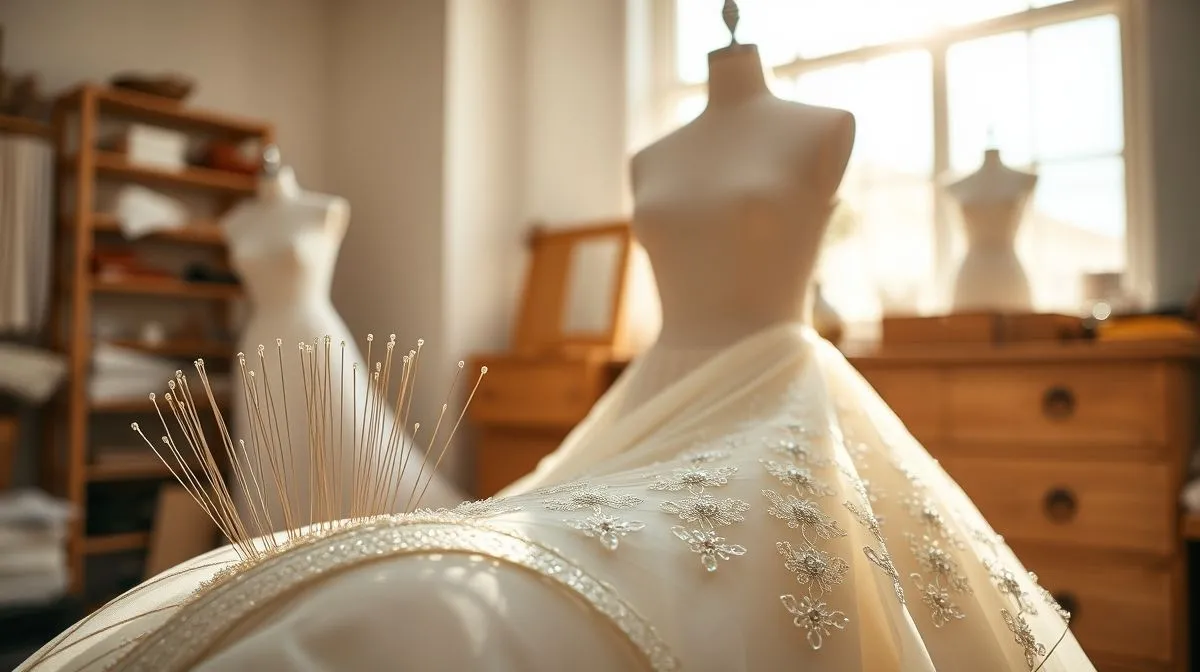
What is the Process of Creating a Haute Couture Gown?
Imagine a garment that whispers tales of unparalleled artistry, where every stitch is a testament to human skill and every bead shimmers with hours of dedication. These are not mere clothes; they are wearable dreams, born from the hands of master artisans. But have you ever paused to truly consider the journey of such a creation, from a fleeting idea to a breathtaking reality?
In a world increasingly dominated by fast fashion and fleeting trends, the realm of haute couture stands as a bastion of tradition, quality, and supreme exclusivity. It's a world shrouded in a certain mystique, prompting many to ask: what hidden rituals, what painstaking efforts, and what profound expertise go into crafting these iconic pieces?
This article aims to demystify that very question. We will embark on an immersive journey, meticulously detailing the intricate and often awe-inspiring process of creating a haute couture gown. From the initial spark of inspiration to the final, perfect fit, you will gain an unprecedented understanding of the dedication, skill, and passion that define this pinnacle of fashion.
The Genesis: From Concept to Sketch
Every haute couture gown begins not with fabric or thread, but with an idea – a whisper of inspiration that takes root in the designer's mind. This initial phase is crucial, setting the entire trajectory for the masterpiece to come.
Inspiration and Vision
A couturier's inspiration can spring from myriad sources: a painting, a historical period, a natural phenomenon, a piece of music, or even a profound emotion. It is a highly personal and intuitive process. The designer doesn't just sketch; they conceptualize an entire narrative, a mood, and a silhouette that will define the collection. This vision is deeply personal, often reflecting the designer's unique artistic signature.
This early stage involves extensive research, delving into archives, exploring textures, and even traveling to find unique materials or cultural influences. The goal is to create something truly novel and emotionally resonant, pushing the boundaries of design while respecting the heritage of couture.
The Initial Sketch and Design Brief
Once the vision solidifies, it is translated into a series of detailed sketches. These are not just fashion illustrations; they are technical drawings that communicate the gown's structure, proportions, and intricate details. Multiple sketches are often created, exploring different angles and variations, until the perfect expression of the initial concept emerges.
Alongside the sketches, a comprehensive design brief is developed. This document outlines the specific requirements, chosen fabrics, embellishment techniques, and the overall aesthetic. It serves as the guiding blueprint for the entire atelier, ensuring that every artisan involved understands the designer's precise intent.
The Meticulous Art of Fabric Selection and Sourcing
Unlike ready-to-wear, where fabrics are often chosen for cost-efficiency or mass production, haute couture demands the absolute finest materials. The selection process is an art in itself, requiring an intimate knowledge of textiles and a global network of specialized suppliers.
Beyond Luxury: The Right Material
The choice of fabric is paramount, as it dictates the gown's drape, movement, and overall feel. Couturiers source rare silks, exquisite laces, fine wools, and unique blends from specialized mills, often in limited quantities. These fabrics are chosen not just for their beauty, but for their ability to hold shape, take dye, and respond to intricate handwork.
For instance, a particular silk organza might be selected for its ethereal transparency, while a heavy brocade is chosen for its structural integrity and opulent texture. The fabric must align perfectly with the designer's vision, becoming an extension of the creative concept rather than just a material.
Embellishments and Trimmings
Beyond the primary fabric, the selection of embellishments is equally crucial. This includes everything from thousands of tiny beads and sequins to delicate embroidery threads, feathers, pearls, and even precious stones. These elements are often custom-made or sourced from specialized artisans who are masters of their craft.
The selection process is highly collaborative, with the designer working closely with embroiderers and embellishment specialists to determine the optimal materials and techniques to achieve the desired effect. This stage can involve weeks or even months of searching and experimentation before the perfect components are identified.
The Toile: Crafting the Three-Dimensional Blueprint
Before any precious fabric is cut, a preliminary version of the gown, known as a 'toile' or 'muslin,' is created. This step is indispensable in the haute couture process, allowing for precise adjustments and refinements.
The Importance of the Muslin Mock-up
The toile is typically made from an inexpensive, undyed cotton muslin or similar fabric. Its purpose is to translate the two-dimensional sketch into a three-dimensional form, allowing the designer and pattern makers to analyze the gown's fit, drape, and proportions on a live model or a custom mannequin. This is where the true engineering of the garment begins.
Every seam, dart, and structural element is meticulously tested and adjusted. Issues with balance, volume, or flow are identified and corrected at this stage, preventing costly mistakes on the final, expensive materials. It's a dress rehearsal for the masterpiece.
First Fittings and Adjustments
The first fitting of the toile on the client (or a house model with the client's measurements) is a critical moment. This is where the gown begins to adapt to the individual's unique physique. The designer, with their head seamstress, will pin, tuck, and mark the muslin, making minute adjustments to ensure a flawless fit that moves with the body.
These initial fittings are a dialogue between the garment, the body, and the designer's vision. They ensure that the final gown will not only look stunning but also feel incredibly comfortable and natural to wear. This iterative process of adjustment and refinement is a hallmark of haute couture.
The Heart of the Atelier: Pattern Making and Cutting
Once the toile is perfected, the next phase involves translating its three-dimensional form back into precise two-dimensional patterns, ready for the final fabric.
Translating Toile to Pattern
The adjusted toile is carefully deconstructed, and each piece is laid flat and meticulously traced onto paper to create the final patterns. This process requires exceptional precision and an understanding of how fabric behaves. Pattern makers are highly skilled artisans, often with decades of experience, who can anticipate how even the slightest curve or angle will affect the garment's final drape.
These patterns are then annotated with detailed instructions for grain lines, seam allowances, and any specific construction notes, serving as the definitive guide for the cutters and sewers.
Precision Cutting of Precious Fabrics
Cutting the actual haute couture fabric is a task of immense responsibility and skill. Unlike mass production where multiple layers are cut simultaneously by machine, in couture, each piece of the gown is typically cut by hand, one layer at a time. This allows for unparalleled accuracy and respect for the fabric's unique characteristics.
The cutter must carefully consider the fabric's nap, weave, and any pattern repeats to ensure perfect alignment. Precious materials like delicate lace or intricately embroidered silks require specialized cutting techniques to avoid damage. This precision ensures that every component aligns flawlessly during construction, contributing to the gown's impeccable finish.
The Art of Construction: Hand-Sewing and Embellishment
This is where the gown truly comes to life, a testament to countless hours of dedicated handwork. The vast majority of a haute couture gown's construction is done by hand, a practice that sets it apart from even the most luxurious ready-to-wear.
The Unseen Stitches: Hand-Sewing Techniques
Hundreds, if not thousands, of hours are spent on hand-sewing. Seams are often sewn twice – once for strength and once for a clean, invisible finish. Techniques like French seams, felled seams, and couture finishes are employed to ensure that the inside of the gown is as beautiful and flawless as the outside. Every stitch is a deliberate act of precision.
Padding, interlinings, and inner structures are also hand-stitched into place to provide shape and support without adding bulk. This meticulous internal engineering is what gives a couture gown its unique architectural integrity and perfect silhouette.
Intricate Embellishment and Embroidery
Perhaps the most visually stunning aspect of a haute couture gown is its embellishment. This is often executed by specialized embroidery houses, known as 'ateliers de broderie,' which are masters of techniques like Lunéville embroidery, beadwork, and appliqué. These skilled artisans can spend hundreds, even thousands, of hours meticulously applying beads, sequins, feathers, and intricate embroidery by hand.
Each embellishment is placed with deliberate precision, creating patterns that shimmer, catch the light, and bring the designer's vision to life. The complexity of this work is astounding, transforming fabric into a canvas for dazzling artistry. For a deeper dive into the world of haute couture, explore its history and definition on Wikipedia, where you can learn about its origins and the strict criteria for designation.
The Fitting Process: A Dialogue Between Designer and Client
The journey of a haute couture gown is deeply personal, culminating in a series of intimate fittings that ensure absolute perfection for the individual client.
Multiple Fittings for Perfection
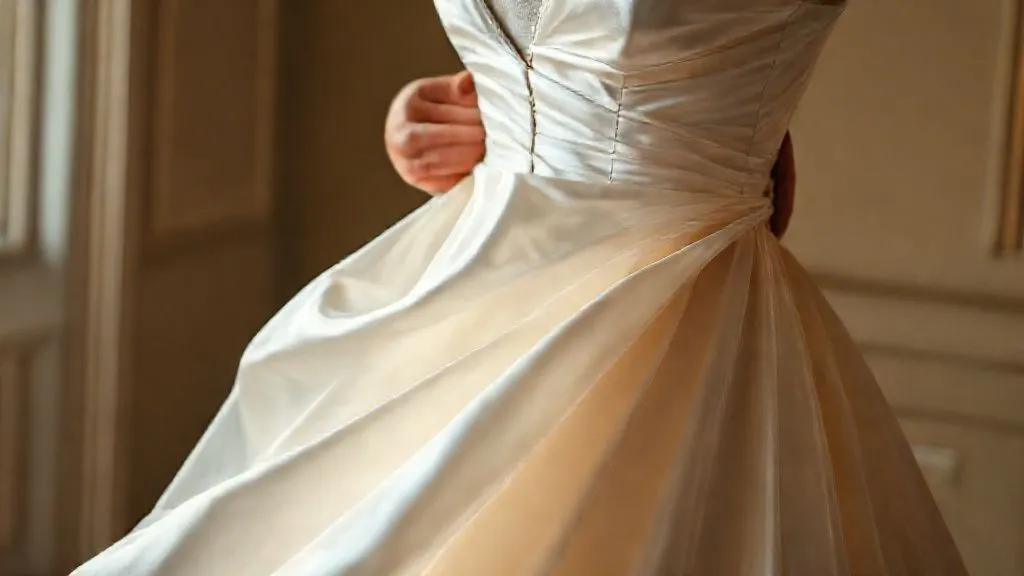
A typical haute couture gown requires three to five, or even more, fittings. These are not quick try-ons; they are detailed sessions where the designer, the head seamstress, and the client work together. During these fittings, the gown is adjusted directly on the client's body, ensuring every curve is flattered, every line is perfect, and every movement is effortless.
Minor adjustments are made to the length, waist, bust, and sleeves. The placement of embellishments is fine-tuned, and the overall balance of the garment is assessed. This iterative process is crucial for achieving the bespoke fit that is the hallmark of couture.
Client Collaboration and Customization
The fitting process is a true collaboration. The client's feedback is invaluable, as the gown is being created specifically for them. They might request minor changes to the neckline, the positioning of a detail, or the overall comfort. The couturier and their team accommodate these requests where possible, ensuring the client feels a profound connection to their unique garment.
This level of customization means that no two haute couture gowns are ever truly identical, even if they share the same base design. Each piece is a unique creation, tailored to the wearer's exact specifications and preferences.
The Finishing Touches and Presentation
As the construction nears completion, a final layer of meticulous attention is applied, ensuring the gown is flawless in every detail.
Linings, Interlinings, and Inner Structures
The internal construction of a haute couture gown is often as complex and beautiful as its exterior. Linings, typically made from the finest silks, are hand-sewn to provide comfort against the skin and a luxurious finish. Interlinings and specialized inner structures, such as boning or crinolines, are expertly integrated to give the gown its desired shape and support, allowing it to hold its form with grace.
These hidden elements are crucial for the gown's architectural integrity and drape. They are crafted with the same precision and care as the outer shell, demonstrating the commitment to quality from the inside out.
The Final Inspection and Delivery
Before the gown is delivered to the client, it undergoes an exhaustive final inspection. Every seam is checked, every embellishment secured, and every detail scrutinized for perfection. Any stray threads are removed, and the gown is pressed and prepared for its grand unveiling. It is often delivered in a specially designed garment bag or box, reflecting its status as a unique work of art.
The delivery marks the culmination of hundreds, sometimes thousands, of hours of work by a team of dedicated artisans. It's not just a dress; it's a piece of history, an heirloom, and a tangible representation of unparalleled craftsmanship.
Why Haute Couture Endures: Craftsmanship in a Fast Fashion World
In an era dominated by rapid production cycles and disposable trends, haute couture stands as a powerful counter-narrative. Its endurance speaks volumes about the enduring value of human skill, artistic integrity, and true luxury.
The Value of Time and Skill
The sheer investment of time and specialized skill is what sets haute couture apart. Each gown is a labor of love, requiring the collective expertise of designers, pattern makers, cutters, seamstresses, embroiderers, and fitters. This dedication to craft ensures a level of quality and detail that simply cannot be replicated by mass production methods. It's a celebration of human ingenuity over industrial efficiency.
This commitment to time and skill ensures that each gown is not just a garment, but a unique piece of art, imbued with the spirit and dedication of its creators. For more insights into the intricate skills involved in luxury fashion, consider exploring resources from leading fashion institutions like London College of Fashion, which highlights various aspects of garment construction and design.
Sustainability Through Longevity
While often perceived as extravagant, haute couture offers a surprising lesson in sustainability. These gowns are built to last, designed to be cherished, worn for decades, and even passed down through generations. Their timeless design and impeccable construction stand in stark contrast to the fleeting nature of fast fashion, which contributes significantly to waste.
By investing in a piece of haute couture, one is investing in longevity, artistry, and a slower, more thoughtful approach to fashion. It champions the idea of fewer, but infinitely better, garments. According to reports from organizations like the UN Climate Change, the fashion industry's environmental impact is significant, making the enduring quality of couture a noteworthy counterpoint to disposable trends.
Frequently Asked Questions (FAQ)
What defines haute couture? Haute couture is a protected designation in France, referring to custom-fitted clothing made for private clients in Parisian ateliers, using exquisite materials and requiring hundreds of hours of handwork. Houses must meet strict criteria set by the French Ministry of Industry.
How long does it take to make a haute couture gown? The creation of a single haute couture gown typically takes between 100 to 1,000 hours, sometimes even more for highly elaborate pieces, depending on the complexity of the design and embellishment.
What is the average cost of a haute couture gown? The cost of a haute couture gown can range from tens of thousands of dollars for simpler pieces to hundreds of thousands, or even millions, for the most intricate and heavily embellished designs. The price reflects the extensive handwork, rare materials, and exclusive service.
Are haute couture gowns ever ready-to-wear? No, by definition, haute couture gowns are custom-made for individual clients and are not available off-the-rack. However, couture houses often produce 'demi-couture' or 'ready-to-wear' collections that draw inspiration from their couture lines but are produced in limited quantities and sizes.
Who can buy haute couture? Haute couture is exclusively for private clients who can afford the significant investment. These clients are typically high-net-worth individuals, celebrities, or royalty who seek unique, bespoke garments for special occasions.
Recommended Reading
- The Secret to Effortless Sophistication: How to Infuse Timeless Elegance into Casual Wear
- The Ultimate Guide: How to Choose Comfortable Fabrics for Kids Wear
- Fashion's Power: How Does It Empower Women at Work?
- Style a Pearl Necklace Everyday? The Ultimate Style Guide!
- Unlock the Secret: How to Properly Clean & Maintain Smart Fabric Garments?
Conclusion
The process of creating a haute couture gown is far more than just sewing fabric; it is a profound journey of artistry, precision, and unwavering dedication. From the initial spark of inspiration to the final, perfect fit, every step is infused with the expertise of master artisans who transform dreams into tangible, wearable masterpieces. It is a world where time is measured not in minutes, but in meticulous stitches, and where the human touch elevates fashion to its highest art form. Understanding this intricate process not only deepens our appreciation for these magnificent creations but also reminds us of the enduring value of craftsmanship and the timeless allure of true luxury in an increasingly automated world. May this insight inspire you to view every stitch, every bead, and every fold with renewed admiration.

Your email address will not be published. Required fields are marked *