

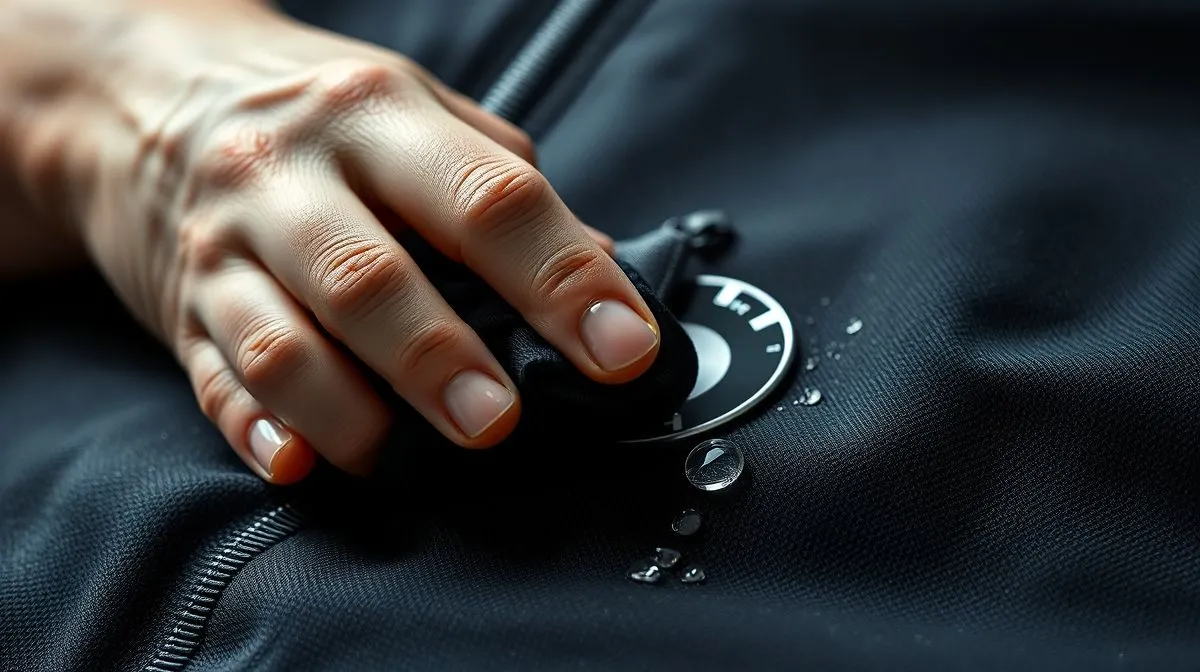
How to Properly Clean and Maintain Smart Fabric Garments?
Imagine this: You’ve just invested in a cutting-edge smart jacket, capable of regulating your temperature, monitoring your heart rate, and even charging your phone. You wear it with pride, enjoying its seamless integration of technology and comfort. But then, the inevitable happens – it gets dirty. A spill, a muddy adventure, or simply the accumulation of daily grime. Suddenly, a wave of panic sets in. How do you clean something so advanced without destroying its intricate electronics? Is it even possible to wash a garment that's also a gadget?
This common predicament highlights a significant challenge for owners of smart fabric garments. Unlike traditional clothing, smart textiles are embedded with sensors, wires, batteries, and other electronic components. The fear of damaging these delicate systems often leads to improper care, or worse, no care at all, shortening the lifespan and compromising the functionality of these innovative pieces.
Fear not, for this comprehensive guide is your definitive resource. By the end of this reading, you'll learn how to properly clean and maintain smart fabric garments, ensuring their longevity, preserving their technological integrity, and keeping them performing at their peak, just as their designers intended. We’ll demystify the process, turning what seems like a daunting task into a simple, confident routine.
Understanding Smart Fabrics: More Than Just Cloth
What Exactly Are Smart Fabrics?
Smart fabrics, also known as e-textiles, intelligent textiles, or smart textiles, are materials that have been developed with enhanced functionalities through the integration of technology. Unlike conventional fabrics, they can sense, react, and adapt to environmental stimuli or wearer input. This can include anything from monitoring vital signs to providing heating or cooling, or even displaying information. They represent a fascinating convergence of textile science, electronics, and software engineering. For a deeper dive into their nature, you can explore resources like Wikipedia's entry on Smart Textiles.
The Core Components and Their Vulnerabilities
The magic of smart fabrics lies in their embedded components. These typically include:
- Conductive Fibers: Threads woven with metallic or carbon materials that carry electrical signals.
- Sensors: Tiny devices that detect changes in temperature, pressure, motion, heart rate, or even chemical composition.
- Actuators: Components that respond to signals, such as heating elements, cooling modules, or vibrating motors.
- Microcontrollers/Processors: The 'brains' that process data from sensors and control actuators.
- Power Sources: Often small, flexible batteries or sometimes even energy harvesting systems.
- Connectors: Points where detachable electronics interface with the fabric.
Each of these components, especially the electronic ones, is highly susceptible to damage from water, harsh chemicals, extreme temperatures, and excessive physical stress. Understanding these vulnerabilities is the first step towards proper care.
The Perils of Improper Care: What Could Go Wrong?
Beyond Just a Stain: The Risks Involved
Treating smart fabric garments like regular clothes can lead to catastrophic consequences. It's not just about fading colors or shrinking; it's about potentially rendering an expensive, technologically advanced item completely useless. The risks include:
- Electronic Damage: Water ingress can short-circuit components, leading to irreversible damage. Detergents, especially strong ones, can corrode conductive pathways.
- Sensor Malfunction: Delicate sensors can be calibrated incorrectly or physically damaged, leading to inaccurate readings or complete failure.
- Battery Issues: Improper washing or drying can compromise battery integrity, leading to reduced lifespan, overheating, or even fire hazards in extreme cases.
- Fabric Degradation: While the electronics are a primary concern, the smart fabric itself can be degraded. Harsh chemicals can break down the specialized coatings or weaves designed to protect the embedded tech.
- Voiding Warranties: Most manufacturers explicitly state care instructions, and failure to follow them will typically void any warranty, leaving you without recourse for repair or replacement.
Considering the investment in smart apparel, taking a few extra steps for proper care is a small price to pay to avoid these costly pitfalls.
Before You Even Start: The Pre-Wash Checklist
Crucial Steps for a Successful Clean
Preparation is key when it comes to cleaning smart fabrics. Rushing into the wash without proper pre-treatment can lead to irreparable damage. Follow these essential steps:
- Read the Care Label Religiously: This is your ultimate guide. Every smart garment comes with specific instructions from the manufacturer, tailored to its unique components. Look for symbols and text instructions that detail washing temperature, drying methods, and whether it’s machine washable or hand-wash only. This is non-negotiable.
- Remove Detachable Components: Many smart garments feature removable battery packs, control units, or sensor modules. Always detach these before washing. Store them safely in a dry place. Ensure all ports and connectors on the garment itself are securely sealed if a cover is provided.
- Check for Damage: Before washing, inspect the garment for any tears, fraying, or exposed wiring. Washing a damaged smart fabric garment can exacerbate the issue, allowing water to penetrate vulnerable areas. If you find damage, consider professional repair or consult the manufacturer.
- Pre-Treat Stains Carefully: For stubborn spots, pre-treat with a mild, pH-neutral stain remover specifically designed for delicate fabrics. Apply it sparingly and gently dab the stain, rather than rubbing vigorously. Test on an inconspicuous area first to ensure it doesn't damage the fabric or its integrated tech. Avoid harsh bleaches or strong solvents.
- Empty Pockets: A forgotten coin or tissue can cause damage or leave residue.
The Gentle Art of Washing Smart Fabrics
Hand Washing: The Safest Bet
For maximum safety and control, hand washing is almost always the preferred method for smart fabric garments. It minimizes stress on the integrated electronics and delicate fibers.
- Preparation: Fill a clean basin or tub with cool or lukewarm water (never hot!).
- Detergent Choice: Use a small amount of a very mild, pH-neutral detergent, preferably one designed for delicates or wool. Avoid detergents with harsh chemicals, fabric softeners, or bleach.
- Gentle Agitation: Submerge the garment and gently agitate the water with your hands. Do not twist, wring, or scrub the fabric aggressively. Focus on gently squeezing the soapy water through the garment.
- Rinsing: Drain the soapy water and refill with clean, cool water. Gently rinse the garment until all detergent residue is gone. Repeat the rinsing process if necessary.
Machine Washing: When It's Permitted
If the care label explicitly states that machine washing is allowed, follow these strict guidelines:
- Use a Mesh Laundry Bag: Always place the smart garment inside a mesh laundry bag. This protects it from snagging, stretching, and excessive friction with other items in the wash.
- Delicate Cycle: Select the gentlest cycle available on your washing machine, often labeled 'Delicate,' 'Hand Wash,' or 'Wool.'
- Cold Water Only: Use cold water (or the lowest temperature setting recommended on the label). Hot water can damage electronic components and adhesive bonds.
- Mild Detergent: As with hand washing, use a minimal amount of a mild, pH-neutral detergent.
- Wash Alone or With Similar Items: Wash smart garments separately or with other very delicate items to prevent damage from zippers, buttons, or heavy fabrics.
- Low Spin Speed: If your machine allows, select the lowest possible spin speed to minimize stress and prevent stretching or tangling of internal wires.
Remember, even if machine washing is allowed, it's generally riskier than hand washing. Proceed with caution.
Drying Smart: Air Dry is Your Best Friend
The Dangers of Heat and Tumbling
This is perhaps the most critical stage for preserving smart fabrics. Heat from dryers can severely damage electronic components, melt adhesive, and warp sensitive materials. The tumbling action can also stress and break internal wiring. Therefore, machine drying is almost universally prohibited for smart garments.
Effective Air Drying Techniques
Always air dry your smart fabric garments. Here’s how to do it effectively:
- Gentle Squeeze: After washing, gently press or squeeze excess water out of the garment. Do NOT twist or wring it. You can roll it in a clean, dry towel to absorb more moisture.
- Lay Flat or Hang Properly: Depending on the garment's structure, either lay it flat on a clean, dry surface (like a mesh drying rack or a clean towel) or hang it on a sturdy, padded hanger. Ensure it retains its original shape to prevent stretching or distortion.
- Well-Ventilated Area: Dry the garment in a well-ventilated area, away from direct sunlight or direct heat sources (like radiators or heating vents). Excessive heat can still damage components, even during air drying.
- Patience is Key: Smart fabrics, especially those with multiple layers or insulation, can take longer to dry. Allow ample time for the garment to dry completely before storing or wearing it. Any residual moisture can lead to mold or damage to electronics.
- Avoid Direct Sunlight: While ventilation is good, direct sunlight can degrade certain materials and potentially affect the embedded electronics over time.
Storage and Long-Term Maintenance for Longevity
Beyond the Wash: Ongoing Care
Proper cleaning is just one part of the equation. Long-term maintenance and storage also play a vital role in extending the life of your smart fabric garments.
- Proper Storage: Store smart garments in a cool, dry place, away from extreme temperatures and humidity. Avoid tightly folding or crumpling them, as this can stress internal wiring. Hanging them on appropriate hangers or laying them flat in drawers is ideal.
- Battery Care: If your garment has a removable battery, follow the manufacturer's guidelines for charging and storage. Many smart batteries perform best when stored at a partial charge (e.g., 50%) if they won't be used for extended periods. Avoid fully discharging or overcharging them consistently.
- Regular Inspection: Periodically inspect your smart garments for any signs of wear, fraying, or damage to the fabric or visible components. Early detection can prevent minor issues from becoming major problems.
- Software Updates: For smart garments with integrated software, ensure you perform any recommended firmware or app updates. These updates often improve functionality, battery life, and sometimes even address potential safety concerns. Keeping the software current is as important as physical care for the garment's overall performance. This reflects the evolving nature of wearable tech, as discussed by publications like IEEE Spectrum on wearable electronics.
- Avoid Harsh Environments: While designed for specific uses, avoid exposing your smart garments to unnecessarily harsh environments (e.g., extreme chemicals, prolonged saltwater exposure) unless they are specifically rated for such conditions.
Common Mistakes to Avoid at All Costs
Learning from Others' Missteps
To truly master how to properly clean and maintain smart fabric garments, it's crucial to be aware of the pitfalls. Avoiding these common mistakes will save you time, money, and heartache:
- Using Harsh Chemicals: Bleach, strong stain removers, fabric softeners, and even some dry-cleaning solvents can corrode electronics, degrade specialized coatings, and damage the fabric itself. Stick to mild, pH-neutral detergents.
- Hot Water: As emphasized, hot water is a nemesis to electronics and can warp materials. Always use cold or lukewarm water.
- Aggressive Wringing or Twisting: This can break internal wires, stretch conductive fibers, and damage sensors. Always gently squeeze out excess water.
- Machine Drying: The heat and tumbling action of a dryer are almost guaranteed to damage smart garments. Air drying is the only safe method.
- Ironing: Direct heat from an iron can melt or damage electronic components embedded within the fabric. Most smart garments are designed to be wrinkle-resistant, or wrinkles should be removed by gentle steaming from a distance, if permitted by the care label.
- Ignoring Care Labels: Every smart garment is unique. The care label is not a suggestion; it's a mandatory guide specific to your item. Always read and follow it meticulously.
- Submerging Non-Waterproof Components: Never submerge parts that are explicitly stated as non-waterproof, such as removable battery packs or control units.
Spotlight on Specific Smart Garment Types
Tailored Care for Diverse Technologies
While the general rules apply, some smart garments have unique considerations:
Heated Garments (Jackets, Vests)
- Often contain thin heating elements and battery packs.
- Always remove the battery pack before cleaning.
- Hand wash or use a very gentle machine cycle with cold water.
- Ensure heating elements are completely dry before reconnecting the battery.
Fitness Tracking Apparel (Shirts, Socks)
- May have integrated heart rate sensors or motion trackers.
- Often designed for more frequent washing due to sweat.
- Usually machine washable on a delicate cycle, but always check for specific instructions on sensor care. Some require sensor removal.
Compression Wear with Integrated Sensors
- Focus on maintaining the fabric's elasticity.
- Avoid fabric softeners, as they can degrade elastic fibers over time.
- Wash in cold water to preserve the fabric's stretch properties and sensor integrity.
Smart Footwear
- Can be particularly challenging due to sole materials and integrated sensors.
- Often requires spot cleaning rather than full submersion.
- Consult specific manufacturer instructions religiously, as some may have very specific cleaning kits or methods.
The variety of smart textiles is vast, from those used in medical applications to high-performance sportswear. Each category may have nuances in its construction and, consequently, its care requirements. For example, research into the durability of smart textiles often focuses on washability, highlighting the ongoing challenges and solutions in the field, as detailed in academic sources like ScienceDirect's articles on smart textiles.
The Future of Smart Fabric Care
Innovation in Cleaning and Maintenance
As smart fabric technology continues to evolve, so too will the methods for their care. Researchers are actively working on solutions that make these garments even more robust and easier to maintain. This includes:
- Self-Cleaning Fabrics: Materials coated with photocatalytic nanoparticles that break down dirt and odors when exposed to light.
- Hydrophobic Coatings: Advanced water-repellent treatments that prevent stains and moisture from penetrating the fabric, reducing the need for frequent washing.
- More Robust Electronics: Encapsulation techniques and flexible, waterproof electronic components that are less susceptible to water damage and physical stress.
- Integrated Diagnostic Systems: Future garments might alert you if a component is compromised or if it needs cleaning, guiding you through the process.
- Specialized Home Cleaning Devices: We might see home appliances designed specifically for smart garments, using gentle sonic waves or precise steam cleaning to refresh them without immersion.
While these innovations are on the horizon, for now, adhering to current best practices on how to properly clean and maintain smart fabric garments remains paramount.
Frequently Asked Questions (FAQ)
Can I use a regular washing machine for smart fabrics? Only if the care label explicitly states it's safe. Even then, use a delicate cycle, cold water, a mild detergent, and always place the garment in a mesh laundry bag. Hand washing is generally preferred for safety.
What kind of detergent should I use? Always opt for a mild, pH-neutral detergent. Avoid harsh chemicals, fabric softeners, bleach, or any detergents with strong additives, as these can damage electronic components and specialized fabric treatments.
How do I dry smart fabric garments? Always air dry. Lay the garment flat on a clean surface or hang it on a sturdy hanger in a well-ventilated area, away from direct sunlight or heat sources. Never use a tumble dryer, as heat will damage the electronics.
Can I iron smart fabric clothing? No, direct heat from an iron can melt or damage the embedded electronic components. Most smart fabrics are designed to be wrinkle-resistant. If necessary, gentle steaming from a distance might be an option, but always check the care label first.
What if my smart garment gets very dirty or has a stubborn stain? For stubborn stains, pre-treat gently with a mild, pH-neutral stain remover applied sparingly. If the garment is heavily soiled, and standard cleaning isn't enough, consider consulting the manufacturer or a specialist cleaner familiar with smart textiles, rather than risking damage.
Recommended Reading
- Best Activewear for CrossFit Beginners: Crush Your First WOD!
- Unmasking Souls: What Costume Details Reveal Character Backstory?
- Timeless Elegance: How to Build Your Dream Wardrobe Now!
- Best Comfort Shoes for Plantar Fasciitis Relief: Your Ultimate Guide
- Authenticate Vintage Designer Handbags: The Expert's Secret Guide
Conclusion
Smart fabric garments are a testament to human ingenuity, seamlessly blending fashion, comfort, and advanced technology. They offer incredible functionality, from health monitoring to climate control, enriching our daily lives. However, their sophisticated nature demands a thoughtful and precise approach to care. By following the guidelines on how to properly clean and maintain smart fabric garments – understanding their components, adhering to gentle washing techniques, insisting on air drying, and practicing diligent long-term maintenance – you ensure that your investment continues to perform optimally for years to come.
Embrace the responsibility that comes with owning such innovative apparel. Your commitment to proper care not only preserves the garment's functionality and extends its lifespan but also contributes to a more sustainable consumption of technology. Treat your smart fabrics with the respect they deserve, and they will continue to serve you intelligently, comfortably, and stylishly.


Your email address will not be published. Required fields are marked *