

What Costume Details Reveal Character Backstory?
Have you ever paused during a film or play, captivated not just by the dialogue or action, but by a character's attire? From the tattered coat of a wandering vagabond to the meticulously tailored suit of a ruthless executive, costumes are far more than mere clothing; they are silent narrators, brimming with clues about who a character is, where they come from, and what they've endured.
In the vast tapestry of storytelling, audiences often focus on spoken lines or grand gestures, overlooking the profound depth conveyed through visual cues. The true artistry of costume design lies in its ability to embed a character's entire history, personality, and emotional landscape into their wardrobe. But how precisely do these seemingly mundane details speak volumes?
This comprehensive guide will delve into the meticulous art of costume design, revealing how every stitch, fabric choice, color, and accessory contributes to a character's narrative. By the end of this reading, you will possess a deeper appreciation for the nuanced visual language that answers the fundamental question: what costume details reveal character backstory?
The Silent Language of Fabric: Beyond Aesthetics
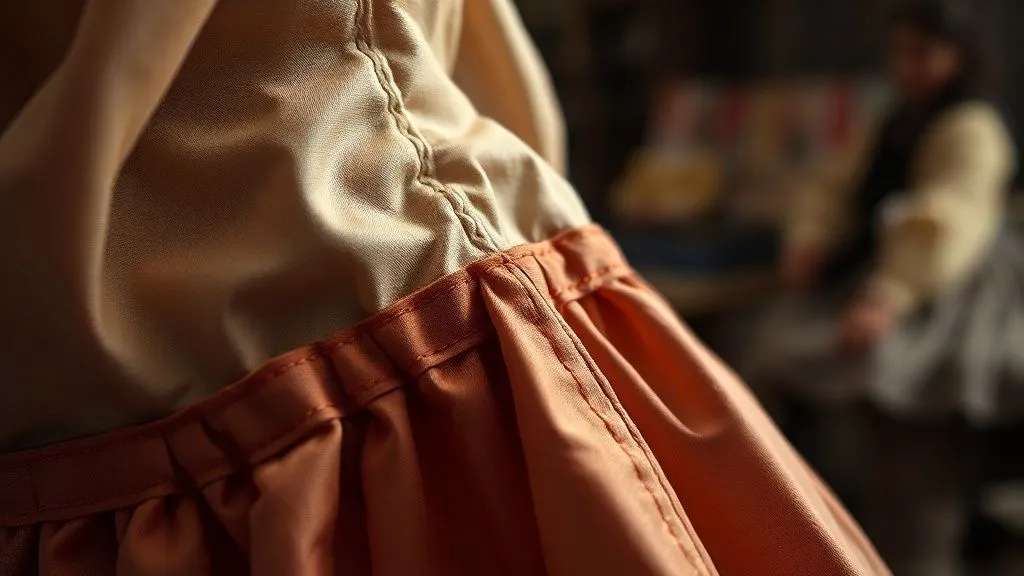
Fabric is the foundational layer of any costume, and its choice is rarely arbitrary. Each type of material carries inherent associations, textures, and drapes that subtly communicate aspects of a character's social standing, profession, and even their inner state.
Fabric Choice and Social Standing
Historically, certain fabrics were exclusive to specific social classes. Silk and velvet, for instance, often denoted wealth, luxury, and high status due to their cost and rarity. A character adorned in these materials immediately suggests affluence or ambition. Conversely, rougher textiles like linen, wool, or coarse cotton typically signify a more humble background, a working-class existence, or a connection to nature and manual labor. The contrast between a character in pristine silk and another in worn homespun tells a story before a single word is uttered.
Consider the deliberate use of synthetic fabrics in modern settings. A character dressed in cheap, shiny polyester might suggest a lack of taste, financial struggle, or a desire to appear more affluent than they are. The way a fabric catches the light, its sheen or dullness, adds further layers of meaning, hinting at authenticity versus artificiality.
Texture and Character Traits
Beyond material type, texture plays a crucial role in character development. A character wearing rough, scratchy tweed might be perceived as grounded, unyielding, or perhaps even uncomfortable in their own skin. In contrast, soft, flowing chiffon or delicate lace can suggest vulnerability, dreaminess, or a refined, perhaps even fragile, nature. The tactile quality of a fabric can evoke an emotional response from the audience, shaping their perception of the character.
Heavy, structured fabrics like thick brocade or stiff leather can convey rigidity, power, or a defensive posture, as if the character is armored against the world. On the other hand, light, draping fabrics like voile or jersey can imply fluidity, adaptability, or a lack of inhibition. The interplay of these textures within a single costume can reveal internal conflicts or complex personalities. For instance, a character wearing a soft, silken shirt beneath a rigid, militaristic jacket could symbolize a hidden tenderness or a struggle between duty and desire.
Color Psychology in Character Revelation
Colors are one of the most immediate and powerful non-verbal communicators in storytelling. They evoke emotions, carry symbolic meanings, and can track a character's journey or reveal their hidden desires. Costume designers leverage color psychology to deepen understanding of character backstory and arc.
Symbolic Meanings of Hues
Every color carries a rich tapestry of associations. Red often signifies passion, anger, danger, or power. A character frequently dressed in red might be impulsive, dominant, or a force to be reckoned with. Blue typically represents calm, loyalty, sadness, or wisdom. A character in blue could be reliable, melancholic, or intellectually inclined. Green can suggest nature, growth, envy, or illness, depending on its shade and context.
Black is a classic choice for mystery, mourning, power, or sophistication. White often symbolizes purity, innocence, or new beginnings, but can also represent emptiness or sterility. Yellow can denote happiness, optimism, cowardice, or warning. These symbolic associations are deeply ingrained in cultural consciousness, allowing designers to convey complex ideas without dialogue. For a deeper dive into color theory in film, explore resources like Wikipedia's page on Color Psychology.
Color Arcs and Character Transformation
Costumes are not static; they evolve with the character. A character's color palette can shift dramatically throughout a narrative, reflecting their internal transformation or external circumstances. A protagonist starting in muted, desaturated tones might gradually introduce vibrant colors as they gain confidence or find their purpose. Conversely, a character descending into villainy might transition from bright, innocent hues to darker, more menacing shades.
Consider the use of a single, recurring color that changes in prominence or shade. A character might wear a subtle hint of purple early on, then fully embrace a regal, dominant purple as they ascend to power. These color arcs are powerful visual metaphors for character development, subtly illustrating shifts in personality, alliances, or destiny. They provide a visual roadmap to a character's emotional and psychological journey, making the audience instinctively understand changes in their backstory or future trajectory.
The Power of Accessories: Small Details, Big Stories
While the main garment sets the stage, accessories provide the nuanced brushstrokes that truly bring a character to life. These seemingly minor additions can carry immense narrative weight, revealing personal history, beliefs, habits, and social status.
Jewelry and Keepsakes
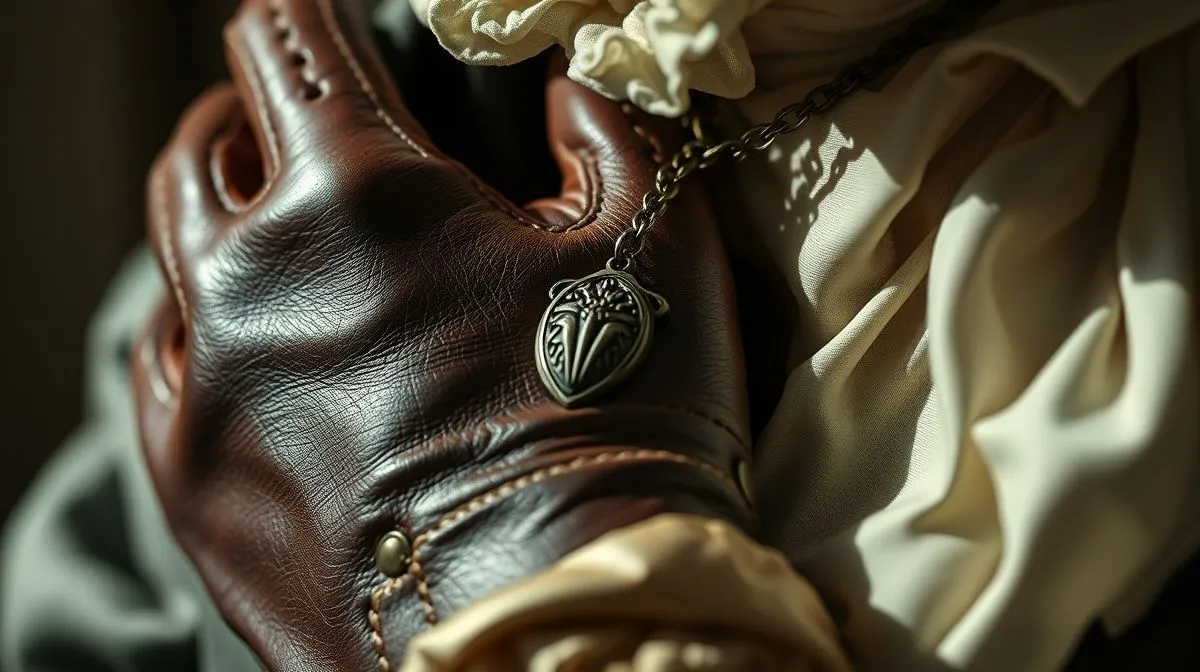
A piece of jewelry, whether a worn locket, a family signet ring, or a flashy diamond necklace, is rarely just an adornment. A locket might contain a faded photograph, hinting at a lost love or a cherished memory. A scuffed, old watch could be a family heirloom, passed down through generations, signifying a connection to the past or a burden of legacy. These items are often talismans, reminders of pivotal moments or relationships that shaped the character. Their condition – polished and new, or tarnished and ancient – speaks volumes about their significance and the character's relationship with their past.
The choice between ostentatious, newly acquired jewels and understated, antique pieces can differentiate between 'new money' and 'old money,' or reveal a character's values regarding material possessions versus sentimental value. A character wearing a simple, handcrafted bracelet might be humble and artistic, while another with layers of designer chains could be insecure or materialistic.
Footwear and Character's Journey/Status
Shoes are often overlooked but are incredibly telling. Worn-out boots suggest a life of hard labor or extensive travel. Polished, expensive dress shoes denote professionalism, ambition, or adherence to societal norms. Slippers or bare feet might indicate comfort, rebellion, or a rejection of formalities.
The type of footwear can also hint at a character's physical abilities or limitations. High heels might suggest elegance but also a certain impracticality or vulnerability, while sturdy work boots speak of resilience and groundedness. A character's gait and the sound their shoes make can further emphasize these details, adding another layer to their backstory.
Eyewear, Hats, and Personalities
Eyewear can signify intellect, vulnerability, or a desire for anonymity. Think of a character with thick, taped-up glasses, suggesting a studious but perhaps clumsy nature, or dark sunglasses that hide emotions and intentions. Hats, similarly, can be powerful symbols. A fedora might evoke mystery or a classic detective persona, a worn baseball cap suggests casualness or a blue-collar background, and an elaborate fascinator points to formality or eccentricity.
These accessories, when chosen with purpose, become extensions of the character's identity. They are not merely stylistic choices but narrative devices that offer profound insights into a character's history, habits, and inner world. This is a primary way that what costume details reveal character backstory becomes evident.
Wear and Tear: The History Written on Clothes
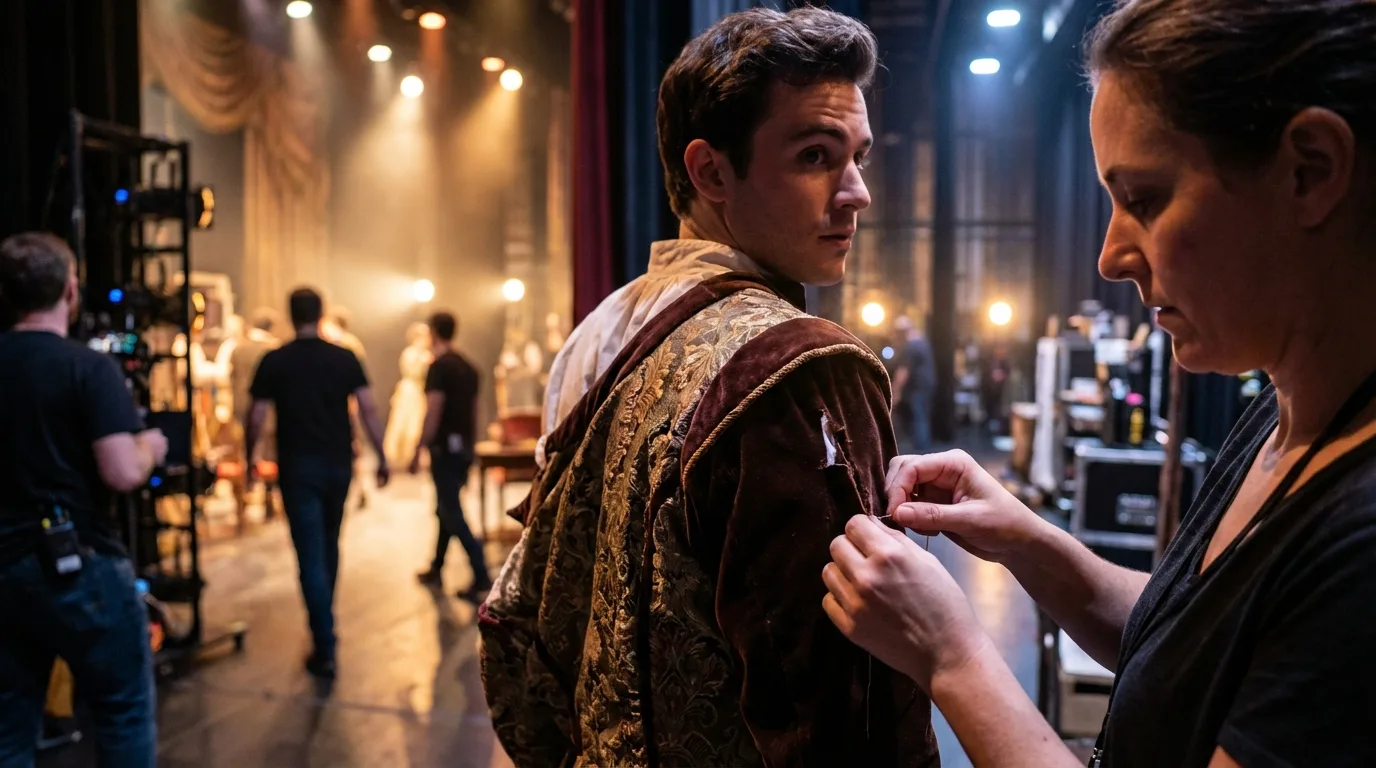
A costume that looks brand new tells one story; one that shows signs of life tells a thousand more. The wear, tear, and modifications of clothing are powerful indicators of a character's experiences, struggles, and journey. This is where the concept of 'aging' a costume becomes an art form.
Fraying Edges and Hardship
A frayed cuff, a threadbare elbow, or a faded color are not mistakes; they are deliberate choices by costume designers to convey hardship, neglect, or a long period of use. These details suggest that a character has endured poverty, long journeys, or difficult living conditions. A garment that is clearly too big or too small, perhaps ill-fitting and patched, can indicate a character who has grown up in difficult circumstances, wearing hand-me-downs, or one who has experienced significant weight loss or gain due to their experiences.
The extent of wear can also hint at a character's emotional state. Someone whose clothes are meticulously mended despite being old might be resourceful and resilient, while someone whose clothes are falling apart might be overwhelmed or simply not care for their appearance due to despair.
Patches, Stains, and Past Events
Specific marks on clothing can be direct references to past events. A bloodstain, even a faint one, can indicate a past injury or involvement in violence. A grease stain might suggest a mechanic or a factory worker. Patches, especially if they are mismatched or crudely sewn, can highlight resourcefulness, poverty, or a nomadic lifestyle. These are not just random imperfections; they are narrative breadcrumbs.
Consider the mud on a character's boots, the dust on their cloak, or the scorch marks on a sleeve. Each tells a micro-story about where the character has been, what dangers they've faced, or what environment they inhabit. These details ground the character in their world and make their history tangible.
Alterations and Adaptations
How a character's clothes have been altered can also reveal backstory. A dress that has been taken in or let out multiple times might indicate fluctuating weight, perhaps due to stress or illness. A uniform that has been subtly customized, like a soldier's jacket with a hidden pocket or a unique embroidery, can suggest individuality within a rigid system, a secret identity, or a rebellious spirit. These personal adaptations show a character's agency and their attempts to navigate or subvert their circumstances.
The presence of pockets, especially if they are well-worn or bulging, can hint at a character's profession (e.g., a pickpocket) or their need to carry many items. A character who constantly adjusts their ill-fitting clothes might be uncomfortable in their skin or in their current situation, revealing inner turmoil through external fidgeting.
Silhouette and Shape: Defining Identity
Beyond fabric and details, the overall shape and outline of a costume contribute significantly to a character's visual identity and backstory. The silhouette can convey power, vulnerability, conformity, or rebellion.
Historical Silhouettes and Social Norms
In period pieces, the adherence to or deviation from historical silhouettes immediately tells a story about a character's place in society. A woman in a restrictive corset and voluminous skirt in the Victorian era is conforming to societal expectations of femininity and status. A character who defies these norms by wearing simpler, more practical clothing might be a rebel, an artist, or someone from a lower social standing who cannot afford the elaborate styles.
The silhouette can also denote a character's era, providing an immediate historical context. A character in a flapper dress instantly places them in the 1920s, while a character in bell-bottoms situates them in the 1970s. These broad strokes provide a foundational layer to their personal history.
Exaggerated Forms and Archetypes
Costume designers often use exaggerated silhouettes to emphasize certain character traits or archetypes. A villain might have sharp, angular lines in their costume, making them appear menacing and unapproachable. A benevolent, maternal figure might be dressed in soft, rounded shapes that evoke comfort and warmth. A superhero's costume often features broad shoulders and a narrow waist, emphasizing strength and an idealized physique.
The way a costume hangs on a body—whether it's form-fitting, voluminous, or shapeless—can also reveal aspects of a character's self-perception or their desire to hide or reveal themselves. A character drowning in oversized clothes might be trying to disappear, while one in a form-fitting outfit might be confident or seeking attention. These visual cues are powerful non-verbal communicators of a character's psychological state and history.
Costume as a Narrative Device: Plot Points in Threads
Costumes are not just static representations; they are dynamic elements of the plot. They can foreshadow events, track character development, and even mislead the audience, making them integral to the narrative structure.
Foreshadowing through Wardrobe
A subtle change in a character's costume early in a story can foreshadow future events or revelations. A character who initially wears bright, cheerful colors might introduce a touch of black or grey as a looming tragedy approaches. A new, unexpected accessory, like a mysterious locket, might hint at a secret identity or a hidden past that will be revealed later. These are visual cues that prime the audience for what's to come, often without them consciously realizing it.
For example, a character who is destined to become a villain might begin wearing increasingly restrictive or dark clothing, subtly shifting from their initial innocent appearance. This visual foreshadowing adds depth and rewatchability, as viewers can pick up on these hints on subsequent viewings.
Character Arcs through Costume Changes
One of the most effective ways costumes reveal character backstory and development is through a series of changes. A character who starts in drab, shapeless clothing and gradually transitions to vibrant, tailored outfits signifies a journey of self-discovery, empowerment, or newfound confidence. Conversely, a character's descent into madness or despair might be marked by increasingly disheveled or damaged clothing.
Think of the classic 'makeover' montage in romantic comedies, where a character's transformation is entirely visual, reflecting an internal shift. Beyond superficial changes, these costume arcs can represent profound shifts in a character's beliefs, social status, or alignment within the story. They provide a clear visual timeline of their emotional and psychological evolution, reinforcing the narrative beats.
Misdirection and Deception in Dress
Costumes can also be used to mislead the audience, creating a false impression of a character's true nature or intentions. A villain might initially appear in innocent or benevolent attire to gain trust, only to reveal their true colors through a dramatic costume change. A character pretending to be someone they're not might wear clothing that is slightly off, subtly hinting at their deception.
This use of costume for misdirection adds layers of complexity and intrigue to the narrative, inviting the audience to question what they see. It underscores the idea that appearances can be deceiving and that even the most carefully crafted persona can have cracks that observant viewers might notice. This clever manipulation of visual information is a testament to the power of costume as a storytelling tool.
Iconic Examples: Learning from the Masters
To truly grasp what costume details reveal character backstory, it's invaluable to examine how master costume designers have applied these principles to create unforgettable characters. These examples showcase the profound impact of thoughtful costume choices.
Darth Vader's Helmet: Symbol of Oppression and Inner Conflict
Darth Vader's iconic black helmet and imposing armor in Star Wars are more than just a uniform; they are a visual representation of his backstory and his tragic transformation. The black signifies his fall to the dark side and his role as an enforcer of the oppressive Galactic Empire. The helmet itself, designed to be a life-support system, speaks of his severe injuries and his dependence on technology, a direct consequence of his past battles. It also serves as a mask, hiding the scarred face of Anakin Skywalker, symbolizing his loss of humanity and individuality. The rigid, angular lines of his armor convey his unyielding power and the crushing weight of his choices, making him a walking metaphor for his own tragic history.
Holly Golightly's Little Black Dress: Elegance and Vulnerability
Audrey Hepburn's black Givenchy dress in Breakfast at Tiffany's is a masterpiece of character revelation. On the surface, it's the epitome of chic sophistication, reflecting Holly's desire to live a glamorous, carefree life. However, its simplicity and timelessness also hint at her underlying vulnerability and her attempts to create a new identity. The long gloves and large sunglasses serve as a form of armor, a way for her to maintain distance and hide her true emotions and humble origins. The dress is a uniform for her curated persona, a facade she presents to the world, subtly hinting at the complex, perhaps even fragile, woman beneath the polished exterior. For more on this iconic design, consider resources like the Wikipedia page for Breakfast at Tiffany's.
The Great Gatsby's Suits: Wealth and Illusion
Jay Gatsby's lavish, impeccably tailored suits in The Great Gatsby are central to understanding his character. His pristine white suits signify his aspiration for purity and his desperate attempt to erase his past and reinvent himself. The sheer volume and extravagance of his wardrobe speak to his immense, newly acquired wealth, but also to his need to project an image of old money and belonging. Every detail, from the crisp collars to the expensive fabrics, screams aspiration and a carefully constructed illusion. His clothes are a performance, a desperate attempt to impress Daisy and buy his way into a world that ultimately rejects him, revealing a deep-seated insecurity beneath the glittering surface.
Katniss Everdeen's Arena Outfits: Rebellion and Identity
In The Hunger Games, Katniss Everdeen's costumes, particularly her arena outfits, evolve to reflect her burgeoning role as a symbol of rebellion. Initially, her humble District 12 attire speaks of her impoverished background and resilience. However, her transformation into the 'Girl on Fire' with the flaming dress is a pivotal moment, showcasing her manufactured persona and the Capitol's control. Later, her practical, yet powerful, arena gear, especially the Mockingjay pin, becomes a symbol of her defiance and the growing rebellion. Her costumes shift from reflecting her personal struggle for survival to embodying a movement, showing how her backstory as a resourceful hunter from the districts fuels her future as a revolutionary leader. The Mockingjay symbol, often incorporated into her attire, is a direct link to her identity and destiny.
Frequently Asked Questions (FAQ)
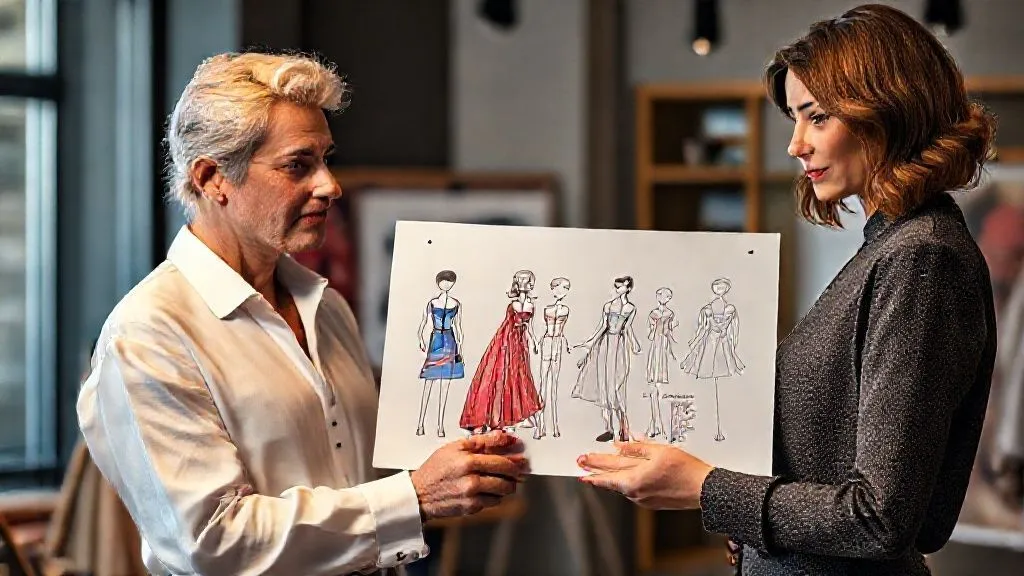
How do costume designers research character backstories? Costume designers conduct extensive research, often delving into historical periods, social customs, psychological profiles, and character biographies provided by writers and directors. They consider a character's age, profession, economic status, geographic location, and even their emotional state to inform their choices. Interviews with the actors and understanding the director's vision are also crucial.
Can a character's costume change throughout a story? Absolutely, and it often does! Costume changes are powerful narrative tools. They can signify a character's growth, decline, a change in status, a psychological shift, or a response to external events. A character's 'costume arc' is just as important as their emotional arc, visually reinforcing their journey.
What's the difference between costume and fashion design in storytelling? While both involve clothing, fashion design focuses on trends, aesthetics, and commercial viability for real-world wear. Costume design, however, is entirely driven by narrative. Every choice, from fabric to fit, serves to tell a story about a character, their world, and their journey, even if it means creating something historically inaccurate for thematic effect or visually unappealing to convey a character's flaws.
Are there universal costume symbols? Many symbols are culturally specific, but some have broad recognition. For example, crowns generally symbolize royalty, and ragged clothes often signify poverty. However, the exact meaning can vary. A designer must consider the audience's cultural context when employing such symbols to ensure the intended message is conveyed.
How much detail is too much for a costume? The right amount of detail depends on the medium and the story. For close-up film work, hyper-detailed costumes can enhance realism. For stage, broader strokes are often necessary due to distance. The key is that every detail, no matter how small, should serve a purpose in revealing character or advancing the plot, rather than simply being decorative. Overly complex costumes can distract from the character or narrative.
Recommended Reading
- 1950s Dresses: Which Neckline Flatters You Most? Find Out!
- Broadway Costume Design: The Ultimate Guide to Stage Magic!
- Ultimate Guide: Best Men's Wallet Styles For Minimalist Carry
- Craft Believable Characters: Costume Design Secrets Revealed!
- Sweaty Feet? Discover the Best Shoe Materials for Ultimate Comfort!
Conclusion
The silent language of costumes is a profound and often underestimated aspect of storytelling. Every fabric, color, accessory, and imperfection woven into a character's attire serves as a meticulously crafted clue, offering deep insights into their past, present, and future. Understanding what costume details reveal character backstory transforms the viewing experience, turning passive observation into an active deciphering of visual narratives.
From the symbolic weight of a tattered hem to the psychological impact of a specific hue, costume designers are master storytellers, using threads and textiles to create characters that resonate and endure. The next time you immerse yourself in a film or play, take a moment to look beyond the dialogue and action. Observe the clothing. You might be surprised at the rich, untold stories waiting to be discovered in every stitch and fold, deepening your connection to the characters and the worlds they inhabit.

Your email address will not be published. Required fields are marked *