

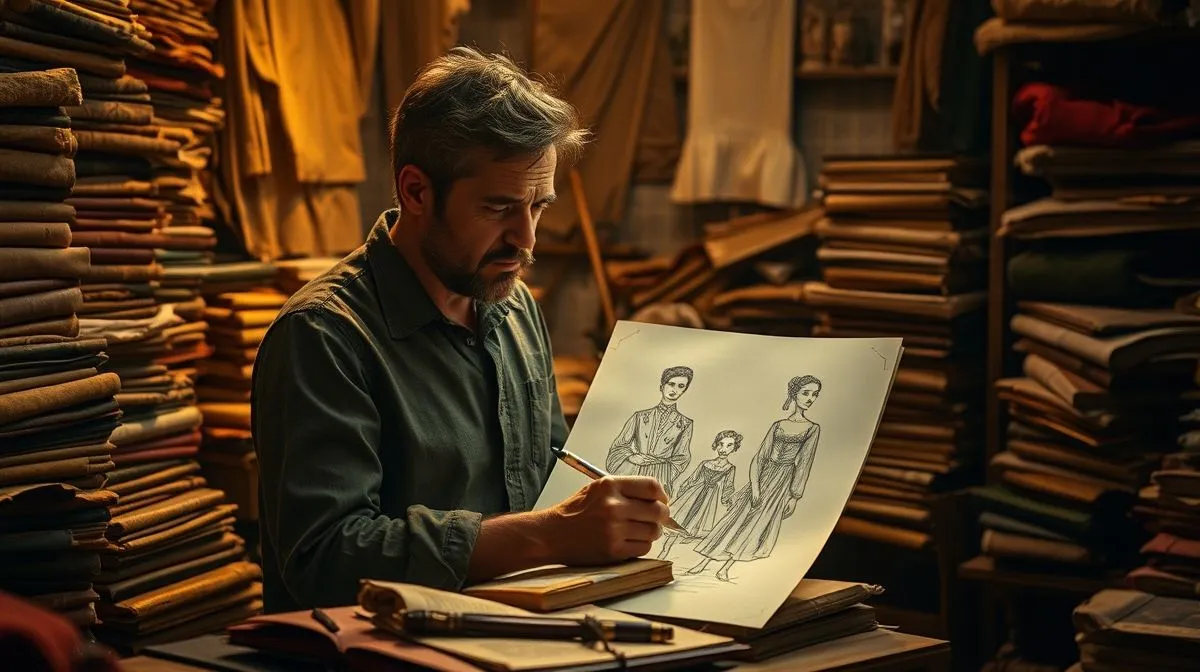
Costume Design for Believable Character Backstories
Ever wondered how a character's entire life story can be subtly revealed through their clothing? Can a simple stitch or a specific color palette communicate volumes about their past, their present, and their aspirations? Think of iconic characters like Indiana Jones and his weathered fedora or Daenerys Targaryen and her evolving wardrobe. Their clothes tell a story as compelling as their dialogue.
The challenge for costume designers is to translate a character's written backstory into a visual narrative. How do you ensure that every garment, every accessory, and every detail contributes to a believable and authentic portrayal? It's not just about aesthetics; it's about psychology, history, and a deep understanding of human behavior.
This article delves into the art and science of costume design for creating authentic and believable character backstories. You'll discover techniques, principles, and practical examples that will empower you to craft costumes that speak volumes, adding depth and richness to any character, whether for film, theater, or any other storytelling medium.
The Power of Visual Storytelling Through Costume
Costume design is far more than just selecting clothes. It's a powerful form of visual storytelling that can communicate a character's history, personality, and social standing in an instant. Think of costumes as a character's silent dialogue.
Why is it so Effective?
- Immediate Impact: Costumes provide an immediate visual cue to the audience, conveying information before a character even speaks.
- Subconscious Communication: Colors, fabrics, and styles can evoke emotions and associations that resonate with the audience on a subconscious level.
- Reinforcing Narrative: Costumes can reinforce the narrative, highlighting key plot points and character arcs.
For instance, consider the transformative power of Cinderella's rags-to-riches costume change. It visually represents her journey and aspirations in a single, unforgettable moment. According to an article from the Smithsonian Magazine the power of costume to convey the character's journey is invaluable.
Researching and Building a Character's History
Effective costume design begins with meticulous research. You need to become an expert on the character's world, their background, and their motivations.
Delving into the Details
- Character Biography: Start with a detailed character biography, outlining their age, social class, education, occupation, and significant life events.
- Historical Context: Research the historical period in which the character lives, paying attention to fashion trends, social customs, and cultural influences.
- Psychological Profile: Consider the character's psychological makeup, including their personality traits, fears, and desires.
For example, if you're designing a costume for a Victorian-era scientist, you'll need to research the clothing styles of the time, the social expectations for scientists, and the individual's personal history. A resource like the Victoria and Albert Museum can be incredibly helpful for historical fashion research.
Choosing Fabrics, Colors, and Silhouettes
The choice of fabrics, colors, and silhouettes is crucial in conveying a character's personality and backstory. Each element carries its own symbolic weight.
The Language of Costume
- Fabrics: Sturdy fabrics like denim or leather can suggest practicality and resilience, while luxurious fabrics like silk or velvet can indicate wealth and sophistication.
- Colors: Colors can evoke emotions and associations. Red can signify passion or danger, blue can represent calmness or sadness, and green can symbolize nature or envy.
- Silhouettes: The shape and form of a garment can also communicate information. A tailored suit can convey power and authority, while a flowing dress can suggest freedom and creativity.
Consider the use of color in the film 'The Great Gatsby'. The bright, opulent colors of Gatsby's parties reflect his wealth and extravagance, while the more subdued tones of Daisy's wardrobe hint at her inner turmoil. According to color psychology principles, these choices are not accidental.
Aging and Weathering: Adding Layers of Realism
To create truly believable costumes, you need to consider the effects of time and wear. Aging and weathering techniques can add layers of realism and authenticity.
Techniques for Creating Wear and Tear
- Distressing: Use sandpaper, rasps, or knives to create tears, holes, and worn edges.
- Dyeing and Fading: Use dyes and bleaches to create variations in color and to simulate the effects of sun exposure and washing.
- Adding Stains and Dirt: Use paints, pigments, and natural materials to create stains, dirt, and other signs of wear.
For instance, a costume for a soldier in a war film should show signs of wear and tear, reflecting the harsh conditions they have endured. The level of damage can even indicate their time in service and the battles they've faced. Understanding materials is key, as noted in this article on material conservation
Collaborating with Actors and Directors
Costume design is a collaborative process. It's essential to work closely with actors and directors to ensure that the costumes align with their vision for the character.
Building a Shared Vision
- Discussing the Character: Have in-depth conversations with the actor and director about the character's backstory, personality, and motivations.
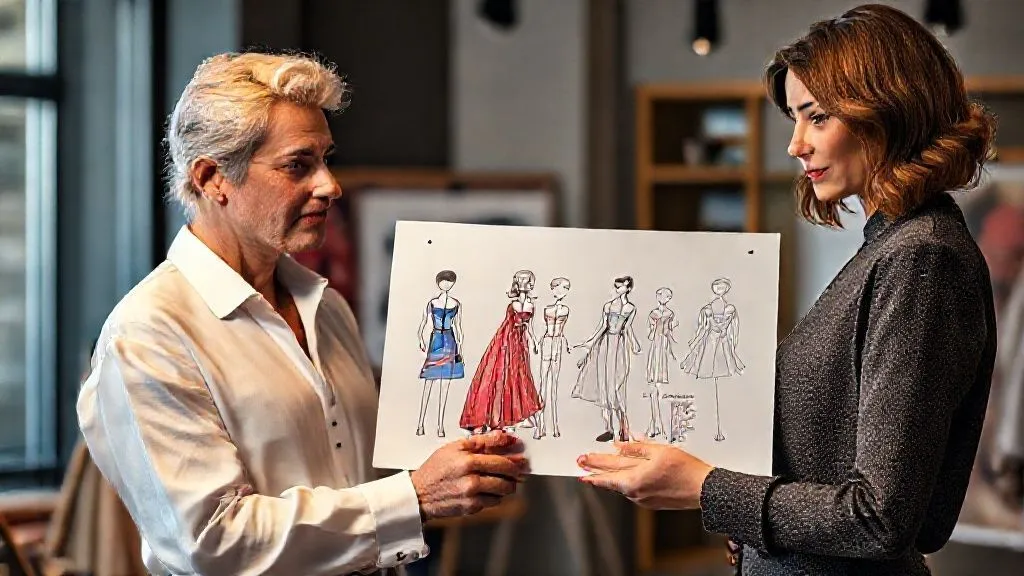
- Presenting Sketches and Swatches: Share your initial ideas and designs with the actor and director, gathering their feedback and incorporating their suggestions.
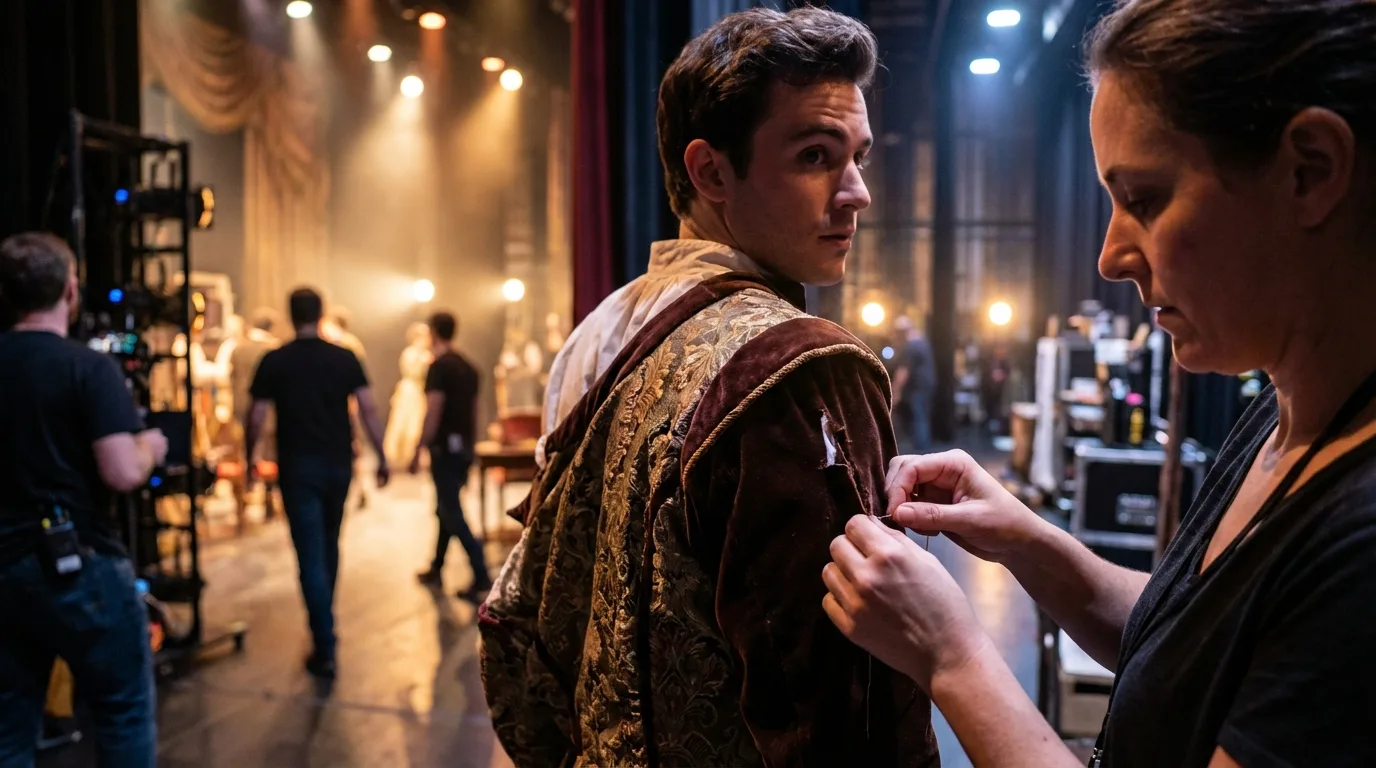
- Fittings and Adjustments: Conduct regular fittings to ensure that the costumes fit properly and that the actor feels comfortable and confident in them.
The actor's input is invaluable, as they will be the ones bringing the character to life. Their comfort and confidence in the costume will translate into a more believable performance. It's important to listen to their needs and concerns.
Examples of Iconic Costume Design
Throughout film and theater history, there are countless examples of costume design that have elevated characters to iconic status.
Case Studies in Costume Excellence
- Indiana Jones: His weathered fedora, leather jacket, and khaki pants instantly convey his adventurous spirit and rugged individualism.
- Daenerys Targaryen: Her evolving wardrobe reflects her journey from a timid young woman to a powerful queen.
- Sherlock Holmes: His tweed suit, deerstalker hat, and magnifying glass are instantly recognizable symbols of his intellect and eccentricity.
These costumes have become so ingrained in popular culture that they are instantly associated with the characters they represent. They demonstrate the power of costume design to create lasting impressions and to shape our understanding of characters.
Frequently Asked Questions (FAQ)
What is the first step in costume design? The first step is thorough research of the character's background, the historical period, and the psychological profile.
How important is collaboration in costume design? Collaboration with actors and directors is crucial for ensuring that the costumes align with their vision and that the actor feels comfortable and confident.
What are some techniques for aging and weathering costumes? Techniques include distressing, dyeing and fading, and adding stains and dirt.
How can color psychology inform costume design? Colors can evoke emotions and associations, so understanding color psychology can help you choose colors that convey the desired message.
Recommended Reading
- Unlock Style & Comfort: Adapting Fashion Footwear for Comfortable Orthotic Use
- Fashion Campaign Photo Shoot Planning Tips: The Ultimate Guide
- Fashion Blogging: Social Media Style Tips to Explode Your Brand
- Unlocking the Past: Researching 18th Century Dress Patterns
- Unlock Peak Performance: Why Moisture-Wicking is Crucial for Activewear Comfort
Conclusion
Costume design for believable character backstories is a complex and multifaceted art form. It requires a deep understanding of history, psychology, and visual storytelling. By meticulously researching, carefully selecting fabrics and colors, and collaborating with actors and directors, you can craft costumes that speak volumes and add depth and richness to any character. Remember, every stitch, every button, and every detail contributes to the overall narrative. Embrace the power of costume to bring characters to life and to create unforgettable moments for your audience, and reference reputable sources such as universities .

Your email address will not be published. Required fields are marked *