


How to evolve streetwear brand aesthetics without losing identity?
For over 15 years in the dynamic, often turbulent world of streetwear, I've witnessed countless brands rise and fall. The ones that endure aren't just riding a trend; they're masters of adaptation, constantly evolving their aesthetic while meticulously safeguarding their core identity. It's a delicate dance, a tightrope walk between innovation and heritage.
The biggest fear I hear from founders and creative directors is this: "If we change too much, will we alienate our loyal fanbase? Will we lose what makes us, us?" This struggle is real. The desire to stay relevant in a fast-paced culture can lead to chasing fleeting fads, ultimately diluting the very essence that attracted customers in the first place.
But there's a smarter way to navigate this evolution. In this definitive guide, I'll share actionable frameworks, expert insights, and real-world strategies to help your streetwear brand not just survive, but thrive, through aesthetic evolution. You'll learn how to innovate boldly without ever compromising the authentic soul of your brand.
Deconstructing Your Brand's DNA: The Core Identity Audit
Before you can evolve, you must deeply understand what you're evolving *from*. This isn't just about your logo or color palette; it's about the intangible essence, the spirit of your brand. I always begin with a rigorous core identity audit, a process of stripping back layers to reveal the foundational elements.
Identifying Core Values and Archetypes
What does your brand stand for? Is it rebellion, community, luxury, utility, or something else entirely? Every successful streetwear brand taps into a cultural archetype. Think about the 'Rebel' of Supreme, the 'Creator' of Stüssy, or the 'Explorer' of The North Face's collaborations. These aren't just marketing terms; they're guiding principles for every design decision.
Your core values are the non-negotiables, the unshakeable beliefs that define your brand's purpose. These values should resonate in every stitch, every graphic, and every campaign. Losing sight of them is the quickest way to lose your identity.
Visual Language Dissection
Go beyond surface-level aesthetics. What are the recurring motifs, graphic styles, typography choices, and photographic approaches that truly define your brand's visual language? Document them. Understand their origins and their emotional impact. This forms your unique aesthetic fingerprint.
"True evolution isn't about discarding your past, but understanding it deeply enough to build a more compelling future." - Industry Veteran
Actionable Steps: Auditing Your Brand's DNA
- Archive Deep Dive: Systematically review your past collections, campaigns, and collaborations. Identify consistent themes, design elements, and messaging that have defined your brand's peak periods.
- Audience Archetype Mapping: Conduct surveys and focus groups with your most loyal customers. Ask them what your brand means to them, what emotions it evokes, and what core values they associate with it.
- Define Non-Negotiables: Based on your audit, create a clear list of 3-5 core aesthetic elements and 2-3 core values that *must* remain consistent, regardless of future trends. These are your brand's immutable laws.
This deep understanding of your brand's immutable core will serve as your compass, guiding every decision as you navigate the treacherous waters of aesthetic evolution.

Strategic Trend Integration: Beyond Hype Cycles
Streetwear is inherently trend-driven, but blindly chasing every new wave is a recipe for aesthetic incoherence. The key lies in strategic integration – adopting trends that align with your brand's DNA, rather than letting them dictate your direction.
Differentiating Trends from Fads
A fad is a fleeting novelty; a trend is a sustained shift reflecting deeper cultural currents. Understanding this distinction is crucial. Sustainable materials, gender-neutral silhouettes, and functional utility are examples of long-term trends. A specific graphic style that burns bright for a season and then disappears? That's likely a fad.
As marketing guru Seth Godin often says, "The market is a conversation." Listen to that conversation, but don't let it drown out your own voice. Identify trends that offer genuine opportunities for innovation within your brand's established framework.
The '80/20 Rule' for Aesthetic Evolution
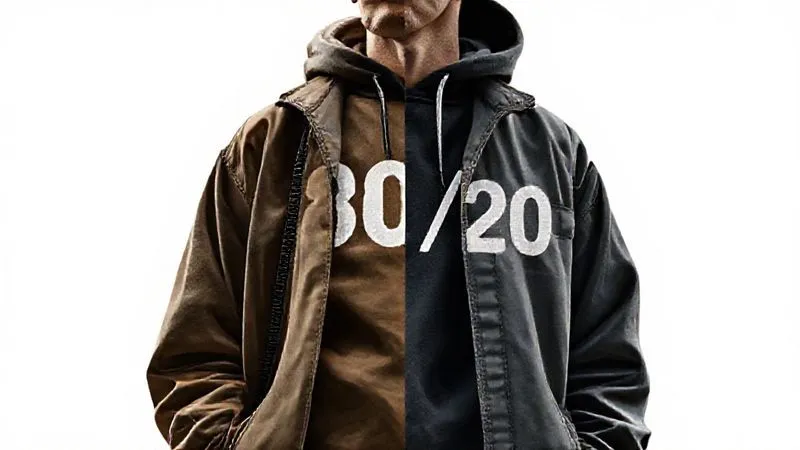
I often advise brands to apply an '80/20 rule' to their aesthetic evolution. Roughly 80% of your collection should comfortably sit within your established brand identity, providing familiarity and reassurance to your core audience. The remaining 20% is where you experiment, push boundaries, and integrate carefully selected new trends.
This approach allows for gradual, digestible evolution without shocking your audience. It's about introducing new flavors while maintaining the core taste that people love.
Case Study: Apex Threads' Sustainable Shift
Apex Threads, a fictional streetwear brand known for its rugged, utilitarian workwear aesthetic, faced the challenge of staying relevant in a market increasingly demanding sustainability. Instead of a radical overhaul, they applied the 80/20 rule. 80% of their collection maintained their signature heavy-duty cottons and classic cuts.
For the 20%, they introduced a "Re-Gen" capsule collection featuring garments made from recycled denim and organic hemp, incorporating subtle, technical details like concealed magnetic closures and modular pockets. The color palette remained earthy and consistent with their brand, but the material story and functional innovations were new. This strategic integration allowed them to appeal to eco-conscious consumers without alienating their core base, leading to a 15% increase in new customer acquisition and a 20% boost in brand sentiment related to sustainability.
According to a recent report by Deloitte, 45% of consumers are willing to pay more for sustainable brands, highlighting the importance of thoughtful trend integration. Deloitte's Sustainable Consumer Report offers further insights into this evolving market demand.
Collaborative Evolution: Leveraging Community and Creators
Your audience and creative partners are invaluable assets in the evolution process. They offer fresh perspectives, authentic insights, and a direct line to cultural shifts. Engaging them in a meaningful way ensures your evolution is rooted in relevance, not just internal speculation.
Co-Creation and Feedback Loops
Instead of presenting a fully formed new aesthetic, involve your community in its development. Run polls on social media for design elements, solicit feedback on prototype sketches, or even launch limited-edition co-creation projects where your audience directly influences a design. This fosters a sense of ownership and deepens loyalty.
Strategic Artist and Influencer Partnerships
Collaborating with artists, designers, or influencers whose personal aesthetics align with your desired evolutionary direction can act as a powerful bridge. These partnerships introduce new visual codes and narratives to your audience through a trusted lens, making the transition feel organic and authentic.
Actionable Steps: Engaging Your Ecosystem
- Limited-Edition Collaborations: Partner with emerging artists or complementary brands for capsule collections that subtly push your aesthetic boundaries. This allows for controlled experimentation without overhauling your main line.
- Community Design Challenges: Host online design competitions where your audience submits concepts for specific garment elements (e.g., graphic prints, patch designs). Reward winning designs with production and credit.
- Amplify User-Generated Content (UGC): Actively feature and celebrate how your audience styles your clothes, especially when they incorporate new pieces or interpret your brand in fresh ways. This provides social proof for your evolving aesthetic.
This engagement isn't just about marketing; it's about building a collective future for your brand. It's a testament to the idea that a brand's identity isn't solely defined by its creators, but by the community that embraces it.
| Collaboration Type | Benefit for Brand | Risk Mitigation |
|---|---|---|
| Artist Collab | Introduces new visual language, expands reach | Careful alignment with artist's ethos |
| Community Co-Creation | Increases loyalty, authentic feedback | Manage expectations, clear guidelines |
| Complementary Brand | Shared audience, market expansion | Ensure brand values are compatible |
Narrative Arc: Storytelling as a Bridge to the Future
A brand's aesthetic is just one part of its identity; the story it tells is equally, if not more, crucial. As you evolve visually, ensure your narrative evolves alongside it, connecting your past, present, and future in a compelling, cohesive arc. This is where the magic of maintaining identity truly happens.
Weaving Heritage into New Narratives
Your brand's history is a rich tapestry. Don't discard it; recontextualize it. If your brand started in a specific subculture, how has that subculture evolved? How can its founding principles be interpreted through a modern lens? Frame your new aesthetic choices as a natural progression, an homage to your roots rather than a rejection of them.
The Power of Seasonal Collections as Chapters
View each collection not just as a set of clothes, but as a new chapter in your brand's ongoing story. Each season can explore a different facet of your evolving identity, building upon previous themes while introducing new elements. This episodic approach makes evolution feel intentional and coherent, rather than disjointed.
"People don't buy products; they buy stories. An evolving aesthetic needs an evolving narrative to make sense." - Seth Godin
Your brand's narrative arc provides the emotional and intellectual framework for your aesthetic changes. It gives meaning to new designs and reassures your audience that the core spirit remains intact, even if the visual expression shifts. As Harvard Business Review highlights, storytelling is a powerful tool for forging emotional connections and building lasting brand loyalty.
Material Innovation and Sustainable Practices: A Modern Mandate
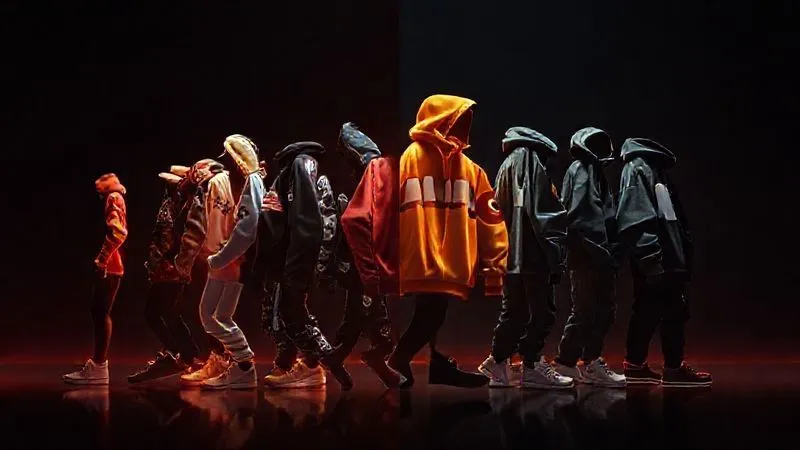
In today's conscious consumer landscape, aesthetic evolution isn't just about graphics and silhouettes; it's deeply intertwined with material choices and ethical production. Integrating innovation in these areas can refresh your brand's image while reinforcing its values.
Exploring New Fabrics and Production Methods
The development of sustainable textiles, performance fabrics, and innovative production techniques (like 3D printing or zero-waste pattern cutting) offers immense opportunities. By incorporating these, your brand doesn't just look modern; it *is* modern, speaking to a new generation of informed consumers.
Think about how brands like Vollebak or even mainstream players like Nike are pushing boundaries with material science. This isn't just about being 'green'; it's about being forward-thinking and creating truly unique products.
Communicating Your Ethical Stance
Transparency is key. If you're using recycled materials, organic cotton, or implementing fair labor practices, articulate this clearly. This adds a layer of depth and purpose to your aesthetic choices. Your commitment to responsible practices becomes part of your brand's renewed identity, attracting consumers who share those values.
According to a Statista report, the global market for sustainable fashion is projected to grow significantly, indicating a strong consumer preference for brands that prioritize ethical and environmental responsibility. This isn't a trend; it's a fundamental shift in consumer values. Statista's insights on sustainable fashion further underscore this imperative.
The Iterative Design Process: Test, Learn, Adapt
Evolution is rarely a single, grand leap; it's a series of calculated steps. Adopting an iterative design process allows you to test new aesthetic directions on a smaller scale, gather feedback, and refine your approach before a full-scale launch. This significantly reduces risk and ensures your evolution is well-received.
Small Batch Releases and Capsule Collections
Before committing to a radical aesthetic shift across an entire collection, test the waters with limited-edition capsule drops. These smaller releases are perfect for experimenting with new color palettes, graphic styles, or silhouettes. They create hype, generate valuable feedback, and allow you to gauge audience reception without heavy investment.
Measuring Audience Response and Adapting
The data from these small releases is gold. Monitor social media sentiment, analyze sales performance of specific experimental pieces, and conduct quick surveys. Were the new elements well-received? Did they resonate with your core audience? Be prepared to adapt. The beauty of iteration is the flexibility to course-correct.
Actionable Steps: Iterative Evolution
- Micro-Collection Launches: Design 2-3 new pieces that embody a potential aesthetic shift. Release them as a limited-edition drop.
- Social Listening & Sentiment Analysis: Use tools to monitor mentions, comments, and reactions to these new pieces across all social platforms. Look for patterns in positive and negative feedback.
- Sales Performance Review: Track which experimental pieces sell well and which don't. Compare them against your established best-sellers.
- Post-Launch Surveys: Send short, targeted surveys to customers who purchased the experimental pieces, asking specific questions about their appeal and alignment with your brand.
This systematic approach to testing and learning means your brand's evolution is data-informed and audience-approved, making the journey smoother and more successful.
| Iteration Phase | Key Activity | Metric for Success |
|---|---|---|
| Concept & Sketch | Develop new design directions | Internal team alignment, feasibility review |
| Prototype & Sample | Produce small batches of experimental pieces | Quality control, initial fit testing |
| Limited Release | Launch capsule collection to test market | Social sentiment, early sales data, customer feedback |
| Analyze & Refine | Evaluate data, make adjustments | Informed decisions for future full collections |
Maintaining Visual Consistency Across Touchpoints
As your aesthetic evolves, it's paramount to ensure that this evolution is consistent across every single touchpoint your customer encounters. A disjointed brand experience can erode trust and confuse your audience, regardless of how brilliant your new designs are.
Brand Guidelines for Evolution
Your brand guidelines aren't static documents; they need to evolve alongside your aesthetic. Update them to reflect new color palettes, typography, graphic styles, photography directions, and even tone of voice. Ensure these updated guidelines are clearly communicated to your entire team and any external partners.
This living document acts as the central source of truth for your brand's evolving visual identity, ensuring everyone is on the same page and working towards a cohesive vision.
Digital Presence and Physical Experience Alignment
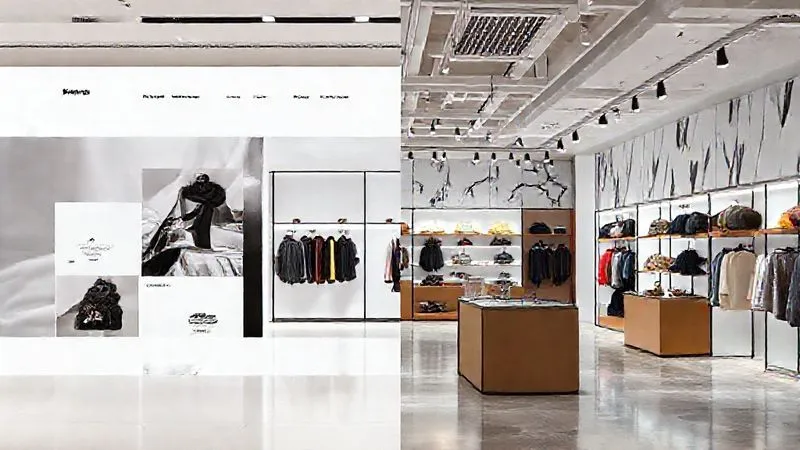
From your website and social media profiles to your physical retail spaces, pop-ups, and packaging, every element must reflect your current aesthetic. A new collection showcased on a website that still looks five years old sends a confusing message. Your brand experience should be seamless and unified, reinforcing your evolved identity at every turn.
As Forbes emphasizes, brand consistency builds recognition and trust, making it easier for customers to connect with and remember your brand, even as it evolves.
Frequently Asked Questions (FAQ)
How do I know if my brand is evolving too fast? The clearest indicator is a significant drop in engagement or sales from your core audience, coupled with negative feedback about losing your 'essence'. If your new direction feels forced or disconnected from your brand's established narrative, it's likely too fast. Listen to your loyal customers; they are your most honest critics and invaluable guides. Gradual, iterative changes are almost always safer than radical overhauls.
What's the role of nostalgia in evolving streetwear? Nostalgia is a powerful tool, but it must be used thoughtfully. Instead of simply rehashing old designs, integrate nostalgic elements in a fresh, recontextualized way. Reference your heritage through modern silhouettes, innovative materials, or unexpected collaborations. It's about paying homage, not getting stuck in the past. It provides a comforting bridge for your audience during aesthetic shifts.
Can I completely change my brand's aesthetic? While possible, a complete aesthetic overhaul is extremely risky and often tantamount to launching a new brand under the same name. It requires immense strategic planning, clear communication, and a willingness to potentially lose a significant portion of your existing audience. If your core identity is truly broken, consider a sub-brand or a new venture rather than forcing a complete pivot on an established name.
How do I measure the success of an aesthetic evolution? Success isn't just about sales. Track metrics like brand sentiment (social listening), new customer acquisition vs. returning customer retention, website engagement with new collections, media coverage, and qualitative feedback from surveys and focus groups. A healthy evolution sees growth in new segments while maintaining strong loyalty from your existing base.
What if my original audience rejects the new direction? This is the core challenge. If rejection is widespread, it means you've likely strayed too far from your brand's DNA or haven't communicated the evolution effectively. Revisit your core identity audit. Consider whether certain experimental elements should be scaled back, or if your messaging needs to better connect the new aesthetic to your brand's foundational story. Open dialogue and transparency with your community are crucial here.
Key Takeaways and Final Thoughts
- Know Your DNA: Deeply understand your brand's core values and immutable aesthetic elements before attempting any evolution. This is your anchor.
- Integrate, Don't Imitate: Selectively adopt trends that align with your brand's identity, applying an '80/20 rule' to balance familiarity with innovation.
- Engage Your Community: Leverage co-creation and feedback loops with your audience and strategic partners to ensure your evolution is relevant and embraced.
- Tell a Cohesive Story: Weave your brand's heritage into a forward-looking narrative, making each collection a logical progression in your ongoing story.
- Embrace Innovation: Use new materials and sustainable practices not just as trends, but as integral parts of a modern, responsible brand identity.
- Iterate and Learn: Test new aesthetic directions with small batch releases, gather data, and be prepared to adapt based on audience response.
- Maintain Consistency: Ensure your evolving aesthetic is uniformly applied across all brand touchpoints, from digital to physical, to build trust and recognition.
Evolving your streetwear brand's aesthetics without losing its identity is a continuous journey, not a destination. It requires courage, deep self-awareness, and an unwavering commitment to your brand's soul. By following these strategies, you can confidently navigate the future, ensuring your brand remains authentic, relevant, and eternally iconic in the ever-shifting landscape of streetwear. Your brand's next chapter awaits – write it boldly, and write it true to who you are.
Recommended Reading
- Precision Engineering: Stabilizing Defying Gravity Haute Couture Silhouettes
- 5 Expert Strategies: Fix Inaccurate Virtual Try-On Sizing for Apparel Now
- Preserving Haute Couture: 7 Steps to Document Heritage Techniques
- Safeguarding Rare Vintage Textiles: 7 Strategies to Halt Irreversible Display Damage
- Forecast Declining Boot Styles: 7 Steps to Cut Inventory Waste by 30%

Your email address will not be published. Required fields are marked *