


How to forecast declining boot styles to prevent excess inventory waste?
For over two decades in the dynamic world of footwear fashion, I've witnessed firsthand the exhilarating highs of a runaway trend and the crushing lows of an inventory pile-up. The difference between success and significant losses often boils down to one critical skill: the ability to accurately forecast declining boot styles before they become a warehouse full of dead stock. It's a challenge that keeps many fashion executives awake at night.
The problem is pervasive: misjudging market shifts, clinging to past successes, or simply lacking the right data-driven insights can lead to massive financial waste, environmental impact, and eroded brand equity. Imagine a warehouse brimming with last season's 'must-have' combat boots, now gathering dust as consumers flock to ankle-high westerns. This isn't just a hypothetical; it's a recurring nightmare for countless brands and retailers.
But what if you could anticipate these shifts? What if you had a robust framework to identify the subtle tremors of decline before they become an earthquake of unsold inventory? In this definitive guide, I'll share my proven strategies, real-world analogies, and actionable steps to empower you with the foresight needed to confidently navigate the capricious currents of boot fashion, ensuring you not only prevent excess inventory waste but also optimize your entire product lifecycle.
Understanding the Fashion Lifecycle of Boots
Before we can forecast decline, we must first understand the natural ebb and flow of a boot style's journey through the market. Just like any product, boots follow a predictable, albeit sometimes accelerated, lifecycle. Recognizing where a style sits on this curve is your first line of defense against overstocking.
The S-Curve of Boot Popularity
Every boot style, from the iconic Chelsea to the fleeting platform trend, typically follows an S-curve of popularity: introduction, growth, maturity, and decline. During the introduction phase, a style is new, often niche, and adopted by early trendsetters. Growth sees rapid adoption, widespread visibility, and increasing sales volumes. Maturity is the peak, where the style is mainstream, sales are high but stabilizing, and competition is fierce. The final stage, decline, is where sales slow, interest wanes, and the style begins to be phased out. Your goal is to identify the onset of decline early in the maturity phase.
Understanding this cycle is foundational. As Business of Fashion often highlights, fashion cycles are accelerating, making this foresight more critical than ever. The 'long tail' of fashion is shrinking, meaning styles have less time to prove their worth before obsolescence.
Early Warning Signals of Decline
Spotting the subtle signs of decline requires a keen eye and disciplined data analysis. Here are some early indicators I always look for:
- Slowing Sales Velocity: While overall sales might still be high, a noticeable decrease in the rate at which boots are selling week-over-week is a red flag.
- Increasing Discounting Pressure: Competitors or even your own sales team begin offering significant markdowns to move stock.
- Rising Return Rates: Customers might be less satisfied with a style that's perceived as 'outdated' or less fashionable.
- Decreased Social Media Engagement: Fewer mentions, likes, or shares of a particular boot style on platforms like Instagram or TikTok.
- Shift in Influencer Adoption: Key fashion influencers start showcasing newer, different styles, moving away from the one in question.
- Trade Show Buzz: What are buyers and designers talking about at the major footwear trade shows? A lack of excitement around a previously popular style is telling.
Leveraging Data Analytics: Beyond Basic Sales Reports
In today's retail landscape, instinct alone is a recipe for disaster. Data is your most powerful ally in forecasting declining boot styles. But it's not just about looking at total sales; it's about diving deep into granular metrics and understanding what they truly signify.
Sales Velocity & Sell-Through Rates
These are your core performance indicators. Sales velocity measures how quickly a specific boot style sells over a given period (e.g., units sold per week). A consistent downward trend in sales velocity, even if total inventory is still moving, signals a loss of momentum. Sell-through rate (units sold / units received) indicates how efficiently you're moving stock. A declining sell-through rate, especially compared to previous seasons or similar styles, screams 'trouble ahead'. I recommend tracking these metrics daily or weekly for all key boot styles, segmenting by size, color, and region.
Return Rates & Customer Feedback Loops
Returns are not just a cost; they're a goldmine of information. An uptick in returns for a specific boot style, particularly if accompanied by comments like 'doesn't fit well,' 'not what I expected,' or 'doesn't look like the picture,' can indicate changing customer expectations or a style losing its appeal. Implement robust customer feedback loops – surveys, review analysis, and direct customer service insights – to capture qualitative data. Are customers mentioning that the style feels 'dated' or 'not on-trend'?
The Power of Predictive Analytics Tools
This is where modern technology truly shines. Investing in predictive analytics software can transform your forecasting capabilities. These tools use historical data, machine learning algorithms, and external factors (like economic indicators, weather patterns, and social media trends) to predict future demand with remarkable accuracy. They can highlight anomalies, identify subtle shifts in consumer preference, and even suggest optimal markdown timings. As Deloitte's retail reports consistently show, AI-driven analytics are no longer a luxury but a necessity for competitive advantage.
Expert Insight: "The future of footwear forecasting isn't about guessing; it's about informed prediction. Embrace data not as a chore, but as the clearest lens into your customers' evolving desires."
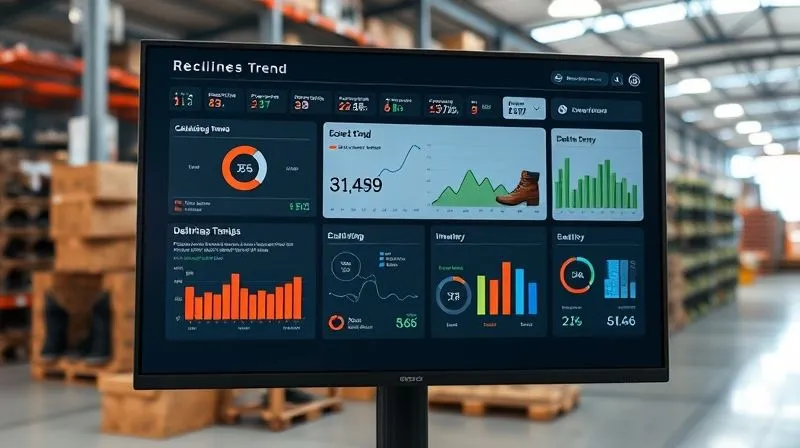
By visualizing these trends, you can quickly identify styles that are losing traction and make proactive decisions.

Monitoring Macro & Micro Trends: The Art of Observation
While data analytics provides the 'what,' understanding macro and micro trends helps explain the 'why.' As a veteran in this industry, I've learned that truly successful forecasting blends quantitative data with qualitative trend analysis.
Cultural Shifts & Celebrity Influence
Fashion doesn't exist in a vacuum. Broader cultural shifts, societal values, and celebrity endorsements (or lack thereof) profoundly impact boot styles. For instance, a move towards comfort and athleisure might diminish demand for highly structured, formal boots. Conversely, a resurgence of vintage aesthetics could boost specific retro boot styles. Keep an eye on pop culture, major events, and how influential figures are dressing. What are they wearing on the red carpet? What styles are dominating music videos and major fashion weeks?
Material Innovation & Sustainability Drives
The materials boots are made from can also signal a style's longevity or decline. New innovations like sustainable vegan leathers, recycled rubber soles, or advanced waterproofing technologies can make older, less innovative styles seem obsolete. Consumers are increasingly valuing sustainability and ethical production. A boot style that doesn't align with these growing values might see a quicker decline, regardless of its aesthetic appeal.
Social Media Sentiment Analysis
Social media is a real-time barometer of public interest. Beyond just tracking mentions, employ sentiment analysis tools to gauge the mood around specific boot styles. Are comments positive, negative, or neutral? Are people actively discussing and sharing new ways to style a boot, or are they talking about what's next? Platforms like TikTok, with their rapid trend cycles, are particularly potent for observing the rise and fall of micro-trends. A decline in user-generated content featuring a particular boot style is a strong indicator of waning interest.

The Role of Supplier & Retailer Collaboration
Forecasting decline isn't a solo act. Strong, transparent relationships across the supply chain are paramount. Collaboration can significantly enhance your ability to react swiftly and minimize waste.
Agile Supply Chains & Flexible Ordering
Work with your manufacturers and suppliers to establish more agile supply chain practices. This might include shorter lead times, smaller minimum order quantities (MOQs), and the ability to reorder quickly based on real-time sales data. The traditional model of ordering huge batches months in advance is a major contributor to excess inventory. By building flexibility, you can test new styles with less risk and scale back on declining ones more efficiently.
Sharing Market Intelligence
Retailers have direct consumer interaction; suppliers have insights into material availability and emerging production capabilities. Share market intelligence openly. Your retail partners can provide invaluable feedback on customer preferences, in-store trends, and even competitor activities. Conversely, suppliers might alert you to new material costs or production efficiencies that could influence product development. This symbiotic relationship creates a more informed and responsive ecosystem, allowing everyone to anticipate shifts better.
| Benefit | Impact on Forecasting |
|---|---|
| Reduced Lead Times | Enables quicker response to declining trends, less inventory risk. |
| Lower MOQs | Allows for smaller test runs, reducing commitment to potentially declining styles. |
| Shared Market Insights | Combines retailer feedback with supplier capabilities for richer trend analysis. |
| Optimized Production Schedules | Aligns manufacturing with real-time demand, preventing overproduction. |
Implementing Robust Inventory Management Systems
Even with impeccable forecasting, you need the right systems to manage your inventory effectively. This isn't just about counting boots; it's about strategic deployment and timely liquidation.
Dynamic Replenishment Strategies
Move beyond static reorder points. Implement dynamic replenishment that adjusts based on current sales velocity, predicted demand, and lead times. If a boot style shows signs of decline, your system should automatically reduce future orders or even flag it for discontinuation. This requires a sophisticated inventory management system (IMS) that integrates with your sales data and forecasting models.
Markdown Optimization & Exit Strategies
Accept that some styles will decline, and have a clear exit strategy. This means not waiting until a style is completely dead before discounting. Markdown optimization uses data to determine the optimal time and depth of discount to maximize revenue and clear inventory efficiently. Consider various exit channels: flash sales, outlet stores, wholesale to discounters, or even donation/recycling programs for unsellable stock. The goal is to recover as much value as possible and make space for new, trending styles.
Case Study: How 'Striding Success' Footwear Optimized Inventory
Striding Success, a mid-sized boot brand, faced perennial issues with excess inventory, particularly with their trendy fashion boots. Their forecasting relied heavily on historical sales and anecdotal buyer feedback. After two consecutive seasons of significant write-offs, they decided to overhaul their approach to how to forecast declining boot styles to prevent excess inventory waste?
They implemented a new IMS integrated with a predictive analytics platform. This system began tracking sales velocity, return rates, and social media sentiment for each SKU in real-time. When their popular 'Eclipse' glitter boot started showing a 15% week-over-week drop in sales velocity and a 5% increase in returns, the system flagged it as 'high risk for decline.'
Instead of waiting for the end of the season, Striding Success initiated a phased markdown strategy. They also leveraged their agile supply chain to cancel outstanding orders for the 'Eclipse' boot and reallocated production capacity to emerging styles identified by their new forecasting tools. This proactive approach allowed them to clear the 'Eclipse' inventory at a 20% markdown, rather than the typical 50% they'd previously endured. The result was a 25% reduction in dead stock for that season and a significant improvement in cash flow. This demonstrated the power of integrated data and swift action.
Building an Internal Trend Forecasting Team
Technology is a tool, but it needs skilled human hands to wield it effectively. A dedicated, cross-functional trend forecasting team is invaluable for synthesizing data, interpreting trends, and making informed strategic decisions.
Skills & Tools for Effective Forecasting
Your team should ideally comprise individuals with diverse skill sets: data analysts, fashion designers, merchandisers, and marketing specialists. They need access to not only your internal sales data but also external trend reports (e.g., WGSN, Stylesight), consumer insights platforms, and social media monitoring tools. Training in statistical analysis, machine learning concepts, and qualitative research methods (like semiotics) is crucial. Foster a culture of continuous learning and curiosity.
Regular Review Cycles & Adaptation
Forecasting isn't a one-off task; it's an ongoing process. Establish regular (e.g., monthly or quarterly) review cycles where your team assesses current trends, revisits forecasts, and adjusts strategies based on new data. The market is constantly evolving, and your forecasting models must evolve with it. Encourage open discussion, challenge assumptions, and be prepared to pivot. As Harvard Business Review often emphasizes, organizational agility is key to navigating volatile markets.
Strategic Product Development & Diversification
The best way to mitigate risk from declining styles is to have a balanced product portfolio and a forward-thinking development pipeline. This involves a strategic approach to what you design and bring to market.
Investing in Timeless vs. Trendy Styles
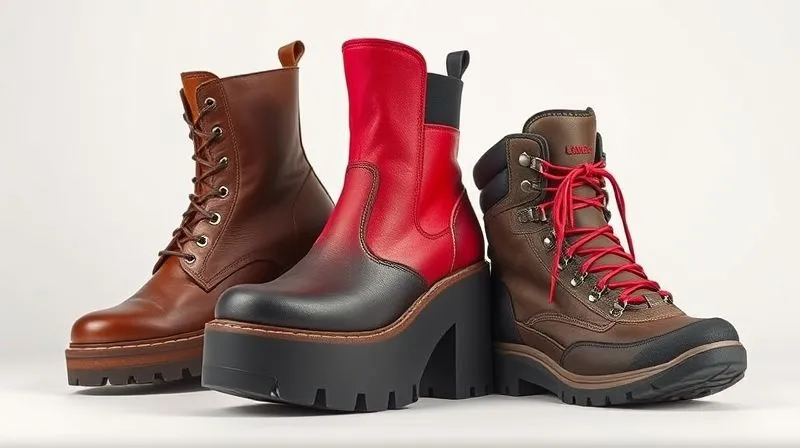
A healthy boot collection should strike a balance. Invest in a core range of 'timeless' or 'classic' boot styles (e.g., well-made leather Chelsea boots, sturdy work boots) that have consistent demand year after year. These provide stability. Then, allocate a smaller, more agile portion of your budget to 'trendy' or 'fashion-forward' styles. These are higher risk but offer higher potential margins if you nail the trend. When forecasting decline, focus your efforts on managing the lifecycle of these trendy items, while your timeless pieces act as a buffer.
Exploring Niche Markets
Diversifying into niche markets can also reduce overall inventory risk. Instead of putting all your eggs in one broad 'fashion boot' basket, consider specialized segments like ethical vegan boots, performance hiking boots, or boots designed for specific subcultures. These niches often have more stable, albeit smaller, demand and can be less susceptible to the rapid, unpredictable swings of mainstream fashion. This strategy ensures that even if one major style declines, your overall business remains resilient.
Overcoming Common Forecasting Pitfalls
Even with the best tools and teams, certain human biases and analytical errors can derail your forecasting efforts. Recognizing and actively mitigating these pitfalls is crucial for accurate predictions on how to forecast declining boot styles to prevent excess inventory waste?
Confirmation Bias & Hindsight Bias
Confirmation bias is the tendency to seek out and interpret information in a way that confirms one's own preconceptions. If a buyer or designer is personally attached to a boot style, they might unconsciously downplay negative data or overemphasize positive signals. Hindsight bias, or the 'I-knew-it-all-along' effect, makes past events seem more predictable than they actually were, leading to overconfidence in future forecasts. Combat these by encouraging critical thinking, diverse perspectives in your forecasting team, and a data-first approach that challenges assumptions.
Ignoring the 'Why' Behind the Data
While data tells you 'what' is happening (e.g., sales are declining), it doesn't always tell you 'why.' Simply observing a drop in sales without understanding the underlying reasons (e.g., shift in consumer values, new competitor, negative PR, changing weather patterns) limits your ability to respond strategically. Blend quantitative data with qualitative insights from market research, customer feedback, and trend analysis to get the full picture. The 'why' informs your pivot, not just your markdown strategy.
| Pitfall | Solution |
|---|---|
| Confirmation Bias | Encourage diverse opinions, use blind data reviews, challenge assumptions. |
| Hindsight Bias | Document initial forecasts & rationales, learn from actual outcomes objectively. |
| Ignoring the 'Why' | Combine quantitative data with qualitative market research & customer feedback. |
| Over-reliance on Past Data | Incorporate forward-looking indicators like social media trends & expert predictions. |
Frequently Asked Questions (FAQ)
Q: How quickly can a boot style decline, and how does this affect forecasting? A: The speed of decline varies significantly. Fast fashion trends can peak and decline within a single season (3-6 months), while more classic styles might see a gradual decline over several years. This acceleration means your forecasting needs to be agile, with shorter review cycles and a greater reliance on real-time data. For fast-moving styles, you might need weekly or bi-weekly checks, whereas quarterly might suffice for slower-moving staples.
Q: What role does sustainability play in forecasting boot style decline? A: A significant role. As consumer awareness of environmental and ethical issues grows, boot styles that are perceived as unsustainable, made with harmful materials, or produced unethically are more prone to rapid decline. Conversely, styles incorporating recycled materials, vegan alternatives, or transparent supply chains can gain longevity. Integrating sustainability metrics into your trend analysis is becoming non-negotiable.
Q: Can AI fully replace human intuition in boot trend forecasting? A: Not entirely, at least not yet. AI excels at processing vast amounts of data, identifying patterns, and making predictions based on historical trends. However, human intuition, creativity, and the ability to interpret nuanced cultural shifts, spot truly novel ideas, and understand emotional drivers of fashion remain crucial. The most effective approach is a hybrid model where AI empowers human experts, allowing them to focus on strategic insights rather than manual data crunching.
Q: How do small brands with limited resources approach forecasting declining boot styles? A: Small brands can still be effective. Focus on leveraging free or low-cost tools: diligent social media monitoring, engaging directly with your customer base for feedback, attending local fashion events, and closely observing competitor activities. Start with basic sales velocity tracking in spreadsheets before investing in complex software. Prioritize agile production and smaller batches to minimize risk, and build strong relationships with local suppliers.
Q: What are the primary financial benefits of effective forecasting to prevent inventory waste? A: The benefits are substantial. Firstly, it leads to a significant reduction in carrying costs (storage, insurance, obsolescence). Secondly, it frees up capital that would otherwise be tied up in unsold inventory, improving cash flow. Thirdly, it reduces the need for heavy markdowns, protecting profit margins. Lastly, it minimizes environmental waste and enhances brand reputation, attracting conscious consumers.
Key Takeaways and Final Thoughts
- Embrace Data-Driven Decisions: Move beyond intuition. Leverage sales velocity, sell-through, return rates, and predictive analytics to inform your strategy.
- Monitor Beyond Your Own Sales: Keep a pulse on macro-economic shifts, cultural trends, social media sentiment, and competitor activities.
- Foster Collaboration: Work closely with suppliers and retailers to create agile supply chains and share invaluable market intelligence.
- Implement Robust Systems: Utilize dynamic replenishment and well-defined markdown optimization strategies to manage inventory efficiently.
- Build a Skilled Team: Invest in a cross-functional forecasting team that combines analytical prowess with fashion sensibility.
- Diversify Your Portfolio: Balance timeless classics with carefully managed trendy styles, and explore niche markets for stability.
- Combat Biases: Actively identify and mitigate cognitive biases that can skew your forecasting accuracy.
Forecasting declining boot styles isn't a dark art; it's a discipline built on data, observation, collaboration, and continuous learning. In my years, I've seen companies transform their fortunes by mastering this skill, turning potential losses into strategic gains. By implementing these strategies, you're not just preventing excess inventory waste; you're building a more resilient, profitable, and responsive footwear business that is truly future-proof. The future of your inventory, and indeed your brand, depends on the proactive steps you take today.
Recommended Reading
- 7 Steps: What to Do When Your Athletic Shoe Material Fails?
- 5 Steps to Measure True Environmental Impact of Fashion Supply Chain?
- 5 Expert Strategies: Stop Functional Textile Coating Degradation Post-Wash
- Unearthing Obscure Costume Details: A Filmmaker's 7-Step Research Guide
- Luxury Sponsorships: 7 Reasons Your Style Guides Fall Short


Your email address will not be published. Required fields are marked *