

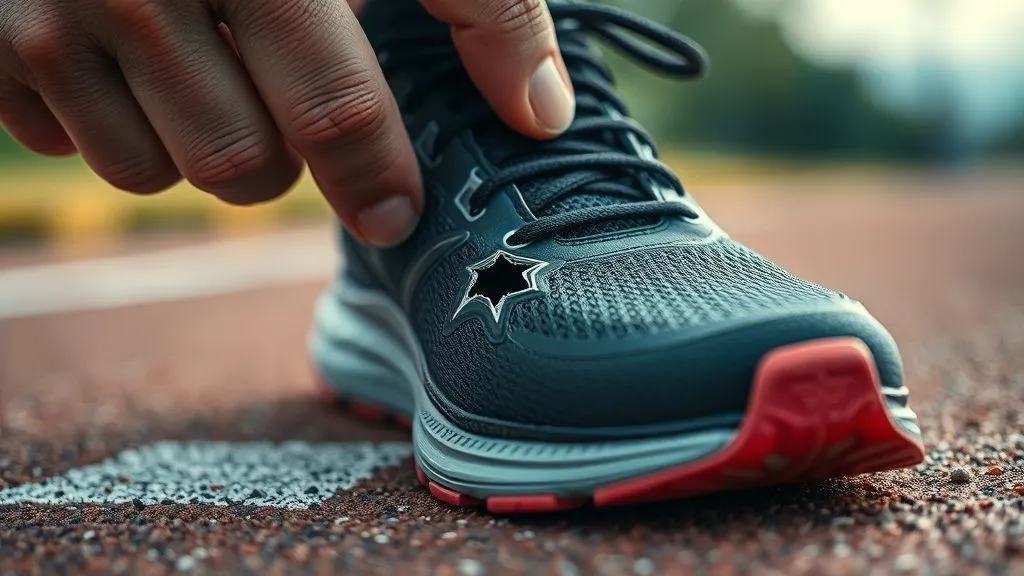
What to do when athletic shoe material fails unexpectedly?
For over 15 years, immersed in the intricate world of athletic footwear, I've seen countless innovations, incredible performance leaps, and, inevitably, the frustrating moments when even the most advanced materials give out. It’s an experience that can be incredibly disheartening, particularly when you’ve invested in a pair of shoes you rely on for your runs, training, or daily comfort. That sudden tear, the unexpected delamination, or a sole that simply gives up the ghost prematurely isn’t just an inconvenience; it can derail your routine and leave you questioning your investment.
The pain point is real: you trust your gear to perform, to support you, and to last a reasonable amount of time. When athletic shoe material fails unexpectedly, it feels like a betrayal. Is it a manufacturing defect? A sign of poor quality? Or perhaps, something you could have prevented? These questions swirl, often leading to immediate thoughts of discarding the shoes and buying a new pair, which isn't always the most economical or sustainable solution.
But before you toss those beloved sneakers, know this: there's often a clear path forward. In this definitive guide, I'll walk you through a series of actionable steps, drawing from my extensive industry experience, to assess the damage, explore viable solutions, understand your consumer rights, and ultimately, make informed decisions. We'll uncover expert insights, practical frameworks, and even a case study to empower you when athletic shoe material fails unexpectedly, ensuring you're equipped to handle such setbacks with confidence and knowledge.
Understanding Athletic Shoe Material Failure: Beyond Wear and Tear
Before we dive into solutions, it's crucial to understand the 'why' behind material failures. Not all damage is simply due to heavy use. As an industry specialist, I've observed that unexpected failures often stem from a complex interplay of design, manufacturing, material science, and user factors.
Common Failure Points and Materials
Athletic shoes are intricate constructions, each component designed for a specific purpose. Understanding where and how they typically fail can inform your assessment:
- Upper Material (Mesh, Knit, Synthetic Overlays): Prone to tears, abrasions, or unraveling. Mesh can snag, knit can stretch or fray, and synthetic overlays can delaminate from the base fabric.
- Midsole (EVA, PU, PEBA foams): The cushioning engine of the shoe. Foam can compress permanently, lose its responsiveness, or crack, especially around flex points.
- Outsole (Rubber, carbon rubber): Designed for traction and durability. Common failures include excessive wear in high-impact zones, lugs tearing off, or delamination from the midsole.
- Glue/Adhesives: The unsung heroes holding everything together. Adhesive failure can lead to sole separation (the outsole peeling from the midsole), upper delamination, or toe cap detachment.
- Internal Linings/Heel Collar: Can wear through, exposing foam, or stitching can come undone, leading to discomfort.
Why Do Materials Fail Prematurely?
Unexpected failure isn't always a sign of poor quality, but it certainly can be. Here are the primary culprits I've identified:
- Manufacturing Defects: This is often the first suspicion. It could be poor stitching, insufficient adhesive application, a flawed material batch, or incorrect assembly. These issues typically manifest early in the shoe's life.
- Material Degradation: Over time, even unused shoes can degrade. EVA foam, for instance, can harden or crumble due to exposure to heat, cold, or UV light. Adhesives can dry out.
- Environmental Factors: Extreme temperatures (leaving shoes in a hot car), prolonged exposure to moisture (not drying shoes properly after a wet run), or harsh chemicals can accelerate material breakdown.
- Improper Use or Fit: While less common for 'unexpected' failure, using a shoe for an activity it wasn't designed for (e.g., trail running in road shoes) or an ill-fitting shoe can place undue stress on materials, leading to premature wear or tears.
- Storage Conditions: Storing shoes in damp, humid, or excessively hot environments can significantly shorten their lifespan, even if they're not being worn.
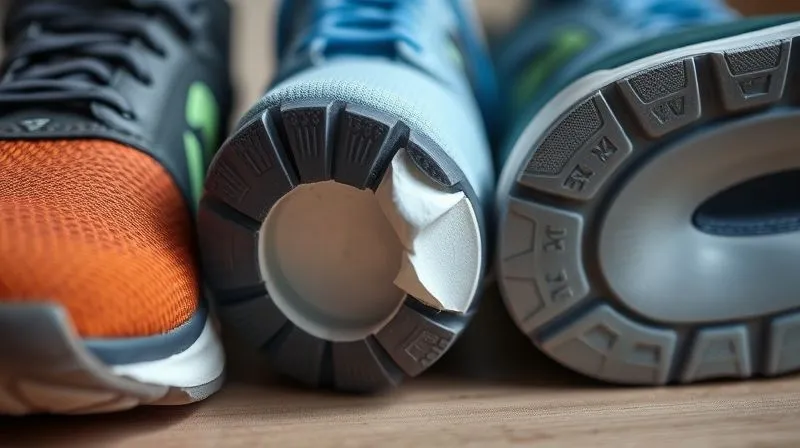
Immediate Assessment: Your First Steps Post-Failure
When you discover an unexpected material failure, don't panic. My first recommendation is always to pause and conduct a thorough assessment. This initial evaluation is critical for determining the best course of action.
Documenting the Damage
This step is non-negotiable, especially if you plan to pursue a warranty claim or professional repair.
- Stop Using the Shoe: Continuing to wear a damaged shoe can exacerbate the problem, make it irreparable, and potentially void any warranty.
- Clean the Shoe: Gently clean any dirt or debris from the affected area. This allows for a clearer view of the damage and prevents further contamination if repairs are attempted.
- Take Clear Photographs: Use your smartphone or a camera to take multiple high-resolution photos. Capture the specific area of failure from different angles. Include a full shot of the shoe, and a photo of the shoe's tongue or inside label showing the model and size. If possible, include the purchase receipt in one of the photos to establish proof of purchase and date.
- Note Down Details: Record the date the failure occurred, what activity you were doing, and approximately how many miles or hours you've used the shoes. This information will be invaluable for discussions with manufacturers or repair shops.
- Examine the Pair: Check the other shoe for similar signs of stress or impending failure. Sometimes, a defect might affect both shoes, even if only one has failed so far.
Safety First: When to Stop Wearing the Shoe
Beyond the potential to worsen the damage, wearing a compromised athletic shoe can pose significant safety risks. As someone deeply familiar with footwear biomechanics, I can tell you that even a small tear or separation can alter the shoe's intended support and stability.
- Loss of Support: A compromised upper or midsole can lead to improper foot alignment, increasing the risk of sprains or strains.
- Tripping Hazard: A delaminated outsole, especially at the toe or heel, can easily catch on surfaces, causing you to trip and fall.
- Blisters and Hotspots: Tears in the lining or upper can create abrasive points, leading to uncomfortable rubbing and skin irritation.
- Reduced Performance: Even if not immediately dangerous, a failed component means the shoe isn't performing as designed, impacting your athletic output and potentially leading to compensatory movements that cause other injuries.
Evaluating Repair Feasibility: DIY vs. Professional
Once you've assessed and documented the damage, the next logical step is to consider repair. This is where many consumers face a dilemma: should I try to fix it myself, or should I seek professional help? In my experience, the answer hinges on the type of damage and your own skill set.
DIY Quick Fixes: When They Work and When They Don't
For minor issues, a DIY approach can be effective and cost-efficient. However, it's crucial to manage expectations. DIY fixes are generally temporary and best suited for extending the life of a shoe that's already nearing retirement, or for very specific, small-scale problems.
- Sole Separation (Minor): For small, localized areas where the outsole is peeling from the midsole, a strong, flexible adhesive like Shoe Goo or Barge Cement can work. Clean both surfaces thoroughly, apply a thin, even layer, press firmly, and clamp or weigh down for at least 24-48 hours.
- Small Upper Tears: For tiny snags or holes in mesh uppers, a fabric patch (iron-on or sew-on, depending on the material) can prevent further tearing. Use a strong, flexible fabric glue designed for synthetics.
- Lace Eyelet Repair: If a plastic or fabric eyelet has torn, you might be able to create a new one using a strong needle and thread, or by reinforcing the area with a small piece of durable fabric and punching a new hole.
- Worn Heel Linings: Specialized heel liner repair patches can be purchased and glued in place to prevent further wear and discomfort.
When DIY Fails: DIY solutions are generally not suitable for structural damage, large tears, significant midsole compression, or issues affecting the shoe's support or cushioning. Attempting complex repairs without the right tools or expertise can often worsen the problem and make professional repair impossible.
The Value of Professional Shoe Repair
For more substantial or structural issues, a professional shoe repair specialist (cobbler) is your best bet. These artisans possess specialized tools, adhesives, and materials that are far superior to what's available to the average consumer. They can often:
- Re-attach entire soles with industrial-grade adhesives and presses.
- Replace worn outsoles (though this is more common for dress shoes, some specialists can work with athletic outsoles).
- Patch or reinforce complex upper tears with matching materials and professional stitching.
- Address internal structural issues, such as heel counters.
While professional repair incurs a cost, it can be significantly less than buying a new pair of high-performance athletic shoes, and it's a far more sustainable option. It's a testament to the adage, 'buy quality, repair often.'
| Repair Aspect | DIY Repair | Professional Repair |
|---|---|---|
| Cost | Low (materials only) | Moderate (labor + materials) |
| Effectiveness | Temporary, superficial | Long-lasting, structural restoration |
| Tools Required | Basic household items, specific glues | Specialized industrial equipment |
| Skill Level | Basic dexterity | Expert craftsmanship, experience |
| Warranty Impact | Likely voids warranty | May or may not affect warranty, depending on manufacturer policy and repair type |
Navigating Warranties and Returns: Your Consumer Rights
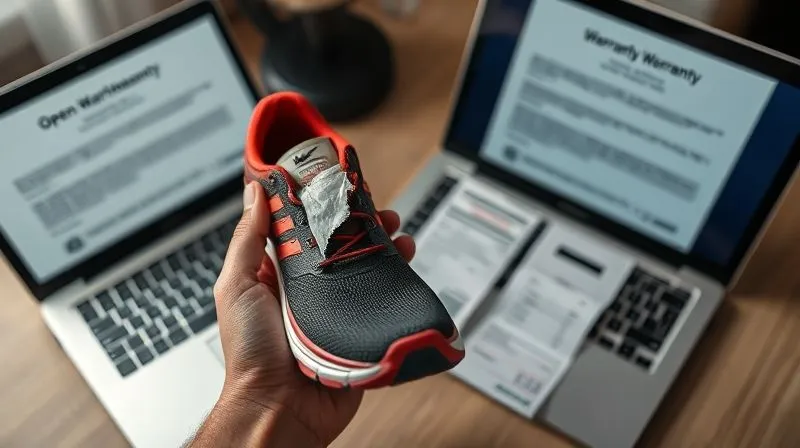
This is often the most overlooked yet powerful avenue when athletic shoe material fails unexpectedly. Most reputable athletic shoe manufacturers offer warranties against material and workmanship defects. Understanding these policies and knowing how to navigate them can save you money and frustration.
Understanding Manufacturer Warranties
Warranties vary significantly between brands, but generally, they cover manufacturing defects, not normal wear and tear or damage from misuse. For instance, a sole peeling off after two weeks of normal use is likely a defect; a worn-through outsole after 500 miles is normal wear. I always advise my clients to:
- Check the Brand's Website: Most major athletic shoe brands have a dedicated 'Warranty' or 'Returns' section on their official website detailing their policy, duration, and claim process.
- Understand the Duration: Warranties typically range from 30 days to one year from the date of purchase. Some premium brands might offer longer.
- Know What's Covered: Focus on 'material and workmanship defects.' This usually includes issues like stitching coming undone, adhesives failing, or materials tearing without excessive force.
- Keep Proof of Purchase: Your original receipt or order confirmation is crucial. Without it, a claim is often impossible.
It's also worth noting that consumer protection laws in your region (e.g., the Federal Trade Commission in the US) provide baseline rights that can sometimes supersede manufacturer policies, especially if a product is not 'fit for purpose.' For more information on consumer rights regarding defective products, you can consult resources like the Federal Trade Commission's consumer guides.
Steps for a Successful Warranty Claim
Based on my observations of numerous successful (and unsuccessful) claims, here’s a structured approach:
- Review the Warranty Policy: Ensure your situation aligns with the manufacturer's stated terms.
- Gather All Documentation: This includes your detailed photos of the damage, the purchase receipt, and any notes on the shoe's usage.
- Contact Customer Service: Reach out to the manufacturer's customer service department. Many brands prefer initial contact via an online form or email, allowing you to attach photos. Be polite, clear, and concise in your communication.
- Describe the Problem Accurately: Explain what happened, when it occurred, and how you were using the shoes. Avoid accusatory language; focus on the facts.
- Follow Their Instructions: They might ask for more photos, for you to ship the shoes back for inspection, or direct you to the retailer where you purchased them.
- Be Patient but Persistent: Warranty claims can take time. If you don't hear back within their stated timeframe, follow up politely.
Case Study: Sarah's Running Shoe Warranty Success
Case Study: How Sarah Secured a Replacement for Her Defective Running Shoes
Sarah, an avid marathon runner, purchased a new pair of high-performance running shoes for $180. After just 75 miles, roughly two months into ownership, she noticed the mesh upper on her right shoe had developed a significant tear along a seam, despite no impact or unusual stress. She knew this wasn't normal wear and tear for a shoe designed for hundreds of miles.
Following the steps outlined above, Sarah immediately stopped wearing the shoes. She took detailed photos of the tear from multiple angles, including a close-up of the seam and a shot of the shoe's internal label. She located her original online purchase receipt and noted down the exact date the tear appeared and her estimated mileage. She then visited the shoe manufacturer's website, found their warranty policy, which covered material defects for up to one year, and submitted an online claim form with all her documentation.
Within three business days, she received an email from the brand's customer service. They requested she ship the shoes back for a physical inspection, providing a pre-paid shipping label. Approximately two weeks later, Sarah received an email confirming that the damage was indeed a manufacturing defect. The company apologized and issued a full credit for her to select a brand new pair of shoes of equal value from their website. Sarah successfully replaced her defective shoes, demonstrating that persistence and proper documentation pay off when athletic shoe material fails unexpectedly.
Preventative Measures: Extending Your Athletic Shoe's Lifespan
While unexpected material failures can occur, many common issues can be mitigated with proper care and informed choices. As an expert, I always emphasize that prevention is better than cure, especially when it comes to your valuable athletic footwear.
Proper Care and Maintenance Practices
Simple habits can significantly extend the life and performance of your shoes:
- Clean Regularly: After muddy runs or heavy use, gently brush off loose dirt. For deeper cleaning, use a mild soap (like dish soap diluted in water) and a soft brush or cloth. Avoid harsh chemicals or machine washing, which can damage adhesives and materials.
- Air Dry Thoroughly: Never put wet shoes in a dryer, which can warp materials and degrade adhesives. Remove insoles, loosen laces, and stuff shoes with newspaper (change frequently) to absorb moisture. Air dry at room temperature away from direct heat or sunlight.
- Store Properly: Keep shoes in a cool, dry place away from direct sunlight and extreme temperatures. Avoid storing them in plastic bags where moisture can get trapped.
- Rotate Your Shoes: If you're an active individual, having two or more pairs of athletic shoes to rotate is highly beneficial. This allows the cushioning to decompress and dry out completely between uses, extending the lifespan of each pair.
- Lace Correctly: Ensure laces are snug but not overly tight. Over-tightening can put undue stress on eyelets and upper materials.
For more detailed guidelines on athletic shoe care, resources like Runner's World often publish comprehensive guides specific to different types of running shoes and materials.
Choosing the Right Shoe for the Activity
This might seem obvious, but it's a frequent overlooked factor in premature wear. Using a road running shoe for aggressive trail running, or a lightweight trainer for heavy cross-training, places stresses on materials they weren't designed to handle. Always match your footwear to your activity:
- Road Running Shoes: Designed for asphalt and pavement, with cushioning and smooth outsoles.
- Trail Running Shoes: Feature aggressive lugs for traction, reinforced uppers for protection, and often a rock plate for underfoot shielding.
- Cross-Training Shoes: Offer lateral stability, a flatter sole for lifting, and durable uppers for multi-directional movements.
- Specialty Sport Shoes: Basketball, tennis, soccer, etc., each have unique design elements to support specific movements and impacts.
The Importance of Rotation
I cannot stress enough the importance of shoe rotation for active individuals. Just like your muscles need recovery, your shoe's cushioning materials need time to decompress and rebound to their original state. Wearing the same pair day in and day out doesn't allow this, leading to faster compression and breakdown of the midsole foam. Rotation also helps distribute wear and tear across multiple pairs, extending the overall life of your footwear collection.
When to Retire Your Shoes: Beyond Material Failure
Sometimes, a shoe's material doesn't fail catastrophically, but its performance degrades to a point where it's no longer serving its purpose effectively. Knowing when to retire a shoe is as important as knowing what to do when athletic shoe material fails unexpectedly.
Beyond the Obvious: Performance Degradation
A shoe doesn't need a hole to be 'worn out.' The most common sign of a shoe nearing the end of its life is the degradation of its midsole cushioning. This happens gradually, making it hard to notice day-to-day. Signs include:
- Loss of Responsiveness: The shoe feels 'flat' or less bouncy than when new.
- Increased Firmness: The cushioning feels harder, offering less shock absorption.
- Creasing in the Midsole: Visible compression lines, especially on the medial side, indicate the foam is breaking down.
- Uneven Outsole Wear: While some wear is normal, excessive or asymmetrical wear can indicate a loss of support or an underlying biomechanical issue exacerbated by a worn shoe.
- Upper Stretching: The upper might feel loose, losing its ability to securely hold your foot.
Listening to Your Body: Injury Prevention
Your body is the ultimate sensor. If you start experiencing new aches or pains in your feet, ankles, knees, or hips that you didn't have before, especially during or after activity, your shoes could be the culprit. Worn-out cushioning and support can lead to:
- Plantar fasciitis
- Shin splints
- Runner's knee
- Stress fractures
- Achilles tendonitis
Don't wait for a material failure to force a shoe retirement. Prioritize your body's health and performance. For insights into how footwear affects biomechanics and injury risk, reputable sources like the American College of Sports Medicine (ACSM) offer valuable research and guidelines.
| Checklist Item | Indicator | Action |
|---|---|---|
| Visible Midsole Compression | Yes/No | Consider replacement |
| Loss of Cushioning/Responsiveness | Yes/No | Consider replacement |
| Upper Stretching/Looseness | Yes/No | Consider replacement |
| Excessive Outsole Wear (smooth spots) | Yes/No | Consider replacement |
| New Aches/Pains After Activity | Yes/No | Definitely replace |
| Total Mileage/Hours (approx.) | [Input Value] | Compare to recommended lifespan (e.g., 300-500 miles for running shoes) |
The Future of Footwear: Innovations in Durability and Sustainability
The footwear industry is not static; it's constantly evolving. As an insider, I'm particularly excited about the advancements aimed at enhancing durability and promoting sustainability, which directly address the problem of unexpected material failure.
Advanced Materials and Manufacturing
Researchers and brands are pouring resources into developing next-generation materials that are lighter, more responsive, and crucially, more durable. We're seeing:
- Enhanced Foams: New polymer blends and supercritical foaming processes create midsoles that retain their cushioning properties for longer and are more resistant to compression set.
- Reinforced Uppers: Innovations in knit technologies and woven materials are producing uppers with higher tensile strength and abrasion resistance, without sacrificing breathability or flexibility.
- Bio-based and Recycled Materials: The drive for sustainability is leading to materials that not only perform well but also have a reduced environmental footprint, often with inherent durability advantages.
- 3D Printing and Additive Manufacturing: These technologies allow for precise control over material distribution, enabling the creation of intricate structures optimized for both performance and longevity, minimizing waste in the process.
Understanding these material advancements is key to appreciating the future of footwear. For deeper dives into cutting-edge material science in textiles and footwear, academic resources like ScienceDirect offer a wealth of research papers.
The Rise of Repairability and Circular Economy
Beyond new materials, the industry is increasingly embracing principles of the circular economy. This means designing products for longevity, repairability, and ultimately, recyclability or reuse.
- Modular Designs: Some brands are experimenting with shoes where components like outsoles or midsoles can be easily replaced, extending the shoe's functional life.
- Take-back Programs: Many major brands now offer programs where you can return your old shoes, regardless of condition, for recycling or repurposing. This ensures materials don't end up in landfills.
- Focus on Durability: There's a growing market demand for products that last, pushing brands to prioritize durability alongside performance and aesthetics.
This shift is vital for reducing waste and ensuring that when athletic shoe material fails unexpectedly, there are systemic solutions in place. Organizations like the Ellen MacArthur Foundation are at the forefront of advocating for circular economy principles across industries, including fashion and footwear.
Making Informed Choices: Your Role as a Consumer
Ultimately, you, the consumer, hold significant power. By making informed purchasing decisions and advocating for quality, you contribute to a better, more reliable footwear landscape. When faced with the question of what to do when athletic shoe material fails unexpectedly, your prior choices play a huge role.
Researching Brands and Reviews
Before making a purchase, invest time in research. Don't just look at aesthetics or initial comfort. Delve into:
- Brand Reputation: Do they have a history of quality and good customer service?
- Material Specifications: What materials are used, and are they known for durability?
- User Reviews: Pay attention to reviews that mention longevity, specific failure points, or how the brand handled warranty claims. Look for patterns in feedback.
- Expert Reviews: Consult independent reviewers and industry experts who put shoes through rigorous testing.
Asking the Right Questions Before Purchase
Don't hesitate to ask questions, whether in-store or online:
- What is the expected lifespan of this shoe for my activity level?
- What specific technologies or materials contribute to its durability?
- What is the warranty policy for this particular model?
- Are there any known issues or common wear patterns for this shoe?
"In my extensive time within the footwear industry, I've learned that the most empowered consumer isn't just someone who knows how to fix a problem, but someone who understands how to prevent it and demand better. Your purchasing decisions are a vote for quality and durability."

Frequently Asked Questions (FAQ)
Q: Is it always a manufacturing defect if my athletic shoe material fails unexpectedly? A: Not always, but it's a strong possibility, especially if the failure occurs early in the shoe's life (within the first few months or 100 miles) and isn't due to obvious misuse or extreme wear. Manufacturing defects include faulty stitching, poor adhesive application, or a flawed material batch. However, environmental factors (like leaving shoes in a hot car), improper storage, or using the shoe for an activity it wasn't designed for can also cause premature failure. A thorough assessment and documentation are key to determining the cause.
Q: Can I simply glue my sole back on if it separates, or is professional repair necessary? A: For small, localized sole separations, a high-quality, flexible shoe adhesive (like Shoe Goo or Barge Cement) can often provide a temporary or even long-lasting DIY fix, provided the surfaces are clean and properly clamped. However, for extensive separation, or if the midsole itself is compromised, professional repair is highly recommended. Cobblers have industrial-grade adhesives and presses that ensure a much stronger, more durable bond, restoring the shoe's structural integrity more effectively than most home attempts.
Q: How long should I expect athletic shoes to last before material failure or performance degradation? A: The lifespan varies greatly depending on the shoe type, materials, activity, and individual. For running shoes, the general guideline is 300-500 miles, or 4-6 months of regular use. Cross-training shoes might last longer in terms of mileage but could degrade faster with intense lateral movements. Even if materials don't visibly fail, the midsole cushioning will compress and lose its shock-absorbing properties, which is a critical reason to retire shoes for injury prevention.
Q: What if the warranty period for my athletic shoes has expired but the material failure seems like a defect? A: While an expired warranty significantly reduces your options, it's not always a dead end. First, consider if your local consumer protection laws offer any recourse for products that are not 'fit for purpose' or fail prematurely. Second, you can still contact the manufacturer's customer service, politely explain the situation, and provide documentation. While they are not obligated to assist, some brands, especially those focused on customer loyalty, might offer a discount on a new pair or a goodwill gesture, particularly if the failure is clearly unusual for the shoe's age.
Q: Are more expensive athletic shoes inherently more durable and less prone to unexpected material failure? A: Not necessarily. While higher price often correlates with advanced materials and construction, which can contribute to durability, it doesn't guarantee immunity from defects or premature wear. Sometimes, lightweight, high-performance shoes use more delicate materials or complex constructions that can be more susceptible to specific types of failure. Conversely, some mid-range shoes are built like tanks. It's more about the specific design, materials used, and manufacturing quality of that particular model, rather than just the price tag. Researching reviews and brand reputation for durability is more effective than relying solely on cost.
Key Takeaways and Final Thoughts
Navigating the unexpected failure of athletic shoe material can be frustrating, but it doesn't have to be a dead end. As we've explored, a methodical approach, informed by expert insights, can lead to positive outcomes.
- Assess and Document: Always stop using the damaged shoe and thoroughly photograph and detail the failure. This is your foundation for any next steps.
- Consider Repair: For minor issues, DIY fixes can offer a reprieve, but for structural integrity, professional cobblers are invaluable.
- Leverage Warranties: Understand your manufacturer's warranty and consumer rights. A well-documented claim is often successful.
- Prioritize Prevention: Proper care, activity-specific shoe choices, and rotation are crucial for extending lifespan and avoiding premature failure.
- Listen to Your Body: Beyond visible damage, performance degradation and new aches are clear signals it's time to retire shoes for your health.
- Be an Informed Consumer: Research brands, materials, and reviews. Your choices shape the industry's direction towards greater durability and sustainability.
In my years in the footwear industry, I've seen brands continually innovate, striving for the perfect balance of performance, durability, and comfort. While unexpected failures can occur, your ability to respond effectively transforms a setback into an opportunity for learning and advocating for better products. Don't let a material failure deter you; use these strategies to get back on track, extend the life of your gear, and make smarter choices for your next pair. Your journey, and your feet, deserve the best support.
Recommended Reading
- Best Activewear for CrossFit Beginners: Crush Your First WOD!
- 7 Ways Bridal Stylists Ensure Comfort in High-Fashion Wedding Shoes
- Ultimate Guide: Best Travel Accessories to Secure Valuables Abroad
- 5 Design Principles: Discreetly Integrating Orthotics in High-Fashion Footwear
- 7 Pillars: How to Prevent Streetwear from Losing Niche Appeal


Your email address will not be published. Required fields are marked *