

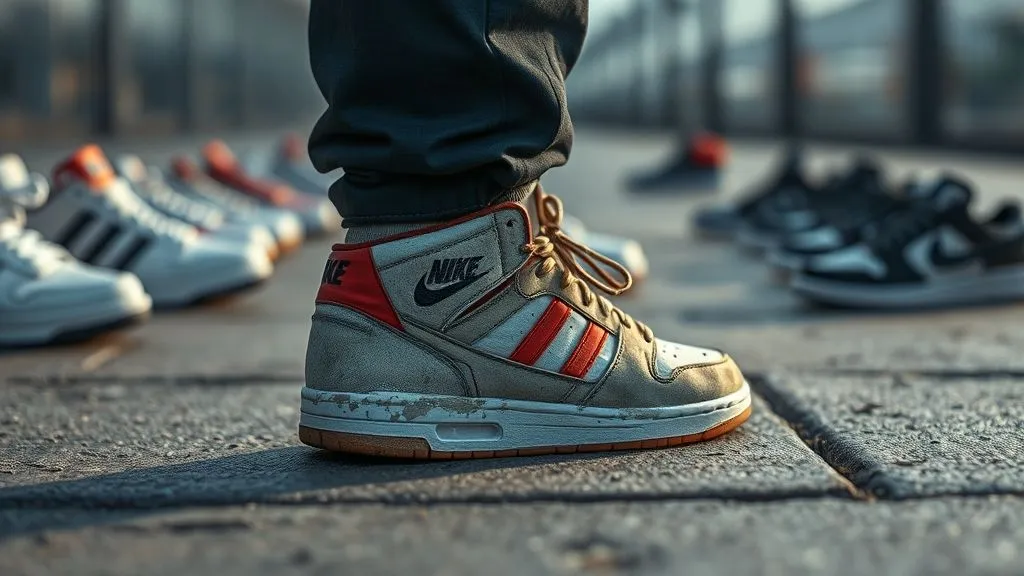
How to prevent contemporary urban streetwear from losing its niche appeal?
For over two decades immersed in the dynamic world of fashion, particularly within the pulsating heart of streetwear, I've observed a recurring, almost inevitable cycle: a vibrant subculture emerges, gains traction, and then, as its popularity crests, faces the existential threat of dilution. It's a journey from the underground to the mainstream, often culminating in the very essence that made it special being commodified and, ultimately, lost.
The contemporary urban streetwear landscape, once a fiercely independent bastion of creativity and self-expression, now stands at a critical juncture. Its unique appeal, born from authentic street culture, limited drops, and a defiant anti-establishment ethos, is constantly under pressure from mass-market appropriation and the relentless pursuit of fleeting trends. Many brands find themselves wrestling with the paradox of success: how to grow without sacrificing the soul that attracted their initial followers.
In this definitive guide, drawing from my extensive experience and insights from industry leaders, I will lay out a comprehensive framework. We'll explore seven critical pillars designed to fortify your brand against dilution, ensuring your contemporary urban streetwear maintains its distinctive niche appeal, fosters genuine community, and thrives authentically in an ever-evolving market. This isn't about resisting change, but about mastering evolution with integrity.
Understanding the Core Threat: From Subculture to Commodity
Before we can fortify, we must first diagnose. The primary threat to streetwear's niche appeal isn't just competition; it's the very mechanism of its success. What begins as a genuine expression of a subculture—skate, hip-hop, graffiti—eventually catches the eye of the wider market. This attention brings growth, but also the insidious risk of homogenization.
"Authenticity is not something you buy; it's something you earn through consistent, genuine engagement with your community and unwavering adherence to your core values." - An industry veteran's observation.
I've witnessed countless brands, once heralded as pioneers, falter when they chase scale at the expense of their foundational identity. The unique design language, the limited runs, the grassroots marketing—all the elements that cultivated a devoted following—are often sacrificed in pursuit of broader appeal, leading to a loss of distinctiveness.
The Paradox of Popularity
Streetwear's journey from niche to global phenomenon is a double-edged sword. Increased visibility means more sales, but it also means more imitators and a higher likelihood of your unique aesthetic being watered down by fast fashion or luxury brands adopting superficial elements. The challenge is to navigate this without becoming just another 'fashion brand' in a crowded market.
- Mass Production vs. Exclusivity: The tension between meeting demand and maintaining the allure of scarcity.
- Trend Adoption vs. Trend Setting: The risk of becoming a follower rather than an innovator.
- Global Reach vs. Local Roots: How to expand without losing touch with the specific urban cultures that birthed the brand.
Pillar 1: Re-centering on Authenticity and Narrative
In a world saturated with fleeting trends, the most enduring streetwear brands are those built on an unshakeable foundation of authenticity. This isn't just about 'looking' authentic; it’s about genuinely embodying the values, stories, and cultural touchstones that resonate deeply with your target audience. It's the bedrock for how to prevent contemporary urban streetwear from losing its niche appeal.
Crafting an Unassailable Brand Story
Your brand's narrative is its soul. It's the 'why' behind your 'what'. This story needs to be more than just marketing; it must be ingrained in every stitch, every campaign, and every interaction. It's about translating the raw energy of urban culture into a compelling identity that can't be easily replicated.
- Define Your Origin: What specific subculture, artistic movement, or urban experience gave birth to your brand? Be specific and genuine.
- Identify Your Values: What does your brand stand for? Is it rebellion, innovation, community, sustainability, or a fusion? These values must guide all decisions.
- Weave It into Everything: From product design to social media content, customer service, and collaborations, ensure your narrative is consistently present.
- Tell Personal Stories: Highlight the individuals behind the brand, the artists you collaborate with, and the community you serve. Humanize your brand.
As Seth Godin eloquently states, "People do not buy goods and services. They buy relations, stories, and magic." His insights underscore the power of narrative over mere product features.
Case Study: The Rise of 'Concrete Canvas'
Consider 'Concrete Canvas,' a fictional streetwear brand I’ve observed. They launched with a clear mission: to translate the raw, unfiltered art of underground graffiti artists from their city onto wearable canvases. Instead of just printing designs, they partnered directly with local artists, giving them a platform and a share of the profits. Their drops were limited, often tied to specific urban events or art exhibitions, making each piece a wearable artifact of a moment. This deep, authentic connection to their roots, combined with a compelling narrative of empowering local talent, allowed them to cultivate a fiercely loyal following that valued their genuine commitment over fleeting trends, demonstrating a powerful strategy for how to prevent contemporary urban streetwear from losing its niche appeal.
Pillar 2: Deepening Community Engagement and Co-Creation
Streetwear, at its heart, is a community-driven phenomenon. Its origins are grassroots, born from shared experiences and collective identity. To maintain its niche appeal, brands must move beyond transactional relationships and cultivate genuine, two-way engagement with their audience. This isn't just about selling; it's about building a tribe.
Beyond the Transaction: Fostering a Tribe
In my experience, the brands that thrive long-term are those that view their customers not just as consumers, but as active participants in their journey. This involves creating spaces—both physical and digital—where the community can connect, share, and even contribute to the brand's evolution.
- Host Local Events: Sponsor skate jams, art battles, pop-up shops in unexpected urban locations, or music events that align with your brand's ethos.
- Solicit Direct Feedback: Create exclusive channels (e.g., Discord servers, private forums) where loyal customers can offer input on design, materials, and future collections.
- Amplify Fan Content: Regularly feature user-generated content, showing how your community styles your pieces and lives your brand's values.
- Collaborate with Community Members: Go beyond established artists; partner with emerging photographers, stylists, or even loyal customers for limited edition projects.
The benefits of this deep engagement are manifold:
- Increased Loyalty: Customers feel a sense of ownership and belonging.
- Authentic Marketing: Word-of-mouth becomes your most powerful tool.
- Innovation Pipeline: Direct insights from your core audience can inform future designs.
- Resilience: A strong community acts as a buffer against market fluctuations and fleeting trends.
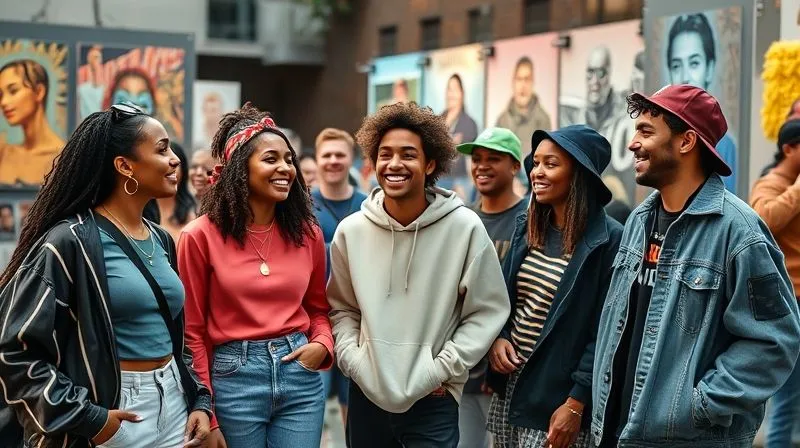
Pillar 3: Strategic Scarcity and Controlled Distribution
One of the foundational principles of streetwear's allure has always been its exclusivity. The 'drop' culture, limited editions, and curated distribution channels are not mere marketing gimmicks; they are critical tools for maintaining desirability and preventing market saturation. This strategic approach is vital for how to prevent contemporary urban streetwear from losing its niche appeal.
"In an era of endless choice, scarcity creates value. It transforms a product from a commodity into a coveted artifact, fostering desire and a sense of belonging for those who acquire it." - A lesson learned from observing successful launches.
The challenge lies in balancing demand with availability without alienating your core audience or creating an artificial sense of hype that eventually rings hollow. It's about thoughtful, not manipulative, scarcity.
The Art of the Drop: More Than Just Hype
A well-executed drop builds anticipation, rewards loyal customers, and reinforces your brand's exclusive identity. It's a carefully orchestrated event that requires precision and a deep understanding of your audience's behavior.
- Limited Editions: Clearly define the number of units and stick to it. Transparency builds trust.
- Timed Releases: Announce drops well in advance, creating anticipation. Consider region-specific timings to cater to your global audience fairly.
- Exclusive Access: Offer early access to loyal customers, mailing list subscribers, or community members as a reward.
- Strategic Retail Partnerships: Distribute through a select few, highly curated boutiques or online platforms that align with your brand's image, rather than widespread retail.
- Anti-Bot Measures: Implement technology to prevent bots from snatching up inventory, ensuring real customers have a fair chance.
The business insights from Harvard Business Review consistently highlight that perceived scarcity can significantly increase consumer demand and willingness to pay, provided the product's value justifies the effort.
Measuring Impact: Scarcity vs. Accessibility
It's crucial to measure the impact of your scarcity strategy. While high demand is good, excessive frustration can lead to customer churn. A balanced approach ensures sustained interest without alienating potential buyers.
| Strategy | Benefit | Risk | Mitigation |
|---|---|---|---|
| Limited Edition Drops | High Hype, Exclusivity | Customer Frustration, Resale Market Exploitation | Fair Allocation, Anti-Bot Tech |
| Curated Retailers | Brand Image Control, Targeted Reach | Limited Market Penetration | Strategic Partnerships, Online Flagship |
| Community Early Access | Rewards Loyalty, Builds Tribe | Perceived Favoritism | Clear Criteria, Transparent Communication |
Pillar 4: Embracing Innovation and Artistic Collaboration
Streetwear has always been a crucible of innovation, constantly pushing boundaries in design, materials, and cultural expression. To prevent losing its niche appeal, brands must resist stagnation and actively seek out new forms of creative partnership and design evolution. It’s about being a trendsetter, not a trend follower.
I've always believed that true innovation isn't just about novelty; it's about thoughtful evolution that honors the past while boldly stepping into the future. This means not being afraid to experiment, to blend genres, and to challenge conventional aesthetics.
Pushing Design Boundaries
Innovation in design can manifest in many forms, from experimenting with sustainable materials to integrating new technologies or reinterpreting classic silhouettes. The goal is to offer something genuinely fresh and distinctive.
- Material Innovation: Explore recycled fabrics, organic cotton, or technical textiles that offer unique properties and align with ethical values.
- Silhouette Reinvention: Play with proportions, deconstruction, and modular designs that allow for versatility and personal expression.
- Functional Integration: Blend aesthetic appeal with practical utility, drawing inspiration from workwear, outdoor gear, or military apparel.
- Digital-Physical Fusion: Experiment with NFTs, augmented reality (AR) filters, or virtual try-ons that enhance the customer experience.
The Power of Unlikely Collaborations
Collaborations are a cornerstone of streetwear culture, but their impact hinges on their authenticity and strategic alignment. The most successful partnerships introduce new perspectives and audiences without diluting either brand's core identity.
Think beyond just other clothing brands. Consider artists from different mediums (sculptors, digital artists, musicians), architects, tech innovators, or even culinary figures. These unexpected pairings can generate immense buzz and create truly unique products that transcend typical fashion boundaries. For instance, a collaboration between a streetwear brand and an emerging AI artist for a limited-edition capsule collection could be groundbreaking. The key is to find partners whose ethos complements yours, even if their field is vastly different. Forbes often highlights the strategic value of such cross-industry partnerships.
Pillar 5: Leveraging Digital Presence with Purpose, Not Just Trend-Chasing
In the digital age, a brand's online presence is its storefront, its community hub, and its storytelling platform. However, simply being on every platform or chasing every viral trend can lead to a fragmented identity and a diluted message. To maintain niche appeal, streetwear brands must approach their digital strategy with intention and authenticity.
I’ve observed many brands fall into the trap of 'digital noise'—posting constantly without a clear purpose, diluting their aesthetic, and ultimately losing the distinct voice that attracted their audience in the first place. The goal is to curate a digital experience that mirrors the exclusivity and authenticity of your physical products.
Curating a Digital Experience, Not Just a Feed
Your digital presence should be an extension of your brand's world, offering value beyond just product imagery. It's about creating content that educates, inspires, and entertains your core audience, reinforcing your unique position in the market.
- High-Quality Visuals: Invest in professional photography and videography that captures the essence of your brand and products. Avoid generic stock imagery.
- Behind-the-Scenes Content: Share glimpses into your design process, collaborations, and the stories of your team or community. This builds transparency and connection.
- Educational Content: Offer insights into streetwear history, styling tips, cultural influences, or the craftsmanship behind your garments. Position yourself as an authority.
- Interactive Experiences: Utilize polls, Q&As, live streams, and user-generated content campaigns to foster direct engagement and make your audience feel heard.
- Platform Specialization: Understand which platforms best serve your core audience and focus your efforts there, rather than trying to be everywhere superficially. For example, TikTok for rapid trend insights, Instagram for visual storytelling, Discord for deep community interaction.
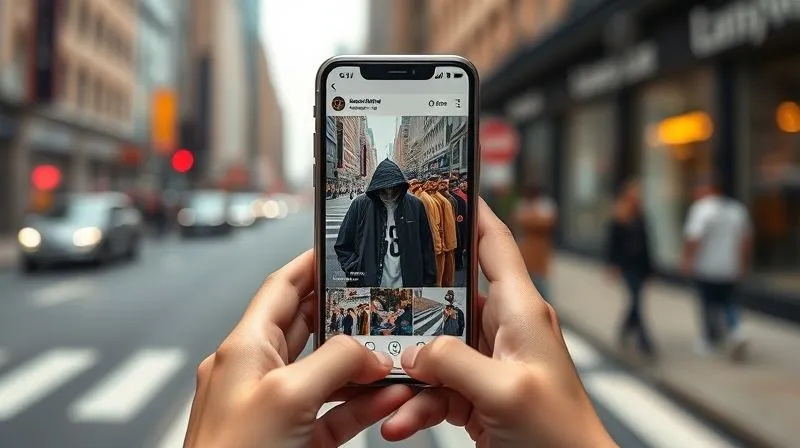
Pillar 6: Sustainable Practices and Ethical Production
The contemporary consumer, particularly within the urban youth demographic, is increasingly conscious of the environmental and social impact of their purchases. For streetwear brands, embracing sustainability and ethical production isn't just a moral imperative; it's a powerful differentiator that can solidify niche appeal and build long-term trust. It's a critical answer to how to prevent contemporary urban streetwear from losing its niche appeal in an evolving market.
"The future of fashion is not just about what you wear, but how it's made. Brands that embrace transparency and responsibility will not only survive but thrive by connecting with a generation that values purpose as much as product." - A reflection on market shifts.
This commitment goes beyond greenwashing; it requires genuine effort across the entire supply chain, from sourcing raw materials to manufacturing and distribution. It's about building a brand that stands for something meaningful.
The Conscious Consumer and Brand Loyalty
Consumers are actively seeking brands that align with their values. By demonstrating a clear commitment to sustainability and ethical practices, streetwear brands can attract a highly engaged and loyal customer base that is willing to invest in products with a conscience.
- Eco-Friendly Materials: Utilize organic cotton, recycled polyester, hemp, or innovative bio-based fabrics.
- Fair Labor Practices: Ensure transparent and ethical working conditions throughout your supply chain, from factories to workshops.
- Reduced Waste: Implement practices like made-to-order production, upcycling, or circular design principles to minimize environmental footprint.
- Transparency: Clearly communicate your sustainability efforts, certifications, and challenges to your audience. Honesty builds trust.
Transparency as a Niche Differentiator
In a market often criticized for its environmental impact, genuine transparency about your production process can be a powerful niche appeal. It sets you apart from brands that prioritize profit over planet and people.
| Aspect | Traditional Approach | Sustainable Approach |
|---|---|---|
| Material Sourcing | Lowest Cost, Any Origin | Certified Organic, Recycled, Local |
| Manufacturing | Offshore, High Volume, Low Wage | Fair Trade Certified, Local Artisans, Small Batches |
| Waste Management | Linear (Make-Use-Dispose) | Circular (Recycle, Upcycle, Repair) |
Pillar 7: Adapting, Not Assimilating: The Art of Evolution
The urban landscape is in constant flux, and so too must be the streetwear that draws its inspiration from it. The final, and perhaps most crucial, pillar is the ability to evolve without losing your core identity. This means adapting to new trends, technologies, and cultural shifts, but always filtering them through your brand's unique lens, ensuring you prevent contemporary urban streetwear from losing its niche appeal.
I’ve witnessed brands that rigidly cling to past glories eventually become irrelevant, and others that blindly chase every new trend lose their distinct voice. The sweet spot is thoughtful evolution—a continuous process of learning, experimenting, and refining while staying true to your foundational ethos.
Staying Ahead of the Curve, Not Chasing It
True innovation often comes from observing cultural undercurrents and anticipating future shifts, rather than simply reacting to what's already popular. This requires a deep connection to urban culture and a willingness to take calculated risks.
- Cultural Immersion: Stay deeply connected to the subcultures, art scenes, music, and social movements that influence your audience.
- Experimentation: Dedicate resources to R&D, exploring new designs, fabrics, and production techniques. Don't be afraid of small-scale failures.
- Feedback Loops: Continuously gather insights from your community and market data to inform your evolution.
- Strategic Partnerships: Collaborate with emerging talents or innovative companies that can bring fresh perspectives and capabilities to your brand.
- Storytelling Evolution: While your core narrative remains, find new ways to tell it, adapting to new media and audience preferences.
Frequently Asked Questions (FAQ)
Q: How can smaller streetwear brands compete with larger, more established brands without losing their niche? A: Smaller brands have an inherent advantage in authenticity and agility. Focus intensely on your unique narrative, build a hyper-local or hyper-specific community, and prioritize unique, limited drops over mass production. Leverage direct-to-consumer models and digital platforms to connect deeply with your audience, bypassing traditional retail gatekeepers. Your strength lies in your story and your ability to be genuinely grassroots.
Q: Is it possible to scale a streetwear brand globally while still maintaining its niche appeal? A: Yes, but it requires strategic thinking. Global scaling doesn't mean mass-market assimilation. It means understanding local nuances, forming regional community partnerships, and adapting your distribution strategically. Maintain your core brand identity and story, but allow for localized expressions or collaborations that resonate with specific international urban cultures. Controlled global expansion, much like controlled scarcity, is key.
Q: What are the biggest mistakes brands make when trying to prevent contemporary urban streetwear from losing its niche appeal? A: The most common mistakes are chasing trends blindly, sacrificing authenticity for perceived commercial viability, over-saturating the market with product, neglecting community engagement, and failing to evolve their brand story. Another crucial error is underestimating the intelligence and discernment of the streetwear consumer, who can quickly spot inauthenticity.
Q: How important is physical retail versus online presence for niche streetwear brands today? A: Both are vital, but their roles have evolved. Online presence is crucial for global reach, storytelling, and community building. Physical retail, especially through pop-ups, curated boutiques, or experiential spaces, offers an invaluable opportunity for tangible brand interaction, limited drops, and fostering a sense of exclusive belonging. It's about creating memorable experiences, not just transactions, in both realms.
Q: How can a brand effectively measure its authenticity and niche appeal? A: Measuring authenticity isn't purely quantitative. Look at engagement rates on community platforms (Discord, forums), sentiment analysis of social media comments, repeat purchase rates, and qualitative feedback from surveys or focus groups. Pay attention to how often your brand is mentioned organically in subculture discussions, and whether your audience perceives you as a 'cultural contributor' rather than just a 'clothing seller.'
Key Takeaways and Final Thoughts
The journey to prevent contemporary urban streetwear from losing its niche appeal is not a passive one; it demands vigilance, authenticity, and a deep understanding of its cultural roots. It's a continuous act of balancing growth with integrity, innovation with heritage. By focusing on the pillars we've discussed, brands can not only survive but truly thrive in this dynamic landscape.
- Authenticity is Non-Negotiable: Your brand's story and values must be genuine and consistently communicated.
- Community is Your Core: Foster deep, two-way relationships with your audience, making them participants, not just consumers.
- Scarcity is Strategic: Use controlled drops and curated distribution to maintain desirability, not just artificial hype.
- Innovate with Purpose: Push design boundaries and seek meaningful collaborations that enrich your brand, rather than dilute it.
- Digital Presence is Curated: Leverage online platforms for storytelling and engagement, avoiding the trap of digital noise.
- Sustainability is a Differentiator: Embrace ethical practices as a core value, resonating with conscious consumers.
- Evolve with Integrity: Adapt to change while staying true to your foundational identity, continually learning and refining.
In my decades in this industry, I've seen that the brands that truly last are those that never forget where they came from, who they serve, and what they stand for. Streetwear is more than just clothing; it's a statement, a lifestyle, a cultural movement. By nurturing its niche appeal with intention and integrity, you're not just building a brand—you're contributing to a legacy. Go forth and create with purpose.
Recommended Reading
- 6 Steps: Raw Fashion Sales Data to Actionable Design Insights
- Cracking the Code: What Are the Secrets to Streetwear Influencer Success?
- Unlock the Secret: Choosing Perfect Kids' Outfits for Outdoor Summer Weddings
- Safeguarding Biometrics: 7 Pillars for Secure Personalized Fashion
- The Ultimate Guide: What to Know Before Buying a Vintage Wedding Dress?



Your email address will not be published. Required fields are marked *