

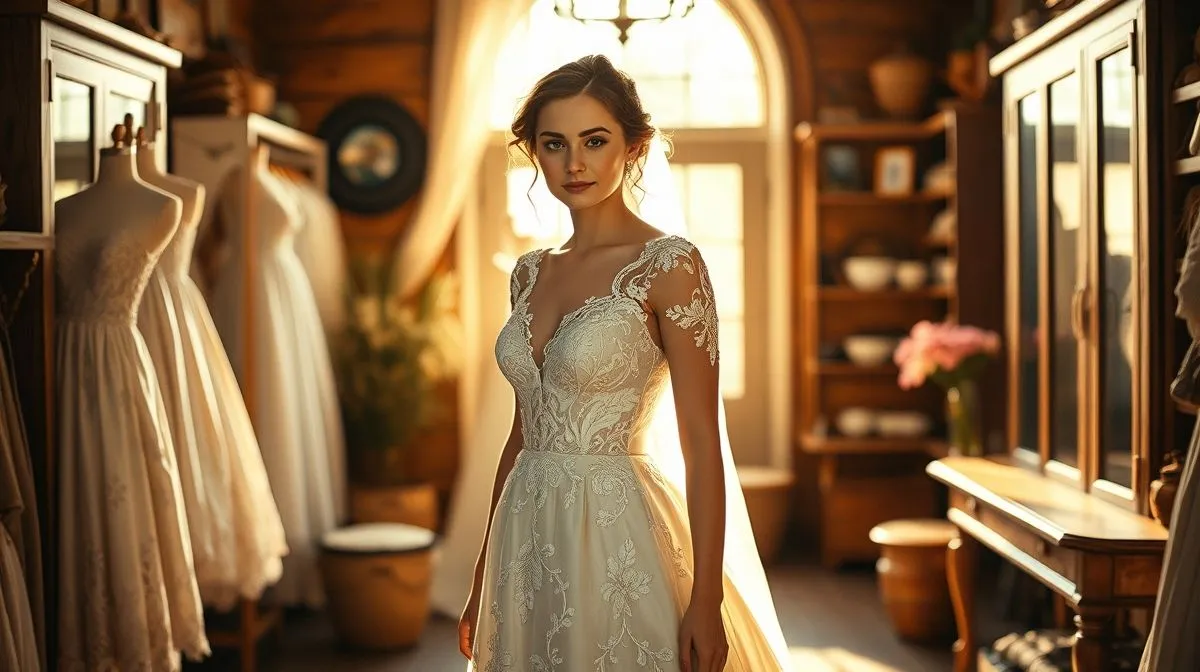
What to Know Before Buying a Vintage Wedding Dress?
Imagine stepping back in time, slipping into a gown that has a story to tell, a dress imbued with the romance and craftsmanship of a bygone era. For many brides, the allure of a vintage wedding dress is irresistible, offering a unique blend of history, sustainability, and unparalleled style that modern mass-produced gowns often lack. It’s a choice that speaks to individuality and a deep appreciation for artistry.
However, the journey to finding that perfect vintage gem can feel like navigating an uncharted sea. Unlike buying off-the-rack, purchasing an antique or pre-loved gown comes with its own set of considerations, from authenticity and condition to sizing and necessary alterations. Without the right knowledge, a dream dress can quickly become a daunting challenge.
This comprehensive guide will illuminate every facet of the vintage wedding dress buying process. By the end of this reading, you will be equipped with the expert knowledge and confidence to find, assess, and cherish a truly timeless piece that will make your wedding day unforgettable. We'll delve deep into what to know before buying a vintage wedding dress, ensuring your journey is as magical as the gown itself.
Defining 'Vintage': More Than Just 'Old'
The term 'vintage' is often used broadly, but in the realm of fashion, it carries specific connotations. A garment is generally considered vintage if it is at least 20 years old, while anything 100 years or older falls into the 'antique' category. Understanding the era of a dress is crucial, as each period boasts distinct silhouettes, fabrics, and construction techniques.
Eras and Styles: A Historical Glimpse
Each decade brought its own unique bridal aesthetic. Knowing these characteristics can help you identify a dress's origin and potential style:
- 1920s: Think flapper glamour – dropped waists, intricate beading, and often a more relaxed, straight silhouette. Fabrics like silk charmeuse and lace were prevalent.
- 1930s: Bias-cut gowns dominated, clinging to the body and flowing gracefully, often with dramatic trains. Satin and crepe were popular choices, emphasizing elegance and sophistication.
- 1940s: Wartime rationing influenced styles, leading to simpler, more utilitarian designs. Square shoulders, V-necks, and a focus on durability were common.
- 1950s: The 'New Look' brought back full skirts and cinched waists, epitomized by designers like Christian Dior. Ball gowns and tea-length dresses became popular, often in duchess satin or tulle.
- 1960s: Shift dresses, A-line silhouettes, and shorter hemlines emerged, reflecting a youthful, mod sensibility. Simplicity and clean lines were key.
- 1970s: Bohemian and romantic styles took hold, with empire waists, bell sleeves, and softer fabrics like chiffon and lace. Hippie-chic elements were common.
- 1980s: Characterized by voluminous sleeves, bold ruffles, and dramatic silhouettes, often with extensive lace and embellishments. Think Princess Diana's iconic gown.
True Vintage vs. Vintage-Inspired: Understanding the Difference
It's important to distinguish between a truly vintage garment and a modern 'vintage-inspired' dress. While both can be beautiful, only true vintage offers the authentic craftsmanship, historical significance, and unique patina that comes with age. Vintage-inspired dresses are new garments designed to replicate older styles, often produced with modern fabrics and manufacturing techniques. Always confirm authenticity if that's your priority.
The Hunt Begins: Where to Find Your Timeless Treasure
The quest for a vintage wedding dress is part of its charm. It's a treasure hunt that can take you to various unique places, each offering different advantages and considerations.
Specialized Vintage Bridal Boutiques
These boutiques are curated havens for vintage lovers. They often have expertly restored and carefully selected gowns, offering a personalized shopping experience. The staff are typically knowledgeable about eras, fabrics, and potential alterations.
- Pros: Expert guidance, dresses are often cleaned and repaired, ability to try on, higher quality selection.
- Cons: Generally higher prices due to restoration and curation, limited inventory compared to online.
Online Marketplaces and Platforms
The internet has revolutionized access to vintage fashion. Websites like Etsy, eBay, Stillwhite (for pre-owned modern and some vintage), and specialized vintage clothing sites offer vast selections from sellers worldwide. This is an excellent option for finding specific styles or designers.
- Pros: Enormous variety, competitive pricing, ability to shop globally.
- Cons: Inability to try on before buying, risk of misrepresentation (condition, authenticity), shipping costs and customs, potential for scams. Always request detailed photos and measurements.
Antique Fairs, Estate Sales, and Charity Shops
For the adventurous bride, these venues can yield incredible finds at bargain prices. It requires patience and a keen eye, as dresses may be hidden among other items and often require significant cleaning or repair.
- Pros: Potential for incredibly unique and rare finds, often significantly lower prices.
- Cons: Dresses are sold 'as is,' requiring more effort for cleaning and restoration. Limited selection, requires extensive searching.
Family Heirlooms: A Sentimental Journey
Perhaps the most personal option is to wear a family wedding dress. This carries immense sentimental value and a unique connection to your family's history. However, these dresses often require the most attention in terms of cleaning, restoration, and alteration to fit modern sizing and tastes. For more on the history of bridal fashion, consider exploring resources like the Victoria and Albert Museum's fashion archives.
The Essential Checklist: Condition, Fabric, and Authenticity
Once you've found a potential vintage gown, a thorough inspection is paramount. This step is crucial for understanding the true value and potential costs associated with the dress.
Inspecting for Damage: What to Look For
Vintage dresses have lived a life before you, and signs of age are inevitable. However, some damage is manageable, while other issues can be deal-breakers. Always examine the dress in good lighting:
- Stains: Yellowing (especially on white fabrics), water marks, oil stains, or mildew spots. Some can be treated, others are permanent.
- Tears and Holes: Check seams, underarms, and delicate areas like lace. Small tears can be mended, but extensive damage can be costly to repair.
- Fabric Weakness: Test the fabric gently in an inconspicuous area. Does it feel brittle? Does it tear easily? This is common with aged silk or rayon.
- Odor: A musty smell can indicate mildew or improper storage. While often treatable, a strong odor might be a red flag.
- Beading and Embellishments: Are beads missing? Is embroidery intact? Loose threads or missing elements can be time-consuming to replace.
Fabric Identification: Understanding Its Properties
The fabric dictates how a dress drapes, its durability, and how it will react to cleaning and alterations. Common vintage bridal fabrics include:
- Silk: Luxurious but delicate, prone to water stains and yellowing.
- Satin: Can be silk or rayon; prone to snagging and yellowing.
- Lace: Exquisite but fragile. Inspect for tears, especially at edges and seams.
- Organza/Tulle: Lightweight and airy, but can easily tear or snag.
- Crepe: Drapes beautifully but can be prone to shrinking or stretching.
Authenticity Markers: How to Verify a Dress's Origin
Determining if a dress is truly vintage involves looking for specific clues:
- Labels: Older labels often have different fonts, materials, or brand names. Some early garments might not have labels at all.
- Construction Techniques: Hand-stitching, specific seam finishes, or unique closures (e.g., metal zippers before plastic ones became common in the 1960s) can indicate age.
- Zippers and Buttons: Metal zippers before the 1960s, covered buttons, and specific button materials (e.g., bakelite, mother-of-pearl) can offer clues.
Sizing Realities: Vintage vs. Modern Measurements
This is perhaps one of the most critical aspects of buying a vintage wedding dress. Vintage sizing is drastically different from modern sizing. A vintage size 10 might be equivalent to a modern size 2 or 4. Always, always rely on precise measurements, not the tag size. Measure your bust, waist, and hips, and compare them to the dress's actual dimensions. It's almost always easier to take a dress in than to let it out, as seam allowances in vintage garments can be minimal.
The Art of Alteration and Restoration
Finding a vintage dress that fits perfectly off the rack is incredibly rare. Most will require some degree of alteration, and many will benefit from professional restoration or cleaning.
Finding a Specialist Seamstress: The Key to Success
This is not a job for just any tailor. Vintage fabrics and construction methods require a highly skilled seamstress who specializes in antique garments. They understand how delicate older materials behave, how to reinforce fragile seams, and how to make alterations without compromising the dress's historical integrity. Ask for references and view their portfolio of vintage work.
Common Alterations and Modernization
Even if a dress fits well, you might want to make minor adjustments to suit your style:
- Taking In: Most common alteration. Ensure there's enough fabric to allow for a good fit.
- Adding Sleeves or Straps: To provide more coverage or support.
- Hemming: Adjusting the length is usually straightforward, but intricate lace hems require expertise.
- Modernizing Silhouettes: Sometimes, a vintage dress can be subtly updated by removing shoulder pads (80s), adjusting a neckline, or adding a modern lining.
Cleaning and Preservation: A Delicate Process
Vintage dresses often need specialized cleaning. Standard dry cleaning can be too harsh for delicate older fabrics, causing damage or discoloration. Seek out conservators or dry cleaners who specialize in heirloom garments or textile preservation. They use gentle, hand-cleaning methods and archival-quality products to restore and protect the fabric. For more in-depth information on textile care, resources like the Smithsonian Institution's conservation practices can provide valuable insights.
Budgeting for Your Vintage Dream Dress
While often perceived as a more affordable option, the true cost of a vintage wedding dress extends beyond its initial purchase price. Understanding the full financial picture is essential for informed decision-making.
Purchase Price: A Wide Spectrum
The initial cost of a vintage wedding dress can vary dramatically. Factors influencing the price include:
- Era and Rarity: Older, rarer pieces from significant periods (e.g., 1920s couture) will command higher prices.
- Designer: Dresses by renowned designers (even if less common in bridal) will be more expensive.
- Condition: A pristine, ready-to-wear gown will cost more than a dress requiring extensive repairs.
- Where You Buy: Specialized boutiques will be pricier than charity shops or uncurated online listings.
Hidden Costs: Don't Be Surprised
The purchase price is often just the beginning. Factor in these potential additional expenses:
- Alterations: As discussed, a specialist seamstress for vintage work can be more expensive than a standard tailor.
- Specialized Cleaning/Restoration: Professional cleaning is a must for most vintage gowns and can be a significant cost.
- Repairs: Mending tears, reattaching beads, or reinforcing fragile areas adds to the budget.
- Shipping and Customs: If buying internationally online.
- Undergarments: Vintage silhouettes may require specific foundation garments to achieve the desired look.
Investment vs. Expense: A Unique and Sustainable Choice
Viewing a vintage wedding dress as an investment in a unique, sustainable, and historically rich piece can shift your perspective. You're not just buying a dress; you're acquiring a piece of history, reducing your environmental footprint, and ensuring your wedding day look is truly one-of-a-kind. For many, the intangible value far outweighs the financial outlay.
Styling Your Vintage Gown: Modern Touches for a Timeless Look
A vintage wedding dress offers a fantastic canvas for personal expression. The key is to blend its historical charm with contemporary elements to create a look that feels both authentic and current.
Accessories: Balancing Old and New
Your choice of accessories can dramatically influence the overall aesthetic:
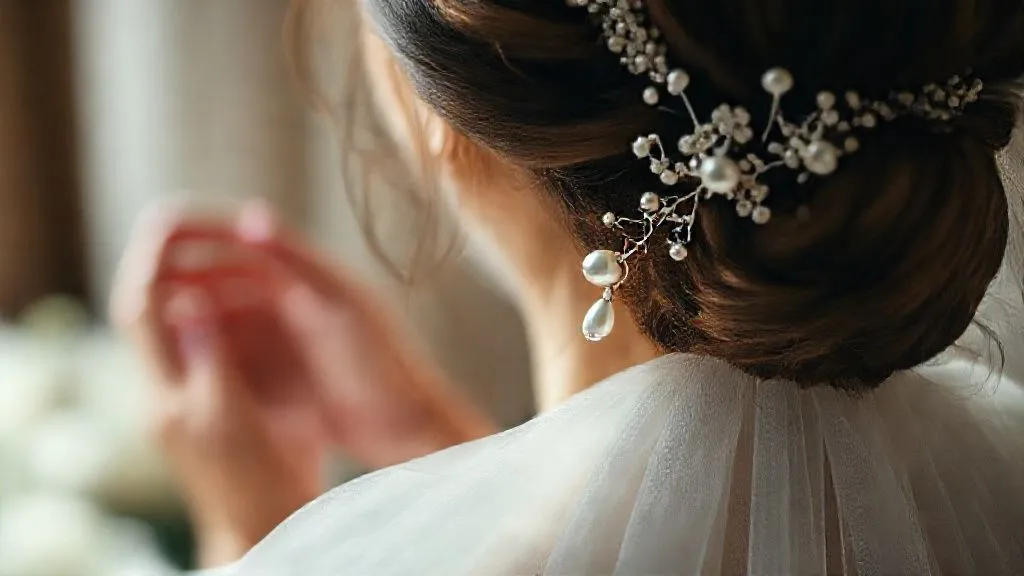
- Veils and Headpieces: Consider a cathedral-length veil for drama, or a birdcage veil for a nod to the 1920s. Vintage-inspired headbands or delicate hairpins can complement the era of your dress.
- Jewelry: Delicate pearls or Art Deco-inspired pieces can enhance a 1920s or 30s gown. For a bolder look, modern statement earrings can provide a beautiful contrast.
- Sashes and Belts: A contemporary belt can cinch the waist and add a touch of sparkle or color, updating the silhouette.
Footwear and Outerwear: Complementing or Contrasting
Your shoes and any cover-up should harmonize with the dress's era or intentionally provide a modern twist:
- Shoes: Classic pumps, delicate strappy heels, or even vintage-style block heels can work. Ensure they are comfortable for your wedding day!
- Outerwear: A faux fur stole for a winter wedding, a delicate lace bolero, or even a chic leather jacket can add personality and warmth.
Hair and Makeup: Drawing Inspiration, Staying Current
While drawing inspiration from the dress's era, avoid looking like you're in a costume. The goal is to create a cohesive, elegant look:
- Hair: Soft waves for a 1930s gown, a classic updo for a 1950s look, or a relaxed bohemian style for a 1970s dress.
- Makeup: A classic red lip for a 1940s or 50s dress, or a more natural, glowing look for a bohemian gown. Focus on enhancing your features rather than replicating an exact historical look.
Frequently Asked Questions (FAQ)
Can all vintage dresses be altered? While most vintage dresses can be altered, the extent depends on the fabric, construction, and available seam allowances. It's generally easier to take a dress in than to let it out. Always consult a specialist seamstress.
How do I clean a vintage wedding dress? It is highly recommended to seek professional cleaning from a textile conservator or a dry cleaner specializing in vintage and heirloom garments. Standard dry cleaning methods can damage delicate older fabrics.
Are vintage wedding dresses cheaper? Not necessarily. While some finds can be very affordable, the total cost often includes significant expenses for specialized cleaning, restoration, and alterations, which can make the final price comparable to a new gown.
How do I know if a dress is truly vintage? Look for authenticity markers such as labels, construction techniques (e.g., hand-stitching, specific seam finishes), and types of fasteners (e.g., metal zippers before the 1960s). Researching fashion history of different eras can also help in identification.
What to know before buying a vintage wedding dress is crucial for a successful purchase? Knowing your measurements, inspecting for damage, understanding fabric properties, and budgeting for alterations and cleaning are key.
Recommended Reading
- Best Leggings for Sweaty Workouts: Ultimate Comfort & Performance
- Broadway Costume Design: The Ultimate Guide to Stage Magic!
- Top Picks: Discover the Best Contemporary Urban Streetwear Brands Now!
- Apple Picking Perfection: Best Fall Accessories for Your Outfit
- Unlock Hyper-Realism: The Ultimate Guide to Improving Costume Design Sketch Realism
Conclusion
The decision to wear a vintage wedding dress is a deeply personal and wonderfully unique choice. It's an embrace of history, sustainability, and unparalleled character. By understanding what to know before buying a vintage wedding dress – from defining its era and knowing where to hunt for treasures, to meticulously inspecting its condition and budgeting for expert care – you empower yourself to make an informed and joyful decision. Your vintage gown won't just be a dress; it will be a piece of art, a conversation starter, and a tangible link to the past, ready to embark on a new chapter of your own love story. May your journey to finding your perfect timeless treasure be as enchanting as the dress itself.

Your email address will not be published. Required fields are marked *