

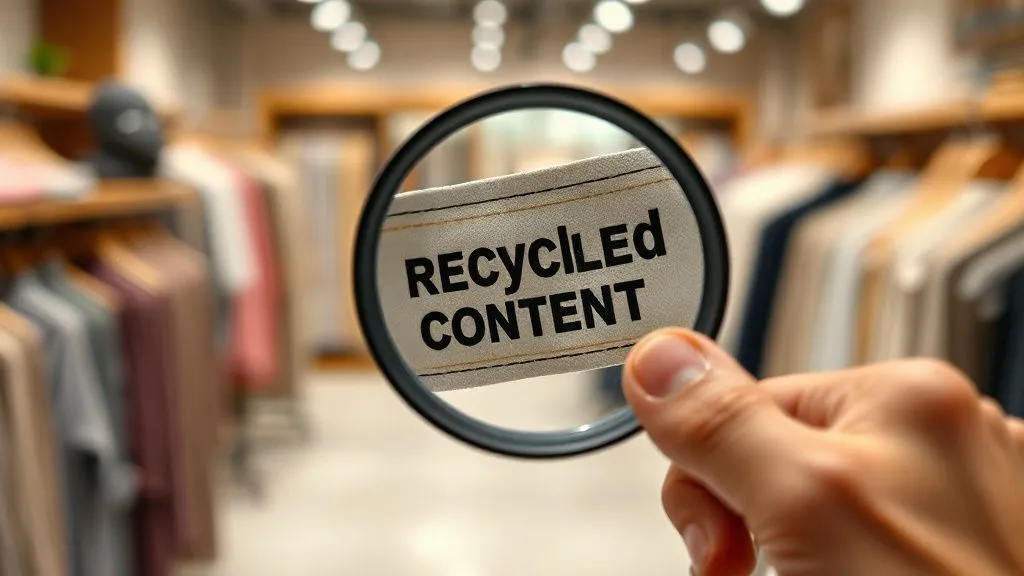
How to verify recycled material claims for ethical fashion?
For over 15 years in the sustainable fashion industry, I've witnessed a dramatic shift – from niche concern to mainstream aspiration. Yet, with this growth comes a significant challenge: the rise of greenwashing. It’s a frustrating reality when brands make bold environmental claims without the substance to back them up, and nowhere is this more prevalent than with recycled materials.
The problem isn't just misleading marketing; it erodes consumer trust and undermines the genuine efforts of truly ethical brands. As a conscious consumer, you want to make choices that align with your values, but navigating the labyrinth of certifications, buzzwords, and opaque supply chains can feel like an impossible task. You’re left wondering: how can I truly know if a brand’s recycled material claims are legitimate?
In this definitive guide, I will share my expert insights and provide you with actionable frameworks to cut through the noise. We'll explore the nuances of recycled materials, decode critical certifications, delve into supply chain transparency, and equip you with the tools to confidently verify claims, ensuring your ethical fashion choices truly make a difference.
The Murky Waters of Recycled Claims: Why Verification Matters
The allure of “recycled” is powerful. It conjures images of waste transformed, resources saved, and a healthier planet. And indeed, when done right, using recycled materials is a cornerstone of circular fashion. However, the term itself can be a broad umbrella, covering everything from genuinely innovative closed-loop systems to minimal inclusion of waste material, sometimes even derived from a brand's own factory scraps, rebranded as a significant environmental effort.
This ambiguity creates fertile ground for greenwashing, a deceptive marketing practice where companies mislead consumers about the environmental benefits of a product or service. In fashion, this often manifests as vague claims about sustainability, exaggerated eco-credentials, or selective disclosure of information. When it comes to recycled materials, a brand might proudly state “made with recycled content” without specifying the percentage, the source, or the verification process. This lack of detail makes it impossible for you, the consumer, to assess the true impact.
Why does this matter so profoundly? Firstly, it wastes your ethical dollar. If you're paying a premium for a “sustainable” garment that isn't truly sustainable, your money isn't supporting genuine change. Secondly, it dilutes the efforts of brands that are investing heavily in transparent, verifiable recycled material supply chains. And most critically, it slows down the urgent transition to a truly circular economy by allowing superficial efforts to masquerade as meaningful progress.
“In an industry rife with aspirational messaging, skepticism isn't cynicism; it's a necessary tool for genuine progress. Always question, always verify.”
My goal here is to empower you to distinguish between genuine commitment and clever marketing. Verification isn't about being an activist; it's about being an informed participant in a movement that genuinely seeks to transform how we produce and consume fashion.
Understanding the Landscape: Types of Recycled Materials & Their Claims
Before we dive into verification, it's crucial to understand what “recycled” truly means in the context of fashion. Not all recycled materials are created equal, and their impact can vary significantly.
Post-Consumer vs. Pre-Consumer Recycled Content
This distinction is fundamental. Post-consumer recycled (PCR) materials are derived from waste generated by end-users. Think of plastic bottles recycled into polyester fabric (rPET) or old fishing nets becoming nylon. This type of recycling diverts waste from landfills and oceans, giving new life to materials that have completed their initial lifecycle.
Pre-consumer recycled (PIC) materials, on the other hand, come from industrial waste created during the manufacturing process. This includes textile scraps, offcuts, or rejected materials from a factory. While still valuable in reducing waste, it's important to understand that this waste might have been destined for internal recycling or reuse anyway, and its environmental benefit isn't always as significant as diverting post-consumer waste.
Mechanical vs. Chemical Recycling
These are the two primary methods for processing recycled materials:
- Mechanical Recycling: This involves physically breaking down materials, cleaning them, and then melting and re-spinning them into new fibers. It's generally less energy-intensive and doesn't use harsh chemicals. Common examples include turning PET bottles into rPET fibers. However, the resulting fiber can sometimes be of lower quality and may only be recyclable a limited number of times.
- Chemical Recycling: This process breaks down materials at a molecular level, allowing them to be purified and repolymerized into virgin-like fibers. It can handle more complex waste streams and often produces higher-quality fibers, potentially allowing for more circularity. However, it is typically more energy-intensive and may use chemicals, though advancements are making it greener.
Common Recycled Materials in Fashion
You'll frequently encounter these materials in sustainable collections:
- Recycled Polyester (rPET): Most commonly made from plastic bottles, this is a widely adopted recycled fiber. Its production uses significantly less energy and water than virgin polyester.
- Recycled Cotton: Made from pre-consumer textile waste (like factory scraps) or post-consumer garments. It reduces textile waste and the demand for virgin cotton, which is resource-intensive.
- Recycled Nylon: Often sourced from discarded fishing nets, industrial plastic, and fabric scraps, it's used for swimwear, activewear, and outerwear.
- Recycled Wool: Typically from post-consumer wool garments or pre-consumer textile waste, it saves water, energy, and avoids new sheep farming impacts.
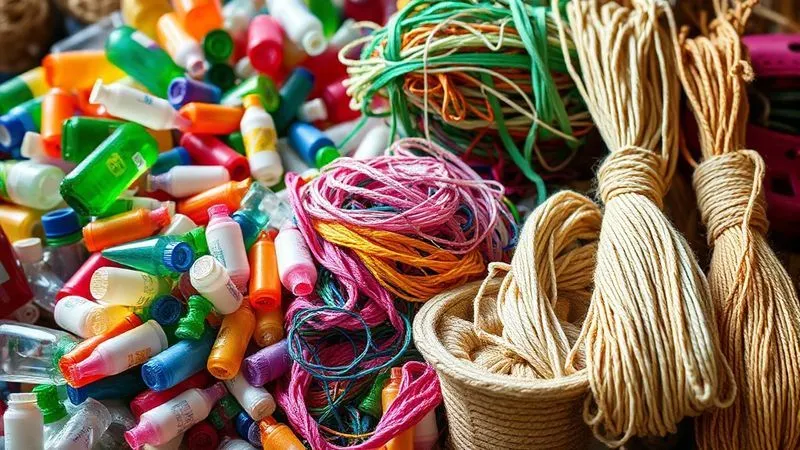
Understanding these distinctions is your first step in discerning truly impactful claims from superficial ones. A brand specifying “100% post-consumer mechanically recycled rPET” provides far more valuable information than a generic “recycled content.”
Decoding Labels & Certifications: Your First Line of Defense
Certifications are designed to be beacons of trust, guiding consumers through complex supply chains. However, the sheer number of labels can be overwhelming. As an expert, I've learned which ones carry real weight, especially when it comes to recycled materials.
Key Certifications for Recycled Content
- Global Recycled Standard (GRS): This is the gold standard for recycled content. GRS verifies recycled material input, but also addresses social and environmental practices, and chemical restrictions in processing. Crucially, it requires a minimum of 20% recycled content, but brands often highlight much higher percentages. Look for the GRS logo and the percentage of recycled content specified. Learn more about GRS here.
- Recycled Content Standard (RCS): Similar to GRS but less comprehensive, RCS focuses solely on verifying the presence and amount of recycled content in a final product. It doesn't include social or environmental processing requirements beyond material verification. It's a good baseline, but GRS offers a more holistic assurance.
- Oeko-Tex Standard 100: While not specifically a “recycled” certification, Oeko-Tex 100 certifies that textiles and fabrics are free from harmful substances. If a recycled material product carries this label, it assures you that the final item is safe from a chemical perspective, which is particularly important as some recycling processes can introduce contaminants.
- B Corp Certification: B Corp isn't a material-specific certification, but it signifies that a company meets high standards of verified performance, accountability, and transparency on factors from employee benefits and charitable giving to supply chain practices and input materials. A B Corp certified brand is more likely to have robust internal systems for verifying recycled content, even if they use GRS or RCS for specific products. Explore B Corp's rigorous standards.
Limitations and What to Watch For
No certification is a silver bullet. Some brands might only certify a small portion of their product line or use a less stringent standard. Always look for:
- Specifics: Does the brand state the *percentage* of recycled content? Is it GRS-certified recycled polyester, or just “recycled polyester”?
- Scope: Does the certification apply to the entire product, or just a component?
- Transparency: Does the brand provide links to their certificates or explain their certification process?
| Certification | Focus | Minimum Recycled Content | Key Benefit |
|---|---|---|---|
| GRS (Global Recycled Standard) | Recycled content + social/environmental practices + chemical restrictions | 20% | Comprehensive, holistic verification |
| RCS (Recycled Content Standard) | Recycled content only | 5% | Verifies recycled material presence |
| Oeko-Tex Standard 100 | Absence of harmful substances | N/A (final product safety) | Ensures chemical safety of product |
| B Corp Certification | Overall company social & environmental performance | N/A (company-level) | Indicates a generally responsible brand |
My advice? Prioritize brands that use GRS or RCS for their recycled content claims, and ideally, those that are also transparent about their broader sustainability efforts, perhaps through a B Corp certification or detailed sustainability reports.
The Supply Chain Deep Dive: Tracing Materials from Source to Stitch
Even with certifications, the true test of a recycled material claim lies in the supply chain. This is where the rubber meets the road, and where many brands fall short. As an industry veteran, I can tell you that a transparent supply chain is the bedrock of genuine sustainability.
Why Supply Chain Transparency is Paramount
Imagine a recycled plastic bottle. It's collected, sorted, cleaned, flaked, melted, spun into yarn, woven into fabric, dyed, cut, sewn, and then shipped to you. At each step, there's a risk of dilution, substitution, or mislabeling. Without visibility into this entire journey, a brand's claim is just that – a claim.
True transparency means a brand can identify its suppliers at every tier, from the recyclers who process the waste to the mills that spin the yarn and weave the fabric, all the way to the cut-and-sew factories. This level of detail allows for proper auditing and ensures that the recycled content is maintained throughout the production process.
What to Ask Brands About Their Supply Chain
When you're trying to verify recycled claims, look for brands that proactively share information or are willing to answer specific questions:
- “Can you name your primary suppliers for recycled materials (e.g., yarn producers, fabric mills)?”
- “Do you conduct third-party audits of your supply chain to verify recycled content? If so, which auditors?”
- “How do you ensure chain of custody for your recycled materials from source to final product?”
Brands that are genuinely committed will not only be able to answer these questions but often publish this information on their websites.
The Role of Blockchain and Digital Product Passports
Emerging technologies are revolutionizing supply chain transparency. Blockchain offers an immutable, decentralized ledger to record every transaction and transformation of a material, creating an unalterable digital trail from waste collection to finished garment. Similarly, Digital Product Passports (DPPs), soon to be mandated in the EU, will provide consumers with a QR code or NFC tag on products that links to comprehensive data about the item's origin, materials, manufacturing process, and recyclability.
Case Study: How TerraThreads Achieved Full Recycled Material Traceability
TerraThreads, a mid-sized activewear brand, faced skepticism about their 100% recycled polyester claims. Consumers were asking tough questions, and their marketing felt insufficient. By implementing a robust, blockchain-enabled tracking system for their rPET, they were able to trace every batch of plastic waste from collection points in Southeast Asia, through their certified recycling facilities, to the yarn spinners and fabric mills, and finally to their garment factories. Each product now carries a QR code linking to this detailed journey, including GRS certificates for each batch. This radical transparency not only rebuilt consumer trust but also allowed them to identify and optimize inefficiencies in their supply chain, ultimately strengthening their brand integrity and market position.
While blockchain and DPPs are still gaining traction, their potential to provide irrefutable proof of recycled content is immense. In the meantime, look for brands that are actively exploring or implementing such solutions.
Beyond the Label: Investigating Brand Transparency & Communication
A brand's commitment to recycled materials isn't just about what's on the label; it's deeply embedded in their overall transparency and how they communicate their sustainability journey. My experience has taught me that truly ethical brands don't just make claims; they tell a comprehensive story, backed by data and a willingness to be vulnerable about their challenges.
What to Look For in Brand Communication
When evaluating a brand, go beyond the product description. Look for:
- Dedicated Sustainability Reports: These annual or biennial reports detail a brand's environmental and social impact, including specific metrics on recycled material usage, waste reduction, carbon footprint, and labor practices. Look for quantitative data, not just qualitative statements.
- Impact Assessments: Some brands publish specific assessments for individual product lines or materials, detailing the lifecycle impact (e.g., water saved, CO2 emissions avoided) of using recycled content versus virgin materials.
- Clear Policies and Goals: Does the brand have stated goals for increasing recycled content, reducing virgin material use, or achieving circularity? Are these goals measurable and time-bound?
- Openness About Challenges: No brand is perfect. A truly transparent brand will acknowledge the complexities and challenges of sustainable production, rather than presenting a flawless image. They might discuss difficulties in sourcing specific recycled materials or the limitations of current recycling technologies.

“Genuine transparency isn't just about sharing good news; it's about building trust through honesty, even when discussing the hurdles. That's where true integrity resides.”
Red Flags in Communication
- Vague or Generic Language: “Eco-friendly,” “sustainable,” “green” without specific, quantifiable details.
- Lack of Data: Claims without supporting numbers, percentages, or verifiable certifications.
- Green-Sheen Marketing: Overemphasis on one minor positive aspect while ignoring larger negative impacts.
- No Contact Information for Sustainability Inquiries: A brand that makes bold claims but doesn't provide an avenue for customers to ask detailed questions about their practices is a red flag.
A brand that genuinely embraces recycled materials will integrate this commitment into their core narrative, providing context, data, and a clear vision for the future, rather than just a catchy tagline on a product.
Leveraging Technology and Third-Party Tools for Verification
In our increasingly digital world, technology is becoming an invaluable ally in the quest for supply chain transparency and material verification. Beyond certifications, several tools and initiatives are empowering both brands and consumers to gain deeper insights into recycled material claims.
Digital Product Passports (DPPs)
As mentioned earlier, DPPs are set to become a game-changer, especially with upcoming EU regulations. These digital records, accessible via a QR code on a garment, will contain comprehensive information about a product's lifecycle, including:
- Material composition and origin (e.g., type of recycled content, percentage, source of waste).
- Manufacturing details (where and by whom).
- Environmental impact data (e.g., carbon footprint, water usage).
- Repairability and end-of-life instructions (how to recycle or dispose of the item responsibly).
While not yet universally adopted, actively seek out brands that are early adopters of DPPs or similar digital traceability solutions. They are at the forefront of transparency.
Material Databases and Industry Benchmarks
Organizations like Textile Exchange offer a wealth of information and resources. Their Material Change Index, for example, tracks the industry’s progress toward more sustainable materials. Brands participating in such initiatives are typically more committed to verifiable claims. The Higg Index, developed by the Sustainable Apparel Coalition, provides standardized tools for companies to measure and score their environmental and social performance across the supply chain. While not directly consumer-facing for individual products, a brand’s participation and reported scores indicate a serious commitment to data-driven sustainability.
Independent Auditors and Verification Services
Beyond the certification bodies, some brands engage independent third-party auditors to verify specific aspects of their supply chain or material claims. These auditors provide an extra layer of scrutiny and can confirm that a brand's internal processes for tracking recycled content are robust. While this information isn't always public, a brand might mention their use of such services in their sustainability reports or FAQs.
- Blockchain platforms: Companies like TextileGenesis or Circularise offer blockchain solutions specifically for textile traceability, allowing brands to track fibers from origin to finished product.
- Material libraries: Online platforms like Material ConneXion or Future Materials Bank provide databases of innovative and sustainable materials, often with detailed information about their composition and certifications.
The landscape of technological verification is rapidly evolving. Staying informed about these advancements can give you an edge in identifying brands that are truly leading the charge in sustainable and ethical fashion.
What to Ask & What to Look For: A Practical Checklist for Consumers
Navigating the ethical fashion landscape can be daunting, but with the right questions and a keen eye, you can become a powerful force for change. Here's a practical checklist derived from my years of experience.
Red Flags to Watch Out For
- Generic “Eco-Friendly” or “Sustainable” Claims: Without specific details or certifications, these are often empty marketing terms.
- Lack of Transparency on Material Percentage: If a brand says “contains recycled materials” but doesn't specify the percentage, it could be a minimal amount.
- No Information on Source or Supply Chain: A brand that can't tell you where their recycled materials come from or who processes them is likely not doing robust verification.
- Unrealistic Price Points for High-End Claims: While sustainable fashion can be affordable, exceptionally cheap items claiming complex recycled content might be cutting corners elsewhere.
- Confusing or Contradictory Information: Inconsistent messaging across their website, social media, and product labels.
Key Questions to Ask Brands
Don't be afraid to reach out to brands directly via email or social media. Your questions drive demand for transparency!
- What percentage of this product is made from recycled content? Demand specifics.
- What type of recycled material is it (e.g., post-consumer rPET, pre-consumer cotton scraps)? Understand the impact.
- Which third-party certifications verify your recycled content (e.g., GRS, RCS)? Can you provide a certificate number or link? This is crucial for external validation.
- Can you describe your supply chain for this recycled material, from waste collection to final product? Look for willingness to share details.
- How do you ensure the quality and safety of your recycled materials, especially regarding chemical contaminants? This addresses potential hidden issues.
- Do you publish a sustainability report or impact assessment that details your recycled material usage and goals? Look for comprehensive commitment.
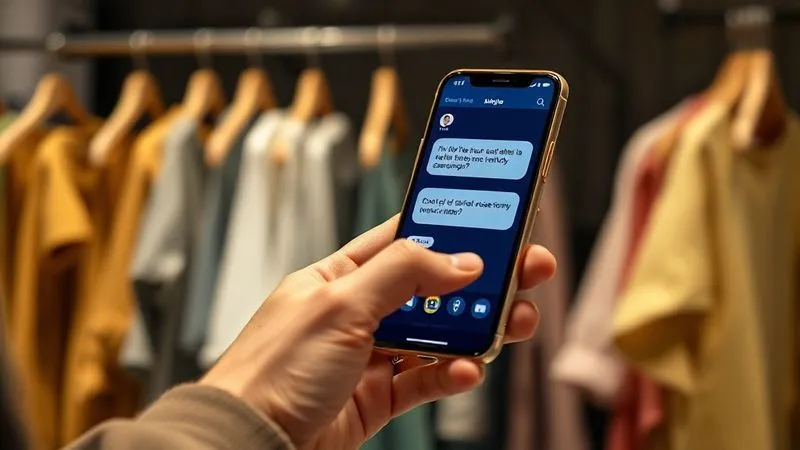
Your power as a consumer is immense. Every question you ask and every choice you make sends a clear signal to the industry: transparency and genuine sustainability are non-negotiable. By adopting this critical approach, you not only protect yourself from greenwashing but also champion the brands truly committed to ethical practices.
The Role of Advocacy and Collective Action in Driving Change
While individual verification is powerful, the ultimate transformation of the fashion industry requires collective action and advocacy. As an industry specialist, I've seen firsthand how consumer demand, coupled with organized efforts, can shift the needle.
Supporting Genuine Brands
The most direct form of advocacy is to consciously choose to support brands that demonstrate verifiable commitments to recycled materials and broader sustainability. When you purchase from these brands, you're voting with your wallet, signaling to the market that transparency and ethics are valued. Share your positive experiences on social media, write reviews, and tell your friends. Amplify their message and help them grow.
Consumer Power and Demand
Your questions, as outlined in the previous section, are a form of advocacy. When a brand receives numerous inquiries about their recycled content claims, it creates internal pressure to improve transparency and verification processes. Brands are ultimately driven by consumer demand, and a collective voice demanding accountability is incredibly influential.
Participate in consumer surveys, sign petitions, and join online communities focused on ethical fashion. These platforms often share information about brand practices and organize campaigns to push for greater transparency. Organizations like Fashion Revolution, for example, empower consumers to ask brands “Who Made My Clothes?” extending to “What Are My Clothes Made Of?” and “Where Do the Materials Come From?”
Explore Fashion Revolution's impactful campaigns.Influencing Policy and Regulation
Beyond individual brands, systemic change requires robust policy and regulation. Governments are increasingly recognizing the need to combat greenwashing and standardize sustainability claims. The EU's forthcoming Digital Product Passports and stricter rules on green claims are prime examples. Support organizations that lobby for stronger environmental protection and consumer protection laws within the fashion industry. Engage with your local representatives and advocate for policies that mandate transparency and accountability for recycled material claims.
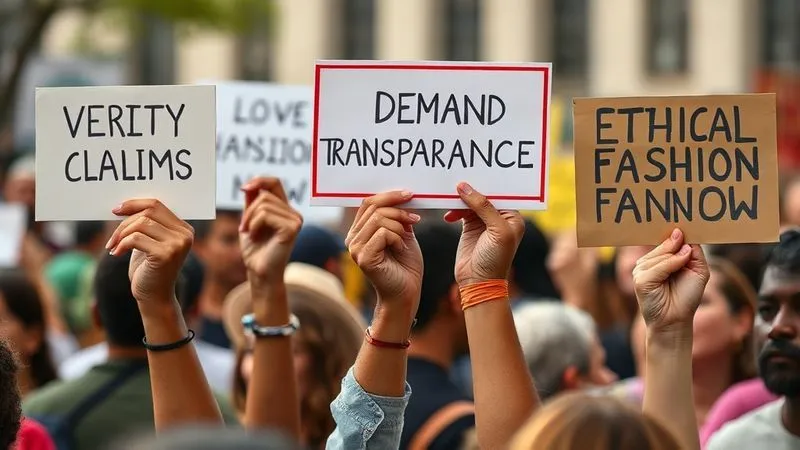
By engaging in these forms of advocacy, you move beyond being just a discerning consumer to an active participant in shaping a more ethical and sustainable future for fashion. It's a long journey, but every verified claim and every informed choice contributes to a more trustworthy industry.
Frequently Asked Questions (FAQ)
Q: Is “recycled” always better than “organic” or “natural” materials? Not necessarily. The “best” material depends on its entire lifecycle impact. Recycled materials are excellent for diverting waste and reducing virgin resource extraction. However, organic cotton, for example, avoids harmful pesticides and uses less water than conventional cotton. It's crucial to consider the full context: the specific material, its processing, and the brand's overall practices. A blend of well-sourced recycled and organic materials, with transparent supply chains, often represents the most sustainable approach.
Q: How can I tell if a recycled material claim is just marketing fluff? Look for specifics. If a brand only uses vague terms like “eco-friendly” or “sustainable” without quantifying the recycled content (e.g., “30% GRS-certified recycled polyester”) or providing verifiable certifications and supply chain details, it's likely marketing fluff. Genuine claims are backed by data and transparency.
Q: Do all recycled materials have the same environmental benefits? No. The environmental benefits vary significantly based on the type of material, whether it’s pre- or post-consumer, and the recycling process (mechanical vs. chemical). For instance, post-consumer mechanically recycled plastic bottles into rPET have a clear benefit in diverting landfill waste and reducing virgin plastic demand. Recycling textile waste also has benefits but may be more complex due to mixed fibers. Always try to understand the specifics of the recycled content.
Q: What if a brand uses recycled materials but has other questionable practices (e.g., poor labor conditions)? This highlights the importance of a holistic approach to ethical fashion. While recycled materials are a key component of environmental sustainability, ethical fashion also encompasses social responsibility. Look for brands that are transparent across the board, addressing both environmental impact (like recycled materials) and social impact (like fair labor practices, living wages, and safe working conditions), often indicated by certifications like Fair Trade or B Corp.
Q: Is it always possible to get 100% recycled content? While 100% recycled content is achievable for some materials like rPET, it can be challenging for others, especially those involving complex blends or requiring specific performance characteristics. For instance, recycled cotton often needs to be blended with some virgin fibers (or rPET) to maintain strength and durability. Focus on significant percentages (e.g., 50%+) and verifiable claims, rather than an absolute “100%” being the sole benchmark.
Key Takeaways and Final Thoughts
Navigating the complex world of recycled material claims in ethical fashion doesn't have to be a guessing game. By adopting a discerning mindset and employing the strategies we've discussed, you can confidently make choices that genuinely align with your values and contribute to a more sustainable future.
- Prioritize Verification: Don't just trust claims; verify them through certifications, supply chain transparency, and brand communication.
- Understand Material Types: Differentiate between post-consumer and pre-consumer, and mechanical vs. chemical recycling to assess true impact.
- Decode Certifications: Leverage standards like GRS and RCS as your first line of defense, understanding their scope and limitations.
- Demand Transparency: Look for brands that openly share their supply chain details, sustainability reports, and are willing to answer specific questions.
- Utilize Technology: Keep an eye on Digital Product Passports and other digital traceability tools as they become more prevalent.
- Be an Advocate: Your questions and choices have power. Support genuine brands and engage in collective action to drive systemic change.
The journey towards truly ethical and sustainable fashion is ongoing, filled with innovation and challenges. As an informed consumer, you are not just a buyer; you are a catalyst for change. By rigorously verifying recycled material claims, you empower yourself, reward responsible brands, and help steer the entire industry towards a more transparent, circular, and ultimately, a more ethical future. Keep asking questions, keep demanding transparency, and keep making choices that reflect the world you want to see.
Recommended Reading
- Unlock Camera Confidence: The Ultimate Guide to Posing for Fashion Bloggers
- The Ultimate Guide: How to Find Practical Kids Wear That Lasts & Grows
- Unlock Peak Performance: Why Moisture-Wicking is Crucial for Activewear Comfort
- 5 Pillars: Ensuring Perfect Haute Couture Hand-Sewn Detail Consistency?
- 7 Proven Strategies: Profitably Clearing High-End Scarf Inventory





Your email address will not be published. Required fields are marked *