

How to Authenticate a Rare Vintage Hermès Birkin for Resale?
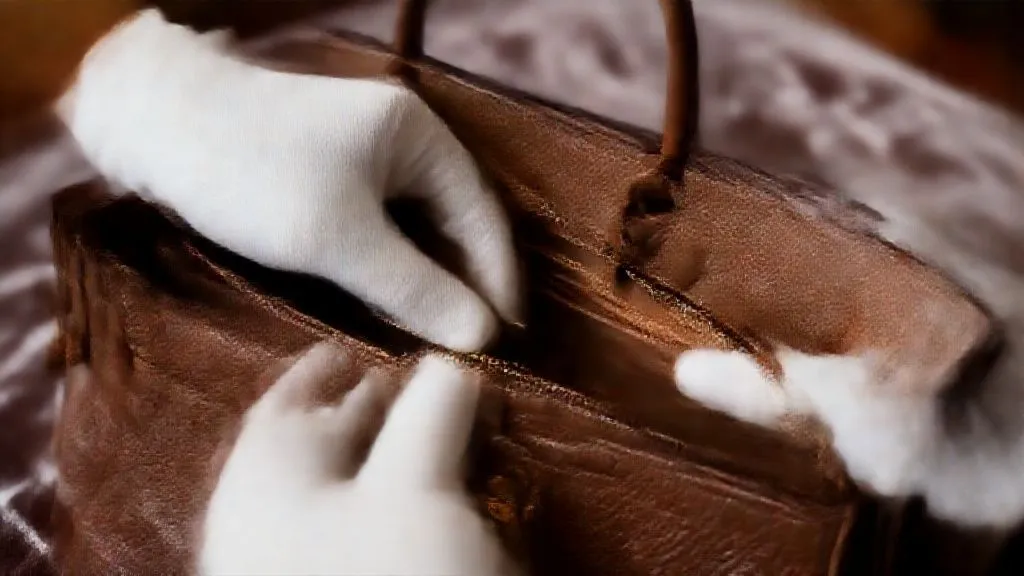
For over 15 years in the high-stakes world of luxury fashion, I've witnessed firsthand the exhilaration of uncovering a truly rare vintage Hermès Birkin and the crushing disappointment of discovering a meticulously crafted counterfeit. The margin for error is razor-thin, and the financial implications, especially when preparing a piece for resale, are enormous. This isn't just about a bag; it's about preserving heritage, protecting investments, and upholding the integrity of the luxury market.
The problem is pervasive: the market for pre-owned luxury, particularly for iconic pieces like the vintage Hermès Birkin, is rife with increasingly sophisticated fakes. For sellers, the fear of misrepresenting a bag, whether knowingly or unknowingly, can tarnish a reputation and lead to significant financial loss. Buyers, too, face trepidation, making genuine authentication not just a preference, but an absolute necessity for successful resale.
This comprehensive guide isn't just a checklist; it's a deep dive into the nuanced world of Hermès authentication, drawing on years of hands-on experience. I'll equip you with the actionable frameworks, detailed visual cues, and expert insights needed to confidently authenticate a rare vintage Hermès Birkin for resale, ensuring you can stand by the authenticity of your treasured item and command its true market value.
The Unseen Value: Why Vintage Birkin Authentication is Paramount
The allure of a vintage Hermès Birkin extends far beyond its aesthetic appeal. It's a tangible piece of fashion history, a testament to unparalleled craftsmanship, and often, a shrewd financial investment. However, this inherent value makes it a prime target for counterfeiters, whose products are becoming astonishingly convincing.
Protecting Your Investment and Reputation
When you acquire a vintage Birkin, you're not just buying a bag; you're investing in a legacy. Proper authentication safeguards that investment. For a reseller, misrepresenting a fake as genuine can lead to severe reputational damage, legal repercussions, and the erosion of trust within the discerning luxury community. Conversely, presenting a meticulously authenticated Birkin builds confidence with potential buyers, justifying premium pricing and facilitating a smoother transaction. It’s about more than just a sale; it’s about establishing credibility.
The Rising Tide of Super Fakes
Gone are the days when a simple sniff test or a glance at a logo could confirm authenticity. Today's 'super fakes' are produced with alarming precision, often using high-quality materials and mimicking intricate details. They can fool even experienced eyes at first glance. This escalating sophistication demands a multi-faceted, systematic approach to authentication, one that delves into every minute detail rather than relying on superficial indicators. Understanding these challenges is the first step in mastering how to authenticate a rare vintage Hermès Birkin for resale.
The Hermès Code: Decoding Stamps and Date Marks
One of the most critical elements in authenticating a vintage Hermès Birkin is understanding its unique 'blind stamp' or date code. These discreetly placed marks tell a story about the bag's birth, its year of manufacture, and often, the artisan who crafted it. This is not merely a serial number; it's a signature of provenance.
Hermès employs an alphabetical system, cycling through letters, often encased in a shape (square, circle, etc.), to denote the year of production. For older vintage bags, the format can vary, sometimes appearing without a shape. For example, a “Z” in a circle indicates 1996, while a “D” in a square signifies 2000. It's vital to cross-reference these stamps with known Hermès dating charts, which are widely available from reputable sources. Any discrepancy here is an immediate red flag.
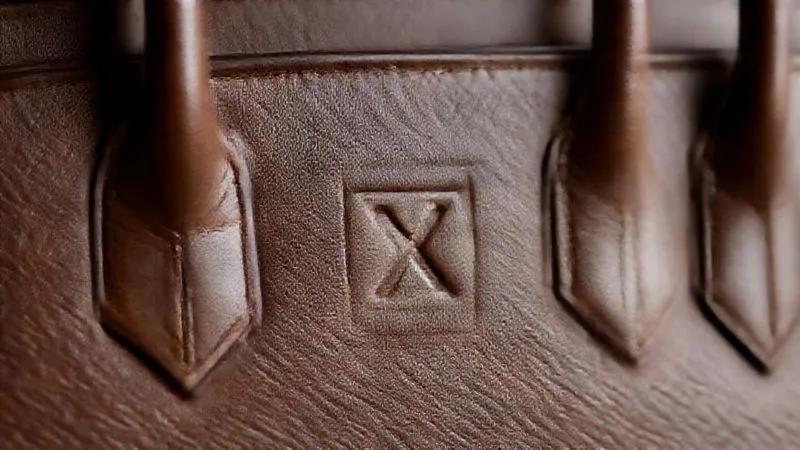
Beyond the date stamp, some bags may also feature an artisan's stamp – a letter or number that identifies the specific craftsman. While not always present or easily decipherable, its presence and correct formatting can add another layer of authenticity. The placement of these stamps is also crucial: typically found on the interior side of a sangle, on the interior wall, or underneath a pocket. Inconsistent placement or poorly executed stamps are clear indicators of a fake.
| Year | Stamp |
|---|---|
| 1996 | Z in a circle |
| 1997 | A in a square |
| 1998 | B in a square |
| 1999 | C in a square |
| 2000 | D in a square |
| 2001 | E in a square |
| 2002 | F in a square |
| 2003 | G in a square |
Anatomy of Authenticity: Leather, Stitching, and Craftsmanship
The true essence of an Hermès Birkin lies in its impeccable craftsmanship. Every stitch, every cut of leather, speaks volumes about its authenticity. This is where an expert's eye truly comes into play when you're learning how to authenticate a rare vintage Hermès Birkin for resale.
The Tactile Signature: Hermès Leathers
Hermès sources only the finest leathers in the world, and their quality is immediately discernible. Vintage Birkins can feature a range of iconic leathers, each with its own unique texture, grain, and scent. Familiarize yourself with these: Box Calf (smooth, glossy, prone to scratches but develops a beautiful patina), Togo (pebbled, scratch-resistant, matte finish), Chevre (lightweight, fine grain, durable), and exotic skins like crocodile or lizard. Genuine Hermès leather feels luxurious, supple, and substantial, never plasticky or rigid. It also possesses a distinct, rich aroma – not a chemical smell often associated with counterfeits.
The Saddle Stitch: A Hallmark of Hand-Craftsmanship
Perhaps the most telling sign of a genuine Hermès Birkin is its legendary saddle stitching. Unlike machine stitching, which appears perfectly uniform and locked, Hermès artisans use a two-needle saddle stitch technique. This results in a slightly angled, hand-sewn look that is subtly imperfect yet incredibly strong and distinct. The stitches should be tight, even, and consistent throughout the bag, with no loose threads or uneven tension. Counterfeit bags often feature machine stitching that looks too perfect, straight, and lacks the characteristic slight angle. This detail alone can often differentiate a genuine piece from a sophisticated fake.
Hardware Harmony: Clasp, Lock, Keys, and Feet
The metal components of a Hermès Birkin are not mere accessories; they are integral parts of its design and authentication puzzle. From the iconic touret clasp to the delicate keys, every piece of hardware offers clues.
The Weight and Feel of Genuine Hardware
Hermès hardware, typically palladium or gold-plated, is substantial, weighty, and feels luxurious to the touch. It should operate smoothly, without sticking or feeling flimsy. Counterfeit hardware often feels lighter, cheaper, and may have a brassier or less refined finish. The plating on genuine hardware is durable and consistent, whereas fakes may show signs of chipping, uneven coating, or a lack of luster, especially on older bags where patina should be natural, not superficial.
Engravings and Patina: Subtle Indicators
Examine the engravings on the lock, keys, and base feet. The “HERMÈS PARIS” engraving on the lock should be crisp, clean, and perfectly centered, with consistent font and spacing. The lock itself typically has a corresponding number engraved on its base, which should match the number on the keys. These numbers are unique identifiers. On vintage bags, genuine hardware will develop a natural, subtle patina over time, especially on gold-plated pieces. Counterfeit hardware may either lack this natural aging or attempt to mimic it poorly with artificial distressing. According to luxury authentication experts at Forbes, these minute details are often where fakes fall short.
The Interior Story: Lining, Pockets, and Heat Stamps
While the exterior of a Birkin commands attention, its interior often holds the most critical authentication clues. Hermès' commitment to quality extends to every hidden corner of the bag.
Material Consistency and Finish
The interior lining of a Birkin is typically made from the same high-quality leather as the exterior, or from Chèvre (goatskin) for exotic exterior leathers. The texture and feel should be consistent with genuine Hermès leather. Pay close attention to the stitching inside – it should maintain the same saddle-stitch quality seen on the exterior, even in less visible areas. Counterfeit bags often cut corners on interior finishing, using cheaper materials or less precise stitching in areas that aren't immediately visible, a crucial detail when discerning how to authenticate a rare vintage Hermès Birkin for resale.
The Inner Sanctum: Examining the Heat Stamp Placement
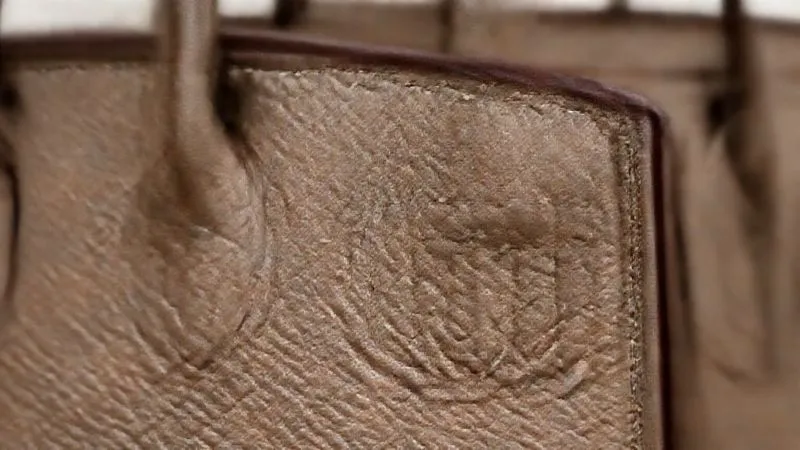
The main “HERMÈS PARIS MADE IN FRANCE” heat stamp is usually found on the interior front panel, directly above the touret plate. This stamp should be clear, crisp, and evenly pressed into the leather, not merely printed on. The font should be iconic Hermès sans-serif, with consistent spacing and depth. Fakes often have stamps that are too faint, too deep, uneven, or use an incorrect font. On vintage bags, the stamp might show some natural wear, but the underlying impression should still be discernible. Any smudging, blurring, or a noticeably different font is a major red flag.
The Accoutrements: Dustbag, Box, Raincoat, and CITES
Authenticating a Birkin isn't solely about the bag itself; the accompanying items also play a significant role in confirming its legitimacy and provenance. These 'extras' are often overlooked but can reveal crucial details.
Beyond the Bag: Verifying Peripherals
A genuine Hermès Birkin comes with specific accessories. The dustbag is typically made of thick, soft cotton flannel in a distinct orange or cream color, featuring the “HERMÈS PARIS” logo in dark brown. The stitching on the dustbag should be neat, and the drawstring robust. The original box, if present, is the iconic orange with a dark brown border and logo. It should be sturdy, well-constructed, and free of flimsy corners or cheap printing. The raincoat, a clear plastic cover, should be well-made and fit the bag perfectly. While these items can be replicated, inconsistencies in material quality, print, or construction can indicate a counterfeit, especially when compared to known authentic examples.
Leveraging Expert Authentication Services
For high-value vintage Birkins, especially those with exotic skins, a professional authentication service is an invaluable resource. Services like those offered by The RealReal or Vestiaire Collective employ highly trained specialists who utilize proprietary databases and years of experience to scrutinize every detail. They can often spot nuances that an individual might miss, providing a certificate of authenticity that significantly boosts buyer confidence and resale value.
For exotic leather Birkins (crocodile, alligator, lizard, ostrich), the presence of a CITES (Convention on International Trade in Endangered Species of Wild Fauna and Flora) certificate is absolutely non-negotiable for international resale. Without it, the bag cannot legally cross borders, rendering it virtually unsellable to a global market. This document verifies the ethical and legal sourcing of the exotic skin, and its absence is a deal-breaker for any reputable buyer or reseller.
Provenance and Paperwork: The Elusive Receipt and Documentation
While often difficult to obtain for vintage pieces, any original documentation can provide invaluable insights into a Birkin's history and authenticity. This aspect is crucial for building trust, particularly when you're navigating how to authenticate a rare vintage Hermès Birkin for resale.
The Role of Original Receipts (and their limitations)
An original Hermès sales receipt, especially one with matching serial numbers or descriptions, is the gold standard for provenance. It confirms the purchase from an authorized boutique, the date, and often the specific details of the bag. However, for truly vintage pieces, original receipts are rare and can also be faked. Therefore, while a receipt is a strong indicator, it should always be verified against the physical characteristics of the bag. It's one piece of the puzzle, not the entire solution.
Case Study: How a Seller Secured a Premium Resale Price
Case Study: How Sarah Verified Her Vintage Birkin
Sarah inherited a stunning 1998 Hermès Birkin 30 in Box Calf leather. Though beautiful, she was unsure how to authenticate a rare vintage Hermès Birkin for resale, given the increasing prevalence of super fakes. She meticulously examined the blind stamp (a 'B' in a square), verified the saddle stitching's characteristic angle, and noted the substantial weight and crisp engraving of the palladium hardware. However, lacking an original receipt and wanting absolute certainty for a high-value resale, she opted for a professional authentication service. The service confirmed its authenticity, providing a certificate that Sarah prominently featured in her listing. This comprehensive approach built immense buyer confidence, allowing her to achieve a sale price 20% higher than similar unverified listings, demonstrating the power of thorough authentication and transparent provenance.
The Resale Imperative: Building Trust and Maximizing Value
Once you've diligently authenticated your rare vintage Hermès Birkin, the final step is to present it to the market in a way that maximizes its value and reinforces buyer trust. This process is just as critical as the authentication itself.
Presenting Your Authenticated Birkin to Buyers
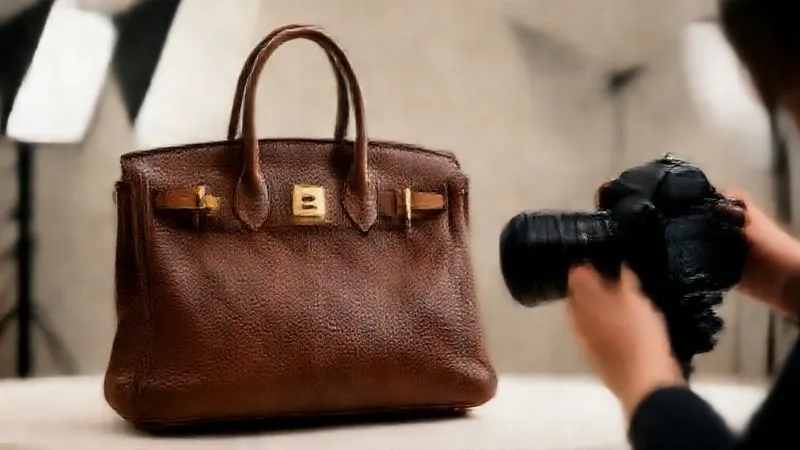
Transparency is key. Clearly state that the bag has been authenticated, detailing the methods you employed or the professional service used. High-quality, detailed photographs from every angle – including close-ups of the blind stamp, hardware engravings, stitching, and interior – are essential. These visuals back up your claims of authenticity and allow potential buyers to conduct their own virtual inspection. As marketing guru Seth Godin often says, "People do not buy goods and services. They buy relations, stories and magic." Your authenticated Birkin has a story, and you are its narrator.
- Document Everything: Take high-resolution photos of every authentication detail discussed: blind stamp, hardware engravings, stitching, interior heat stamp, and any unique leather characteristics.
- Write a Comprehensive Description: Detail the bag's history, condition, and the rigorous authentication steps taken. Highlight any unique vintage features.
- Consider Professional Photography: Invest in professional photos that showcase the bag's beauty and authenticity.
- Provide a Certificate of Authenticity (if applicable): If you used a third-party service, include their certificate or a clear reference to it.
- Be Prepared for Questions: Knowledgeably answer buyer inquiries about authentication, provenance, and condition.
Frequently Asked Questions (FAQ)
Q: Can a vintage Birkin have no date stamp? A: While highly uncommon for post-1970s bags, some very early vintage Hermès bags (pre-1970) might have less discernible or even absent date stamps. However, this rarity makes them even more challenging to authenticate and typically requires expert verification due to the higher risk of counterfeits leveraging this ambiguity. Always proceed with extreme caution if a date stamp is missing or unclear.
Q: How much does professional authentication cost, and is it worth it? A: The cost of professional authentication for a Hermès Birkin can range from $100 to $300 or more, depending on the service and the complexity of the bag (e.g., exotic skins). It is absolutely worth it for high-value items, especially for resale. The peace of mind, increased buyer confidence, and potential for a higher sale price far outweigh the initial investment, safeguarding both your reputation and your financial return.
Q: What if I suspect my Birkin is a super fake? A: If you suspect your Birkin is a super fake, it's crucial not to misrepresent it. Seek a second or third professional opinion. If confirmed fake, do not attempt to sell it as genuine. Consider reporting the seller if you purchased it under false pretenses. The fight against counterfeits relies on vigilance and ethical conduct.
Q: Are there specific vintage Birkin models that are harder to authenticate? A: Generally, bags with exotic skins (crocodile, alligator, lizard) can be more complex due to the additional CITES documentation requirement and specialized leather characteristics. Also, bags from transitional periods or very early vintage years where stamping conventions might have been less standardized can pose greater challenges. Smaller sizes like Birkin 25s are also frequently faked.
Q: What's the role of scent in authentication? A: Scent is a surprisingly powerful, albeit subjective, authentication tool. Genuine Hermès leather has a distinct, rich, earthy aroma – a hallmark of high-quality tanned leather. Counterfeit bags often have a chemical, plastic, or overly strong glue smell. While not a definitive standalone test, an 'off' scent should prompt further, deeper investigation into other authentication points.
Key Takeaways and Final Thoughts
- Master the nuances of Hermès blind stamps and date codes; they are foundational.
- Scrutinize craftsmanship: the unique saddle stitching and the quality of Hermès leathers are undeniable tells.
- Pay close attention to hardware – its weight, feel, and the precision of its engravings.
- Don't overlook the interior: consistent material quality and a crisp heat stamp are vital.
- Verify all accompanying accessories and, for exotics, ensure CITES documentation is present.
- Leverage professional authentication services for absolute certainty and enhanced resale value.
- Present your authenticated Birkin with transparency and detailed evidence to build buyer trust.
Authenticating a rare vintage Hermès Birkin for resale is an art and a science, demanding patience, knowledge, and an unwavering eye for detail. By diligently applying the expert insights and actionable steps outlined in this guide, you equip yourself with the confidence to navigate the intricate luxury market. Remember, every genuine Birkin tells a story of unparalleled artistry and heritage. Your role is to ensure that story is heard clearly and authentically, protecting your investment and honoring the legacy of Hermès.
Recommended Reading
- Sustainable Textile Weaves: 5 Cost-Saving Strategies for Innovators
- 7 Proven Strategies to Reignite Engagement on Your Beauty Channel
- 5 Pillars: How Sustainable Fashion Brands Evade Greenwashing Accusations
- Elevate Your Interview Look: 7 Steps to Master Smart Casual for a Promotion
- The ROI Blueprint: Proving Predictive Analytics Cuts Fashion Waste by 20%+


Your email address will not be published. Required fields are marked *