

How to Prevent Rapid Deterioration of Fragile Historical Textiles?
For over two decades in the vintage fashion and textile conservation world, I've witnessed firsthand the heartbreaking consequences of neglecting fragile historical textiles. I've seen cherished family heirlooms, once vibrant and full of stories, crumble to dust or fade into obscurity due to preventable oversights. It's a common, painful mistake born not of malice, but often of a lack of specialized knowledge.
The problem is profound: historical textiles, whether a Victorian gown, a delicate lace shawl, or a military uniform, are inherently susceptible to a myriad of destructive forces. Light, humidity, temperature fluctuations, pests, and improper handling are silent, relentless enemies, each capable of inflicting irreversible damage. The unique composition of natural fibers, dyes, and construction methods makes these artifacts incredibly vulnerable, and once deterioration sets in, reversing it without further damage is often impossible.
But there is hope, and a clear path forward. In this definitive guide, I will share the exact frameworks, expert insights, and actionable strategies I’ve honed over years of working with some of the most delicate historical garments. You’ll learn not just what to do, but why, empowering you to become a true steward of these irreplaceable pieces of history.
Understanding the Enemies: What Harms Historical Textiles?
Before we can protect our treasures, we must first understand the threats they face. In my experience, many people focus on just one or two factors, overlooking a complex interplay of environmental and biological hazards that conspire against textile longevity.
Light Damage: The Silent Fader
Light, in all its forms, is perhaps the most insidious enemy of historical textiles. It doesn't just fade colors; it fundamentally alters the chemical structure of fibers, leading to embrittlement and eventual disintegration. Both visible light and ultraviolet (UV) radiation are highly damaging, breaking down molecular bonds within the textile.
Actionable Steps for Light Control:
- Minimize Exposure: Store textiles in darkness whenever possible. If on display, use covers or ensure display periods are strictly limited.
- Filter UV Radiation: Install UV-filtering films on windows or display cases. Even indirect sunlight contains harmful UV rays.
- Control Light Intensity: Keep light levels as low as practicably possible, ideally below 50 lux for sensitive materials. Use LED lighting, which emits very little UV or infrared radiation.
- Rotate Displays: If a textile must be displayed, rotate it periodically with a stored counterpart to minimize continuous exposure to any single area.
Environmental Instability: Humidity and Temperature Swings
Textiles are hygroscopic, meaning they absorb and release moisture from the air. Rapid fluctuations in relative humidity (RH) and temperature cause fibers to expand and contract, placing immense stress on their delicate structure. High humidity encourages mold growth and insect activity, while excessively low humidity can make fibers brittle and prone to breakage.
"A stable environment is the bedrock of textile preservation. Consistency, not just specific numbers, is key to mitigating thermal and hygroscopic stress."
Actionable Steps for Climate Control:
- Maintain Stable RH: Aim for a relative humidity between 45-55%. This range is generally considered safe for most organic materials, including textiles.
- Control Temperature: Keep temperatures cool and stable, ideally between 18-20°C (65-68°F). Avoid attics, basements, or garages where conditions can fluctuate wildly.
- Monitor Conditions: Use a reliable data logger or hygrometer to continuously track temperature and RH. This allows you to identify and address fluctuations promptly.
- Ensure Air Circulation: Good air circulation helps prevent pockets of high humidity and reduces the risk of mold. However, avoid direct drafts on fragile items.
The Art of Cleanliness: Dust, Dirt, and Pest Management
Dust isn't just unsightly; it's abrasive, can harbor mold spores, and provides a food source for pests. Pests, particularly insects, are among the most destructive agents, capable of devouring an entire textile collection if left unchecked.
Gentle Cleaning Protocols
Harsh cleaning methods, detergents, and aggressive scrubbing are anathema to historical textiles. Often, the best approach is minimal intervention, focusing on prevention rather than reactive cleaning.
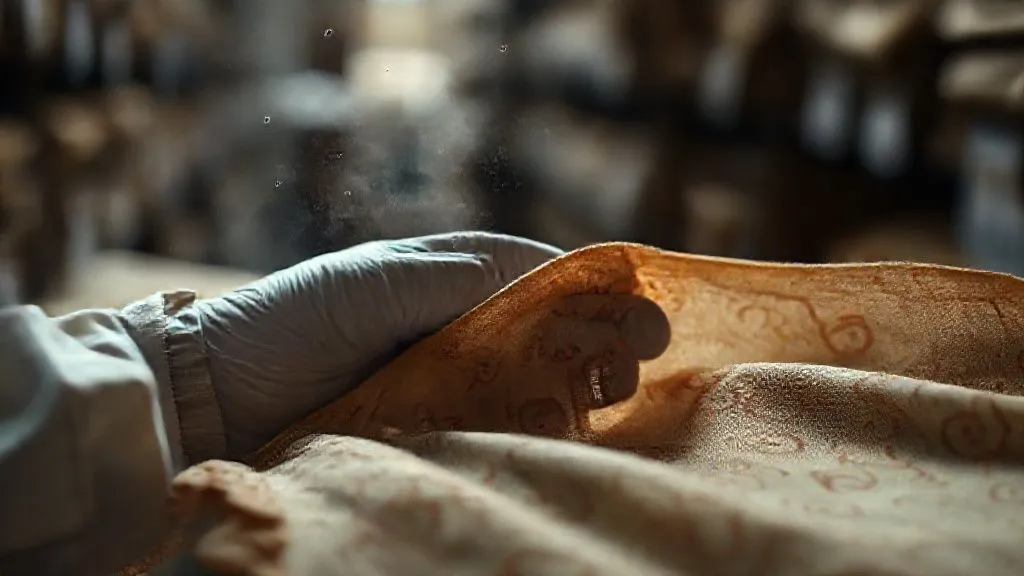
- Regular Gentle Dusting: Use a soft, natural-bristle brush (like a hake brush) to gently brush dust away from the textile, working into a low-suction, HEPA-filtered vacuum cleaner nozzle covered with a screen.
- Avoid Wet Cleaning: Unless specifically recommended by a professional textile conservator, avoid any form of wet cleaning. Dyes can bleed, fibers can shrink, and structural integrity can be compromised.
- Professional Assessment: For heavily soiled or stained textiles, always consult a qualified textile conservator. They can assess the fibers, dyes, and condition to determine the safest and most effective cleaning method, if any.
Integrated Pest Management (IPM)
Integrated Pest Management is a holistic strategy that focuses on prevention, monitoring, and non-toxic interventions to control pests without harming the textiles or the environment.
- Regular Inspections: Periodically inspect your textiles and storage areas for signs of pest activity (frass, webbing, actual insects, damage).
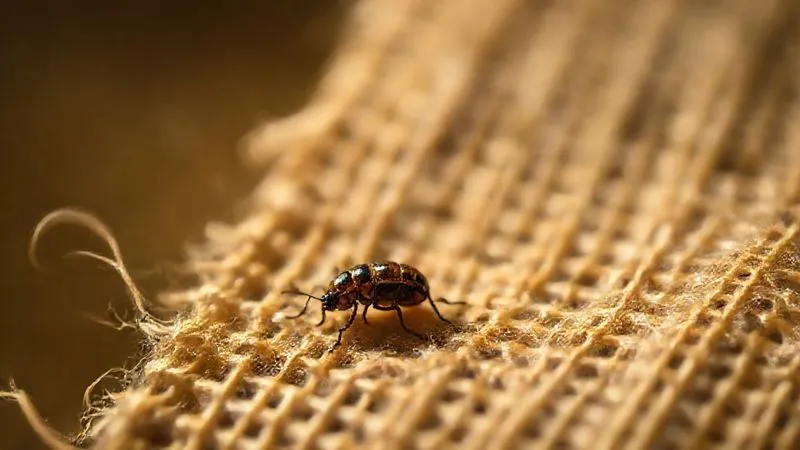
- Sticky Traps: Place insect sticky traps in storage areas to monitor for common textile pests like carpet beetles, clothes moths, and silverfish. These traps help identify a problem early.
- Maintain Cleanliness: Keep storage areas meticulously clean, free of food crumbs, dust, and debris that can attract pests.
- Seal Entry Points: Seal cracks and crevices in walls, floors, and around windows to prevent pests from entering.
- Isolation & Freezing: If a textile is suspected of having pests, isolate it immediately. Freezing can be an effective, non-toxic treatment for some pests, but must be done carefully and professionally to avoid condensation damage. Consult a conservator for specific protocols.
Optimal Storage Solutions: Creating a Safe Haven
The way a textile is stored can significantly impact its longevity. Improper storage can lead to creasing, crushing, discoloration, and vulnerability to environmental damage.
Archival Materials and Techniques
Using the right materials is crucial for long-term preservation. Standard storage materials often contain acids that can migrate to textiles, causing yellowing and embrittlement over time.
- Acid-Free & Lignin-Free Materials: Always use archival-quality, acid-free, and lignin-free tissue paper, boxes, and tubes. These materials are chemically stable and won't degrade or harm your textiles.
- Flat Storage: Whenever possible, store textiles flat in archival boxes. This avoids stress points and permanent creasing. If a textile is too large, it can be rolled.
- Rolled Storage: For very large or heavy textiles (like tapestries or rugs), roll them onto large-diameter (at least 6-inch) acid-free tubes, interleafing with acid-free tissue. Ensure the roll is not too tight and is adequately supported.
- Padded Hangers: For garments that must be hung, use archival-quality padded hangers that fully support the shoulders and distribute weight evenly. Never use wire hangers.
- Unbleached Muslin Covers: Cover textiles with unbleached, washed muslin to protect them from dust and light while allowing air circulation.
Environmental Monitoring Tools
Constant vigilance over the storage environment is non-negotiable. Technology can be a powerful ally in this endeavor.
| Environmental Factor | Ideal Range | Impact of Fluctuation |
|---|---|---|
| Temperature | 18-20°C (65-68°F) | Fiber embrittlement, chemical degradation |
| Relative Humidity (RH) | 45-55% | Mold growth (high), brittleness (low), pest attraction |
| Light Levels | <50 lux (no UV) | Fading, weakening of dyes and fibers |
| Purity of Air | Low pollutants | Acidification, discoloration |
As marketing guru Seth Godin often says about building trust, consistency is key. The same applies to environmental conditions for textiles. Consistent monitoring allows for proactive adjustments, preventing minor issues from becoming catastrophic.
Handling with Care: The Gentle Touch
One of the most common causes of rapid deterioration, I've observed, is simply improper handling. Every touch, every movement, carries the potential for damage to already fragile fibers.
Gloves, Support, and Minimal Contact
Our hands, even clean ones, transfer oils, dirt, and salts that can stain and degrade textiles over time. Furthermore, the physical stress of handling can cause tears, snags, and fiber breakage.
- Wear Gloves: Always wear clean, white cotton or nitrile gloves when handling historical textiles. This prevents the transfer of oils, acids, and dirt from your skin.
- Provide Full Support: Never lift a textile by one point (e.g., a sleeve or a corner). Always provide full support from underneath, using both hands or a rigid, acid-free support board.
- Minimize Handling: Handle textiles as infrequently as possible. Every interaction carries a risk. Plan your movements before you touch the item.
- Clear Workspace: Ensure your workspace is clean, clear of obstructions, and free from food or drink before bringing out a textile.
Case Study: The Victorian Gown's Revival
Case Study: How the 'Lady Catherine' Gown Escaped Further Deterioration
A few years ago, I consulted on a late 19th-century silk taffeta ball gown, affectionately known as the 'Lady Catherine' gown, which was part of a private collection. Its owner, though well-meaning, had frequently displayed it on a standard dress form, adjusting it by pulling on the delicate sleeves and bodice. She would also occasionally bring it out for special events, holding it by the waist. Over time, the silk had begun to split along the shoulder seams and the bodice was showing significant stress where her hands had frequently gripped it. The fragile taffeta was literally tearing under its own weight and from repeated, localized stress.
By implementing the three-step handling protocol I described above – strictly using gloves, providing full body support with a custom-padded archival mannequin, and minimizing all unnecessary contact – we were able to halt the rapid acceleration of damage. The gown was gently transferred to its new, custom-made archival support, and its display was limited to a climate-controlled, UV-filtered case. This resulted in the immediate cessation of new tears and prevented further stress-induced deterioration, allowing its delicate fabric to rest without constant strain.
Addressing Damage: When to Intervene and When to Preserve
It's crucial to understand the difference between conservation and restoration, and to know when professional intervention is not just advisable, but absolutely necessary.
Conservation vs. Restoration
Conservation focuses on stabilizing an object and preventing further deterioration, using reversible methods and materials. The goal is to retain as much of the original material as possible. Restoration aims to return an object to a previous state, often involving more invasive techniques and the addition of new materials to make it aesthetically complete.
- Prioritize Conservation: For historical textiles, conservation is almost always preferred over restoration. The goal is to preserve its historical integrity, not necessarily to make it look 'new' again.
- Seek Professional Advice: For any significant damage – tears, holes, stains, or structural weakness – immediately consult a professional textile conservator. They possess the specialized knowledge, tools, and ethical framework to treat these items safely. You can find accredited professionals through organizations like the American Institute for Conservation of Historic and Artistic Works (AIC).
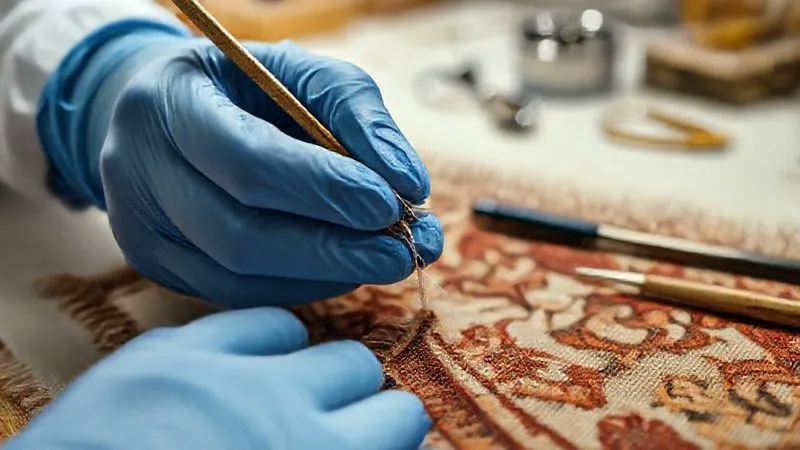
- Avoid DIY Repairs: Never attempt to repair historical textiles with glues, tapes, or standard sewing methods. These interventions are almost always irreversible and can cause more harm than good in the long run.
Emergency Preparedness
Disasters can strike unexpectedly. Having a plan can make all the difference in minimizing damage to your textiles.
- Identify Risks: Assess your storage area for potential risks like leaks, floods, fire hazards, or pest infestations.
- Emergency Kit: Prepare a basic emergency kit with clean gloves, acid-free tissue, plastic sheeting, and labels, kept easily accessible.
- Contact Information: Keep contact information for local conservators and emergency services readily available.
- Prioritize Salvage: In an emergency, prioritize the most valuable or vulnerable items. Handle wet textiles with extreme care, as they are significantly weaker.
Documentation and Digital Preservation
A well-documented collection is a well-managed collection. Knowing what you have, its condition, and its history is fundamental to effective preservation.
The Power of Records
Detailed records provide invaluable insights into a textile's life, helping to inform preservation decisions and track changes over time.
- Condition Reports: Create a detailed condition report for each textile, noting its material, construction, dimensions, and any existing damage or previous repairs. Include high-resolution photographs.
- Environmental Logs: Maintain logs of temperature and relative humidity in storage areas. This data helps identify problematic trends and areas for improvement.
- Treatment Records: Document any conservation treatments, including the conservator's name, date, methods used, and materials applied.
- Provenance Research: Record the history of ownership and origin of each textile. This adds immense historical value and context.
Digital Archiving
Digital copies serve as a critical backup and allow for broader access without risking the original artifact.
- High-Resolution Photography: Take high-quality, color-accurate photographs of your textiles from multiple angles.
- Digitize Documents: Scan all physical documentation (condition reports, provenance, treatment records) and store them digitally in multiple secure locations.
- Metadata: Attach comprehensive metadata to all digital files, including dates, descriptions, and keywords, to ensure easy retrieval and understanding.
- Cloud Storage & Backups: Store digital archives in secure cloud storage and maintain multiple offline backups. The Smithsonian Institution Archives offers excellent guidelines on digital preservation practices.
Educating the Next Generation of Stewards
My journey in vintage fashion and textile preservation has taught me that knowledge, when shared, multiplies its impact. The future of these delicate artifacts rests on our collective commitment to education and responsible stewardship.
Sharing Knowledge and Best Practices
Preservation isn't a solitary endeavor. Engaging with others, learning from experts, and sharing your own experiences strengthens the entire community dedicated to historical textiles.
- Join Preservation Groups: Become a member of local or national textile history or conservation societies. Organizations like the Textile Society of America offer resources and networking opportunities.
- Attend Workshops: Participate in workshops or seminars on textile care. Many museums and historical societies offer public programs on basic preservation techniques.
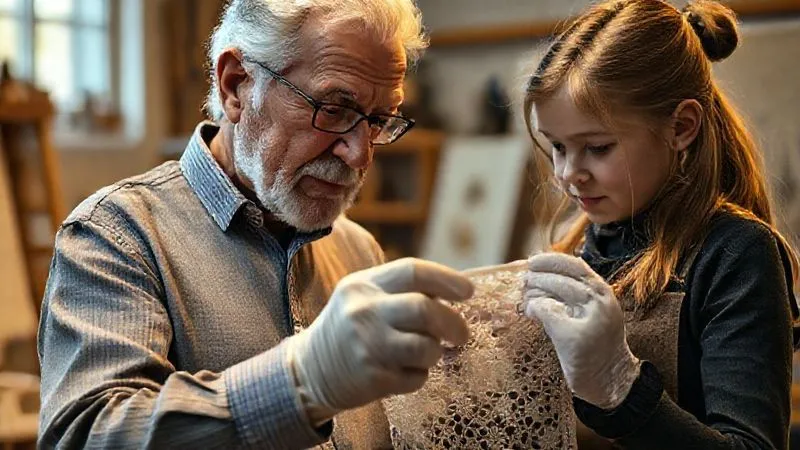
- Mentor Others: If you have experience, share your knowledge with family members, friends, or younger enthusiasts who are interested in historical textiles.
- Advocate for Preservation: Support institutions and initiatives dedicated to the preservation of cultural heritage.
Frequently Asked Questions (FAQ)
Q: Can I wash all historical textiles, especially if they look dirty? A: Absolutely not. Most historical textiles should never be wet cleaned by an untrained individual. Water can cause dyes to bleed, fibers to shrink or weaken, and original finishes to be lost. Always consult a professional textile conservator for cleaning advice, as some textiles may only be safely surface dusted or vacuumed.
Q: What is the single biggest mistake people make when trying to preserve fragile historical textiles? A: In my experience, the biggest mistake is improper storage combined with inconsistent environmental control. Storing textiles in attics, basements, or closets with fluctuating temperatures and humidity, often in non-archival materials, is a recipe for disaster. This creates a perfect storm for pests, mold, and fiber degradation.
Q: How often should I check my stored textiles for signs of deterioration or pests? A: I recommend a thorough inspection at least twice a year, ideally in spring and fall. This allows you to catch any pest infestations or environmental issues early before significant damage occurs. Rotate items, check traps, and look for any changes in the textile's condition.
Q: Are cedar chests good for storing historical textiles? A: While cedar chests are often perceived as good for storage due to their pest-repellent properties, they are generally NOT recommended for historical textiles. The oils in cedar wood are acidic and can off-gas, causing discoloration and degradation of delicate fibers over time. Additionally, cedar chests often lack proper seals, making them susceptible to humidity fluctuations.
Q: What if I can't afford professional conservation for a damaged textile? A: If professional conservation is not immediately feasible, focus on stabilization and prevention of further damage. This means ensuring optimal environmental control, proper archival storage, and careful handling. Document the damage thoroughly with photographs. Sometimes, local historical societies or museums offer advice or low-cost workshops. Remember, doing nothing is often better than attempting an irreversible, damaging 'repair'.
Key Takeaways and Final Thoughts
Preserving fragile historical textiles is a journey of meticulous care, informed decision-making, and unwavering dedication. It's a responsibility we undertake to safeguard not just fabric, but the stories, craftsmanship, and cultural heritage woven into every thread.
- Environmental Control is Paramount: Stabilize temperature, humidity, and light to slow degradation.
- Cleanliness is Key: Implement gentle dusting and robust Integrated Pest Management.
- Archival Storage is Non-Negotiable: Use acid-free materials and appropriate support methods.
- Handle with Extreme Care: Always wear gloves and provide full support to minimize physical stress.
- Seek Expert Advice: For damage or complex issues, consult a professional textile conservator.
- Document Everything: Maintain detailed records of condition, environment, and treatments.
- Educate and Engage: Share knowledge and foster a community of preservationists.
Remember, every small, intentional step you take contributes significantly to the longevity of these irreplaceable artifacts. By embracing these expert-backed strategies, you become a guardian of history, ensuring that the beauty and narratives held within these fragile textiles endure for generations to come. Your diligence today creates the heritage of tomorrow.
Recommended Reading
- 7 Strategies: Crafting Unique Feminine Collections, Ditching Clichés
- The Ultimate Guide: What to Know Before Buying a Vintage Wedding Dress?
- 7 Design Secrets: How Eyewear Frames Become Cultural Icons
- 7 Proven Strategies: How to Quickly Liquidate Stagnant Limited Edition Sneaker Inventory?
- 5 Proven Strategies: How to Retain High-Value Fashion Eyewear Clients Long-Term

Your email address will not be published. Required fields are marked *