

How to Create Unique Feminine Fashion Collections Avoiding Clichés?
For over 15 years in the dynamic world of womenswear, I've observed a recurring challenge that stifles creativity and limits market impact: the inadvertent reliance on clichés. Designers, often under immense pressure to produce, can fall back on conventional notions of 'feminine' – think pastels, ruffles, florals, and overtly 'pretty' aesthetics – leading to collections that blend into a sea of sameness.
This isn't a lack of talent; it's often a lack of a clear, actionable framework for genuine innovation. The fear of alienating a perceived target audience or the sheer comfort of established tropes can prevent truly groundbreaking work from emerging, leaving designers and brands feeling uninspired and their collections lacking a distinctive voice.
In this definitive guide, I will share my expert insights and provide a robust framework to help you, as a designer or brand owner, navigate the complexities of modern feminine fashion. We'll explore how to create unique feminine fashion collections avoiding clichés by deconstructing traditional ideas, embracing unconventional inspiration, and employing innovative design techniques that resonate deeply with today's discerning consumer.
Deconstructing the 'Feminine': Beyond Pink and Ruffles
The first step in creating truly unique feminine fashion collections is to challenge and deconstruct the very notion of 'feminine' itself. For too long, it has been narrowly defined by a limited set of visual cues that, while beautiful in isolation, become clichéd when universally applied without deeper thought or context.
The Psychology of Femininity in Design
True femininity is not a monolithic aesthetic; it's a complex, multifaceted spectrum of human experience. It encompasses strength and vulnerability, intellect and intuition, fierceness and grace. A truly unique collection will tap into these diverse expressions rather than relying on superficial tropes.
Consider how different cultures and eras have interpreted femininity, or how individual women embody it in their daily lives through their choices, careers, and personal styles. This expansive view allows for a richer, more authentic design language.
True femininity isn't a single aesthetic; it's a spectrum of human experience, demanding a nuanced and thoughtful design approach.
By understanding that a garment can evoke femininity through its strength, its architectural form, its subtle drape, or its intelligent functionality, we free ourselves from the limitations of conventional 'feminine' motifs.

The Art of Unconventional Inspiration: Digging Deeper than Mood Boards
One of the quickest routes to cliché is drawing inspiration from the same sources as everyone else. If your mood board looks like a Pinterest 'fashion trends' search, you're likely to produce something that feels derivative. To create unique feminine fashion collections avoiding clichés, you must venture into less explored territories for inspiration.
Mining Non-Obvious Sources
I've always encouraged designers to look beyond fashion magazines and runway shows. The world is teeming with inspiration waiting to be translated into textiles and silhouettes. Here are some actionable steps:
- Architecture & Urban Decay: Study the lines, structures, textures, and even the erosion of buildings. How can the brutalism of concrete or the delicate decay of an abandoned structure inform a silhouette or a fabric treatment?
- Fine Art & Sculpture: Engage with art that isn't fashion-related. The fluidity of a Rodin sculpture, the geometric precision of a Mondrian, or the textural depth of a Rothko painting can spark entirely new ideas for form, color, and texture.
- Natural Sciences (Biology, Geology): Look at microscopic organisms, geological formations, or the intricate patterns of flora and fauna. Think about bioluminescence, crystal structures, or the organic growth patterns of plants.
- Global Ethnography & Anthropology: Explore textiles, adornments, and garment constructions from indigenous cultures, focusing on their historical significance and craftsmanship, not just surface aesthetics. Always approach with respect and a desire for deep understanding, avoiding cultural appropriation.
- Historical Subcultures (Reinterpreted): Instead of merely replicating historical styles, delve into the philosophies, social contexts, and symbolic meanings behind subcultures. How can punk's rebellion or bohemian freedom be abstracted and reinterpreted for a modern, sophisticated feminine aesthetic?
Case Study: 'Ethereal Echoes' by Lumina Atelier
Lumina Atelier, a boutique womenswear brand, struggled with generic designs that failed to capture market attention. Their previous collections, while well-made, often felt like variations on existing trends. Instead of resorting to more trend reports, their lead designer, Elena, took a radically different approach. She spent months immersing herself in the study of bioluminescent marine life and the intricate, flowing patterns of ancient Celtic knotwork.
This deep dive into seemingly unrelated fields led to a collection named 'Ethereal Echoes.' The garments featured iridescent fabrics that shimmered with subtle, changing colors, reminiscent of deep-sea creatures. Intricate laser-cut patterns, inspired by the continuous loops of Celtic design, were applied to unexpected areas, creating a sense of fluid movement and ancestral mystery. Silhouettes were fluid and deconstructed, evoking both the weightless quality of water and the timelessness of ancient art. The collection, though initially unconventional, garnered critical acclaim for its originality and sold out within weeks, proving that unique, deeply researched inspiration resonates profoundly with consumers seeking authenticity and novelty. This success allowed Lumina Atelier to establish a distinctive brand identity that stood apart from competitors.
For more on fostering radical creativity, explore resources on design thinking and innovation from Harvard Business Review.
Crafting a Unique Narrative: Storytelling Through Fabric and Form
Every truly unique collection has a compelling story at its heart. It’s not just about individual garments; it’s about a cohesive vision that ties everything together, creating an emotional connection with the wearer. This narrative is your brand's unique voice, and it's essential for how to create unique feminine fashion collections avoiding clichés.
Developing Your Collection's 'Soul'
Think of your collection as a novel or a film. What is its plot? Who are its characters? What emotions does it evoke? Here’s how to develop that narrative:
- Define Your Muse (Not a Person, an Idea): Instead of a celebrity, define your muse as an abstract concept – 'the resilient explorer,' 'the silent observer,' 'the urban alchemist.' This allows for broader design interpretations.
- Identify Core Emotions: What feelings do you want to evoke? Confidence, serenity, intrigue, power, vulnerability? Let these emotions guide your material choices, color palette, and silhouettes.
- Select a Unique Color Palette: Move beyond typical pastels or basic neutrals. Explore unexpected combinations, deep earthy tones, vibrant contrasts, or monochromatic palettes with rich textural variations. Consider the emotional impact of each hue.
- Experiment with Unexpected Fabric Pairings: Juxtapose traditionally 'feminine' fabrics like silk with 'masculine' textures like raw denim or industrial mesh. This creates tension and visual interest, pushing boundaries.
Here’s a comparison to illustrate the difference between a cliché approach and a unique narrative approach:
| Element | Cliché Approach | Unique Approach |
|---|---|---|
| Inspiration Source | Current runway trends, celebrity style | Anthropology, forgotten crafts, philosophical concepts |
| Color Palette | Soft pastels, basic neutrals | Deep, earthy tones, vibrant unexpected contrasts, monochromatic with texture play |
| Silhouette | Bodycon, A-line | Deconstructed, architectural, fluid asymmetry, oversized deconstruction |
| Embellishment | Sequins, floral embroidery | Raw edges, strategic distressing, laser-cut patterns, textural layering |
Innovative Silhouettes & Deconstructed Forms: Redefining Feminine Shape
One of the most powerful ways to avoid clichés is to challenge conventional notions of what flatters the female form. Instead of reiterating traditional hourglass or A-line shapes, explore new constructions that redefine elegance and strength.
Experimenting with Volume, Drape, and Asymmetry
Think about how garments interact with the body, creating negative space, movement, and unexpected lines. This is crucial for how to create unique feminine fashion collections avoiding clichés.
- Explore Architectural Influences: Look at how architects construct buildings – how they use angles, curves, and cantilevered elements. Translate these principles into garment construction, creating structured yet wearable forms.
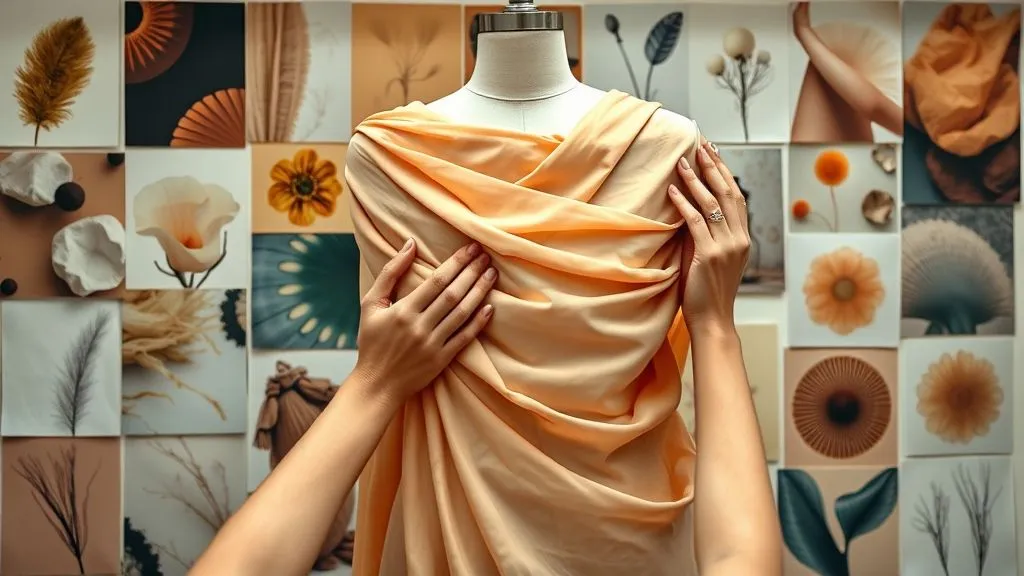
- Master the Art of Draping (Non-Traditional Methods): Go beyond conventional draping techniques. Experiment with draping directly on the body or on abstract forms, allowing the fabric to dictate unexpected folds and volumes. Think about how fabric can create a sense of fluidity or sculptural rigidity.
- Play with Proportion and Scale: Challenge typical waistlines, hemlines, and sleeve lengths. Introduce exaggerated sleeves, high-waisted wide-leg trousers, or dramatically oversized outerwear that still maintains a sense of sophisticated proportion.
- Introduce Strategic Asymmetry: Asymmetry is a powerful tool for breaking visual monotony. A single asymmetrical hem, a diagonal closure, or an uneven shoulder line can transform a simple garment into a statement piece, adding dynamism and modern edge.
Many avant-garde designers have built entire careers on redefining silhouettes. Studying their work, such as that of Rei Kawakubo of Comme des Garçons or Issey Miyake, can provide invaluable insight into unconventional form-making.
The Power of Tactile Storytelling: Fabric Innovation and Texture Play
Fabric is more than just a material; it's a primary medium for storytelling. The hand-feel, drape, and visual texture of a textile can communicate emotion, luxury, or rebellion. Relying on generic fabrics will inevitably lead to generic collections. To create unique feminine fashion collections avoiding clichés, you must innovate with materials.
Beyond Cotton and Silk: Exploring Novel Materials
The textile industry is constantly evolving, offering incredible opportunities for designers to differentiate their collections. Consider these avenues:
- Sustainable Alternatives: Explore innovative eco-friendly materials like mushroom leather (Mylo), algae-based fabrics, pineapple leather (Piñatex), or recycled ocean plastics. These materials not only offer unique textures and properties but also tell a compelling story of conscious design.
- Smart Textiles: Integrate technology subtly. Fabrics that change color with temperature, respond to light, or offer unique tactile sensations can elevate a collection beyond mere aesthetics, adding an element of surprise and functionality.
- Upcycling and Repurposing: Master the art of transforming existing garments or textile waste into new, high-value pieces. This requires creative deconstruction and reconstruction techniques, resulting in truly one-of-a-kind items with inherent stories.
- Unexpected Blends: Combine fibers in unconventional ways – a wool-linen blend for unexpected drape, silk-denim for a luxurious yet casual feel, or technical fibers with natural ones for hybrid properties.
The future of feminine fashion lies not just in what it looks like, but how it feels, how it's made, and what it represents ethically and aesthetically.
The tactile experience of a garment is often as important as its visual appeal. By consciously choosing and manipulating fabrics, you add layers of depth and originality to your designs.
Embracing Inclusivity and Diverse Perspectives
In today's global landscape, true uniqueness also stems from embracing the breadth of human experience. Designing for a singular, idealized 'feminine' archetype is not only outdated but also a missed opportunity for genuine connection and innovation. To create unique feminine fashion collections avoiding clichés, your design philosophy must be inclusive.
Designing for the Modern Woman, Not a Stereotype
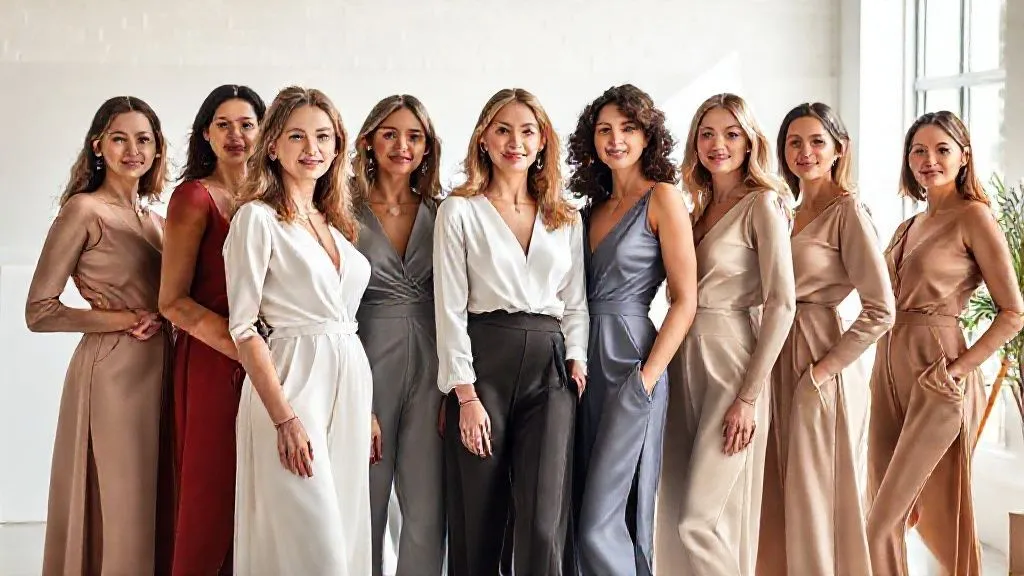
The modern woman is diverse in every sense – body shape, age, ethnicity, ability, and personal style. Your collections should reflect this reality:
- Conduct Diverse User Research: Go beyond standard focus groups. Engage with women from various backgrounds, ask about their needs, their frustrations with current fashion, and their aspirations. This direct insight is invaluable.
- Design for Various Body Types and Abilities: Instead of simply grading up or down, design with different body shapes and functional needs in mind from the outset. Consider adaptive elements, versatile fits, and comfort without sacrificing style.
- Challenge Traditional Sizing: The industry's sizing conventions are often limiting and inconsistent. Explore more fluid sizing systems, custom-fit options, or garments designed to adapt to a range of body types.
- Reflect Cultural Diversity Responsibly: If drawing inspiration from global cultures, do so with deep understanding, respect, and collaboration where appropriate. Avoid superficial appropriation and instead focus on meaningful cultural exchange that enriches your design.
As highlighted by publications like Forbes on inclusive design, moving beyond a narrow definition of beauty and fit not only broadens your market but also enriches your creative output, leading to more authentic and resonant designs.
The Iterative Process: Refinement and Feedback Loops
Innovation is rarely a first-try success. Creating unique feminine fashion collections avoiding clichés is an iterative process that demands continuous refinement, critical self-assessment, and openness to feedback. This isn't about perfection; it's about persistent evolution.
From Concept to Collection: A Cycle of Growth
Embrace a design process that allows for experimentation, failure, and learning:
- Sketching and Ideation: Generate a vast quantity of ideas without self-censorship. Explore many different directions for each concept before settling on a few to develop further.
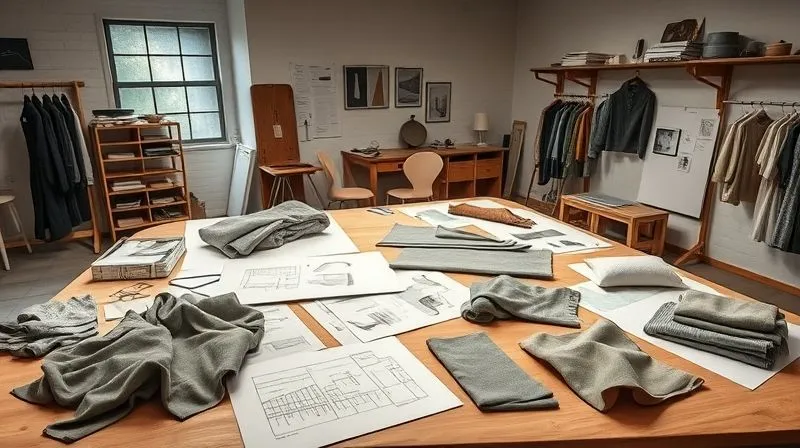
- Prototyping and Mock-ups: Translate your 2D sketches into 3D forms using muslin or inexpensive fabrics. This stage is crucial for understanding how fabric drapes, how seams sit, and how the garment interacts with the body. Don't be afraid to scrap and restart.
- Gathering Feedback (Diverse Sources): Seek feedback from trusted mentors, peers, and a diverse group of potential customers. Ask targeted questions that help you understand if your unique narrative is being communicated effectively and if the garments are resonating.
- Refining and Re-iterating: Based on feedback and your own critical eye, refine your designs. This might mean adjusting a seam, altering a proportion, experimenting with a different fabric, or even re-thinking an entire concept. The willingness to iterate is a hallmark of truly innovative design.
Remember, even the most iconic designs went through numerous iterations. This process isn't a sign of weakness; it's a testament to dedication and commitment to excellence.
Frequently Asked Questions (FAQ)
Q1: How do I balance uniqueness with commercial viability? Balancing uniqueness with commercial viability requires understanding your target market deeply. Start by identifying the 'sweet spot' where your unique vision intersects with an unmet need or desire of a specific audience. Often, a collection can have a few truly avant-garde, 'hero' pieces that define the brand's unique aesthetic, alongside more wearable, yet still distinctive, items that drive sales. Focus on unique details, fabric choices, or subtle twists on classic silhouettes rather than entirely alienating forms. Market research and testing small batches can help validate unique concepts before full production.
Q2: What if my unique ideas are too 'out there' for my target audience? If your ideas feel too 'out there,' it might be a sign to either refine your concept for your current audience or to reconsider who your true target audience is. Sometimes, truly innovative ideas require educating your audience. This can be done through strong storytelling, clear brand messaging, and creative visual campaigns. Alternatively, you might discover that your 'out there' ideas actually appeal to a niche, more avant-garde segment of the market that you hadn't initially considered. Don't compromise your vision, but learn how to communicate its value effectively.
Q3: Where can I find truly unconventional inspiration? Beyond the suggestions in this article (architecture, science, art, anthropology), consider fields like philosophy, psychology, historical events, forgotten crafts, or even mundane everyday objects viewed through a new lens. Engage all your senses: listen to obscure music, visit industrial sites, read historical texts, or observe street style in non-fashion-centric cities. The key is to actively seek out stimuli that are outside your usual comfort zone and then apply a rigorous process of abstraction and translation to your design.
Q4: Is it okay to reference historical fashion in a unique collection? Absolutely! Referencing historical fashion is a rich source of inspiration, but the key is 'reinterpretation,' not replication. Instead of copying a historical silhouette directly, extract its underlying principles – perhaps the way a sleeve was constructed, or the emotional impact of a particular era – and then fuse it with modern techniques, materials, or contemporary narratives. For example, you might take the dramatic volume of a Victorian sleeve but render it in a technical, sustainable fabric with a minimalist finish, creating something entirely new and unique.
Q5: How do I protect my unique design concepts from being copied? Protecting design concepts is a complex challenge in the fast-paced fashion industry. While securing full copyright for clothing designs can be difficult, you can take steps like registering original prints or textile patterns, and documenting your design process meticulously (sketches, mood boards, prototypes with dates). Building a strong, recognizable brand identity and voice makes it harder for others to copy your essence, even if individual elements are mimicked. Focus on continuous innovation – by the time someone copies you, you should already be moving onto the next groundbreaking idea. Consulting with intellectual property lawyers specializing in fashion is also highly recommended.
Key Takeaways and Final Thoughts
Creating unique feminine fashion collections avoiding clichés is not merely a design challenge; it's a philosophical one. It requires a profound understanding of what 'feminine' truly means in a contemporary context, a willingness to venture beyond conventional inspiration, and the courage to forge new paths in silhouette, material, and narrative.
- Redefine Femininity: Move past superficial tropes to embrace the diverse spectrum of strength, grace, and intellect.
- Seek Unconventional Inspiration: Look to architecture, science, art, and anthropology for truly novel ideas.
- Craft a Compelling Narrative: Let your collection tell a story that resonates emotionally and intellectually.
- Innovate Silhouettes and Forms: Challenge traditional shapes with architectural construction, daring drapes, and strategic asymmetry.
- Master Tactile Storytelling: Utilize innovative fabrics and textures to add depth and originality.
- Embrace Inclusivity: Design for the diverse modern woman, reflecting varied body types, ages, and cultural backgrounds.
- Commit to Iteration: See the design process as a continuous cycle of experimentation, feedback, and refinement.
As an industry veteran, I can assure you that the market craves authenticity and originality. Your unique voice is your most valuable asset. Trust your instincts, be bold in your vision, and never stop questioning the status quo. By doing so, you won't just create fashion; you'll create art that truly moves and inspires.
Recommended Reading
- 7 Creative Lenses: Revitalizing Stagnant Fashion Campaigns with Visual Stories
- 7 Pro Fixes: What's Stopping Your Fashion Photography from Being Magazine-Ready?
- 7 Steps: Ethically Marketing Feminine Fashion to Diverse Body Types Online
- 7 Creative Ways to Revive Your Style When Outfit Ideas Run Dry
- 8 Keys to Authentically Market Haute Joaillerie to UHNW Gen Z


Your email address will not be published. Required fields are marked *