

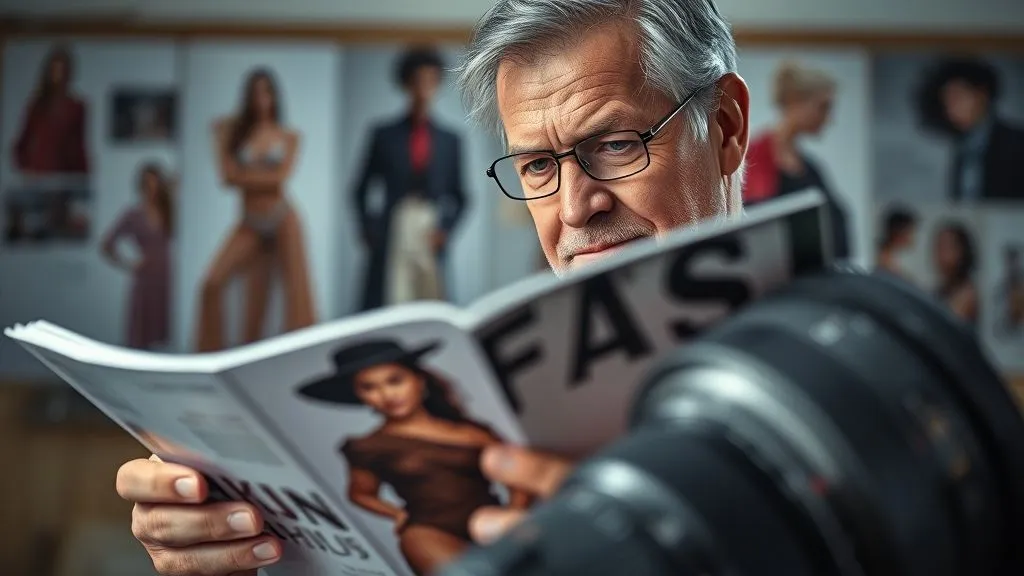
What's Stopping My Fashion Photography from Being Magazine-Ready?
For over two decades in the dynamic world of fashion photography, I've had the privilege of witnessing countless talents emerge, and unfortunately, many more falter. I've sat on editorial boards, art directed shoots for top-tier publications, and reviewed thousands of portfolios. One recurring question echoes in the studios and DMs of aspiring and even established photographers: "What's stopping my fashion photography from being magazine-ready?"
It's a question born of frustration, of pouring your heart and soul into a shoot only to find it doesn't quite hit the mark for that coveted editorial spread. You see the stunning images in Vogue or Harper's Bazaar and wonder what secret ingredient you're missing. It's not always about having the most expensive gear or the most famous model; often, it's about a nuanced understanding of editorial standards, an 'invisible polish' that separates a good photo from a great, publishable one.
In this definitive guide, I'll pull back the curtain on the subtle yet critical elements that define magazine-ready fashion photography. We'll delve into actionable frameworks, dissect real-world scenarios, and I'll share expert insights gleaned from years in the trenches. By the end, you'll not only understand the common pitfalls but also possess a clear roadmap to elevate your work, ensuring your next shoot is undeniably, unequivocally, magazine-ready.
Beyond the Basics: Cultivating the Editorial Eye
The first hurdle I often see photographers stumble over isn't technical skill; it's the lack of an "editorial eye." This isn't just about taking a beautiful picture; it's about crafting a narrative that speaks to a publication's aesthetic and its audience. A great fashion photograph tells a story, evokes an emotion, or presents a concept that transcends mere product display.
Storytelling Through Stills: More Than Just a Pretty Face
Magazine editorials thrive on visual storytelling. They're not just showcasing clothes; they're selling a lifestyle, a mood, an aspiration. Your images need to communicate more than just what the garment looks like; they need to convey its essence within a broader context. Think about the location, the model's expression, the interaction (or lack thereof) with props – every element contributes to the story.
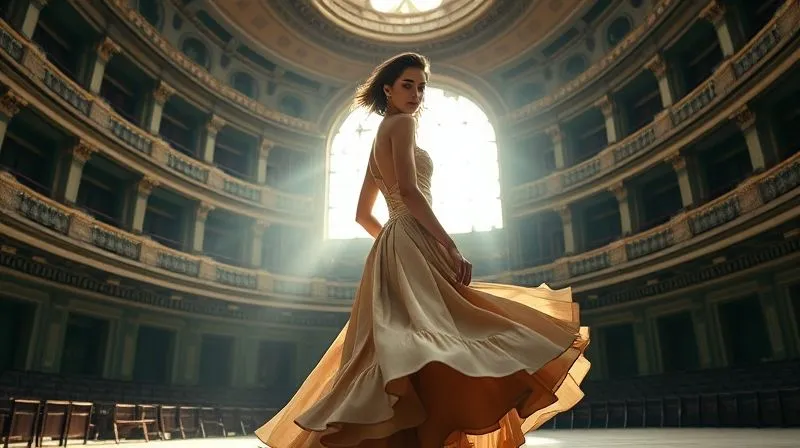
- Define Your Narrative: Before the shoot, establish a clear story or theme. What emotion are you trying to evoke? What message do you want to convey?
- Build a Visual Arc: Plan your shots to progress through the story. Consider how each image builds upon the last to create a cohesive series.
- Direct for Emotion: Work with your model to draw out authentic expressions and poses that enhance your chosen narrative. It's not just about looking good; it's about feeling something.
- Contextualize the Fashion: Ensure the styling, location, and props all align with and reinforce the story, making the fashion an integral part of the narrative, not just an isolated element.
Lighting Mastery: The Unsung Hero of Editorial Spreads
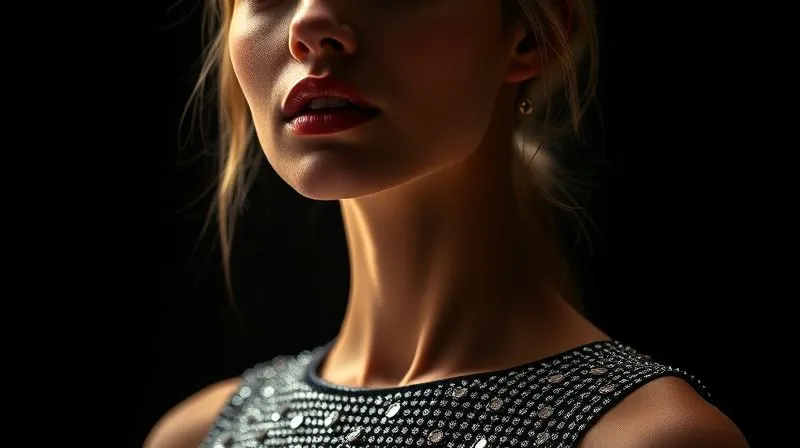
Flat, uninspired lighting is a death knell for magazine submissions. Editorial photography demands lighting that not only illuminates but also sculpts, creates mood, and adds a layer of sophistication. It's about control, precision, and understanding how light interacts with fabric, skin, and environment to elevate the overall image.
Sculpting with Light: From Flat to Dynamic
Consider the difference between a snapshot and a painterly portrait. Often, it's the deliberate manipulation of light. Magazine-ready images utilize light to define form, create depth, and highlight texture. This might mean dramatic chiaroscuro, soft, ethereal backlighting, or sharp, graphic shadows. It's rarely just a single strobe head pointed directly at the subject.
"Light is the language of photography. To speak eloquently in fashion, you must master its dialects – from the harsh whispers of high contrast to the gentle murmurs of diffused glow. It's how you reveal the garment's soul." - My personal mantra after years of studio work.
According to a survey by Professional Photographer Magazine, the ability to create dynamic and purposeful lighting is consistently ranked as one of the top skills editors look for in fashion submissions. It's the difference between merely documenting and truly creating art.
Styling & Art Direction: Crafting a Cohesive Narrative
Many photographers overlook the crucial role of robust styling and meticulous art direction in pre-production. A magazine-ready shoot isn't just about the photographer; it's a symphony conducted by an art director, a stylist, a hair and makeup artist, and the photographer. Each element must be harmonized to achieve a cohesive, compelling vision.
The Power of Pre-Production: Mood Boards to Masterpieces
Before any shutter clicks, a magazine-level shoot is planned down to the last detail. This involves extensive research, mood boards, location scouting, and detailed wardrobe planning. The goal is to eliminate surprises and ensure every visual element contributes to the overarching concept. A weak concept or disjointed styling will always prevent your fashion photography from being magazine-ready, no matter how skilled you are with a camera.
| Pre-Production Phase | Key Activities | Desired Outcome |
|---|---|---|
| Concept Development | Brainstorming, narrative definition, target publication analysis | Unique, compelling story/theme |
| Mood Board Creation | Visual research (photos, colors, textures), styling references | Unified visual language for the team |
| Team Assembly | Hiring stylist, HMUA, models, assistants | Talented, collaborative crew |
| Logistics & Planning | Location scouting, permit acquisition, wardrobe sourcing, call sheet creation | Smooth, efficient shoot day |
Post-Production Perfection: The Invisible Polish
The journey to magazine-ready fashion photography doesn't end when the camera is packed away. Post-production is where the final magic happens, but it's also where many photographers go astray. Over-retouching, inconsistent color grading, or a lack of understanding of editorial standards can instantly downgrade an otherwise strong image.
Retouching with Restraint: Enhancing, Not Erasing
Editorial retouching is about enhancement, not transformation. It's about refining skin, cleaning up distractions, and ensuring color accuracy without making the model look plastic or artificial. The goal is to present the fashion and the model in their best light, while maintaining authenticity and a natural feel. I've seen countless portfolios rejected because the retouching was heavy-handed and unnatural.
Case Study: How 'Luxe Lifestyle' Magazine Achieved Editorial Consistency
A few years ago, 'Luxe Lifestyle' magazine faced a challenge with inconsistent image quality across submissions. Their editor-in-chief, a long-time colleague, realized that photographers were struggling with post-production standards. By implementing a clear style guide for retouching – emphasizing natural skin tones, subtle color grading, and minimal distortion – and offering workshops, they saw a dramatic improvement. Submissions that were once visually jarring became cohesive and polished, ultimately elevating the magazine's overall aesthetic and reducing their internal retouching workload by 40%. This consistency is paramount for images to be considered magazine-ready.
Building Your Network: The Gatekeepers of Glossy Pages
Even with impeccable images, if you don't know how to navigate the industry, your work might never see the light of day. Networking and understanding the submission process are critical. Editors, art directors, and stylists are the gatekeepers, and building genuine relationships can open doors that talent alone cannot.
The Art of the Pitch: How to Approach Editors
Don't just send unsolicited images. Research the magazine, understand its aesthetic, and identify the specific editor responsible for photography. Tailor your pitch to demonstrate how your work aligns with their brand and how it can bring value. A concise, professional email with a link to a curated online portfolio is far more effective than a massive attachment of raw files.
As marketing guru Seth Godin often says, "Don't find customers for your products, find products for your customers." In this context, it means understanding what an editor needs and offering precisely that. For further insights into professional outreach, I recommend exploring resources like Forbes' articles on networking in creative industries.
Developing Your Unique Voice: Stand Out, Don't Blend In
In a saturated market, merely being competent isn't enough. To truly make your fashion photography magazine-ready, you need a distinctive style, a unique voice that sets you apart. Editors are constantly looking for fresh perspectives and original visions that will captivate their readership.
Curating Your Portfolio: Quality Over Quantity
Your portfolio is your calling card. It should be a tightly curated collection of your absolute best, most cohesive work that clearly showcases your unique aesthetic and technical prowess. Resist the urge to include everything you've ever shot. Focus on quality, consistency, and a strong editorial sensibility. Each image should be a deliberate choice, contributing to a powerful overall impression.
Legalities and Logistics: Protecting Your Art and Business
Beyond the creative aspects, understanding the business and legal side of fashion photography is non-negotiable for professional success and ensuring your work is truly magazine-ready for publication. Neglecting these details can lead to costly disputes and severely damage your reputation.
Model Releases and Usage Rights: The Fine Print That Matters
Always, always have signed model releases. This protects you and the publication from future legal issues regarding image usage. Furthermore, understand the terms of your licensing agreements: what usage rights are you granting the magazine? Is it for print, digital, social media, or all of the above? For how long? These details impact your compensation and control over your work.
| Aspect | Description | Importance for Magazine-Readiness |
|---|---|---|
| Model Release | Legal document signed by model granting permission for image use. | Absolutely essential for any publication; non-negotiable. |
| Usage Rights (Licensing) | Defines how, where, and for how long images can be used by the client. | Crucial for legal clarity, proper compensation, and maintaining control over your work. |
| Copyright Ownership | Photographer typically retains copyright unless explicitly transferred. | Protects your intellectual property; ensures proper attribution and control over future uses. |
For comprehensive legal guidance on photographic rights and licensing, I highly recommend consulting resources from organizations like ASMP (American Society of Media Photographers).
The Business of Fashion Photography: Pricing and Professionalism
Understanding your value and pricing your work appropriately is a critical, yet often intimidating, aspect of making your fashion photography magazine-ready. Publications operate on budgets, and your ability to present a clear, professional proposal demonstrates your readiness for high-level work.
Understanding Industry Rates and Value Perception
Research industry standards for editorial rates. While editorial work often pays less than commercial assignments, it offers invaluable exposure. Be transparent about your fees and what they include. Professionalism in your communication, invoicing, and contract management speaks volumes about your readiness to work with established publications. It’s not just about the art; it’s about the entire professional package.
Frequently Asked Questions (FAQ)
Q: How do I find the right fashion stylist and hair/makeup artist to collaborate with for editorial shoots? A: Building a strong creative team is paramount. Start by researching local talent on Instagram, Behance, and through professional networking events. Look for artists whose portfolios align with your aesthetic and who have experience in editorial work. Reach out with a clear concept and offer a collaborative, test-shoot opportunity to build rapport and chemistry. Remember, a great team can elevate your fashion photography to be truly magazine-ready.
Q: Should I invest in expensive gear to get my fashion photography published? A: While professional-grade equipment can certainly help, it's not the primary barrier. Many successful editorial photographers started with more modest gear. Focus on mastering composition, lighting, and post-processing. A strong vision and exceptional execution with mid-range gear will always outperform a weak concept shot on the most expensive camera. Gear is a tool; talent and vision are the drivers.
Q: What's the biggest mistake aspiring fashion photographers make when submitting to magazines? A: The most common mistake I've observed is submitting uncurated, inconsistent, or inappropriate work. Sending a generic portfolio to every magazine, or submitting images that clearly don't align with a publication's aesthetic, shows a lack of research and professionalism. Always tailor your submission, highlight your strongest, most relevant work, and demonstrate an understanding of the magazine's brand. This is crucial for your fashion photography to be magazine-ready.
Q: How important is having a niche or unique style in fashion photography? A: Extremely important. In a crowded market, a distinctive style is what helps you stand out and makes your work memorable to editors. While it's good to experiment, actively work on developing a signature aesthetic – whether it's through your lighting, color palette, composition, or the narratives you explore. Your unique voice is a major factor in getting your fashion photography noticed and ultimately, published.
Q: What are the typical turnaround times for hearing back from a fashion magazine after submission? A: Patience is key. Editorial teams are often swamped with submissions. It can range from a few weeks to several months. If you haven't heard back after a reasonable period (e.g., 6-8 weeks), a polite follow-up email is acceptable. However, avoid persistent nagging, as it can be counterproductive. Continue shooting, improving, and submitting elsewhere in the meantime.
Key Takeaways and Final Thoughts
The journey to making your fashion photography magazine-ready is multifaceted, encompassing not just technical skill but also a deep understanding of editorial storytelling, strategic planning, and industry navigation. It's about a holistic approach that elevates every aspect of your craft.
- Master the Editorial Eye: Focus on storytelling, not just pretty pictures.
- Sculpt with Light: Utilize advanced lighting techniques to create mood and depth.
- Embrace Pre-Production: Meticulous planning and strong art direction are non-negotiable.
- Refine Post-Production: Retouch with restraint, aiming for enhancement, not alteration.
- Network Strategically: Build relationships and tailor your pitches to specific publications.
- Cultivate Your Voice: Develop a unique style that sets your work apart.
- Understand the Business: Handle legalities, logistics, and pricing with professionalism.
Remember, the path to seeing your work in glossy pages is a marathon, not a sprint. It requires persistence, continuous learning, and an unwavering commitment to excellence. By internalizing these insights and consistently applying them, you're not just taking photos; you're crafting compelling visual narratives that will captivate editors and audiences alike. Keep pushing your creative boundaries, and I have no doubt your fashion photography will soon be undeniably, gloriously, magazine-ready.
Recommended Reading
- 7 Steps: Verify Sustainable Jewelry Material Sourcing Claims Effectively
- Draping Dreams: Best Fabric for Textile Art Costumes REVEALED!
- 7 Steps to Ensure Structural Integrity for Large-Scale Wearable Art Jewelry
- How to Maintain Creative Integrity with Restrictive Fashion Briefs
- 7 Steps to Sustainable Sourcing for Performance Activewear: A Complete Guide


Your email address will not be published. Required fields are marked *