

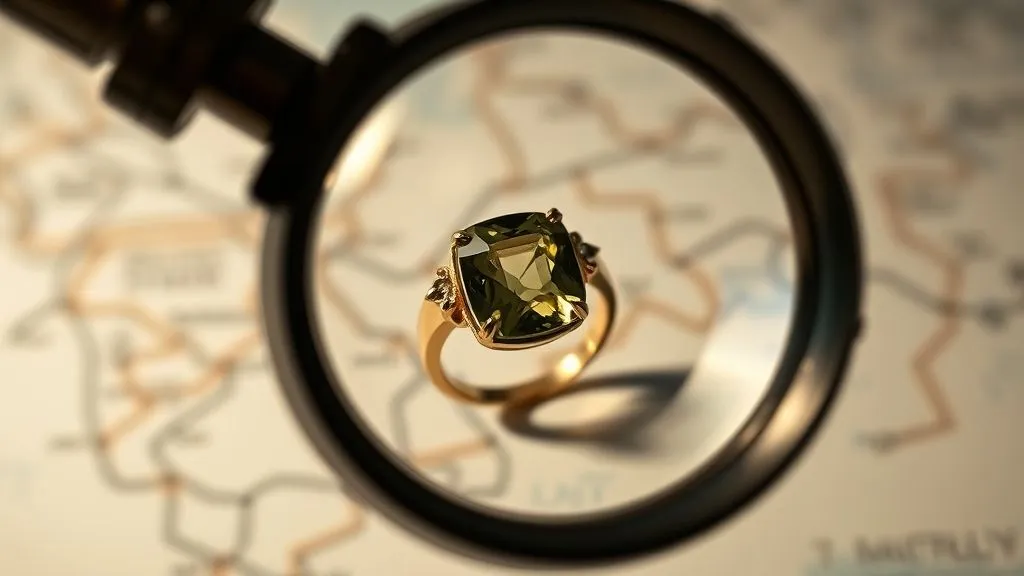
How to Verify Sustainable Jewelry Material Sourcing Claims?
For over 18 years in the specialized world of jewelry design and sustainable sourcing, I've witnessed a dramatic shift in consumer awareness. What was once a niche concern has evolved into a mainstream demand: transparency. Yet, the path to true sustainability in jewelry is fraught with complexities, often obscured by vague marketing claims. Many well-intentioned brands, and even more discerning consumers, struggle to cut through the 'green noise' and truly understand where their precious materials originate.
The pain point is palpable: how do you, as a designer, retailer, or conscious consumer, confidently stand behind a piece of jewelry when its very foundation—its materials—might have an opaque or questionable origin story? The fear of inadvertently supporting unethical labor, environmental degradation, or even conflict is a heavy burden, and the risk of 'greenwashing' is ever-present in an industry eager to capitalize on sustainability trends.
This article isn't just another guide; it's a deep dive into the practical frameworks and expert insights I've gathered over nearly two decades. I promise to equip you with actionable strategies, detailed checklists, and real-world examples to empower you to rigorously verify sustainable jewelry material sourcing claims. We'll explore everything from robust certification schemes to the power of direct supply chain engagement, ensuring you can make informed decisions that resonate with genuine ethical intent.
Understanding the "Greenwashing" Challenge in Jewelry
Before we delve into verification methods, it's crucial to understand the landscape we're operating in. Greenwashing is rampant across industries, and jewelry is no exception. It's the practice of making unsubstantiated or misleading claims about the environmental benefits of a product, service, or company. In jewelry, this often manifests as vague statements like 'ethically sourced' or 'eco-friendly' without any verifiable data or third-party certification.
I've seen countless brands use these terms superficially, banking on consumer trust without doing the arduous work of supply chain due diligence. This not only erodes confidence in genuinely sustainable brands but also makes it incredibly difficult for the average person to discern authenticity. The challenge lies in the inherent complexity of global supply chains for precious metals and gemstones, which often involve multiple intermediaries across different continents.
"True sustainability isn't a marketing slogan; it's a commitment to rigorous transparency and continuous improvement across every link of the supply chain. Anything less is merely aspiration, or worse, deception."
The Nuances of Sustainable Claims
It's important to recognize that 'sustainable' isn't a monolithic concept. It encompasses environmental impact, social responsibility, and economic viability. When a brand claims sustainable sourcing, are they referring to:
- Environmental Protection: Minimizing pollution, reducing carbon footprint, responsible waste management, land reclamation?
- Social Equity: Fair wages, safe working conditions, no child labor, community development, indigenous rights?
- Economic Viability: Supporting local economies, fair pricing for raw materials, long-term stability for miners and artisans?
Often, a brand might excel in one area but fall short in another. A comprehensive verification process requires looking at the holistic picture.

The Foundation: Knowing Your Materials and Their Origins
The first step in answering 'How to verify sustainable jewelry material sourcing claims?' is to develop a deep understanding of the materials themselves. This goes beyond simply identifying gold or diamonds; it means understanding their geological origins, common mining practices, and typical routes to market.
Precious Metals: Gold, Silver, Platinum
- Recycled Content: Many brands claim to use 'recycled gold.' This is a great start, as it significantly reduces the environmental impact associated with new mining. However, verify the percentage of recycled content. Is it 100% post-consumer recycled, or a blend? Ask for documentation from the refiner.
- Fairmined/Fairtrade Gold: These certifications guarantee that gold comes from artisanal and small-scale mining (ASM) operations that meet stringent standards for environmental protection, social development, and fair labor practices. Look for the official logos and certification numbers.
- Chain of Custody: Regardless of recycled or newly mined, demand a clear chain of custody documentation from the refiner or supplier. This should show the material's journey from its origin point to the jewelers' bench.
Gemstones: Diamonds, Sapphires, Emeralds, Rubies
- Kimberley Process (KP): For diamonds, the KP is a certification scheme that aims to prevent 'conflict diamonds' from entering the mainstream market. While a good baseline, it has limitations, primarily focusing on preventing stones funding rebel movements, not broader human rights or environmental issues. Always ask for a KP certificate.
- Beyond Conflict-Free: Look for suppliers who offer 'beyond conflict-free' diamonds, often referring to Canadian diamonds or those from specific mines with transparent practices. Some certifications like the Responsible Jewellery Council (RJC) or SCS Global Services offer more comprehensive audits.
- Traceability for Colored Gemstones: This is notoriously difficult due to the fragmented nature of the colored gemstone supply chain. Look for initiatives like Gemfields for emeralds and rubies, or individual suppliers who can demonstrate direct relationships with specific mines or cutting houses, often with accompanying narratives or origin reports.
- Lab-Grown Gemstones: These offer a controlled environment with known origins. While not 'mined,' their sustainability depends on the energy source used in their creation. Inquire about the energy mix of the lab.
According to a report by The Responsible Jewellery Council (RJC), consumer demand for transparency in jewelry sourcing has increased by over 70% in the last five years, indicating a critical need for robust verification methods.
Deep Dive into Certification Schemes: What to Look For
Certifications are powerful tools in verifying sustainable jewelry material sourcing claims, but not all certifications are created equal. As an expert, I advise looking beyond just the logo; understand what each certification truly guarantees.
Key Certifications and Their Scope:
- Responsible Jewellery Council (RJC): This is one of the most comprehensive certifications, covering the entire jewelry supply chain from mine to retail. RJC Certification addresses human rights, labor rights, environmental impact, mining practices, product disclosure, and more. A brand with RJC certification for its entire operation is a strong indicator of commitment.
- Fairmined & Fairtrade Gold: Specific to artisanal and small-scale gold mining, these certifications ensure strict environmental and social standards, fair prices, and community development premiums.
- SCS Global Services: Offers third-party certifications for recycled content, responsible sourcing, and carbon footprint verification across various industries, including jewelry.
- Kimberley Process Certification Scheme (KPCS): As mentioned, for diamonds, this is a minimum standard to ensure stones are conflict-free. It's necessary but not sufficient for full sustainability.
- Gemfields: While not a broad certification, Gemfields operates its own mines (e.g., Kagem emerald mine in Zambia, Montepuez ruby mine in Mozambique) with a stated commitment to responsible practices, transparency, and community development. They provide detailed origin reports for their stones.
How to Evaluate a Certification:
- Third-Party Verification: Is the certification body independent and reputable? Do they conduct regular, unannounced audits?
- Scope of Standards: What specific environmental, social, and governance (ESG) criteria do they cover? Is it just environmental, or does it include labor practices, community engagement, and transparency?
- Traceability Requirements: Does the certification require a clear chain of custody for materials from origin to finished product?
- Transparency of Standards: Are the certification standards publicly accessible and clearly defined?
"A robust certification is more than a stamp; it's a living document upheld by continuous audits, transparent reporting, and a commitment to evolving best practices."
| Certification | Scope | Materials Covered | Key Benefit |
|---|---|---|---|
| RJC | Mine to Retail (Comprehensive ESG) | All jewelry materials | Holistic supply chain assurance |
| Fairmined/Fairtrade Gold | Artisanal Small-Scale Mining (ASM) | Gold, Silver | Directly supports ethical ASM communities |
| Kimberley Process | Diamond Origin | Rough Diamonds | Prevents conflict diamonds |
| SCS Global Services | Specific ESG Claims (e.g., Recycled Content) | Various (metals, etc.) | Verifies specific environmental claims |
Tracing the Supply Chain: Beyond the First Tier
The real challenge in answering 'How to verify sustainable jewelry material sourcing claims?' often lies beyond the immediate supplier. Most jewelry brands interact with a handful of direct suppliers, but these suppliers, in turn, interact with many others further up the chain. This multi-tiered structure makes traceability incredibly complex.
Mapping Your Supply Chain:
- Supplier Declarations: Start by requiring your direct suppliers to provide detailed declarations of origin for all materials, including their own suppliers. Don't accept vague answers.
- Risk Assessment: Identify high-risk materials (e.g., colored gemstones from conflict-prone regions, gold from areas with known human rights abuses) and prioritize deeper investigation for these.
- Ask for Documentation: Request invoices, shipping manifests, customs declarations, and any internal traceability documents that link the material back to its source.
- Supplier Visits (if feasible): For larger operations, or for critical suppliers, consider visiting their facilities or commissioning independent audits.
Case Study: Verifying Recycled Gold at 'Lumen Jewels'
Lumen Jewels, a rapidly growing fine jewelry brand, committed to 100% recycled gold. Initially, they simply trusted their refiner's claim. However, after attending an industry workshop on greenwashing, their head of sourcing, Sarah, decided to dig deeper. She requested detailed audit reports from their refiner, showing the percentage of post-consumer vs. pre-consumer scrap. She then went further, asking for documentation of the refiner's own energy consumption and waste management practices. When she found discrepancies in the documentation and a lack of transparency regarding the refiner's energy mix, Lumen Jewels switched to a refiner that was SCS Global Services certified for recycled content and could provide clear, audited data on their operations. This proactive step not only strengthened Lumen's claims but also ensured their supply chain aligned with their true values.
Leveraging Technology for Transparency: Blockchain and Digital Ledgers
In recent years, technology has emerged as a powerful ally in the quest for supply chain transparency. Blockchain, in particular, holds immense promise for verifying sustainable jewelry material sourcing claims by creating immutable, verifiable records.
How Blockchain Works in Jewelry:
- Immutable Records: Each step in a material's journey (mining, cutting, polishing, setting) can be recorded as a 'block' on a blockchain. Once a block is added, it cannot be altered, creating a permanent, tamper-proof history.
- Decentralized Verification: This distributed ledger technology allows all authorized parties (miners, cutters, jewelers, consumers) to access and verify the same information, reducing the potential for fraud or misrepresentation.
- Digital Fingerprints: Some systems integrate with physical markers or digital 'fingerprints' of individual stones or batches of metal, linking the physical product to its digital record.
Current Implementations and Future Potential:
- Everledger: A leading platform that uses blockchain to track diamonds, colored gemstones, and other high-value assets, providing a digital ledger of their journey and characteristics.
- Provenance Proof: Another initiative focused on tracking gemstones from mine to market using blockchain technology, offering transparency on origin, ethical practices, and ownership.
- Digital Passports: Imagine a QR code on a piece of jewelry that, when scanned, reveals its entire journey, complete with certifications, photos from the mine, and details about the artisans involved.

The Power of Direct Engagement: Audits and Vendor Relationships
While certifications and technology are vital, nothing replaces direct engagement and strong vendor relationships when you truly want to verify sustainable jewelry material sourcing claims. This is where your 'boots on the ground' approach comes into play.
Building Trust and Transparency:
- Develop Long-Term Relationships: Work with suppliers you know and trust, who share your values. Long-term partnerships foster greater transparency and mutual accountability.
- Clear Communication of Expectations: Clearly articulate your sustainability requirements from the outset. Include clauses about ethical sourcing, environmental standards, and traceability in your contracts.
- Regular Communication: Maintain open lines of communication. Ask questions regularly about their practices, challenges, and improvements.
Conducting Due Diligence and Audits:
- Supplier Questionnaires: Develop detailed questionnaires covering environmental policies, labor practices, health & safety, and sourcing policies.
- Third-Party Audits: For critical suppliers, especially those involved in mining or initial processing, commission independent third-party audits. These audits should assess compliance with international labor laws, environmental regulations, and specific sustainability standards.
- Site Visits: If feasible, conduct your own site visits. Seeing operations firsthand, even observing general conditions, can provide invaluable insights that no certificate can fully convey. I've personally traveled to remote mining communities, and those experiences are truly transformative in understanding the real-world impact.
"Due diligence isn't a one-time check; it's an ongoing, iterative process built on trust, transparency, and a willingness to continually learn and improve with your partners."
Beyond Materials: Ethical Labor and Environmental Impact
Verifying sustainable jewelry material sourcing claims extends beyond just the raw materials. The entire production process, from cutting and polishing to setting and finishing, must align with ethical and environmental principles. A truly sustainable piece of jewelry tells a story of responsibility at every stage.
Ethical Labor Practices:
- Fair Wages and Working Conditions: Ensure that everyone involved in the crafting process, from cutters to polishers and bench jewelers, receives fair wages and works in safe, healthy environments. This includes freedom from child labor, forced labor, and discrimination.
- Health and Safety: Jewelry manufacturing can involve hazardous chemicals and machinery. Verify that proper safety protocols, ventilation, and protective equipment are in place.
- Community Engagement: Does the sourcing support local communities? Are there initiatives for education, healthcare, or infrastructure development in mining regions?
Environmental Impact of Manufacturing:
- Water Management: Gemstone cutting and metal refining can be water-intensive. Inquire about water recycling and responsible discharge practices.
- Chemical Management: Jewelers use various chemicals for plating, cleaning, and polishing. Verify proper handling, disposal, and, ideally, the use of less toxic alternatives.
- Energy Consumption: Ask about the energy sources used in manufacturing facilities. Are they investing in renewable energy or energy-efficient technologies?
- Waste Reduction: What are the practices for minimizing waste, recycling scrap materials, and managing hazardous byproducts?
As Forbes often highlights, true sustainability in luxury goods is a holistic endeavor, encompassing both material origins and the social and environmental footprint of production.
Empowering the Consumer: Questions to Ask and Red Flags to Spot
Finally, how can a conscious consumer effectively verify sustainable jewelry material sourcing claims? It boils down to asking the right questions and recognizing warning signs. I've guided countless individuals through this process, and empowering yourself with knowledge is the best defense against greenwashing.
Key Questions to Ask a Jewelry Brand:
- "Can you provide specific details or certifications for your metal sourcing?" (e.g., 100% recycled, Fairmined, RJC certified refiner).
- "What is the origin of your gemstones, and how do you ensure their ethical sourcing?" (Look for specifics like mine names, country of origin, blockchain traceability, or 'beyond conflict-free' claims).
- "Are your manufacturing processes audited for environmental and labor standards?" (Ask about third-party audits, fair wage policies, and safety protocols).
- "What is your brand's overall commitment to sustainability, and how do you measure your impact?" (Look for transparency reports, specific goals, and continuous improvement initiatives).
Red Flags to Watch Out For:
- Vague or Generic Language: Phrases like 'ethically sourced,' 'eco-friendly,' or 'responsible' without any supporting evidence, certifications, or specific details.
- Lack of Traceability: Inability to provide information beyond the immediate supplier, or a reluctance to share origin details.
- No Third-Party Verification: Claims that are purely internal without any independent audits or recognized certifications.
- Overemphasis on One Aspect: Focusing heavily on one positive aspect (e.g., 'recycled content') while remaining silent on other critical areas like labor practices or energy consumption.
- Exorbitant Claims: Promises that seem too good to be true, especially for materials known for complex supply chains (e.g., cheap 'fully traceable' colored gemstones).
- Absence of a Dedicated Sustainability Page: A reputable brand committed to sustainability will usually have a comprehensive section on its website detailing its practices, policies, and certifications.
Remember, your purchasing power is a powerful tool. By demanding transparency and supporting brands that can genuinely verify their sustainable claims, you contribute directly to a more ethical and responsible jewelry industry. As Deloitte's consumer insights suggest, consumers are increasingly willing to pay more for sustainable products, but only if they can trust the claims.
Frequently Asked Questions (FAQ)
What's the difference between 'conflict-free' and 'ethically sourced' diamonds? 'Conflict-free' specifically refers to diamonds not funding rebel movements, as defined by the Kimberley Process. It's a minimum standard. 'Ethically sourced' is a broader, often less defined term that usually implies adherence to wider human rights, fair labor, and environmental standards beyond just conflict prevention. A truly ethically sourced diamond would be 'conflict-free' but also go much further in its verifiable journey.
Is recycled gold always sustainable? While recycled gold is generally far more sustainable than newly mined gold due to reduced environmental impact, its sustainability can still vary. The key is to verify the percentage of post-consumer recycled content and the environmental practices of the refiner (e.g., energy source, waste management). Some 'recycled' gold might include a high percentage of pre-consumer industrial scrap, which, while still good, isn't always as impactful as reusing existing jewelry.
How reliable are blockchain solutions for jewelry traceability? Blockchain offers a high degree of reliability due to its immutable and decentralized nature, making it very difficult to tamper with records. However, its effectiveness depends on the integrity of the data entered at the source. If the initial data input (e.g., at the mine) is inaccurate or fraudulent, the blockchain will reflect that. It's a powerful tool for transparency, but it still requires diligence at the point of origin.
Can small independent jewelers truly verify sustainable sourcing, or is it only for large brands? Absolutely, small independent jewelers can and do verify sustainable sourcing! While they might not have the resources for large-scale audits, they often build very direct, personal relationships with their suppliers. They can prioritize working with certified refiners, reputable gemstone dealers who provide origin reports, and increasingly, direct-to-miner initiatives. Their smaller scale can sometimes allow for even greater transparency and storytelling. The key is commitment and asking the right questions.
What are the biggest challenges in achieving full traceability for colored gemstones? The colored gemstone supply chain is incredibly fragmented, often involving numerous small-scale, informal miners, multiple brokers, cutters, and dealers across different countries before reaching the market. This makes establishing a clear chain of custody exceptionally difficult. Unlike diamonds, there isn't a universally adopted, robust traceability system. Initiatives like Gemfields and individual transparent suppliers are making progress, but it remains the most challenging area for full transparency.
Key Takeaways and Final Thoughts
- Demand Specificity: Never settle for vague claims. Always ask for concrete evidence, certifications, or detailed origin stories.
- Embrace Third-Party Verification: Reputable certifications (RJC, Fairmined, SCS Global) provide invaluable assurance from independent auditors.
- Trace Beyond the First Tier: Understand your entire supply chain, not just your direct suppliers. Leverage technology like blockchain where available.
- Build Strong Relationships: Partner with suppliers who share your commitment to transparency and ethical practices.
- Holistic View: Remember that sustainability encompasses environmental impact, social responsibility, and economic viability throughout the entire production process, not just material origins.
The journey to truly sustainable jewelry is complex, but it's a journey we must all embark on. As an industry specialist, I've seen the profound impact that genuine transparency can have—not just on brand reputation, but on the lives of those at the very beginning of the supply chain and on our planet. By diligently applying the verification methods I've outlined, you're not just buying or selling jewelry; you're investing in a future where beauty and ethics are inextricably linked. Keep asking the tough questions, keep demanding transparency, and together, we can reshape the jewelry industry for the better.
Recommended Reading
- Low-Light Fashion: How to Achieve Consistent Editorial Quality?
- Mastering the Art: How to Effectively Age a Costume for Theater Production
- The Ultimate Guide: How to Properly Fit a Men's Formal Dress Shirt?
- 7 Proven Strategies: Liquidate Unsold Bridal Gowns Quickly & Profitably
- Master 5 Steps: Authenticate & Value Rare Vintage Designer Finds Fast




Your email address will not be published. Required fields are marked *