

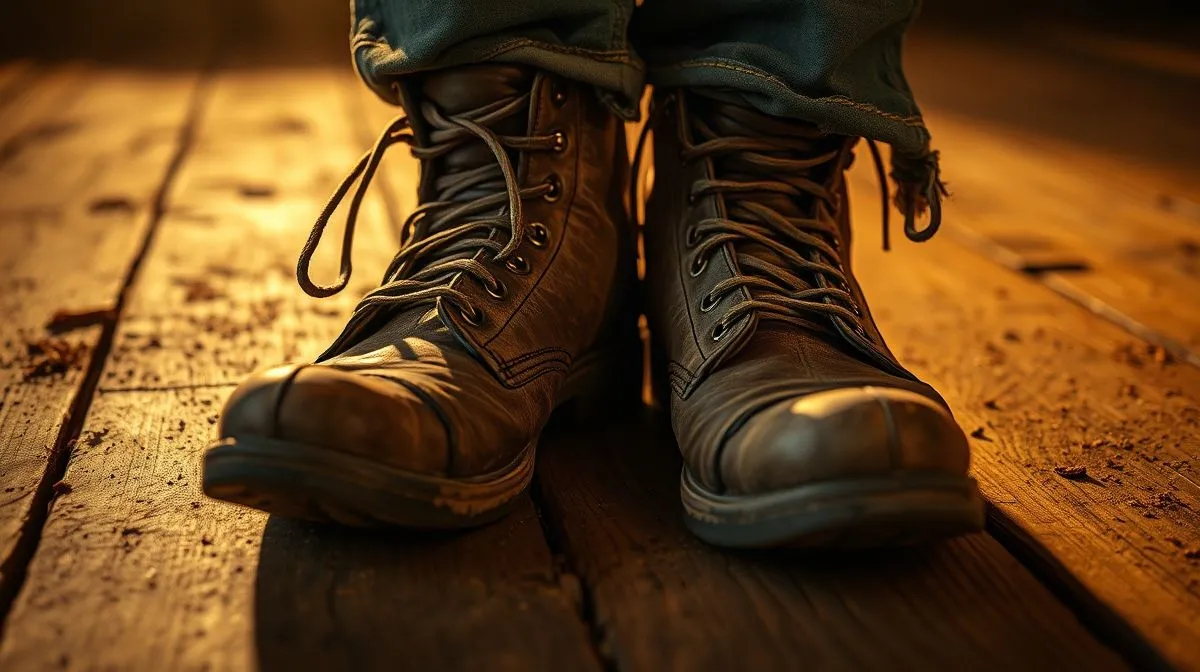
Mastering the Art of Aging Costumes for Theater Production
Have you ever wondered what truly transports an audience into another time or place on stage? Beyond the set design and the actors' performances, there's an often-overlooked hero: the costume. A brand-new garment, fresh from the tailor, can look jarringly out of place in a gritty historical drama or a post-apocalyptic narrative. It lacks the soul, the history, and the lived-in quality that makes a character believable.
The challenge for costume designers and technicians, then, is to bridge this gap. How do you take a pristine piece of clothing and imbue it with years, even decades, of life experience? How do you simulate the grime of a battlefield, the fading of a forgotten photograph, or the wear from countless working days, all while ensuring the costume remains durable for the demands of live performance?
This comprehensive guide will delve deep into the artistry and practicalities of costume aging, revealing the professional techniques and creative insights needed to transform new fabrics into authentic artifacts. By the end of this reading, you will possess the knowledge to effectively age a costume for theater production, elevating your designs from mere clothing to integral elements of storytelling.
Why Costume Aging is Crucial for Authenticity and Storytelling
Costume aging, often referred to as 'distressing' or 'breakdown,' is far more than just making something look old. It's a nuanced art form that contributes significantly to the overall theatrical experience. Its importance spans several critical areas:
Elevating Visual Realism
In theater, realism is often about creating a believable world, even if it's fantastical. A costume that looks genuinely worn, faded, or damaged instantly grounds a character in their environment and circumstances. Imagine a peasant from the Middle Ages in pristine, factory-fresh attire – it shatters the illusion. Authentic aging makes the visual world of the play more cohesive and immersive.
Enhancing Character Development
A costume isn't just what a character wears; it's a visual biography. The state of their clothing can tell us about their socio-economic status, their occupation, their habits, and even their emotional state. A meticulously aged uniform might speak of a soldier's long, arduous campaign, while a subtly worn dress could hint at a life of quiet domesticity. This visual shorthand enriches the audience's understanding of who the character is before they even speak a line.
Contributing to Narrative Depth
Beyond individual characters, aged costumes contribute to the broader narrative. They can signify the passage of time, the harshness of a journey, or the decay of a society. In a post-apocalyptic play, the ragged, patched clothing of survivors immediately conveys the struggle for existence. In a historical piece, the patina of age on noble attire can suggest inherited wealth or forgotten grandeur. It adds layers of unspoken context to the story being told.
Understanding the Principles of Natural Wear and Tear
To effectively age a costume, one must first understand how real garments naturally deteriorate. It's not random; wear and tear follow predictable patterns based on human interaction and environmental factors. Mimicking these patterns is key to achieving believable results.
Where Does Wear Occur?
- Stress Points: Areas like elbows, knees, shoulders, and the seat of trousers experience friction and stretching.
- Edges and Seams: Cuffs, collars, hemlines, and pocket edges are often the first to fray or thin.
- Folding Points: Creases in fabric, especially in trousers or sleeves, can develop lighter lines or break down over time.
- Points of Contact: Areas where a character might lean, sit, or carry items (e.g., shoulders for a backpack, hips for tools).
Types of Damage
- Abrasion: Thinning or wearing away of fabric due to friction (e.g., elbows on a desk, knees crawling).
- Fading: Loss of color due to sunlight exposure, repeated washing, or chemical reactions.
- Dirt and Grime: Accumulation of soil, dust, mud, or grease, often concentrated on lower hems, cuffs, and areas frequently touched.
- Tears and Rips: Accidental damage from snagging, sharp objects, or extreme stress.
- Stains: Discoloration from spills, sweat, blood, oil, or rust.
Considering the Character's Life
Before any aging begins, consider the character's background:
- Occupation: A farmer's clothes will show different wear than a scholar's or a soldier's.
- Social Status: Wealthier characters might have subtle wear, while poorer ones might have extensive repairs and patches.
- Environment: A character living in a dusty desert will have different grime than one from a damp, mossy forest.
- Time Period: The materials and construction methods of different eras will affect how they age.
Essential Tools and Materials for Costume Aging
A well-equipped costume aging station is crucial for efficient and safe work. Many items can be found around the house or at art supply stores.
Abrasives
- Sandpaper: Various grits (fine to coarse) for thinning fabric and creating wear.
- Wire Brushes: Excellent for fraying edges and creating texture on denim or canvas.
- Pumice Stones: Gentle abrasion for a softer, worn look.
- Cheese Graters/Files: For more aggressive damage or creating specific textures.
Dyes and Paints
- Fabric Dyes: For overall fading or tinting.
- Acrylic Paints (thinned): For washes, stains, and subtle discoloration.
- Textile Paints: More permanent for specific effects.
- Spray Paints (fabric safe): For quick applications of dirt or shadow.
- Tea & Coffee: Natural, non-toxic options for subtle yellowing or brown stains.
Dirt and Grime
- Fuller's Earth (oratrical dirt): A fine clay powder that simulates dust and dry dirt. Safe for actors and easy to apply.
- Charcoal Powder: For soot and ash effects.
- Water-Based Dirt Sprays: Commercial products designed for stage use.
- Cocoa Powder/Cinnamon: Food-safe alternatives for brown dirt, but be mindful of allergies and stickiness.
Tools for Damage
- Razors/Box Cutters: For controlled slits and tears.
- Scissors: For cutting and shaping frayed edges.
- Seam Rippers: For carefully opening seams or creating small holes.
Safety Gear
- Gloves: Protect hands from dyes, paints, and dirt.
- Dust Masks/Respirators: Essential when working with powders like Fuller's Earth or spray paints.
- Safety Goggles: Protect eyes from airborne particles.
Step-by-Step Techniques for Effective Costume Aging
The process of aging a costume is often a layered one, building up effects gradually to achieve a natural look. Always work from subtle to more pronounced effects.
Pre-Aging Preparation
Before you begin, always test your chosen aging methods on a scrap piece of the exact fabric. Different fibers react differently to dyes, abrasions, and chemicals. Pre-wash the costume if it's new, as sizing can prevent proper absorption of dyes and paints.
Fading and Discoloration
Fading is a key element of aging. For overall fading, a diluted bleach bath (use with extreme caution and ventilation) or prolonged sun exposure can work. For subtle yellowing, especially on white fabrics, a weak tea or coffee bath can be effective. Uneven fading can be achieved by spraying water onto fabric before dyeing or by using a spray bottle with diluted bleach on specific areas.
Adding Grime and Dirt
This is where the costume truly begins to tell its story. Apply dry powders like Fuller's Earth with a large brush or by dusting and rubbing into the fabric, focusing on hems, cuffs, and areas that would naturally accumulate dirt. For wet dirt, mix Fuller's Earth or brown paint with water and apply with a sponge or brush, allowing it to dry unevenly for a realistic look. Layering different shades of brown and gray adds depth.
Creating Tears, Rips, and Fraying
Controlled damage is crucial. Use razors or scissors to create small cuts, then use sandpaper or a wire brush to fray the edges naturally. Think about how a tear would occur: a snag on a nail, a fall, or repeated stress. Avoid perfectly straight cuts. For fraying seams, carefully use a seam ripper to loosen threads, then brush them out.
Simulating Wear and Abrasion
Use sandpaper or a wire brush on areas like elbows, knees, shoulders, and pockets to thin the fabric and create a 'worn' appearance. For denim, a cheese grater can quickly create distressed patches. Remember to work incrementally, checking your progress frequently to avoid over-distressing.
Stains and Patina
Stains add character. For sweat stains, apply diluted brown or yellow paint to armpits, collars, and backs. For blood, use theatrical blood products (often washable). For oil or grease, a dark, slightly glossy paint can be dabbed on. Rust stains can be simulated with reddish-brown paint or even actual rust powder (use with extreme caution). Always consider the source and location of the stain for authenticity.
The Art of Layering and Subtlety
The most convincing aging isn't achieved with one technique but by layering multiple subtle effects. A faded garment with a hint of grime, a few frayed edges, and a minor stain looks far more realistic than one with just a single, exaggerated effect. Step back frequently to assess the overall look.
Advanced Aging Techniques and Special Effects
Beyond the basics, there are numerous specialized techniques to achieve specific effects or work with challenging materials.
Distressing Leather and Denim
Leather can be aged by rubbing it with sandpaper, wire brushes, or even rocks to create scuffs and scrapes. For a softer, more worn look, repeatedly crumpling and stretching the leather can break down its fibers. Denim responds well to extensive abrasion, bleaching, and even strategically placed cuts. Remember that denim tends to fray considerably once cut.
Simulating Blood and Gore
Theatrical blood is a staple for a reason – it's designed to look realistic and, crucially, to be washable from most fabrics. Always test on a swatch first. For dried blood, use a darker, more viscous theatrical blood or a mix of dark red and brown paints. Consider the narrative: is it fresh, drying, or old blood?
Creating Moss or Mildew Effects
For costumes exposed to damp environments, subtle green or grayish-green paints can be stippled onto fabric to mimic moss or mildew. Using a sponge or a dry brush technique helps create an organic, patchy look. Consider adding a light dusting of Fuller's Earth or charcoal over the top for a more integrated effect.
Integrating Repairs and Patches
For characters who would mend their own clothes, adding visible patches or crude mends can greatly enhance authenticity. These patches should also be aged to match the garment, perhaps even more heavily if they are older repairs. Using contrasting thread or rough stitching can emphasize the 'repaired' look.
Safety and Preservation: Best Practices for Aging Costumes
While artistic effect is paramount, safety for the technician and the actor, as well as the longevity of the costume, must always be considered.
Material Compatibility and Testing
Always, always test your methods on a discreet area or a fabric scrap before applying to the main costume. Different fibers react uniquely to chemicals, heat, and abrasion. For instance, synthetic fibers may melt under heat or resist dyes that work on natural fibers. Understanding textile properties is fundamental.
Ventilation and Personal Protective Equipment (PPE)
Work in a well-ventilated area, especially when using sprays, dyes, or powders. Wear gloves to protect your hands from chemicals and stains. A dust mask or respirator is essential when working with airborne particles like Fuller's Earth or when sanding fabrics, protecting your respiratory system from fine fibers and dust. Safety goggles are also recommended to protect your eyes.
Reversibility and Longevity Considerations
For rental costumes or those that may be reused in future productions, consider the reversibility of your aging techniques. Some methods, like permanent dyes or severe tears, are irreversible. Opt for washable dirt sprays or temporary paints if the costume needs to be restored to its original state. For long-term use, ensure that aging doesn't compromise the costume's structural integrity, especially if it will endure multiple performances.
Proper Storage After Aging
Once aged, costumes should be stored carefully to maintain their distressed look. Avoid folding them in ways that would crease or damage the intentional wear. Hanging them or storing them flat, away from excessive light or moisture, will help preserve the aging effects throughout the production run.
Common Pitfalls to Avoid When Aging Costumes
Even experienced costume professionals can make mistakes. Being aware of common pitfalls can save time and prevent costly errors when you aim to effectively age a costume for theater production.
Overdoing It: The "Too Much" Syndrome
One of the most common errors is applying too much aging too quickly. A costume that is uniformly dirty, ripped in too many places, or excessively faded can look fake and distract from the performance. Subtlety and layering are key. It's easier to add more aging than to remove it.
Lack of Research: Inaccurate Aging
Aging should be historically and contextually accurate. A soldier from the Napoleonic era would likely have different wear patterns than a prospector from the American Gold Rush. Research the specific period, character, and environment to ensure your aging methods are appropriate and believable.
Ignoring Fabric Type: Inconsistent Results
Not all fabrics age the same way. Synthetics often resist dyes and don't fray as naturally as natural fibers. Attempting the same technique on different fabric types can lead to inconsistent or unnatural results. Always test and adapt your methods to the specific material. Historical costume examples can provide insight into material aging.
Neglecting Safety Protocols
Working with dyes, chemicals, and sharp tools carries risks. Failing to use proper ventilation or protective gear can lead to health issues. Prioritize safety for yourself and anyone else working in the area.
Forgetting Maintenance and Touch-ups
Aged costumes will continue to experience wear and tear during performances. They may need touch-ups for dirt, re-fraying of edges, or minor repairs throughout the run. Plan for ongoing maintenance to keep the aging consistent and effective.
Frequently Asked Questions (FAQ)
Is it possible to reverse aging techniques? Some aging techniques, like the application of water-based dirt or light fading with tea, can be partially or fully reversed with washing. However, permanent dyes, extensive tears, or severe abrasion are generally irreversible. Always consider the costume's future use.
How do I age white fabric without making it look simply dirty? To age white fabric without it looking merely soiled, focus on subtle yellowing or browning with weak tea or coffee baths. You can also target specific areas with very diluted dirt washes, focusing on natural wear points, or use a very light, even application of Fuller's Earth for a dusty look.
What's the best way to age a costume quickly for a last-minute change? For quick aging, focus on dry techniques. Use spray bottles with diluted paint or dirt solutions, and apply Fuller's Earth or charcoal powder with brushes. For quick wear, use sandpaper on key areas. These methods dry faster and offer immediate visual impact.
Can I age synthetic fabrics effectively? Aging synthetic fabrics can be challenging as they often resist traditional dyes and don't fray or abrade in the same way as natural fibers. You might need to rely more on fabric paints, surface treatments, or mechanical abrasion to create texture, rather than relying on absorption or natural fiber breakdown.
How do I ensure the aging doesn't transfer to actors or other costumes? To prevent transfer, ensure all aging agents are fully dry and set. Use theatrical-grade dirt products designed to be non-transferable. For powders like Fuller's Earth, spray with a light fixative (like hairspray or a fabric sealant) once applied, or shake off excess thoroughly.
Recommended Reading
- Unlock the Secrets: How to Authenticate Exclusive Luxury Fashion Pieces
- Unveiling the Science: How Performance Fabrics Master Body Temperature Control
- The Ultimate Guide: How to Properly Break In New Men's Running Shoes
- Unlocking the Past: Researching 18th Century Dress Patterns
- Mastering Character Costume Design: How to Conceptualize Effectively
Conclusion
The art of costume aging is a powerful tool in the theatrical designer's arsenal, transforming simple garments into profound storytelling elements. By understanding the principles of natural wear, mastering a range of techniques, and prioritizing safety and authenticity, you can create costumes that resonate with history, character, and narrative depth. Remember, the goal is not just to make something look old, but to make it look lived-in, bearing the marks of a journey, a struggle, or a lifetime. The ability to effectively age a costume for theater production is a skill that will undoubtedly elevate your work and captivate your audience, inviting them deeper into the world you've so meticulously crafted. Experiment, learn from every piece, and let your costumes tell their silent, compelling stories.

Your email address will not be published. Required fields are marked *