

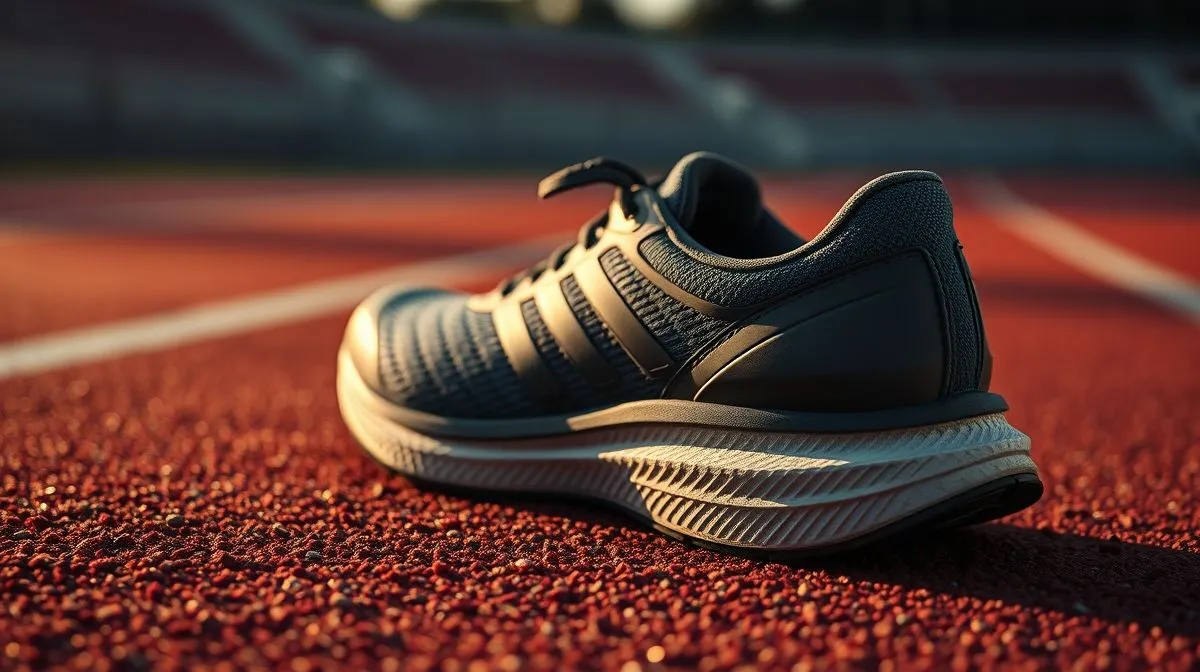
How to Properly Break In New Men's Running Shoes: Your Ultimate Guide
Remember that exhilarating feeling of unboxing a brand-new pair of running shoes? The crisp laces, the pristine soles, the promise of faster times and more comfortable miles. But then, reality often sets in. That initial run feels a bit off, maybe a hot spot develops, or a nagging ache starts to creep in. Many runners, eager to hit the ground running, make the critical mistake of skipping the crucial break-in period, leading to discomfort, blisters, and even potential injury.
The problem isn't the shoes themselves, but often the expectation that they'll perform perfectly straight out of the box. New running shoes, especially those designed for high performance, are often stiff and need time to mold to your unique foot shape and gait. Ignoring this vital phase can lead to significant setbacks, transforming what should be a joyous upgrade into a painful ordeal.
This comprehensive guide will equip you with the definitive knowledge on how to properly break in new men's running shoes. You'll learn the science behind shoe adaptation, discover a practical step-by-step break-in schedule, uncover essential tips for maximizing comfort, and identify common pitfalls to avoid. By the end of this reading, you'll be able to seamlessly integrate your new footwear into your training, ensuring every run is as comfortable and efficient as possible.
Why Breaking In Is Non-Negotiable for Runners
For many, breaking in new running shoes seems like an old-fashioned concept, perhaps only relevant to leather dress shoes. However, for high-performance athletic footwear, it's a critical process that directly impacts your comfort, performance, and injury prevention. The materials in modern running shoes, while advanced, still require time to adapt to the dynamic forces of running.
Understanding Shoe Construction and Your Foot
Modern running shoes are complex feats of engineering. They feature multi-density foams in the midsole, durable rubber outsoles, and intricate upper materials. When these shoes are fresh from the factory, their components are in their most rigid state. The midsole foam, for instance, needs to compress and rebound a few thousand times to reach its optimal cushioning and responsiveness. Similarly, the upper materials, whether mesh, knit, or synthetic overlays, need to stretch and conform to the unique contours of your foot.
Your foot, on the other hand, is a marvel of biomechanics, comprising 26 bones, 33 joints, and over 100 muscles, tendons, and ligaments. Each foot is unique, with subtle differences in arch height, width, and pronation patterns. A new shoe, designed to fit a generalized foot shape, needs time to adapt to your specific anatomy. This adaptation process involves the shoe's materials softening and molding around your foot, creating a custom fit that supports your natural movement patterns.
Preventing Injury and Maximizing Comfort
Running in un-broken-in shoes can lead to a host of problems. The most common issues include:
- Blisters and Hot Spots: Caused by excessive friction between your foot and the stiff, unyielding material of the shoe.
- Chafing and Rubbing: Particularly around the ankle collar, heel, or forefoot, leading to skin irritation.
- Arch Pain or Plantar Fasciitis: If the arch support or midsole isn't properly conformed to your foot, it can put undue stress on the plantar fascia.
- Shin Splints or Knee Pain: A stiff sole or an unsupportive upper can alter your gait mechanics, leading to increased impact and stress on your lower leg joints.
- General Discomfort: Simply put, an uncomfortable shoe detracts from the joy of running and can make you dread your next workout.
By investing time in breaking in your shoes, you allow them to become an extension of your foot, minimizing friction, distributing pressure evenly, and providing optimal support where you need it most. This not only enhances comfort but also significantly reduces your risk of common running-related injuries, ensuring you can continue to enjoy your runs pain-free.
The Gradual Approach: A Step-by-Step Break-In Schedule
The key to a successful break-in is gradual progression. Think of it like training for a marathon – you wouldn't jump into 26.2 miles on day one. Your shoes need a similar, phased introduction to the rigors of running. This systematic method for how to properly break in new men's running shoes will help you achieve the perfect fit.
Phase 1: Indoor Wear and Short Walks (Days 1-3)
Before you even think about running, dedicate the first few days to simply wearing your new shoes around the house. This low-impact activity allows the shoe's upper and midsole to begin softening and conforming to your foot's shape without the added stress of running. Wear the socks you typically run in to ensure the fit is accurate.
- Around the House: Wear them for a few hours each day while doing everyday activities. This helps the materials loosen up gently.
- Short Walks: Introduce short walks of 1-2 miles on flat, predictable surfaces like sidewalks or paved paths. Pay close attention to any areas of discomfort, pressure points, or rubbing. If you notice any, address them immediately by adjusting lacing or considering different socks.
During this phase, the goal is to identify any potential issues early on, before they escalate into blisters or pain. It's a low-stakes environment to test the initial fit and feel.
Phase 2: Gentle Runs and Increased Distance (Days 4-7)
Once your shoes feel comfortable during walks, it's time to introduce them to actual running, but with caution. The key here is to keep runs short, easy, and to alternate with your old, broken-in shoes.
- Alternating Runs: For your first few runs in the new shoes, limit them to 1-3 miles at an easy, conversational pace. On subsequent days, revert to your old shoes. This gives your feet and the new shoes a break.
- Focus on Feel, Not Pace: Resist the urge to push the pace or mileage. The primary objective is to assess how the shoes feel during actual running motion. Are there any hot spots developing? Does the cushioning feel responsive?
- Vary Surfaces (Slightly): If possible, try them on a track or a smooth, flat trail. Avoid technical trails or uneven terrain initially, as these demand more from your shoes and feet.
This phase is about gradually increasing the stress on the shoes and your feet, allowing them to adapt together. Most shoes will start to feel significantly more comfortable by the end of this week.
Phase 3: Longer Runs and Integration (Week 2 onwards)
By the second week, your new running shoes should feel significantly more comfortable and integrated with your feet. You can now begin to incorporate them more fully into your regular training schedule.
- Gradual Mileage Increase: Slowly increase the mileage of your runs in the new shoes. Follow the 10% rule – don't increase your weekly mileage by more than 10% to avoid injury, and apply this rule to the new shoes' mileage as well.
- Incorporate into Training: Start using them for longer runs, tempo runs, or even some speed work if they feel ready. Continue to listen to your body and don't hesitate to switch back to old shoes if any discomfort arises.
- Listen to Your Body: Even in this phase, your feet are the ultimate indicators. If a particular run feels off or you experience unusual aches, scale back and give your feet more time to adjust.
This final phase is where your new shoes truly become your trusted running partners, fully molded and ready for anything you throw at them.
Essential Tips for a Smooth Break-In Period
Beyond the mileage schedule, several other factors can significantly influence the success of your shoe break-in. Paying attention to these details can prevent common issues and ensure a more comfortable transition.
The Right Socks Make a Difference
The socks you wear are as important as the shoes themselves. Opt for moisture-wicking, synthetic blend running socks with appropriate padding. Cotton socks retain moisture, increasing friction and the likelihood of blisters. Good running socks create a smooth interface between your foot and the shoe, reducing hot spots and enhancing overall comfort.
Lacing Techniques for Optimal Fit
Don't underestimate the power of proper lacing. Different lacing techniques can alleviate pressure points or enhance lockdown. For instance, if you experience pressure on the top of your foot, try skip lacing (skipping one eyelet). If your heel slips, a runner's knot (heel lock lacing) can provide a more secure fit. Experiment with different lacing patterns until you find one that feels most comfortable and secure without being too tight. A good fit is crucial for how to properly break in new men's running shoes.
Listen to Your Feet: The Ultimate Indicator
Your feet will tell you everything you need to know. Pay close attention to any unusual sensations – a persistent hot spot, a dull ache, or any feeling of pinching or rubbing. These are red flags. Don't try to push through pain, as it often leads to injury. Instead, stop, examine your foot and the shoe, and try to identify the source of the discomfort. Sometimes, a simple adjustment of socks or lacing is all that's needed. Other times, it might indicate that the shoe isn't the right fit for your foot, even after a break-in period.
Patience is Key: Don't Rush the Process
The most common mistake runners make is rushing the break-in process. While it's exciting to try out new gear, forcing your feet and shoes to adapt too quickly can negate all the benefits and lead to injury. Remember that every runner and every shoe is different. Some shoes might feel great in just a few runs, while others might take a couple of weeks of consistent wear. Embrace the process, be patient, and prioritize comfort over speed or mileage during this crucial transition period.
Common Mistakes to Avoid When Breaking In Running Shoes
While the steps for proper break-in are straightforward, it's equally important to be aware of the common missteps that can derail your efforts. Avoiding these pitfalls will save you pain and frustration.
Jumping Straight into a Long Run
This is arguably the biggest mistake. Taking new shoes directly from the box to a long run, a race, or a high-intensity workout is a recipe for disaster. The stiff materials, un-molded cushioning, and unfamiliar fit will invariably lead to blisters, chafing, and potential muscle imbalances as your body tries to compensate. Always respect the gradual progression.
Ignoring Early Discomfort
A slight rub or a minor pressure point might seem insignificant at the start of a run, but it can quickly escalate into a painful blister or a nagging injury. Many runners adopt a 'tough it out' mentality, hoping the discomfort will disappear. However, early discomfort is your body's signal that something isn't right. Address it immediately by stopping, adjusting, or even cutting your run short. Small issues left unaddressed can become major problems.
Not Using the Right Socks
As mentioned, cotton socks are the enemy of comfortable running, especially with new shoes. Their moisture-retaining properties increase friction and create a damp environment, perfect for blister formation. Always invest in high-quality, synthetic running socks designed to wick away moisture and reduce friction. This simple change can make a monumental difference in your break-in experience.
Thinking All Shoes Break In the Same Way
While the general principles apply, not all running shoes are created equal. Minimalist shoes, with less cushioning and structure, might require less break-in time for the shoe itself, but more time for your feet to adapt to the different ground feel. Highly cushioned shoes, or those with complex stability features, might take longer for the foam and support structures to fully conform. Be flexible with your break-in schedule, recognizing that different models and brands will have their own unique adaptation periods.
Beyond Break-In: Maintaining Your Running Shoes
Successfully breaking in your new running shoes is just the first step in a long and happy relationship with your footwear. Proper care and maintenance will ensure they continue to perform optimally and last as long as possible.
Proper Cleaning and Storage
After each run, especially if they're muddy or wet, lightly brush off any loose dirt. If they're particularly soiled, use a soft brush and mild soap with cold water to clean them. Avoid machine washing or drying, as this can damage the materials and adhesives. Air dry them naturally, away from direct heat. When not in use, store your shoes in a cool, dry place, ideally allowing them to air out between runs. Removing the insoles can help with drying and odor prevention.
Knowing When to Replace Your Shoes
Even the most meticulously broken-in and cared-for running shoes have a finite lifespan. As a general rule, running shoes last between 300 to 500 miles, or roughly 4-6 months for regular runners. However, this is just a guideline. Pay attention to the signs of wear:
- Loss of Cushioning: The midsole feels flattened or less responsive.
- Visible Wear: Significant wear patterns on the outsole, especially in high-impact areas.
- New Aches and Pains: If you start experiencing niggling pains in your feet, knees, or hips that weren't there before, it's often a sign that your shoes have lost their supportive properties.
- Creases in Midsole: Deep creases in the midsole foam, especially on the inner side, indicate structural breakdown.
Replacing your shoes before they're completely “dead” is crucial for injury prevention and continued comfort. It's often better to replace them slightly early than to push them too far.
The Science Behind Shoe Break-In and Foot Adaptation
Understanding the biomechanical and material science aspects of shoe break-in provides valuable insight into why this process is so important. It's not just about comfort; it's about optimizing the interplay between your body and your equipment.
How Materials Respond to Stress
The primary materials involved in a running shoe's break-in are the midsole foam and the upper fabric. Midsole foams, typically EVA or newer TPU-based compounds, are designed to compress and rebound. When new, these foams are often at their stiffest. With repeated impact and weight-bearing, the cellular structure of the foam begins to “break down” in a controlled manner, reaching its optimal level of cushioning and energy return. This is why a brand-new shoe might feel firm, but after a few runs, it feels softer and more responsive. The upper materials, made from engineered mesh, knit, or synthetics, are designed to be flexible but structured. They stretch and conform to the unique shape of your forefoot, arch, and heel, providing a more custom, glove-like fit. This process reduces friction points and allows for more natural foot splay during the gait cycle. According to a study published in the Journal of Foot and Ankle Research, the mechanical properties of shoe materials significantly influence foot loading and comfort during running, highlighting the importance of material adaptation.
Biomechanical Adaptation of Your Feet
While the shoes are adapting to your feet, your feet are also subtly adapting to the shoes. This is a two-way street. Your foot's muscles, tendons, and ligaments adjust to the new support structures, cushioning, and last shape. This gradual adaptation allows your foot to find its most efficient and comfortable position within the shoe. For instance, if your new shoes have a slightly different arch support profile than your old ones, your foot's arch will gradually adjust to this new support. Rushing this can strain the plantar fascia or other foot structures. Furthermore, your running gait, which is your unique way of moving, also subtly adjusts to the new shoe's properties, like its flexibility, stack height, and drop. This co-adaptation ensures that your body and your footwear work in harmony, reducing the risk of biomechanical stress and related injuries.
Frequently Asked Questions (FAQ)
How long does it take to break in new running shoes? Typically, it takes about 50-100 miles of wear to fully break in new running shoes. However, this can vary based on the shoe model, materials, and your individual foot mechanics. Some shoes might feel comfortable sooner, while others require more time.
Can I speed up the break-in process? While you can't significantly 'speed up' the process without risking discomfort or injury, consistently following a gradual break-in schedule (like the one outlined above) is the most efficient way. Avoid unconventional methods like soaking them in water or putting them in a dryer, as these can damage the shoe's integrity.
What if my new shoes still hurt after breaking them in? If your shoes still cause pain or significant discomfort after 50-100 miles, they are likely not the right fit for your feet or gait. It's crucial to consult with a running shoe specialist or a physical therapist. Sometimes, a different lacing technique, insoles, or even a different shoe model may be necessary.
Should I wear my new running shoes for everyday activities? Wearing your new running shoes for short periods during everyday activities (like walking around the house or running errands) is a great way to start the break-in process. However, avoid wearing them all day, every day, especially if you're not running, as this can prematurely wear out the cushioning and support.
Does the type of running shoe affect break-in time? Yes, generally. Highly cushioned shoes or those with very structured support features might take a bit longer to break in compared to minimalist or more flexible shoes. Shoes with stiffer midsoles or uppers made of less pliable materials also tend to require a longer break-in period.
Recommended Reading
- Ultimate Guide: Best Men's Wallet Styles For Minimalist Carry
- Unleash Your True Self: How to Develop a Unique Personal Street Style
- Dazzle on Your Day: Choosing the Best Jewelry for Strapless Dresses
- Find Your Perfect Fit: Best Luxury Eyewear Brands for Oval Faces
- Best Comfort Shoes for Plantar Fasciitis Relief: Your Ultimate Guide
Conclusion
Investing in a new pair of running shoes is an investment in your running journey. By understanding how to properly break in new men's running shoes, you're not just ensuring comfort; you're actively preventing injuries, maximizing performance, and extending the lifespan of your valuable gear. Remember, patience and a gradual approach are your best allies. Listen to your body, pay attention to the subtle cues your feet provide, and never rush the process. With these expert strategies, your new running shoes will soon feel like a natural extension of your feet, ready to carry you through countless comfortable and exhilarating miles ahead. Happy running!


Your email address will not be published. Required fields are marked *