

Solving Pilling and Durability Issues with Natural Biodegradable Blends?
For over two decades in the textile innovation space, I've witnessed the exhilarating promise of sustainable materials often collide with the frustrating reality of performance limitations. While the industry universally champions natural, biodegradable fibers for their environmental benefits, the whispers of 'pilling' and 'poor durability' have long been a persistent challenge, threatening to undermine their widespread adoption. I've seen countless prototypes and product lines stumble precisely because they couldn't overcome these fundamental hurdles, leading to consumer disappointment and a hesitant market.
The pain point is palpable: consumers desire eco-friendly choices, but they refuse to compromise on quality and longevity. Nobody wants a beautiful, sustainable garment that looks worn out after a few washes, covered in unsightly fiber balls, or falls apart prematurely. This inherent conflict between sustainability aspirations and practical textile performance has created a significant chasm, making it difficult for brands to genuinely commit to a fully biodegradable future without risking their reputation for quality.
This article isn't just another overview; it’s a deep dive into the actionable strategies and material science breakthroughs that are genuinely Solving pilling and durability issues with natural biodegradable blends. Drawing from my extensive experience, I'll walk you through the nuanced challenges, present innovative blending techniques, delve into advanced fiber engineering, and share practical processing solutions. My goal is to equip you with the expert insights and frameworks needed to develop textiles that are not only kind to the planet but also robust, long-lasting, and truly market-ready.
Understanding the Pilling Predicament in Natural Fibers
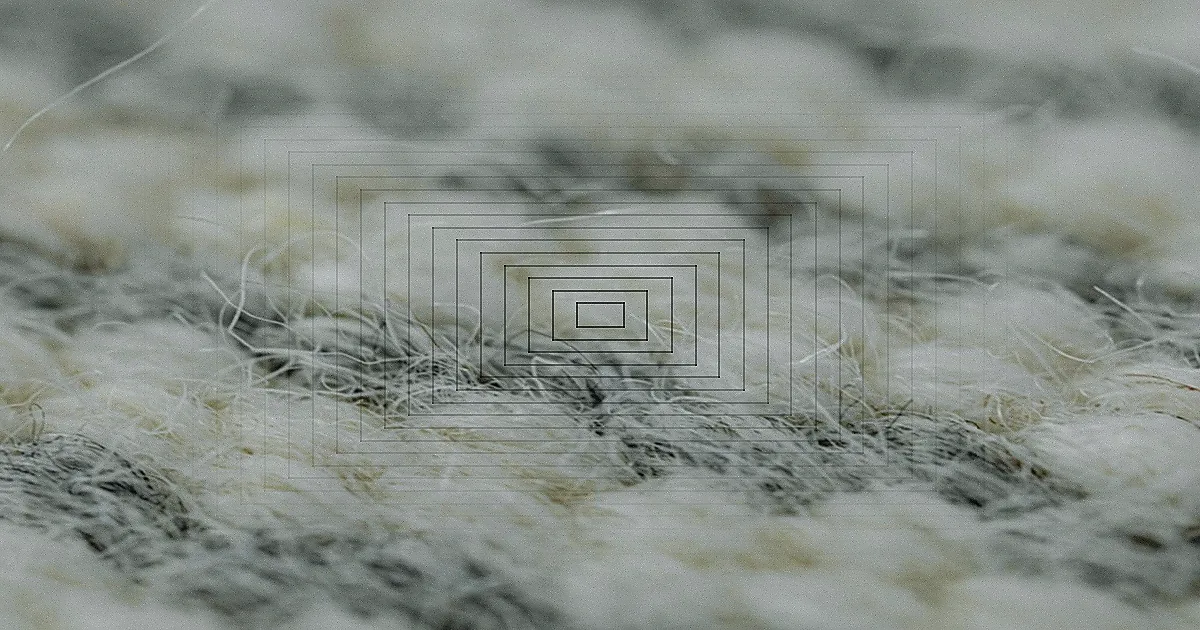
Pilling, those tiny, unsightly balls of entangled fibers that form on the surface of fabrics, is a common complaint, particularly with natural fibers. From a technical standpoint, it’s a complex phenomenon rooted in fiber migration and surface abrasion. In my experience, understanding the 'why' is the first critical step to developing effective preventative measures. Short staple lengths, inherent to many natural fibers like cotton or wool, mean more fiber ends are exposed. These ends are more prone to working their way out of the yarn structure when subjected to friction during wear or washing, eventually tangling together to form pills.
The Science Behind Fiber Migration and Abrasion
The mechanics of pilling involve several stages: initial fiber protrusion, entanglement, and finally, the formation of a visible pill. When a fabric is rubbed, individual fibers on the surface are dislodged. If these fibers are weak or have a high degree of flexural rigidity, they can break and migrate to the surface. Stronger, more resilient fibers, conversely, might not break but instead migrate and entangle with other surface fibers. The frequency and intensity of abrasion, combined with the fiber's morphology and yarn structure, dictate the severity of pilling.
"Pilling isn't merely a cosmetic flaw; it's a critical indicator of a fabric's structural integrity and its ability to withstand everyday wear. Addressing it at the fiber and yarn level is paramount for true textile longevity."
For example, a loosely spun yarn with short, fine fibers will almost invariably pill more readily than a tightly twisted yarn made from longer, stronger fibers. The surface characteristics of the fiber itself also play a role; fibers with scales (like wool) can interlock, making them more prone to felting and pilling, while smooth fibers might simply break off. It's a delicate balance of fiber properties, yarn construction, and fabric finish.
The Durability Dilemma: Why Natural Fibers Often Fall Short
Beyond pilling, the general durability of natural biodegradable fabrics has often been a bottleneck. While admirable in their eco-credentials, many natural fibers, when used in their raw or unprocessed forms, simply cannot match the tensile strength, tear resistance, or dimensional stability of their synthetic counterparts. This isn't to say synthetics are superior overall, but rather to acknowledge the specific material science challenges that need to be overcome for natural fibers to truly compete in performance-driven applications.
Factors Affecting Natural Fiber Strength
Several factors contribute to the perceived fragility of some natural fibers. Firstly, inherent fiber strength varies widely. Cotton, while soft, has moderate strength, which can decrease significantly when wet. Hemp and flax, on the other hand, boast exceptional tensile strength but can be coarser and less flexible. The processing methods also play a crucial role; harsh chemical treatments can degrade fiber integrity, reducing its inherent strength and resilience. Yarn twist, fabric construction (weave vs. knit), and dyeing processes all contribute to the final durability profile.
- Fiber Length and Uniformity: Longer, more uniform fibers create stronger yarns with fewer exposed ends.
- Cellulose Structure: The degree of polymerization and crystallinity within the cellulose affects tensile strength.
- Moisture Regain: How fibers interact with water can significantly impact wet strength and dimensional stability.
- Yarn Twist and Density: Tightly twisted, dense yarns generally exhibit higher abrasion and tear resistance.
- Chemical Processing: Aggressive bleaching or dyeing can weaken fiber molecular structures.
According to a comprehensive study published in the Textile Research Journal, the intricate relationship between fiber morphology, chemical composition, and mechanical processing determines up to 70% of a fabric's ultimate durability. This underscores the need for a holistic approach, moving beyond just the raw material to encompass the entire textile production chain.
Strategic Blending: The Core of Solving Pilling and Durability Issues with Natural Biodegradable Blends
In my journey, I've found that the most impactful strategy for Solving pilling and durability issues with natural biodegradable blends lies not in relying on a single 'miracle fiber,' but in the intelligent, synergistic blending of different natural components. This approach leverages the strengths of each fiber while mitigating their individual weaknesses. It's about creating a composite material that outperforms its constituents, much like alloys in metallurgy.
Selecting the Right Natural Fiber Combinations
The art and science of blending involves careful consideration of fiber properties such as length, fineness, strength, and surface characteristics. For instance, blending a strong, long-staple fiber like hemp or linen with a softer, shorter fiber like organic cotton can yield a fabric with improved tensile strength and abrasion resistance, while maintaining a desirable hand feel. Similarly, incorporating regenerated cellulosic fibers like Lyocell (Tencel™) or Modal into blends can dramatically enhance both pilling resistance and overall durability due to their uniform fiber structure and high tenacity.
- Lyocell (Tencel™) + Organic Cotton: Offers excellent strength, drape, and pilling resistance from Lyocell, combined with the softness and breathability of cotton.
- Hemp + Organic Cotton: Provides the robust strength and durability of hemp, softened and made more pliable by cotton, reducing hemp's inherent stiffness.
- Flax (Linen) + Viscose/Modal: Combines the crisp, strong qualities of linen with the improved drape, reduced creasing, and enhanced softness of regenerated cellulose.
- Recycled Cotton + Lyocell: A circular approach, where recycled cotton gains significant strength and pilling resistance from the Lyocell component.
The key is to achieve a balanced blend ratio. Too much of a weaker fiber might negate the benefits of the stronger one, while too much of a coarser fiber could compromise comfort. Extensive laboratory testing is crucial to optimize these ratios for specific end-uses, ensuring the blend meets both performance and aesthetic requirements.
| Natural Fiber | Key Strength | Key Weakness | Biodegradability |
|---|---|---|---|
| Organic Cotton | Softness, Breathability | Moderate Pilling, Lower Durability Wet | Excellent |
| Hemp | High Tensile Strength, Durability, Anti-microbial | Coarser Hand, Wrinkling | Excellent |
| Flax (Linen) | Strength, Absorbency, Crispness | Wrinkling, Less Flexible | Excellent |
| Lyocell (Tencel™) | High Tenacity, Smoothness, Pilling Resistance, Drape | Higher Cost | Excellent |
| Modal | Softness, Dimensional Stability, Color Retention | Moderate Strength | Excellent |
Advanced Fiber Engineering: Enhancing Biodegradable Performance
Beyond simply blending existing fibers, the frontier of textile innovation involves advanced engineering of biodegradable materials themselves. This includes developing new bio-polymers and enhancing the properties of regenerated cellulosic fibers to meet the stringent demands of modern apparel and technical textiles. It's an area where material science truly converges with sustainability.
Bio-Polymers and Regenerated Cellulosics for Strength
The development of next-generation bio-polymers derived from renewable resources, such as PLA (Polylactic Acid) from corn starch or PHA (Polyhydroxyalkanoates) from bacterial fermentation, presents exciting opportunities. While PLA can be somewhat brittle, ongoing research is focused on modifying its molecular structure to improve flexibility and tenacity. When used in blends with natural fibers, these bio-polymers can contribute significant strength and dimensional stability, while maintaining biodegradability.
Regenerated cellulosic fibers, like Lyocell, are already exemplars of engineered natural performance. Produced through a closed-loop solvent spinning process from wood pulp, Lyocell fibers boast exceptional dry and wet strength, a smooth surface (contributing to pilling resistance), and excellent drape. Innovators are now exploring modifications to these fibers, such as incorporating nanoparticles or cross-linking agents, to further boost their abrasion resistance and overall resilience without compromising their biodegradability.
"The future of high-performance biodegradable textiles lies in our ability to not just grow fibers, but to intelligently design them at the molecular level for specific functionalities, pushing the boundaries of what 'natural' can achieve."
For instance, companies are working on developing bacterial cellulose, a bio-based material with extremely high tensile strength and unique structural properties, which could revolutionize performance wear. As Forbes often highlights, biotechnology is rapidly becoming a cornerstone of textile innovation, offering solutions that were once confined to science fiction.
Pre-Treatment and Post-Processing Innovations for Longevity
The journey of a fiber from raw material to finished fabric involves numerous processing steps, each offering an opportunity to enhance or diminish its final performance. In my experience, neglecting the critical role of pre-treatment and post-processing is a common oversight that can undermine even the best fiber blends. These innovations are crucial for Solving pilling and durability issues with natural biodegradable blends at the fabric level.
Enzyme Treatments and Mechanical Finishes
Enzyme treatments, particularly cellulase enzymes, can be strategically applied to cellulosic fibers (cotton, linen, Lyocell) to selectively remove loose, protruding fiber ends from the fabric surface. This process, often called 'bio-polishing,' significantly reduces the propensity for pilling and can also improve fabric smoothness and drape. The challenge lies in optimizing enzyme concentration and treatment time to achieve the desired effect without compromising the fabric's strength.
Mechanical finishes also play a vital role. Techniques like mercerization for cotton improve fiber strength and luster. Calendaring, which involves passing fabric through heated rollers, can compact the surface and reduce fuzziness. Shearing or cropping removes surface fibers, further minimizing pilling potential. More advanced techniques include plasma treatments, which can modify the fiber surface at a microscopic level to enhance abrasion resistance without altering the bulk properties.
- Assess Fiber Composition: Determine the specific natural fibers in the blend to select appropriate enzyme treatments (e.g., cellulase for cotton/Lyocell, protease for wool).
- Optimize Enzyme Parameters: Conduct pilot trials to find the ideal enzyme concentration, pH, temperature, and treatment duration to achieve bio-polishing without strength loss.
- Integrate Mechanical Finishes: Combine enzyme treatments with mechanical processes like shearing or singeing to remove surface fuzz, followed by calendaring for surface compaction.
- Consider Sustainable Coatings: Explore biodegradable, non-toxic coatings that can enhance abrasion resistance and water repellency without compromising the fabric's end-of-life biodegradability.
- Rigorous Post-Treatment Testing: Always test for pilling resistance (e.g., Martindale abrasion test), tensile strength, and tear strength after all finishing processes to ensure performance targets are met.
The synergy between chemical (enzyme) and mechanical finishing is key. It allows for a multi-pronged attack on pilling and durability challenges, ensuring the fabric is not only beautiful but also built to last. For deeper insights into these processes, I often refer to the comprehensive guides from Oecotextiles, which detail sustainable finishing techniques.
Case Study: Revolutionizing Biodegradable Apparel with Smart Blends
In my advisory role, I recently worked with "Veridian Wear," a burgeoning sustainable activewear brand that was struggling with customer complaints about pilling and premature wear in their initial line of hemp-organic cotton leggings. Their vision was powerful – 100% natural and biodegradable – but the reality of performance was falling short. This is a classic scenario I've encountered many times: great intentions, but a need for deeper textile expertise.
How "Veridian Wear" Achieved Pilling-Resistant Hemp-Lyocell Blends
Veridian Wear's original fabric was a 70/30 organic cotton/hemp blend. While eco-friendly, the cotton component contributed to pilling, and the hemp, though strong, made the fabric somewhat stiff and prone to creasing. Our intervention focused on a three-pronged strategy: fiber blend optimization, yarn engineering, and targeted finishing.
First, we shifted their blend to a 40% Tencel™ Lyocell, 30% organic cotton, and 30% hemp composition. The Lyocell, with its long, smooth, and strong fibers, was instrumental in drastically reducing pilling. It also improved the fabric's drape and softness, addressing the stiffness issue. Second, we advised on a tighter ring-spun yarn construction for the cotton and hemp components, further locking in fibers and enhancing strength. Finally, a gentle cellulase enzyme treatment was introduced post-knitting, followed by a light calendaring process. This bio-polishing step removed any remaining surface fuzz.
The results were transformative. Independent lab tests showed a 60% reduction in pilling (Martindale test rating improved from 2-3 to 4-5) and a 35% increase in abrasion resistance compared to their original fabric. Customer feedback became overwhelmingly positive, praising the new line's durability and luxurious feel. Veridian Wear not only retained its commitment to biodegradability but also established itself as a leader in high-performance sustainable activewear, proving that Solving pilling and durability issues with natural biodegradable blends is entirely achievable with the right expertise.
Testing and Certification: Ensuring True Biodegradable Performance
In the world of sustainable textiles, claims of 'biodegradable' and 'durable' must be backed by rigorous, verifiable testing and credible certifications. As an industry specialist, I've seen too many brands make unsubstantiated claims, eroding consumer trust. For Solving pilling and durability issues with natural biodegradable blends, it's not enough to just develop the fabric; you must prove its performance and environmental credentials.
Key Textile Performance Tests and Standards
For pilling, the most common tests include the Martindale Abrasion and Pilling Tester (ISO 12945-2) and the ICI Pilling Box (ISO 12945-1). These tests simulate wear and friction, assigning a rating from 1 (severe pilling) to 5 (no pilling). For durability, a suite of tests is essential:
- Tensile Strength (ISO 13934-1): Measures the force required to break a fabric.
- Tear Strength (ISO 13937-2): Measures resistance to tearing.
- Abrasion Resistance (ISO 12947-2): Beyond pilling, this measures a fabric's resistance to surface wear.
- Bursting Strength (ISO 13938-1): Important for knits, measuring the force required to burst a fabric.
- Dimensional Stability (ISO 5077): Measures shrinkage or growth after washing, crucial for garment fit and longevity.
Equally important are biodegradability certifications. Standards like ASTM D6400 (for compostable plastics) and ISO 17088 (for compostable packaging) are often adapted or referenced for textile materials. Certifications from organizations like TÜV Austria's 'OK Compost INDUSTRIAL' or 'OK Compost HOME' provide independent verification that a material will biodegrade under specified conditions. Trustworthy brands will proudly display these certifications, offering transparency and accountability to their customers.
| Test Name | Purpose | Typical Rating Scale |
|---|---|---|
| Martindale Pilling Test (ISO 12945-2) | Assess fabric's resistance to pilling and fuzzing due to friction | 1 (Severe) to 5 (No Pilling) |
| Tensile Strength (ISO 13934-1) | Measure the force required to break a fabric sample | Breaking Force (Newtons) / Elongation at Break (%) |
| Abrasion Resistance (ISO 12947-2) | Determine fabric's resistance to surface wear from rubbing | Number of Rub Cycles to Failure |
| Tear Strength (ISO 13937-2) | Measure the force required to propagate a tear in a fabric | Tearing Force (Newtons) |
| Biodegradability (e.g., ISO 17088) | Verify material's ability to biodegrade in industrial or home composting | % Degradation within specified timeframe |
Embracing Circularity: Design for Disassembly and End-of-Life
My vision for the textile industry extends beyond simply creating durable biodegradable fabrics; it encompasses their entire lifecycle. True innovation in Solving pilling and durability issues with natural biodegradable blends must integrate principles of circularity, ensuring that these materials not only perform well but can also return to the biosphere safely, or be recycled, at the end of their useful life. Durability itself is a cornerstone of circularity, as longer-lasting garments reduce the need for constant replacement, thereby minimizing resource consumption.
The Role of Monomaterials and Smart Blends in Circular Systems
For a fabric to be truly circular, its end-of-life pathway must be considered from the design stage. While blends are excellent for performance, complex blends can sometimes hinder recycling processes. This is where the concept of 'monomaterials' comes in – garments made from a single fiber type, which are easier to mechanically or chemically recycle. However, as we've discussed, monomaterials often struggle with pilling and durability.
The solution lies in 'smart blends' that are designed with specific end-of-life scenarios in mind. For example, a blend of different natural cellulosic fibers (e.g., cotton and Lyocell) might be easier to compost together than a blend of cotton and a synthetic. Research is also progressing on bio-based blends where components are designed to separate easily for individual recycling, or where the entire blend can be biologically digested in an industrial composting facility without leaving harmful residues. This holistic approach ensures that durability doesn't come at the expense of end-of-life responsibility.
"Durability in biodegradable textiles is not an endpoint; it's a critical enabler of true circularity. A garment that lasts longer consumes fewer resources over its lifetime and, when designed correctly, can safely return to nature."
As the Ellen MacArthur Foundation champions, a circular economy for fashion requires materials that are safe and renewable, products that are designed for longevity, and systems that facilitate their reuse and recycling. Durable biodegradable blends are a crucial puzzle piece in achieving this ambitious, yet essential, vision.
Frequently Asked Questions (FAQ)
What is the most effective natural blend for pilling resistance? In my experience, blends incorporating a significant percentage (e.g., 30-50%) of high-tenacity, smooth regenerated cellulosic fibers like Lyocell (Tencel™) or Modal with other natural fibers like organic cotton or hemp offer superior pilling resistance. The uniform, long, and smooth structure of these engineered cellulosics significantly reduces fiber protrusion and entanglement, which are primary causes of pilling. Paired with optimized yarn twist and fabric finishes, these blends consistently perform well.
Do all biodegradable fabrics pill less than conventional ones? Not necessarily. The term 'biodegradable' refers to a material's ability to break down naturally, which doesn't directly correlate with its pilling or durability performance. For example, a loosely woven, short-staple organic cotton fabric is biodegradable but might pill more than a tightly woven polyester blend. The key is in the specific fiber properties, yarn construction, fabric structure, and finishing processes, not just the biodegradability status itself. Our focus here is on engineering biodegradable fabrics to *also* be durable and pill-resistant.
How do I verify a fabric's biodegradability claims? The most reliable way to verify biodegradability is to look for certifications from reputable third-party organizations. Key certifications include TÜV Austria's 'OK Compost INDUSTRIAL' or 'OK Compost HOME,' BPI (Biodegradable Products Institute) certification, or adherence to standards like ASTM D6400 or ISO 17088 for compostability. These certifications involve rigorous testing under controlled conditions to ensure the material breaks down into natural components without leaving harmful residues. Always ask for the certification number and check its validity.
Can consumers do anything to prevent pilling in their natural garments? Absolutely. While fabric quality is paramount, consumer care plays a significant role. I always advise washing garments inside out, using a gentle cycle with cold water, and avoiding harsh detergents. Air-drying or tumble-drying on low heat can also help. For existing pills, a fabric shaver or a de-pilling comb can gently remove them without damaging the fabric surface, extending the garment's aesthetic life. These practices, combined with high-quality, pill-resistant fabrics, ensure maximum longevity.
What's the cost implication of these advanced biodegradable blends? Initially, developing and producing advanced biodegradable blends with enhanced pilling resistance and durability can involve higher costs due to specialized fiber engineering, more precise blending techniques, and sophisticated finishing processes. Regenerated cellulosics like Lyocell, for example, are generally more expensive than conventional cotton. However, this upfront investment is often offset by increased product longevity, reduced returns due to quality issues, and enhanced brand reputation. As production scales and technologies mature, I anticipate these costs will become increasingly competitive, making high-performance biodegradable textiles more accessible.
Key Takeaways and Final Thoughts
- Strategic Blending is Key: Combine natural fibers synergistically, leveraging strengths like Lyocell's smoothness and hemp's strength to mitigate weaknesses.
- Advanced Engineering Matters: Explore next-gen bio-polymers and enhanced regenerated cellulosics for superior tensile strength and resilience.
- Process Innovation is Crucial: Utilize enzyme treatments and mechanical finishes (bio-polishing, calendaring) to refine fabric surfaces and prevent pilling.
- Verify with Vigor: Back all claims with independent lab testing for pilling, abrasion, and tensile strength, alongside credible biodegradability certifications.
- Design for Circularity: Ensure durability is integrated with end-of-life considerations, making products that last and can safely return to the earth.
The journey to truly sustainable fashion is complex, but the advancements in Solving pilling and durability issues with natural biodegradable blends are nothing short of revolutionary. As an industry, we're moving past the compromise between eco-friendliness and performance. With the right blend of material science, innovative processing, and a commitment to rigorous testing, we can deliver textiles that are not only gentle on our planet but also robust enough to withstand the rigors of everyday life. Embrace these strategies, and you'll not only innovate but also inspire a new era of textile excellence, fostering trust and loyalty in a market hungry for genuine sustainable solutions.
Recommended Reading
- 7 Proven Strategies: How to Sell Conceptual Wearable Art Jewelry to Niche Markets Effectively?
- 7 Expert Strategies to Boost Slow-Moving Designer Eyewear Sales Quickly
- 5 Expert Strategies: Boost Luxury Eyewear Chain Sales by 30%+
- 7 Expert Strategies: Revamp Your Outdated Professional Capsule Wardrobe
- Beyond Certs: How to Verify Ethical Sourcing in Global Textiles



Your email address will not be published. Required fields are marked *