

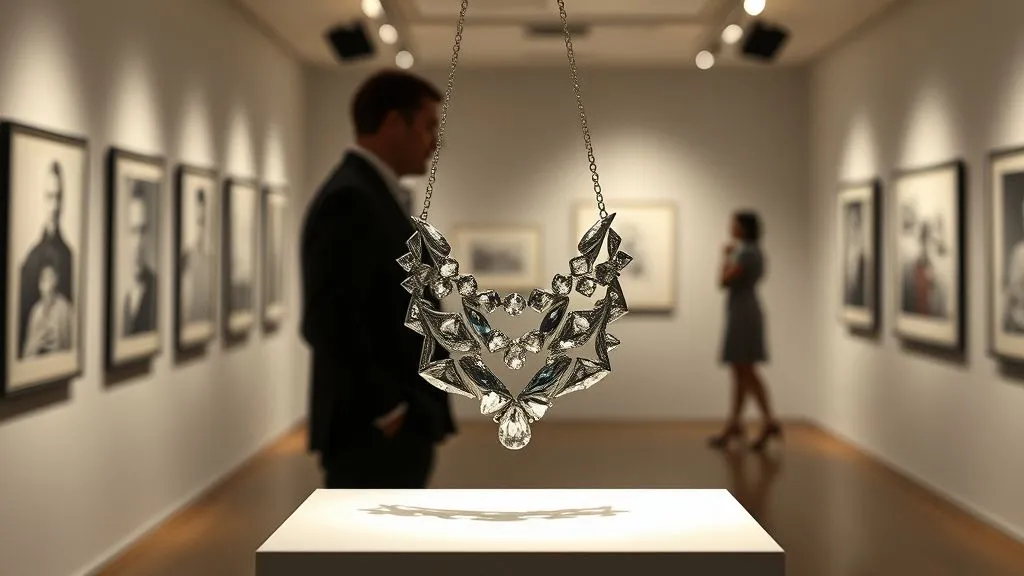
How to Sell Conceptual Wearable Art Jewelry to Niche Markets?
After two decades immersed in the intricate world of jewelry design and the broader art market, I've witnessed countless brilliant artists create truly groundbreaking conceptual wearable art. Their work pushes boundaries, sparks dialogue, and often challenges conventional notions of beauty and adornment. Yet, time and again, I've seen these visionary creators struggle with the fundamental question: how do you translate that profound artistic expression into sustainable sales, especially within highly specific niche markets?
The challenge is unique. Unlike commercial jewelry, conceptual wearable art isn't just about aesthetics or material value; it's about the idea, the narrative, the statement. This inherent complexity can make traditional marketing approaches feel inadequate, leaving artists feeling misunderstood and their exceptional pieces undervalued. It's a pain point I hear constantly: 'My work is too niche,' or 'People don't understand it.'
This guide isn't just another generic sales manual. Drawing from my extensive experience and deep understanding of the art and luxury markets, I'm going to dissect precisely how to sell conceptual wearable art jewelry to niche markets. We'll explore actionable frameworks, real-world insights, and strategies designed to connect your profound artistic vision with the discerning collectors who truly appreciate and seek out what you create.
Understanding the Essence of Conceptual Wearable Art
Before we can effectively sell, we must deeply understand what we're selling. Conceptual wearable art transcends mere decoration; it's a profound statement, an intellectual exercise, and often a commentary on society, identity, or the human condition. It demands engagement from the viewer, inviting them to ponder the artist's intent and the meaning embedded within the form.
What Defines 'Conceptual Wearable Art'?
In my view, conceptual wearable art is characterized by its primary focus on the idea or concept over traditional aesthetic concerns or material preciousness. While materials can be precious, their selection is often driven by their symbolic or narrative potential, rather than their intrinsic market value alone. These pieces challenge expectations, often incorporating unconventional materials, forms, or interactive elements, making them miniature sculptures for the body.
They are not simply 'jewelry' in the everyday sense, but rather portable artworks that demand a different kind of appreciation and a specialized audience. This distinction is crucial for your marketing efforts.
Why Niche Markets are Your Goldmine
Trying to sell conceptual wearable art to the general public is akin to selling haute couture to someone looking for fast fashion – it's a mismatch of values and expectations. Niche markets, on the other hand, are where your work truly resonates. These are communities of collectors, curators, and enthusiasts who actively seek out unique, thought-provoking pieces that defy convention.
These individuals understand the intellectual investment, the artistic statement, and the craftsmanship inherent in conceptual work. They are often willing to pay a premium for authenticity, originality, and the story behind a piece. Focusing on these specific segments allows you to build deeper connections, speak a shared language, and ultimately, find genuine appreciation for your artistry.
Deconstructing Your Ideal Niche Audience
The first concrete step in learning how to sell conceptual wearable art jewelry to niche markets is to stop guessing and start understanding your audience. This goes far beyond simple demographics. We need to delve into psychographics, behaviors, and motivations.
Beyond Demographics: Psychographics and Art Appreciation
Who is truly captivated by conceptual art? They are often intellectually curious individuals, early adopters, trendsetters in their own circles, or collectors who prioritize meaning and narrative over pure embellishment. They might be patrons of contemporary art, design enthusiasts, or individuals who use their personal style as a form of self-expression and intellectual discourse.
Consider their values: do they prioritize sustainability, ethical sourcing, or supporting independent artists? What cultural events do they attend? What publications do they read? Understanding their worldview is paramount.
- Identify Core Values: List the values your art embodies (e.g., sustainability, innovation, social commentary, historical reverence).
- Profile Existing Collectors: If you've made sales, analyze who bought your work. What are their professions, interests, and motivations?
- Research Art Market Segments: Explore specific art collecting categories like contemporary art, outsider art, or design art. Who collects in these areas?
- Create Detailed Buyer Personas: Develop 2-3 fictional but realistic profiles of your ideal collectors. Give them names, backstories, motivations, and pain points. What problems does your art solve for them (e.g., a desire for unique self-expression, a need to support meaningful art)?
Crafting an Irresistible Brand Narrative
Your conceptual wearable art isn't just a product; it's a story waiting to be told. In niche markets, the narrative behind a piece often holds as much, if not more, weight than the piece itself. This is where your unique voice and vision shine through.
The Power of Storytelling in Jewelry
People don't just buy jewelry; they buy into a narrative, a feeling, a connection. For conceptual art, this is amplified. Your brand narrative should articulate your philosophy, your inspiration, your process, and the core idea behind your collections. It provides context, deepens appreciation, and transforms a mere object into a meaningful artifact.
"In the realm of conceptual art, the story is not just an adjunct to the piece; it is often the piece itself. Your narrative is the key that unlocks understanding and emotional resonance for your collector." - Industry Specialist Insight
- Define Your Artistic Statement: Clearly articulate the central themes, questions, or commentaries your art explores. This is your artistic manifesto.
- Share Your Inspiration: What drives your creativity? Is it a social issue, a philosophical concept, a natural phenomenon? Be specific.
- Detail Your Process: For conceptual work, the 'how' can be as fascinating as the 'what'. Highlight unique techniques, material choices, or the intellectual journey involved in creation.
- Showcase the 'Why': Why is this piece important? What conversation does it spark? What does it say about the wearer or the world?
- Maintain Consistency: Ensure your narrative is consistent across all platforms – your website, social media, artist statements, and in-person interactions.
Strategic Pricing for Value, Not Just Cost
Pricing conceptual wearable art can feel like navigating a minefield. You're not just accounting for materials and labor; you're valuing intellect, originality, and artistic merit. Undervaluing your work is a common mistake that not only impacts your livelihood but can also diminish its perceived artistic value in the market.
Beyond Materials: Valuing Concept, Craft, and Time
For commercial jewelry, a simple markup on material costs might suffice. For conceptual art, this approach is entirely inadequate. Your pricing must reflect the intellectual property, the years of skill development, the research, the prototyping, and the sheer audacity of your artistic vision. Collectors of conceptual art understand that they are investing in an idea as much as an object.
| Pricing Component | Description | Weighting for Conceptual Art |
|---|---|---|
| Material Cost | Raw materials, findings, packaging. | Low (unless rare/symbolic) |
| Labor & Skill | Hours spent on design, fabrication, finishing, specialized techniques. | High (complex processes) |
| Concept & IP | Originality of idea, artistic statement, research, development. | Highest (core value driver) |
| Brand & Market Position | Your reputation, exhibition history, perceived exclusivity. | High (builds over time) |
Communicating Value to Discerning Collectors
Transparency about your pricing philosophy, without revealing cost breakdowns, can build trust. Explain the 'why' behind the price. Highlight the rarity of materials (if applicable), the complexity of the techniques, and, most importantly, the profound conceptual underpinnings. An artist statement accompanying each piece, detailing its inspiration and process, is invaluable here. This helps collectors understand they are acquiring a significant piece of art, not just an accessory.
Curating Your Online Presence: Digital Galleries & Platforms
In today's globalized art market, a robust online presence is non-negotiable, even for niche art. Your digital storefront is often the first point of contact for potential collectors, acting as a virtual gallery that's open 24/7.
Building a Bespoke E-commerce Experience
Your website should be an extension of your artistic aesthetic. It needs to be clean, professional, and visually compelling, allowing your work to speak for itself. High-resolution photography from multiple angles, contextual shots (e.g., worn on a body, displayed in a minimal setting), and detailed descriptions are critical. Each piece should have its own story, its own 'artist statement' section.
Consider platforms like Shopify for robust e-commerce capabilities, but customize it heavily to reflect your unique brand. Avoid generic templates if possible. Focus on user experience – making it easy for collectors to explore, learn, and purchase.
Leveraging Specialized Art & Design Platforms
While your own website is paramount, don't overlook curated online art platforms. These marketplaces often attract a pre-qualified audience specifically looking for unique art and design. Look for platforms that emphasize storytelling and artistic merit over mass production.
Examples might include Saatchi Art, Artsy (for more established artists), or even highly curated independent design platforms. Research their audience demographics and artistic focus to ensure alignment with your conceptual work. Artsy.net, for instance, connects collectors with leading galleries and artists globally, making it a powerful channel for exposure.
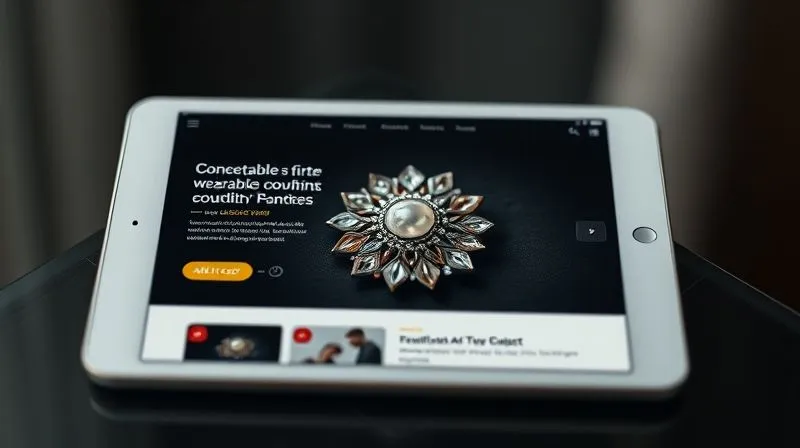
Offline Engagement: Exhibitions, Galleries, and Pop-Ups
While digital presence is vital, the tactile and experiential nature of conceptual wearable art truly shines in physical settings. This is where collectors can intimately connect with your work, experiencing its scale, texture, and presence firsthand.
Selecting the Right Venues for Exposure
Not all galleries or exhibitions are created equal for conceptual work. Seek out contemporary art galleries, design museums, or specialized craft galleries that have a track record of showcasing avant-garde or thought-provoking pieces. Art fairs focused on contemporary art, craft, or design are also excellent opportunities.
Before committing, research the gallery's roster, their curatorial vision, and their audience. A good fit means your work will be understood and appreciated by the existing clientele. Participating in group shows can be a great starting point to gain exposure and network.
Case Study: 'Ephemeral Artistry' Gallery Success
Consider the fictional example of 'Ephemeral Artistry,' a conceptual jewelry studio led by artist Elara Vance. For years, Elara struggled to sell her intricate, politically charged pieces online. Her breakthrough came when she secured a solo exhibition at 'The Anomaly Gallery,' a small but highly respected contemporary art space known for championing experimental artists. The gallery's director, a keen admirer of conceptual work, helped Elara craft compelling artist statements and hosted several 'artist talks.' This direct engagement allowed collectors to hear Elara's narrative firsthand, leading to 70% of her exhibition pieces selling within the first month. The gallery's established network and curatorial expertise were instrumental in validating her work and connecting her with the right buyers. Forbes often highlights the power of curated experiences in driving sales for niche products, and this perfectly illustrates that principle.
Mastering Marketing & Outreach for Niche Audiences
Marketing conceptual wearable art isn't about mass appeal; it's about precision. You need to reach the right people with the right message, fostering a sense of discovery and intellectual curiosity.
Content Marketing That Educates and Inspires
Your content should go beyond simply displaying your work; it should educate, inspire, and provoke thought. Blog posts, artist interviews, and behind-the-scenes videos can delve into your inspirations, your process, and the philosophical underpinnings of your pieces. This builds a deeper connection with your audience and positions you as a thought leader in your niche.
- Artist Interviews: Share insights into your creative journey.
- Process Videos: Document the making of a complex piece.
- Conceptual Essays: Write about the ideas that drive your work.
- Curated Emails: Send newsletters featuring new work, exhibition announcements, and exclusive content.
Collaborations and Influencer Engagement (Art World Edition)
Traditional influencer marketing might not be the best fit. Instead, seek collaborations with art critics, curators, art historians, fashion stylists specializing in avant-garde looks, or other conceptual artists. A mention or feature by a respected voice within the art world can carry immense weight and lend significant credibility.
Participate in joint exhibitions, contribute to art publications, or engage in panel discussions. These activities position you within the intellectual discourse surrounding contemporary art and design. Harvard Business Review emphasizes the importance of building a strong personal brand, which is particularly true for artists.

Building Community and Fostering Loyalty
Selling conceptual wearable art is not a transactional business; it's about building relationships. Niche collectors often become repeat buyers and advocates for artists they admire. Fostering a community around your work is crucial for long-term success.
The Role of Personal Connection
When someone acquires a piece of conceptual art, they are often buying a piece of your vision. Personalize the experience: include a handwritten note with each purchase, offer exclusive previews of new collections to loyal collectors, or invite them to private studio visits. These gestures transform a customer into a patron.
Post-Purchase Experience and Collector Relations
The relationship doesn't end with the sale. Follow up with collectors, offer care instructions for their unique pieces, and keep them informed about your artistic journey. An annual thank-you note or a small, exclusive gift can go a long way in nurturing loyalty. Word-of-mouth from satisfied collectors in niche communities is incredibly powerful.
"Your most ardent collectors are not just buyers; they are ambassadors. Cultivate these relationships with genuine care, and they will become the bedrock of your artistic career." - Industry Specialist Insight
Frequently Asked Questions (FAQ)
How do I price truly abstract pieces where material cost is minimal but the concept is profound? This is a common dilemma. Focus heavily on the 'Concept & IP' and 'Labor & Skill' components. Research pricing of similar conceptual works by artists at a similar career stage in reputable galleries. Document your design process, research, and the intellectual journey behind the piece to justify its value. Consider tiered pricing based on complexity and exclusivity.
What's the best online platform for selling unique art jewelry if my own website is new? Beyond your own site, look for curated platforms like 1stDibs (for high-end, established work), Artsy (if you have gallery representation), or even Etsy if you can carve out a distinct 'art jewelry' niche with premium branding. Instagram is also a powerful visual platform for direct engagement, but sales often convert on your website.
How important are physical exhibitions today compared to online sales? Extremely important for conceptual wearable art. While online offers reach, physical exhibitions provide the immersive experience necessary for collectors to truly understand and connect with your work. They build credibility, allow for direct interaction, and are often where significant sales and gallery representation opportunities originate. Think of them as high-impact marketing events.
How do I protect my unique conceptual designs legally? Copyright generally protects your original artistic expression automatically upon creation. For more robust protection, especially if your designs are commercially viable or involve unique mechanisms, consider design patents or trademarks. Always document your creative process meticulously with dates. Consult with an intellectual property lawyer specializing in art and design.
Can I really make a living selling conceptual jewelry, or is it just a passion project? Absolutely, you can make a living. It requires a strategic, business-minded approach alongside your artistic talent. By clearly defining your niche, building a strong brand narrative, pricing appropriately, leveraging both online and offline channels, and fostering collector relationships, you can build a sustainable and thriving career. It's about treating your art as a serious enterprise.
Key Takeaways and Final Thoughts
Selling conceptual wearable art jewelry to niche markets is not for the faint of heart, but it is immensely rewarding. It demands a blend of artistic integrity, strategic thinking, and genuine connection.
- Know Your Niche Intimately: Understand not just who they are, but why they collect conceptual art.
- Craft a Powerful Narrative: Your story is as crucial as the art itself.
- Price for Value: Reflect the intellectual and artistic merit, not just material cost.
- Integrate Online & Offline: Leverage digital reach for discovery and physical spaces for immersive experience.
- Build Relationships: Nurture collectors into patrons and advocates.
As an artist, your vision is your most valuable asset. Don't let the complexities of the market overshadow your potential. By applying these expert strategies, you're not just selling jewelry; you're selling ideas, stories, and a piece of your soul. Embrace the journey, trust your artistic voice, and know that there is a discerning audience eagerly waiting to discover and cherish your extraordinary creations.
Recommended Reading
- Greenwashing Busters: 5 Pillars for Sustainable Activewear Brands' Integrity
- Uncover the Hidden Impact: How Wartime Rationing Reshaped 1940s Fashion
- The Ultimate Guide: Repairing Small Tears in Cashmere Gloves Yourself
- Mastering Couture: 7 Strategies for Flawless Fit Despite Posture Issues
- 7 Strategies: Managing Unrealistic Creative Demands from Fashion Bloggers




Your email address will not be published. Required fields are marked *