

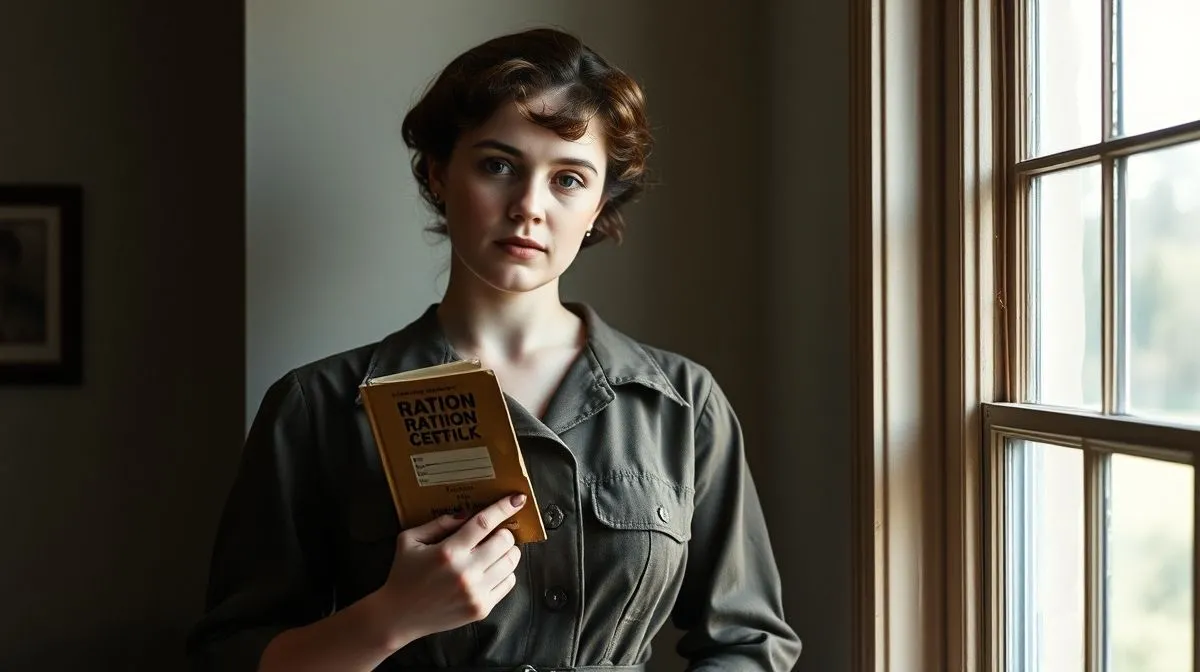
How Did Wartime Rationing Affect 1940s Fashion?
Imagine a world where buying a new dress wasn't a simple trip to the department store, but a strategic decision dictated by a small book of coupons and the availability of scarce materials. A world where mending, patching, and remaking old garments was not just a hobby, but a patriotic duty. This was the reality for millions during the 1940s, a decade defined by the profound upheaval of World War II.
As nations worldwide mobilized for total war, every aspect of civilian life became subject to controls, and fashion was no exception. But how did this dramatic shift in resource allocation and societal priorities truly reshape 1940s fashion? What were the tangible, visible changes that emerged from the crucible of conflict and austerity?
This article will delve into precisely how wartime rationing affected 1940s fashion, exploring the ingenious adaptations, government-mandated designs, and enduring legacies that emerged from an era of unprecedented scarcity. By the end, you'll understand not just the styles, but the compelling stories behind the clothes of the 1940s.
The Genesis of Austerity: Why Rationing Became Necessary
The outbreak of World War II in September 1939 plunged the world into a conflict unlike any before it. Total war meant that every national resource, from steel to textiles, was diverted to the war effort. This fundamental shift in economic priorities inevitably led to severe shortages for the civilian population, making rationing an unavoidable necessity.
Scarcity of Resources
Before the war, many countries, particularly Britain, relied heavily on imported raw materials, including cotton, wool, silk, and dyes. Once shipping lanes became perilous due to submarine warfare and industrial capacity was reoriented towards armaments, these imports dwindled dramatically. Furthermore, domestic production of textiles was redirected to military uniforms, parachutes, and other essential equipment. This created an immediate and severe shortage of fabric for civilian clothing.
The War Economy and Civilian Needs
Governments recognized that uncontrolled consumption would lead to inflation and inequality, undermining morale. Rationing was introduced to ensure fair distribution of essential goods and to conserve resources vital for the war. Clothing, while seemingly less critical than food or fuel, was nonetheless a significant consumer of raw materials and labor. By controlling clothing production and consumption, governments could free up resources, labor, and factory space for military purposes, while also managing public expectations and preventing social unrest due to perceived unfairness. This strategic approach was central to maintaining national stability during a period of immense strain.
The Unseen Hand: How Clothing Rationing Worked
Clothing rationing was not a uniform system across all nations, but its core principles revolved around limiting consumption and standardizing production. In Britain, the scheme was particularly comprehensive and began relatively early, in June 1941, while the United States implemented its own controls slightly later.
The Coupon System: A New Currency
In Britain, the Board of Trade introduced a coupon system that effectively made clothing a secondary currency. Each person received an annual allowance of clothing coupons (initially 66, later reduced to 48, and eventually 24 per year). Every item of clothing, from a coat to a pair of socks, was assigned a specific coupon value. A new coat might cost 18 coupons, a dress 11, and a pair of stockings 2. This meant consumers had to make careful choices, prioritizing necessities and making their existing wardrobes last. The system forced a dramatic reduction in new purchases and fostered a culture of careful consideration before buying anything new. This system was meticulously managed to ensure equitable, albeit limited, access to clothing for all citizens.
Utility Clothing: Design by Decree (CC41)
To further conserve resources and ensure basic clothing was available, the British government introduced the 'Utility Clothing' scheme, identifiable by the 'CC41' mark (Civilian Clothing 1941). This was a revolutionary concept: government-mandated fashion. Utility designs were simple, functional, and stripped of unnecessary embellishments like pleats, extra buttons, or excessive pockets. Fabric was minimized, and designs were standardized to reduce manufacturing costs and material waste. The goal was to produce durable, affordable, and practical garments that met essential needs without consuming precious resources. While initially met with some skepticism, Utility clothing became the norm, influencing the silhouette and aesthetic of the entire decade. For more details on the CC41 scheme, one can consult resources like the Imperial War Museums' archive on Utility Clothing.
Silhouette of Sacrifice: The Evolution of 1940s Fashion
The impact of rationing transformed the very silhouette of 1940s fashion. Gone were the flowing, voluminous styles of the pre-war era, replaced by a look that was practical, disciplined, and surprisingly chic in its simplicity. This new aesthetic reflected the somber mood of the times but also the unwavering resolve of the people.
From Opulence to Practicality
The luxurious fabrics, intricate detailing, and sweeping hemlines characteristic of the late 1930s quickly became obsolete. Wartime fashion emphasized clean lines, durability, and versatility. Women's clothing, in particular, underwent a dramatic transformation. Skirts became narrower and shorter (just below the knee), shoulders were often padded to create a broader, more masculine silhouette, and waists were cinched. This angular, almost military-inspired look was practical for women entering the workforce in factories and offices, and it conserved fabric.
The Rise of the 'Utility Look'
The 'Utility Look' wasn't just about simplicity; it was about efficiency. Dresses were often straight-cut or A-line, suits featured single-breasted jackets, and trousers became increasingly common for women, especially for those working in traditionally male roles. Details were minimal – a single row of buttons, simple collars, and flat pockets. The emphasis was on longevity and ease of movement, reflecting a society where function superseded frivolity. This austerity, paradoxically, created a distinct and recognizable style that remains iconic to the 1940s.
Color Palettes and Fabric Choices
Colors became muted and practical, with shades of grey, navy, brown, and olive green dominating. Brighter colors were reserved for accents or were simply unavailable due to dye shortages. Fabrics were chosen for their durability and availability, such as wool, rayon, and cotton. Silk, once popular for stockings and evening wear, was almost entirely diverted to parachute production. The limited range of materials meant designers and home sewers had to be incredibly inventive, often combining different scraps of fabric to create new garments, a testament to their resourcefulness.
Beyond the Dress: Accessories and Hair in Wartime
While the main garments were subject to strict rationing, accessories and beauty routines became vital avenues for self-expression and maintaining morale. These smaller items, often requiring fewer coupons or no coupons at all, allowed individuals to personalize their limited wardrobes.
Hats, Bags, and Shoes: Practicality Meets Style
Hats remained popular, but their designs became more practical. Turbans and headscarves, often made from scraps of fabric, were not only fashionable but also protected hair from factory dust and machinery. Handbags were typically small and functional, designed to carry essentials like ration books and identity cards. Shoes were sturdy and low-heeled, built for walking or cycling, as petrol rationing limited car use. Wooden or cork soles became common substitutes for leather, which was in short supply. These items, though practical, were often the only splash of color or individuality in an otherwise uniform outfit.
Hair and Makeup: The 'Victory Roll' and Red Lips
With limited access to new clothes, women turned to hair and makeup to maintain their appearance and boost spirits. The 'Victory Roll' became an iconic hairstyle, characterized by elaborate curls rolled upwards and away from the face, often held with hairnets or pins. This style was not only glamorous but also kept hair tidy for work. Makeup, though rationed, was still widely used. Red lipstick, in particular, became a symbol of defiance and resilience, a small act of glamour in grim times. Even if a woman's dress was plain, a bold lip and an artfully styled coiffure could convey a sense of strength and optimism, embodying the spirit of the era. The resilience displayed by women during this period, particularly through their beauty choices, is well-documented in historical fashion studies, such as those found at the Fashion History Timeline at FIT.
The 'Make Do and Mend' Philosophy: A National Ethos
Perhaps the most defining aspect of how wartime rationing affected 1940s fashion was the widespread adoption of the 'Make Do and Mend' philosophy. This wasn't just a slogan; it was a deeply ingrained way of life that permeated households and communities, transforming consumer habits and fostering incredible ingenuity.
Repair, Reuse, Reinvent
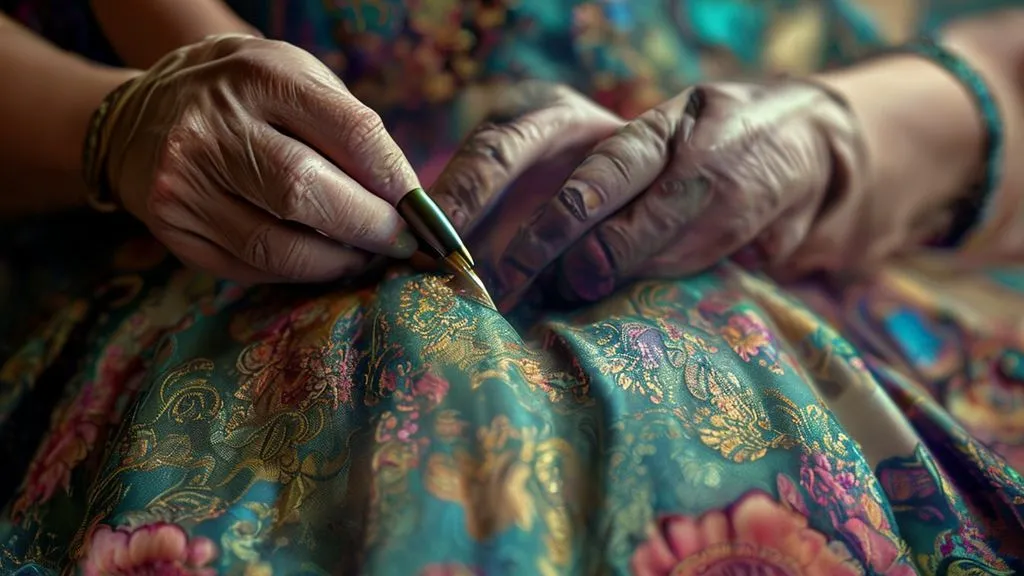
With new clothing scarce and expensive in coupons, repairing and reusing existing garments became essential. Holes were patched, worn collars were turned, and frayed cuffs were re-hemmed. Old coats were cut down into children's clothing, and adult dresses were refashioned into skirts or blouses. Nothing was wasted. This emphasis on longevity and resourcefulness led to a remarkable creativity in adapting and transforming clothes, often resulting in unique, personalized pieces born out of necessity. The concept extended beyond clothing to all household items, fostering a collective commitment to conservation.
Home Sewing and Patterns
Home sewing experienced a massive resurgence during the war. Women, and sometimes men, dusted off their sewing machines and learned (or relearned) skills like pattern cutting, stitching, and mending. Government campaigns and women's magazines provided instructions and patterns for making clothes from scratch or remodeling existing ones. Fabric scraps were hoarded and repurposed into quilts, accessories, or patched garments. This DIY approach not only saved coupons but also offered a sense of control and self-sufficiency in uncertain times. It transformed the act of dressing into an active, creative endeavor rather than passive consumption.
Black Markets and Loopholes
Despite strict controls, black markets for clothing and materials did exist, though they were generally frowned upon and carried severe penalties. Some individuals found loopholes, such as buying un-rationed second-hand clothes or acquiring items from friends or relatives in less restricted areas. However, these were exceptions rather than the norm. The vast majority of the population adhered to the rationing system, understanding its necessity for the collective war effort. The spirit of shared sacrifice largely trumped individual desire for luxury, reinforcing the 'make do and mend' ethos as a national characteristic.
Global Perspectives: Rationing's Reach Beyond Britain
While Britain's rationing system was particularly stringent, the impact of wartime resource scarcity on fashion was a global phenomenon. Different countries adopted varying approaches, reflecting their specific economic situations, political systems, and engagement in the conflict.
American Adaptations: 'L-85' Regulations
In the United States, clothing rationing was less severe than in Britain, but the War Production Board (WPB) implemented 'L-85' regulations in 1942. These regulations aimed to conserve fabric by dictating how much material could be used in civilian clothing. They restricted the width of skirts, eliminated cuffs on trousers, limited the number of pockets, and discouraged superfluous trimmings like pleats or ruffles. While not a coupon system for clothing, L-85 profoundly shaped American fashion, leading to a similar streamlined, practical silhouette. American designers, however, often managed to infuse more glamour into these restricted styles, reflecting the relative affluence and later entry into the war compared to their European counterparts.
European Experiences: Varying Degrees of Austerity
Across continental Europe, the experience of wartime fashion varied dramatically. In Nazi-occupied territories, clothing was often severely rationed or confiscated, leading to extreme deprivation and a reliance on homemade or bartered garments. In neutral countries like Switzerland or Sweden, while still impacted by global shortages, fashion retained more of its pre-war elegance, albeit with a practical edge. Even in Fascist Italy and Nazi Germany, where nationalistic ideals influenced design, the reality of war led to a similar push for austerity and utility in civilian dress. The universal pressure of war meant that simplicity and durability became common threads in fashion narratives across diverse nations, regardless of their political alignment.
The Lasting Legacy: How Wartime Fashion Shaped the Future
The end of the war brought a collective sigh of relief, but the habits and innovations forged during the conflict left an indelible mark on fashion. The lessons learned from scarcity and ingenuity continued to influence design and consumer behavior for decades to come, demonstrating the profound and lasting way how wartime rationing affected 1940s fashion.
Post-War Influences and the 'New Look'
Initially, post-war fashion struggled to shake off the austerity of the 1940s. Fabric was still scarce, and the public was accustomed to practicality. However, the desire for glamour and femininity quickly re-emerged. Christian Dior's 'New Look' in 1947, with its voluminous skirts and cinched waists, was a direct rebellion against wartime restrictions. It celebrated luxury and abundance, using yards of fabric that would have been unthinkable just a few years prior. Yet, even the 'New Look' retained some of the wartime emphasis on tailoring and structure, demonstrating an evolutionary rather than a revolutionary break from the 1940s silhouette.
Sustainability Lessons from the Past
In today's world, with growing concerns about fast fashion and environmental impact, the 'Make Do and Mend' philosophy of the 1940s offers invaluable lessons. The emphasis on quality over quantity, repairing instead of discarding, and repurposing existing garments resonates strongly with contemporary sustainability movements. The ingenuity born out of wartime necessity serves as a powerful reminder that fashion can be both practical and personal, without relying on excessive consumption. The 1940s stands as a testament to human adaptability, creativity, and resilience in the face of immense challenges, proving that constraints can often be the mother of invention in design.
Frequently Asked Questions (FAQ)
What was the CC41 mark in 1940s fashion? The CC41 mark (Civilian Clothing 1941) was a government stamp in Britain indicating that a garment met the standards of Utility Clothing. These standards ensured the item was made with minimal fabric and embellishments, was durable, and designed for practicality, conserving resources for the war effort.
How did women get clothing during WWII rationing? Women primarily obtained clothing during WWII rationing by using clothing coupons, which were issued annually and had to be surrendered for each new item purchased. They also relied heavily on 'make do and mend' techniques, repairing, altering, and repurposing existing garments, or making new clothes from scratch using rationed fabric or old materials.
Did the US have clothing rationing like the UK? The US did not have a coupon-based clothing rationing system like the UK. Instead, the War Production Board implemented 'L-85' regulations, which restricted the amount of fabric and certain design elements (like pleats, cuffs, and extra pockets) in civilian clothing to conserve materials for the war effort.
What were common fabrics used in 1940s wartime fashion? Common fabrics used in 1940s wartime fashion included durable materials like wool, rayon, and cotton. Silk was largely diverted for military use (e.g., parachutes), and synthetic fibers were still in their infancy. Fabric choices were dictated by availability and the need for longevity and practicality.
Recommended Reading
- Unlock the Secrets: How to Write an Engaging Fashion Blog Post That Captivates
- Petite Perfection: Your Guide to Classic Wardrobe Essentials
- Unlocking the Past: Researching 18th Century Dress Patterns
- Unmasking Souls: What Costume Details Reveal Character Backstory?
- Unveiling the Science: What Technologies Make Athletic Wear Breathable?
Conclusion
The story of how wartime rationing affected 1940s fashion is far more than a tale of restricted choices; it is a powerful narrative of resilience, ingenuity, and collective spirit. From the pragmatic silhouettes of Utility clothing to the widespread adoption of 'Make Do and Mend,' the era transformed fashion from an expression of individual luxury into a symbol of national resolve. This period proved that creativity can thrive under constraint, and that necessity truly is the mother of invention. The legacy of the 1940s, with its emphasis on durability, resourcefulness, and a quiet dignity, continues to inspire, reminding us of the profound connection between societal challenges and the clothes we wear.

Your email address will not be published. Required fields are marked *