

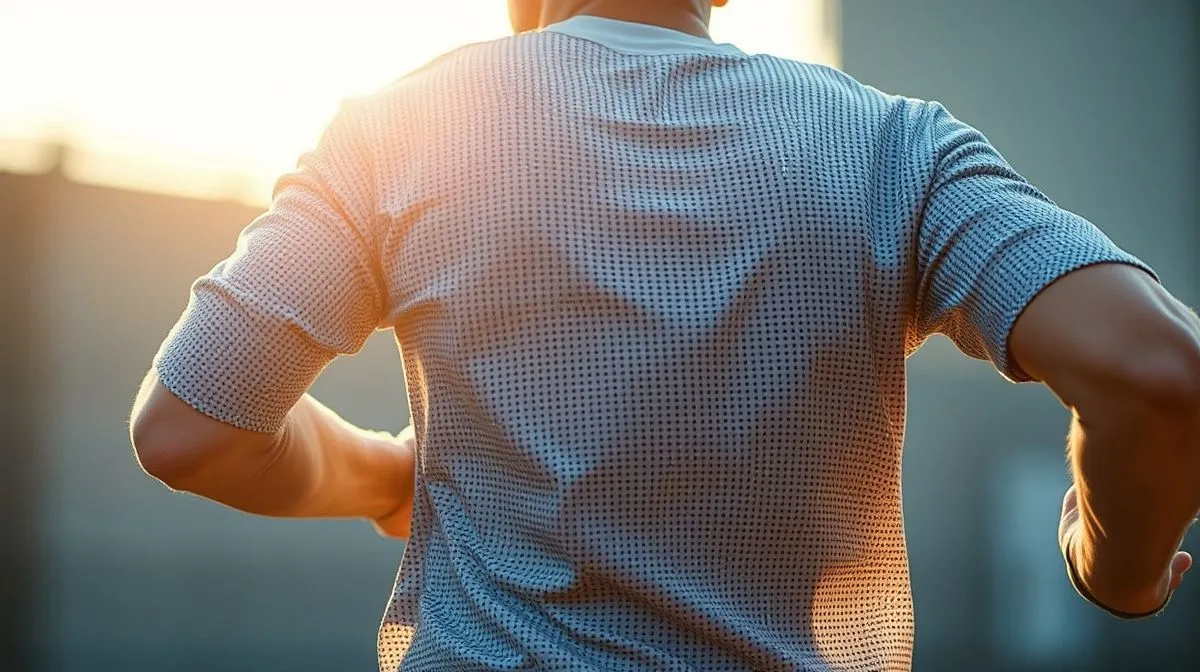
Have you ever pushed through a strenuous workout, feeling your clothes cling uncomfortably, trapping heat and moisture against your skin? That heavy, clammy sensation can quickly turn a motivating session into a miserable ordeal, distracting you from your performance and making you eager to shed your gear the moment you’re done.
This common discomfort highlights a crucial question for anyone serious about fitness or outdoor activity: how do modern athletic garments manage to keep us cool, dry, and comfortable, even during the most intense physical efforts? What are the hidden innovations that allow sportswear to seemingly 'breathe'?
In this comprehensive guide, we will delve deep into the fascinating world of textile engineering and design. We will explore the cutting-edge materials, ingenious fabric constructions, and smart technologies that answer the question: what technologies make athletic wear breathable? By the end, you'll understand the science behind staying fresh and focused, no matter how hard you train.
The Core Challenge: Sweat and Heat Management
To truly appreciate breathable athletic wear, we must first understand the fundamental challenge it addresses: the human body's natural response to physical exertion. When we exercise, our muscles generate heat. To prevent overheating, our bodies activate a vital cooling mechanism: sweating.
Understanding Thermoregulation
Thermoregulation is the body's ability to maintain a stable internal temperature, crucial for optimal physiological function. Sweating is a primary evaporative cooling process. As sweat evaporates from the skin's surface, it carries away heat, effectively cooling the body. Clothing plays a critical role in facilitating or hindering this process.
If sweat cannot evaporate efficiently, it accumulates on the skin, leading to discomfort, chafing, and a rapid increase in body temperature. This is where the magic of modern athletic wear truly shines, as it is engineered to work in harmony with our body's natural cooling systems.
The Problem with Traditional Fabrics
Consider traditional fabrics like cotton. While comfortable for everyday wear, cotton is highly absorbent. It soaks up sweat like a sponge and holds onto it, becoming heavy, wet, and cold once you stop exercising. This not only feels unpleasant but can also lead to hypothermia in cooler conditions due to evaporative cooling occurring too rapidly once activity ceases.
Wool, particularly traditional varieties, also absorbs moisture, though it retains some insulating properties when wet. Neither cotton nor traditional wools are designed to actively move moisture away from the skin and facilitate rapid evaporation, which is the hallmark of truly breathable athletic wear.
Moisture-Wicking Fabrics: The Cornerstone of Breathability
The concept of 'moisture-wicking' is central to answering what technologies make athletic wear breathable? This refers to a fabric's ability to pull moisture (sweat) away from the skin and transport it to the fabric's outer surface, where it can evaporate quickly. This keeps the skin dry and comfortable.
The Science of Capillary Action
Moisture-wicking works primarily through a phenomenon called capillary action. Imagine tiny tubes or channels within the fabric fibers. These channels have a high surface tension with water, drawing it along their length, much like a sponge drawing water. Synthetic fibers, unlike cotton, are engineered with specific structures that facilitate this action.
The fabric's construction, including its weave and knit patterns, creates a network of these microscopic capillaries. Sweat moves from areas of higher concentration (your skin) to areas of lower concentration (the fabric's outer surface), where it spreads out and evaporates rapidly due to increased surface area.
Key Synthetic Wicking Materials
Most high-performance moisture-wicking fabrics are made from synthetic fibers, each with unique properties:
- Polyester: This is perhaps the most common wicking fiber. Polyester fibers are inherently hydrophobic (water-repelling), which means they don't absorb water into the fiber itself. Instead, water is wicked along the surface of the fibers. Modern polyester often features modified cross-sections (e.g., multi-lobed or channel-shaped) to enhance capillary action.
- Nylon: Similar to polyester, nylon is durable, elastic, and offers excellent wicking properties. It's often used in blends to add strength and stretch.
- Polypropylene: Known for being extremely hydrophobic and lightweight, polypropylene is an excellent insulator and wicks moisture very effectively. It's less common in outer layers but frequently used in base layers.
Blends and Hybrid Fabrics
While synthetics dominate, many athletic wear pieces utilize blends. For instance, a blend of polyester and spandex provides both wicking capabilities and stretch for freedom of movement. Some innovative fabrics even combine natural fibers like merino wool with synthetics to leverage merino's natural temperature regulation and odor resistance alongside synthetic wicking power.
Strategic Ventilation and Airflow Design
Beyond simply moving moisture, effective breathability also involves facilitating airflow to carry away heat and aid evaporation. This is achieved through clever design and fabric placement.
Mesh Panels and Laser Perforations
One of the most visible technologies in breathable athletic wear is the strategic placement of mesh panels. These open-weave fabric sections, often found in high-sweat areas like the back, underarms, and sides, allow for maximum airflow, directly ventilating the body.
More advanced techniques include laser perforations or micro-perforations. Tiny holes are precisely cut into the fabric, creating vents without compromising the garment's structural integrity or aesthetic. This allows for targeted ventilation in areas that require it most, such as the upper back or chest.
Body Mapping Technology for Targeted Zones
Modern athletic wear design often employs body mapping technology. Designers study the human body's thermoregulation patterns, identifying 'hot spots' where sweat accumulates most rapidly (e.g., lower back, armpits, chest). Fabrics with varying degrees of breathability, thickness, and mesh density are then strategically placed in these zones.
This allows for a garment that isn't uniformly breathable but rather optimized for specific body areas, ensuring maximum comfort and performance. For example, a running shirt might have denser, more supportive fabric in the chest and shoulders, with ultra-light mesh in the armpits and across the back.
Advanced Membrane Technologies: Beyond Simple Wicking
While wicking fabrics handle internal moisture, some athletic activities, especially in unpredictable weather, require protection from external elements like rain and wind, without sacrificing breathability. This is where advanced membrane technologies come into play.
Gore-Tex and ePTFE: Waterproof, Yet Breathable
Perhaps the most famous example is Gore-Tex, which utilizes an expanded polytetrafluoroethylene (ePTFE) membrane. This membrane is incredibly thin and contains billions of microscopic pores per square inch. These pores are large enough to allow water vapor (sweat) to escape but too small for liquid water droplets (rain) to penetrate. This ingenious design allows a garment to be both waterproof and breathable simultaneously.
The science behind this involves the different states of water: sweat evaporates into vapor, which can pass through the pores, while rain remains in its liquid state, which cannot. This creates a protective barrier that keeps you dry from the outside while allowing moisture to escape from the inside. You can learn more about this technology at Gore-Tex's official website.
Hydrophilic Membranes and Their Function
Another type of breathable membrane is hydrophilic. Unlike ePTFE, which relies on pore size, hydrophilic membranes (often polyurethane-based) work by chemically attracting water molecules. They absorb moisture from the inside and then, through a process of diffusion, transport it to the outside of the fabric, where it evaporates. These membranes tend to be more flexible and quieter than porous membranes.
Challenges and Innovations in Membrane Design
Developing effective waterproof-breathable membranes is a continuous challenge. Balancing breathability with waterproofing and durability is complex. Innovations include membranes that are even lighter, more stretchable, and more environmentally friendly. Some companies are exploring bio-based polymers and alternative manufacturing processes to reduce their environmental footprint while maintaining high performance.
Smart Fibers and Fabric Innovations
The future of breathable athletic wear lies in 'smart' materials that can actively respond to the wearer's environment and body conditions.
Phase Change Materials (PCMs): Active Temperature Regulation
Phase Change Materials (PCMs) are substances that can absorb, store, and release large amounts of latent heat over a specific temperature range. When integrated into fabrics, PCMs can actively regulate body temperature. For example, if your body temperature rises, the PCM melts, absorbing excess heat. If your body temperature drops, the PCM solidifies, releasing stored heat to keep you warm.
This dynamic thermal management helps maintain a comfortable microclimate around the body, reducing the need for constant layering adjustments and enhancing overall comfort during fluctuating activity levels.
Hollow-Core Fibers: Lightweight Insulation and Wicking
Some synthetic fibers are engineered with a hollow core, much like a tiny straw. These hollow-core fibers trap air, providing excellent insulation without adding significant weight. More importantly, the hollow structure can also enhance moisture-wicking capabilities by increasing the surface area for capillary action and speeding up the transport of sweat vapor.
Bio-Based and Sustainable Alternatives
While synthetics are dominant, there's growing interest in sustainable, naturally derived fibers that offer inherent breathability and performance properties:
- Merino Wool: Unlike traditional wool, merino fibers are incredibly fine, soft, and naturally possess excellent moisture-wicking, temperature-regulating, and odor-resistant properties. It can absorb a significant amount of moisture without feeling wet and manages heat effectively across a wide range of temperatures.
- Tencel (Lyocell): Derived from wood pulp, Tencel is known for its exceptional softness, strength, and moisture absorption/release properties, making it highly breathable and comfortable against the skin.
These materials, often blended with synthetics, represent efforts to combine performance with environmental responsibility.
Anti-Odor and Microbial Control: Enhancing Freshness
Even the most breathable fabric can become unpleasant if it starts to smell. Sweat itself is largely odorless, but it provides a warm, moist environment where bacteria thrive, and it's these bacteria that produce the unpleasant odors. Therefore, effective breathable athletic wear often incorporates anti-odor technologies.
Silver Ion Technology
One of the most common antimicrobial treatments involves silver ions. Silver is a natural antimicrobial agent. Fabrics are treated with silver compounds, which release silver ions that inhibit the growth of odor-causing bacteria on the fabric's surface. This keeps the garment fresher for longer, reducing the need for frequent washing and extending its lifespan.
Antimicrobial Finishes and Treatments
Beyond silver, other chemical finishes and natural antimicrobials are used. Some treatments create a barrier that physically prevents bacterial adhesion, while others use zinc or copper compounds with similar antimicrobial properties. The goal is always to disrupt bacterial growth without harming the wearer or the environment.
The Role of Fabric Structure in Odor Prevention
Interestingly, the very structure of breathable fabrics can also contribute to odor prevention. By quickly wicking moisture away and promoting rapid evaporation, these fabrics create a less hospitable environment for bacteria to multiply, as they prefer damp conditions. This inherent dryness works in synergy with applied antimicrobial treatments.
The Synergistic Approach: Combining Technologies
It's rare for a single technology to be solely responsible for a garment's breathability. Instead, the answer to what technologies make athletic wear breathable? often lies in a synergistic combination of multiple innovations.
Layering Systems in Athletic Wear
Effective athletic wear often relies on a layering system, where each layer contributes to overall breathability and temperature regulation:
- Base Layer: Wicks moisture away from the skin (e.g., polyester, merino wool).
- Mid-Layer: Provides insulation while allowing moisture vapor to pass through (e.g., fleece, technical knits).
- Outer Layer: Protects from wind and rain while remaining breathable (e.g., Gore-Tex shells).
Each layer is designed to complement the others, ensuring that moisture is continuously moved outwards and heat is managed effectively.
The Importance of Garment Construction
Beyond the fabrics themselves, the way a garment is constructed significantly impacts its breathability. Flatlock seams prevent chafing, articulated knees or elbows allow for unrestricted movement and better airflow in those areas, and strategic paneling ensures optimal ventilation. Even the type of thread used can influence how a fabric performs under stress.
Designers meticulously consider stitch patterns, seam placements, and overall garment fit to maximize comfort and performance, ensuring that the high-tech fabrics can do their job without hindrance.
The Future Landscape of Breathable Athletic Wear
The field of textile innovation is constantly evolving. Future advancements promise even more sophisticated solutions to the challenge of athletic wear breathability.
Self-Adapting Materials
Imagine fabrics that can dynamically change their properties in response to your body's needs. Researchers are developing 'self-adapting' or 'responsive' textiles that can expand their pores to increase airflow when you get hot and then contract them to retain warmth when you cool down. These materials could revolutionize how we manage temperature during exercise, offering unprecedented comfort and efficiency.
Integration with Wearable Sensors
The convergence of textiles and electronics is leading to smart garments equipped with integrated sensors. These sensors can monitor vital signs, sweat rate, and skin temperature, providing real-time data that could potentially inform the fabric itself to adjust its breathability or even trigger active cooling mechanisms. This integration offers a personalized approach to performance optimization and comfort. For more on smart fabrics, refer to resources like Wikipedia's Smart Fabric page.
Sustainable Innovations and Circular Economy
As environmental concerns grow, the industry is heavily investing in sustainable solutions. This includes developing new bio-based polymers, enhancing recycling processes for synthetic fabrics, and creating dyes that require less water and energy. The goal is to produce high-performance, breathable athletic wear that minimizes its ecological footprint throughout its lifecycle, from production to disposal.
Frequently Asked Questions (FAQ)
Q: Is cotton ever breathable for athletic wear? A: While cotton is natural and soft, it's generally not considered breathable for athletic wear because it absorbs and holds onto moisture, becoming heavy and wet, hindering effective sweat evaporation.
Q: How can I tell if my athletic wear is truly breathable? A: Look for terms like 'moisture-wicking,' 'quick-dry,' 'mesh panels,' 'perforated,' or specific fabric technologies like 'Gore-Tex.' A simple test is to see how quickly it dries after getting wet.
Q: Do natural fibers like merino wool offer good breathability? A: Yes, high-quality natural fibers like merino wool offer excellent natural breathability, moisture management, and temperature regulation, making them a popular choice for performance base layers.
Q: What is the main difference between waterproof and water-resistant breathable fabrics? A: Waterproof fabrics (like those with Gore-Tex membranes) are designed to completely block liquid water while allowing vapor to escape. Water-resistant fabrics offer a degree of protection against light rain but are not fully impenetrable to water.
Q: How important is fit for breathable athletic wear? A: Fit is crucial. While fabrics do the wicking, a garment that is too tight can restrict airflow, and one that is too loose might not efficiently transfer moisture from the skin. An athletic, comfortable fit that allows movement and some air circulation is ideal.
Recommended Reading
- Fashion Blogging: Social Media Style Tips to Explode Your Brand
- Unleash Your True Self: How to Develop a Unique Personal Street Style
- The Ultimate Guide: How to Choose Comfortable Fabrics for Kids Wear
- Apple Picking Perfection: Best Fall Accessories for Your Outfit
- Clean Suede Shoes Like a Pro: Avoid Ruining Them! Here's How
Conclusion
The evolution of athletic wear from simple cotton garments to highly engineered performance apparel is a testament to incredible advancements in textile science and design. The answer to what technologies make athletic wear breathable? encompasses a sophisticated interplay of moisture-wicking fabrics, strategic ventilation, advanced membranes, smart fibers, and anti-odor treatments.
These innovations ensure that athletes and active individuals can remain cool, dry, and comfortable, allowing them to focus entirely on their performance rather than the discomfort of trapped sweat and heat. As research continues, we can anticipate even more intelligent, responsive, and sustainable solutions that will further redefine the limits of human comfort and athletic achievement.

Your email address will not be published. Required fields are marked *