

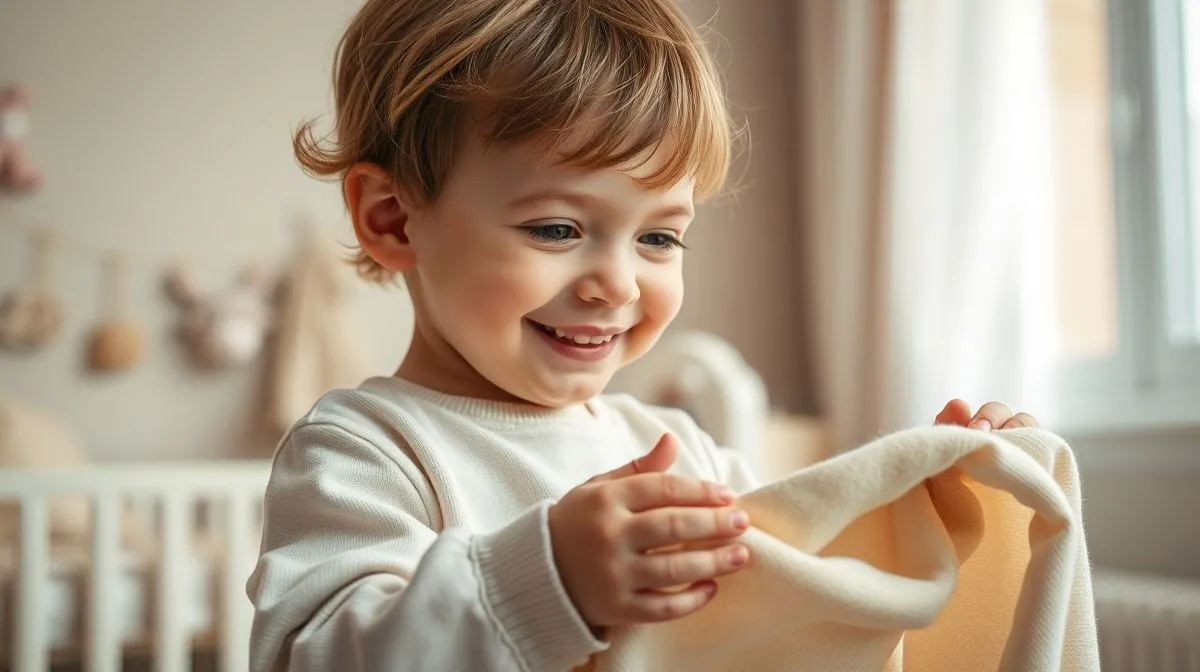
How Do I Choose Comfortable Fabrics for Kids Wear? The Ultimate Guide
Have you ever wondered why some clothes make your child restless, itchy, or just plain unhappy, while others seem to melt into their skin, allowing for hours of joyful play? It's a common dilemma for parents, one that often leaves us questioning our choices in the children's clothing aisle. Imagine your little one, engrossed in building a towering block castle, suddenly pulling at their collar or complaining about a 'scratchy' tag. These seemingly minor discomforts can significantly impact their mood, focus, and overall well-being.
Choosing the right fabrics for children's wear isn't just about aesthetics; it's fundamentally about their comfort, health, and freedom of movement. Many parents grapple with questions like, 'What materials are best for sensitive skin?' or 'How can I ensure their clothes are breathable during active play?' The vast array of options, from natural fibers to advanced synthetics, can be overwhelming, making it difficult to discern which truly serves your child's best interests.
This comprehensive guide will unravel the mysteries of textiles, offering expert insights into selecting the most comfortable, safe, and durable fabrics for your little ones. By the end, you'll be equipped with the knowledge to make informed decisions that prioritize your child's well-being and happiness, ensuring their clothes are a source of comfort, not distraction.
Understanding the Fabric Fundamentals: Why Comfort Matters for Kids
The skin is the body's largest organ, and for children, it's particularly delicate and permeable. What touches their skin directly impacts their comfort and health. When clothes are uncomfortable, children become irritable, distracted, and may even develop skin irritations. Understanding the core properties of fabrics is the first step in making smart choices.
The Science of Skin Sensitivity
Children's skin, especially that of infants and toddlers, is thinner and has a less developed barrier function compared to adult skin. This makes it more susceptible to irritation, dryness, and absorption of chemicals. Fabrics that are rough, non-breathable, or treated with harsh dyes can trigger allergic reactions, eczema flare-ups, or general discomfort. Choosing soft, gentle fabrics is paramount for their delicate epidermal layer.
Impact on Play and Development
Children learn and grow through play. Clothes that restrict movement, chafe, or cause overheating can hinder their natural exploration and development. Imagine a toddler trying to crawl or a child running freely; their clothing should be an extension of their body, not a hindrance. Comfortable fabrics allow for unrestricted movement, encouraging physical activity and imaginative play, which are crucial for cognitive and motor skill development.
Key Properties of Comfortable Fabrics
- Breathability: Allows air to circulate, preventing overheating and trapping moisture. Essential for active kids and warmer climates.
- Softness: Directly relates to tactile comfort, preventing chafing and irritation, especially for sensitive skin.
- Durability: Kids' clothes endure a lot – play, spills, frequent washing. Durable fabrics maintain their integrity and comfort over time.
- Hypoallergenic Properties: Minimizes the risk of allergic reactions. Natural fibers are often preferred, but specific treatments can enhance this in synthetics.
- Moisture-Wicking: Draws sweat away from the skin, keeping children dry and comfortable during physical activity.
Natural Wonders: Top Choices for Children's Wear
Natural fibers have long been a go-to for children's clothing due to their inherent softness, breathability, and skin-friendly properties. They are derived from plants or animals and offer a range of benefits tailored for delicate skin and active lifestyles.
Cotton: The Ever-Reliable Staple
Cotton is arguably the most popular fabric for children's wear, and for good reason. It's soft, breathable, absorbent, and relatively inexpensive. Its natural fibers allow excellent air circulation, making it ideal for everyday wear and preventing overheating. However, not all cotton is created equal.
- Organic Cotton: Grown without harmful pesticides, synthetic fertilizers, or GMOs. It's an excellent choice for children with sensitive skin or allergies, as it reduces exposure to chemicals. It's also better for the environment.
- Pima Cotton / Supima Cotton: Known for its extra-long staple fibers, which result in a softer, stronger, and more durable fabric that resists pilling. This makes it incredibly comfortable and long-lasting for children's garments.
- Muslin Cotton: A loosely woven, breathable cotton fabric. It's incredibly soft and gets softer with each wash, making it perfect for swaddles, blankets, and lightweight clothing, especially for newborns.
Bamboo: The Silky Soft Eco-Warrior
Bamboo fabric, particularly bamboo rayon or viscose, has gained immense popularity for children's clothing. It's renowned for its incredibly soft, silky texture, often compared to cashmere. Beyond its luxurious feel, bamboo offers impressive functional benefits.
- Moisture-Wicking and Thermo-regulating: Bamboo fibers naturally wick moisture away from the skin and are excellent at regulating temperature, keeping children cool in summer and warm in winter.
- Hypoallergenic and Anti-bacterial: It's naturally hypoallergenic and possesses anti-bacterial properties, making it an excellent choice for children with eczema or sensitive skin.
- Sustainable: Bamboo is a fast-growing, renewable resource that requires less water than cotton, making it an eco-friendlier option.
Merino Wool: Nature's Smart Fiber
Often misunderstood as a fabric solely for cold weather, Merino wool is a remarkably versatile and comfortable choice for kids. Unlike traditional wool, Merino fibers are much finer, preventing the itchiness often associated with wool. It's a premium option that offers unparalleled performance.
- Temperature Regulation: Merino wool excels at regulating body temperature. It keeps children warm when it's cold and surprisingly cool when it's warm, making it suitable for year-round wear.
- Moisture Management: It can absorb a significant amount of moisture without feeling damp, effectively wicking sweat away from the skin.
- Odor Resistance: Its natural anti-microbial properties make it resistant to odor, meaning less frequent washing – a huge plus for busy parents!
Linen: The Breathable Summer Essential
Linen, derived from the flax plant, is celebrated for its exceptional breathability and absorbency. It's an ideal choice for hot and humid climates, though it can wrinkle easily.
- Cooling Properties: Linen's loose weave allows for maximum airflow, making it feel cool to the touch and perfect for keeping children comfortable in summer.
- Durability: Despite its delicate appearance, linen is incredibly strong and becomes softer with each wash, lasting for years.
Synthetic Sensations: When and How to Use Them
While natural fibers are often preferred, modern synthetic fabrics have come a long way. They offer specific advantages, particularly in terms of durability, moisture management, and stretch, making them suitable for active wear and specific functionalities. When considering how do I choose comfortable fabrics for kids wear, synthetics deserve a thoughtful look for specific applications.
Polyester and Nylon: Durability for Active Lifestyles
These synthetic workhorses are known for their strength, resistance to stretching and shrinking, and quick-drying properties. They are often found in sportswear, swimwear, and outerwear for children.
- Water Resistance and Quick Drying: Excellent for rainy days, messy play, or swimwear, as they shed water and dry rapidly.
- Durability: Highly resistant to wear and tear, making them ideal for rough-and-tumble play.
- Care Considerations: Can sometimes lack breathability compared to natural fibers, potentially leading to overheating if not designed with ventilation. Look for moisture-wicking versions.
Rayon (Viscose): A Semi-Synthetic Softie
Rayon, often labeled as viscose, is a regenerated cellulose fiber, meaning it's made from wood pulp but processed using chemicals. It combines some of the best qualities of natural and synthetic fibers.
- Softness and Drape: Rayon is incredibly soft, smooth, and has a beautiful drape, making it comfortable against the skin.
- Breathability and Absorbency: It's more breathable and absorbent than many other synthetics, offering good comfort in warmer weather.
- Eco-Concerns: While derived from natural sources, the chemical processing can be environmentally intensive. Look for brands that use more sustainable production methods, like Lyocell (Tencel™), which is a more eco-friendly form of rayon.
Blends: The Best of Both Worlds
Fabric blends combine different fibers to achieve a desired set of properties. For instance, a cotton-polyester blend might offer the softness and breathability of cotton with the durability and wrinkle-resistance of polyester. These blends can be a pragmatic choice for balancing comfort, performance, and ease of care.
Key Factors Beyond Fabric Type: What Else to Consider
While the fiber content is crucial, it's not the only determinant of comfort. The way a fabric is constructed, dyed, and even the garment's fit play significant roles in how comfortable your child feels.
Weave and Knit: The Feel Factor
The structure of the fabric, whether woven or knitted, greatly influences its feel, drape, and breathability.
- Knits (e.g., Jersey, Interlock): Stretchy and flexible, offering excellent freedom of movement. Jersey is lightweight and breathable, while interlock is thicker and softer, often used for baby essentials. Knits are generally very comfortable for active kids.
- Wovens (e.g., Muslin, Poplin, Denim): Less stretchy but can be very durable and structured. Muslin, with its open weave, is highly breathable. Poplin is smooth and crisp, good for shirts. Denim, while sturdy, might be too stiff for very young children or for extensive active play if not softened.
Dyes and Finishes: Hidden Irritants
The chemicals used in dyeing and finishing processes can be a significant source of skin irritation. Formaldehyde, azo dyes, and heavy metals are some substances to watch out for. Look for certifications that guarantee the safety of textiles.
- OEKO-TEX Standard 100: This is a globally recognized independent testing and certification system for textile raw materials, intermediate, and end products at all stages of production. Products with this label are guaranteed to be free from harmful substances. Always prioritize garments with this certification, especially for infants and children with sensitive skin. You can learn more about their standards here.
- GOTS (Global Organic Textile Standard): Certifies organic cotton and other organic fibers from harvesting through environmentally and socially responsible manufacturing.
Fit and Construction: Freedom of Movement
Even the softest fabric can be uncomfortable if the garment's fit is poor or its construction is flawed. Too tight clothing restricts movement and can cause chafing, while overly loose clothing can be cumbersome or get caught. Look for:
- Flat Seams: Reduce irritation against the skin.
- Tagless Designs: Eliminate scratchy labels.
- Room for Movement: Ensure clothes allow for bending, stretching, crawling, and running without pulling or riding up.
- Adjustable Features: Elastic waistbands, adjustable straps, or snap closures can enhance comfort and fit.
Practical Tips for Parents: Making Informed Choices
Navigating the world of children's clothing can be daunting, but with a few practical strategies, you can confidently choose fabrics that keep your child happy and comfortable. Remember, the goal is to balance comfort, durability, and practicality.
Reading Labels Like a Pro
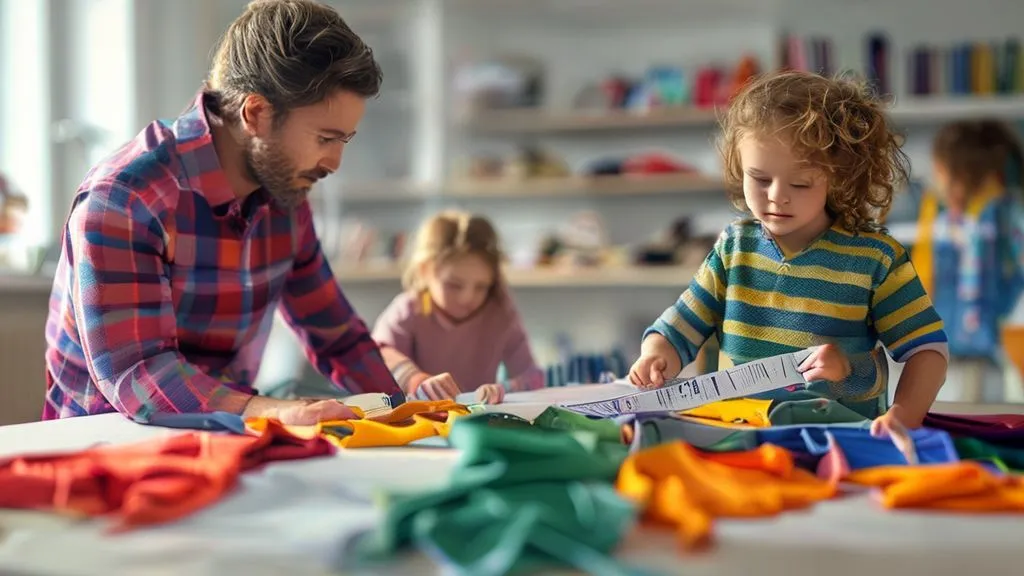
The care label on a garment is your best friend. It provides crucial information about the fabric composition and care instructions. Look for percentages of different fibers to understand blends. For instance, a '60% Cotton / 40% Polyester' blend tells you it will have some of cotton's softness and breathability, combined with polyester's durability and quick-drying properties. Always check for certifications like OEKO-TEX, which are strong indicators of safety and comfort.
The Touch Test: Your Best Tool
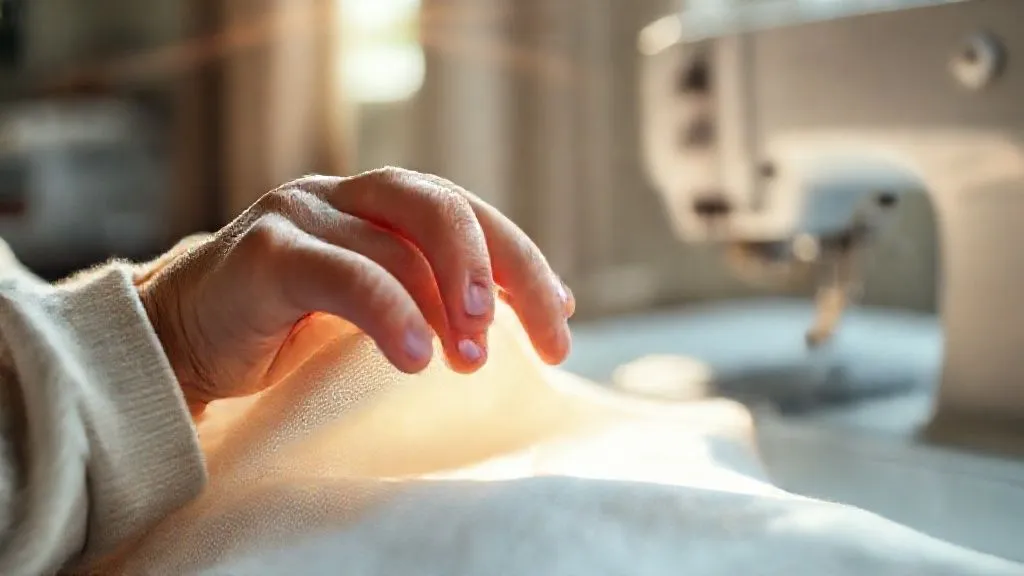
Before buying, always feel the fabric with your hands. If it feels rough, scratchy, or stiff to your touch, it will likely feel the same or worse on your child's sensitive skin. Prioritize fabrics that feel soft, smooth, and pliable. For online shopping, read detailed product descriptions and customer reviews that often comment on fabric feel and comfort.
Considering the Climate and Activity
The ideal fabric also depends on the environment and the child's typical activities. For hot climates or active play, prioritize breathable, moisture-wicking fabrics like cotton, bamboo, or performance synthetics. For colder weather, layered Merino wool, fleece, or heavier cotton knits provide warmth. For sleepwear, prioritize breathable, natural fibers to prevent overheating. Understanding these needs is key to how do I choose comfortable fabrics for kids wear effectively.
Common Mistakes to Avoid When Choosing Kids' Fabrics
Even with the best intentions, parents can sometimes fall into common pitfalls when selecting children's clothing. Being aware of these mistakes can help you make more informed decisions and ensure lasting comfort for your little ones.
Prioritizing Style Over Comfort
It's easy to be swayed by adorable designs, trendy patterns, or miniature versions of adult fashion. However, if a garment looks cute but feels stiff, scratchy, or restrictive, it's unlikely to be worn or enjoyed by your child. Always put comfort and functionality first. A child who is comfortable is a child who can play, learn, and express themselves freely.
Ignoring Care Instructions
Different fabrics require different care. Washing a delicate fabric with harsh detergents or drying it on high heat can degrade its fibers, leading to stiffness, shrinkage, or loss of softness. Always follow the care labels to maintain the fabric's integrity, comfort, and longevity. Proper care ensures the clothing remains as comfortable as it was on day one.
Underestimating the Power of Layers
Instead of relying on one thick, heavy garment, consider dressing your child in layers of comfortable, breathable fabrics. This allows for easy adjustment to temperature changes throughout the day, preventing overheating indoors or providing extra warmth when venturing outside. A base layer of thin cotton or Merino wool, topped with a fleece or cotton sweater, offers versatile comfort.
The Long-Term Benefits of Conscious Fabric Choices
Investing time and thought into selecting comfortable fabrics for your children's wear yields numerous benefits that extend far beyond immediate comfort. These choices contribute positively to their health, happiness, and even environmental sustainability.
Healthier Skin and Fewer Allergies
By choosing hypoallergenic, breathable, and chemical-free fabrics, you significantly reduce the risk of skin irritations, rashes, and allergic reactions. This is particularly crucial for children prone to eczema or sensitive skin, providing them with a protective, gentle layer against the world. According to the American Academy of Pediatrics, protecting a baby's delicate skin is vital for their overall health.
Enhanced Comfort and Mood
A comfortable child is generally a happier, more settled child. When they are not distracted by itchy seams, restrictive fits, or clammy fabrics, they can focus on play, learning, and interacting with their environment. This contributes to better sleep, improved concentration, and a more positive disposition throughout the day.
Sustainable Practices and Longevity
Choosing durable, high-quality fabrics, especially those made from sustainable resources like organic cotton or bamboo, means clothes last longer. This reduces the need for frequent replacements, saving money in the long run and lessening environmental impact. Supporting brands committed to ethical and sustainable textile production also fosters a better future for our children.
Frequently Asked Questions (FAQ)
Is organic cotton truly better for kids? Yes, organic cotton is generally considered better for kids, especially those with sensitive skin or allergies. It's grown without harmful pesticides, synthetic fertilizers, or GMOs, reducing exposure to potential irritants and being more environmentally friendly.
Can synthetic fabrics ever be comfortable for children? Absolutely. Modern synthetic fabrics like performance polyester, nylon, and Lyocell (Tencel™) are engineered to be soft, breathable, and moisture-wicking, making them very comfortable, especially for active wear or specific needs like swimwear. Look for qualities like 'moisture-wicking' and 'breathable' in their descriptions.
How do I know if a fabric is hypoallergenic? While no fabric is 100% hypoallergenic for everyone, certain certifications like OEKO-TEX Standard 100 or GOTS (Global Organic Textile Standard) indicate that the fabric has been tested for harmful substances and is less likely to cause allergic reactions. Natural fibers like organic cotton, bamboo, and silk are also generally well-tolerated.
What's the best fabric for children with eczema? For children with eczema, the softest, most breathable, and non-irritating fabrics are best. Organic cotton, bamboo (rayon from bamboo), and silk are excellent choices due to their natural softness, moisture-wicking properties, and lack of harsh chemical residues. Avoid wool (unless it's fine merino), synthetics that aren't breathable, and fabrics with rough textures.
How often should I check my child's clothing for comfort? Regularly, especially as they grow. What was comfortable last month might be too tight now. Pay attention to their behavior: Are they tugging at clothes, scratching, or seeming restless? Check for red marks on their skin, especially around seams, waistbands, and cuffs. A quick daily check can prevent prolonged discomfort.
Recommended Reading
- Best Sneakers for Walking All Day: Ultimate Comfort Guide
- Best Leggings for Sweaty Workouts: Ultimate Comfort & Performance
- AR Revolution: How is AR Changing Fashion Retail Now? The Future!
- Find Your Perfect Look: Which Iconic Eyeglass Frames Suit My Face Shape?
- Ultimate Guide: Best Men's Skincare Routine for Sensitive Skin
Conclusion
Choosing comfortable fabrics for kids wear is more than just a parental task; it's an act of care that profoundly impacts your child's daily comfort, health, and freedom to explore. By understanding the unique properties of natural and synthetic fibers, recognizing the importance of certifications like OEKO-TEX, and prioritizing fit and construction, you empower yourself to make choices that truly benefit your little ones. Remember, a child dressed in comfortable clothing is a child free to learn, play, and thrive, unhindered by irritation or restriction. Embrace the knowledge shared in this guide, and transform your child's wardrobe into a haven of comfort and joy.


Your email address will not be published. Required fields are marked *