

How is AR Changing Fashion Retail Now? A Deep Dive
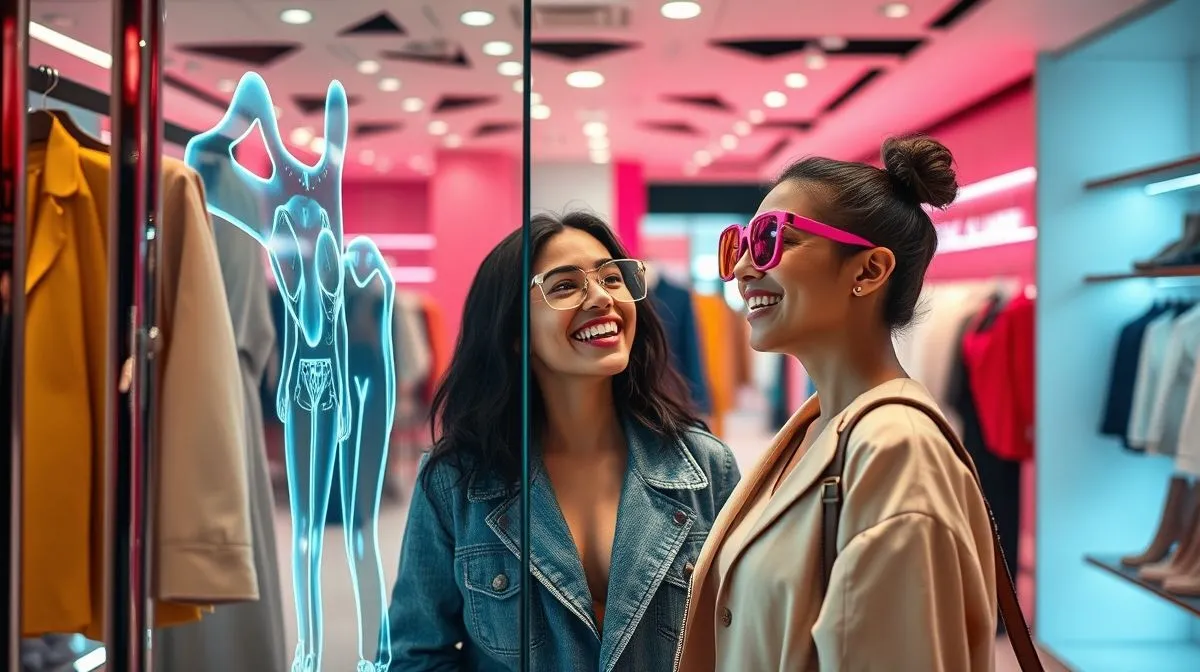
Imagine stepping into a store where you can instantly try on clothes without ever entering a fitting room. What if you could see how furniture looks in your home before you even buy it? This isn't a scene from a sci-fi movie; it's the reality of how Augmented Reality (AR) is revolutionizing the fashion retail landscape.
The question isn't whether AR will impact fashion retail, but how deeply and how quickly. Consumers are demanding more engaging and personalized shopping experiences, and traditional methods are falling short. The limitations of online shopping – the inability to try before you buy, the difficulty in visualizing products in your own space – are significant pain points.
This article will explore the multifaceted ways AR is reshaping fashion retail. From virtual try-ons and personalized styling to enhanced in-store experiences and improved customer engagement, we'll cover the key applications, benefits, and potential challenges of AR in fashion. By the end, you'll understand how is AR changing fashion retail now and its implications for the future of shopping.
Virtual Try-On: The AR Game Changer
The Power of Seeing is Believing
The most prominent application of AR in fashion retail is the virtual try-on. Using smartphone cameras or dedicated in-store kiosks, customers can overlay digital images of clothing, accessories, and even makeup onto their own bodies or faces. This provides a realistic preview of how the product would look in real life, significantly reducing the uncertainty associated with online purchases.
Several brands have already successfully implemented virtual try-on experiences. For example, Sephora's Virtual Artist app allows users to virtually try on makeup products, while Warby Parker offers a virtual try-on feature for eyeglasses. These experiences have not only increased customer engagement but have also led to higher conversion rates and reduced return rates.
Benefits of Virtual Try-On
- Increased Sales: By providing a more realistic and engaging shopping experience, virtual try-on can significantly boost sales conversions.
- Reduced Returns: The ability to virtually try on products reduces the likelihood of customers being dissatisfied with their purchase and returning it.
- Enhanced Customer Engagement: Virtual try-on is a fun and interactive experience that keeps customers engaged and coming back for more.
- Data Collection: AR applications can collect valuable data about customer preferences and behavior, which can be used to personalize the shopping experience further.
AR-Powered Personalized Styling
Beyond Virtual Try-On: Tailored Recommendations
AR is not just about virtual try-ons; it's also about providing personalized styling recommendations. By analyzing customer data, such as body type, skin tone, and preferred styles, AR applications can suggest clothing and accessories that are most likely to appeal to individual customers.
Imagine an AR-powered mirror in a store that not only allows you to virtually try on clothes but also suggests complementary items based on your existing wardrobe. This level of personalization can significantly enhance the shopping experience and increase customer loyalty.
Examples of Personalized Styling with AR
- AI-Powered Style Assistants: Some companies are developing AI-powered style assistants that use AR to provide personalized styling advice based on real-time feedback from customers.
- Virtual Wardrobe Management: AR applications can help customers manage their virtual wardrobes by allowing them to see how different items look together and receive recommendations for new outfits.
- Personalized Product Recommendations: Based on a customer's past purchases and browsing history, AR applications can suggest products that are most likely to be of interest.
Enhancing the In-Store Experience with AR
Bringing the Digital World to the Physical Store
While AR is often associated with online shopping, it also has the potential to transform the in-store experience. By integrating AR into physical stores, retailers can create more engaging and informative shopping environments.
For example, an AR-powered mirror could provide additional information about a product, such as its materials, manufacturing process, or care instructions. Customers could also use AR to scan products and access customer reviews or compare prices with other retailers.
Use Cases for AR in Physical Stores
- Interactive Product Displays: AR can be used to create interactive product displays that allow customers to explore products in a more engaging way.
- Virtual Store Tours: AR can provide virtual tours of stores, allowing customers to see what's available before they even enter the building.
- Wayfinding and Navigation: AR can help customers navigate through large stores and find the products they're looking for.
AR for Marketing and Advertising in Fashion
Engaging Customers in New Ways
AR offers exciting new possibilities for marketing and advertising in the fashion industry. Brands can use AR to create interactive advertisements, virtual pop-up shops, and engaging social media campaigns.
For example, a brand could create an AR filter that allows users to virtually try on their products and share photos with their friends on social media. This type of campaign can generate significant buzz and increase brand awareness.
Examples of AR Marketing Campaigns
- Virtual Pop-Up Shops: Brands can create virtual pop-up shops that allow customers to browse and purchase products from anywhere in the world.
- Interactive Advertisements: AR can be used to create interactive advertisements that allow customers to engage with products in a more meaningful way.
- Social Media Filters: Brands can create AR filters that allow users to virtually try on their products and share photos with their friends on social media.
Overcoming the Challenges of AR Implementation
Navigating the Technological Hurdles
While AR offers numerous benefits for fashion retail, there are also several challenges that retailers need to overcome in order to successfully implement AR solutions. These challenges include the cost of development, the need for accurate 3D models, and the potential for technical glitches.
According to a report by Deloitte, the cost of developing an AR application can range from a few thousand dollars to several million dollars, depending on the complexity of the application. It's crucial to have a solid plan and budget before embarking on an AR project.
Addressing Privacy Concerns
Another important consideration is privacy. AR applications often require access to customer data, such as facial features and body measurements. Retailers need to be transparent about how they are collecting and using this data and ensure that they are complying with all relevant privacy regulations. Consumers are increasingly concerned about data privacy, as noted in a Pew Research Center study [1].
The Future of Fashion Retail with AR
A Seamless Blend of Physical and Digital
The future of fashion retail is likely to be a seamless blend of physical and digital experiences. AR will play a key role in bridging the gap between online and offline shopping, creating more engaging and personalized experiences for customers. We can expect to see more AR-powered mirrors, personalized styling recommendations, and interactive product displays in stores. As technology evolves, AR glasses could become commonplace, offering an even more immersive shopping experience, as discussed in this article by Forbes [2].
Additionally, AR will likely become more integrated with other technologies, such as artificial intelligence (AI) and machine learning (ML). This will enable retailers to provide even more personalized and relevant recommendations to customers.
The Impact on Sustainability
AR also has the potential to contribute to a more sustainable fashion industry. By reducing the need for physical samples and returns, AR can help to minimize waste and reduce the environmental impact of fashion retail. The Environmental Protection Agency (EPA) highlights the environmental benefits of reducing waste [3].
Frequently Asked Questions (FAQ)
What is Augmented Reality (AR)? Augmented Reality (AR) is a technology that overlays digital information onto the real world. It can be accessed through smartphones, tablets, or dedicated AR devices.
How does AR benefit fashion retailers? AR can increase sales, reduce returns, enhance customer engagement, and provide valuable data about customer preferences.
What are the challenges of implementing AR in fashion retail? The challenges include the cost of development, the need for accurate 3D models, and privacy concerns.
Will AR replace physical stores? It is unlikely that AR will completely replace physical stores. Instead, it will likely complement and enhance the in-store experience.
How secure is my data when using AR apps? That depends on the app. Always read the privacy policy of the app you are using to understand how your data is collected, used, and protected.
Recommended Reading
- Fashion Campaign Photo Shoot Planning Tips: The Ultimate Guide
- Unlock Style & Comfort: Adapting Fashion Footwear for Comfortable Orthotic Use
- 1950s Dress Styles: Find Your Perfect Fit for Any Body Type!
- Ultimate Guide: Best Men's Wallet Styles For Minimalist Carry
- Are Virtual Fashion Shows Eco-Friendly? The Surprising Truth Revealed
Conclusion
How is AR changing fashion retail now? The answer is profoundly and pervasively. AR is no longer a futuristic concept; it's a present-day reality that is transforming the way people shop for clothes and accessories. From virtual try-ons and personalized styling to enhanced in-store experiences and innovative marketing campaigns, AR offers a wealth of opportunities for fashion retailers to engage with customers and drive sales. While there are challenges to overcome, the potential benefits of AR are too significant to ignore. Embracing AR can help fashion retailers create more engaging, personalized, and sustainable shopping experiences for their customers. The future of fashion retail is here, and it's augmented.


Your email address will not be published. Required fields are marked *