

How to Prevent Fit Discrepancies from Digital Custom Clothing Patterns?
For over two decades in the dynamic world of fashion technology, I’ve witnessed the incredible evolution from hand-drawn patterns to sophisticated 3D digital models. Yet, despite these advancements, a persistent challenge continues to plague custom apparel brands: the dreaded fit discrepancy. It’s a problem that can undermine customer trust, inflate return rates, and erode profitability, even for the most innovative companies.
The promise of digital custom clothing patterns is undeniable – speed, scalability, and personalization. However, the reality often falls short when the beautifully rendered digital garment doesn't translate into a perfectly fitting physical product. This gap between digital aspiration and physical execution is where many businesses falter, leaving customers frustrated and businesses scrambling.
Today, I want to share the accumulated wisdom from my journey through this complex landscape. We’ll delve into the core reasons why digital patterns go awry and, more importantly, I’ll equip you with seven actionable strategies, frameworks, and real-world insights to definitively prevent fit discrepancies from digital custom clothing patterns. This isn't just about understanding the problem; it's about implementing robust solutions that guarantee precision and elevate your brand's reputation for impeccable custom fit.
The Root Cause: Understanding Digital Pattern Imperfections
Before we can fix a problem, we must understand its origins. Fit discrepancies in digital custom clothing patterns rarely stem from a single error; they are often a confluence of issues across the entire digital design and production pipeline. I've seen countless companies invest heavily in shiny new software only to overlook fundamental process flaws.
These imperfections can arise from inaccurate data acquisition, software misinterpretations, or a lack of robust validation. It's a chain reaction, where a small error early on can compound into a significant fit issue by the time the garment reaches the customer. Pinpointing these weak links is the first critical step toward prevention.
Data Acquisition & Body Scanning Challenges
The foundation of any custom digital pattern is accurate body data. Whether derived from customer measurements, online questionnaires, or advanced 3D body scanning, the quality of this initial data is paramount. I've observed that even with cutting-edge 3D scanners, issues like calibration drift, inconsistent scanning postures, or environmental interference can introduce subtle but significant inaccuracies. These minute deviations can lead to patterns that are slightly off, resulting in garments that pinch, sag, or simply don't drape correctly.

Software Interpretation & Pattern Generation Flaws
Once body data is acquired, it's fed into CAD (Computer-Aided Design) software to generate the pattern. This is where algorithms translate 3D body shapes into 2D pattern pieces. Here, the complexity lies in the software's ability to interpret unique body contours and apply garment design rules consistently. I've seen instances where default grading rules, not tailored to specific body types or garment styles, lead to disproportionate pattern scaling. Furthermore, the human element – the pattern maker's skill in manipulating the software and understanding digital pattern making nuances – plays a crucial role. A misclick or a misunderstanding of a software function can easily introduce an error that propagates through the entire pattern.
Strategy 1: Mastering 3D Body Scanning & Data Capture for Unrivaled Accuracy
The cornerstone of preventing fit discrepancies from digital custom clothing patterns is impeccable data. In my experience, relying solely on self-reported measurements is a recipe for disaster. Investing in and mastering 3D body scanning technology is no longer a luxury but a necessity for true custom apparel.
However, simply owning a scanner isn't enough; its effective deployment requires rigorous protocols. The precision of the initial data capture directly correlates with the accuracy of your final pattern. This is where the digital journey for a perfect fit truly begins.
- Calibrate Regularly: Treat your 3D body scanner like any precision instrument. Establish a strict calibration schedule – daily or weekly, depending on usage – to ensure consistent accuracy. Document each calibration.
- Standardize Posture & Environment: Develop clear, visual guidelines for scanning posture. Ensure subjects stand in a neutral, consistent pose. Control environmental factors like lighting and temperature, as these can affect scanner performance.
- Multiple Scans & Data Averaging: For critical custom orders, consider performing two or three scans of the same individual and averaging the measurements. This helps to mitigate minor positional shifts or transient errors.
- Manual Validation Checkpoints: Even with automated scanning, implement manual checkpoints. Have a trained technician visually compare scan data against key manual measurements (e.g., waist, chest, hip circumference) to catch gross errors.
- Integrate with Anthropometric Databases: Cross-reference your scan data with established anthropometric databases to identify outliers or potential data entry errors. This adds an extra layer of validation. For deeper insights into advanced body scanning, you might explore research on 3D body scanning technologies and their impact on the fashion industry.
Strategy 2: The Art and Science of Digital Pattern Validation & Prototyping
Once you have accurate body data and an initial digital pattern, the next critical step is rigorous validation. This is where you move beyond static 2D patterns and begin to simulate how the garment will behave in the real world. I've often seen companies rush this stage, only to face costly revisions later.
Effective digital validation means leveraging advanced software to virtually 'try on' the garment and iterate on the design before a single piece of fabric is cut. This proactive approach is a game-changer for preventing fit discrepancies from digital custom clothing patterns.
Virtual Fitting & Simulation Software
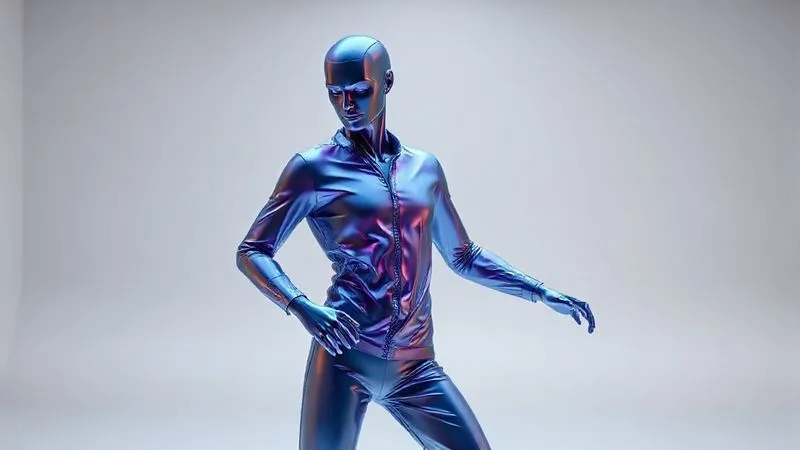
Modern 3D virtual fitting software allows designers to drape patterns onto digital avatars derived from actual body scans. This isn't just about aesthetics; it's a powerful tool for analyzing fit, drape, and movement. You can identify areas of tension, gaping, or excessive fabric. The ability to visualize these issues in a simulated environment saves immense time and resources compared to traditional physical prototyping cycles.
Iterative Design & Feedback Loops
The beauty of virtual prototyping lies in its iterative nature. Designers can make adjustments to the digital pattern – tweaking seam lines, adjusting darts, or modifying grading – and immediately see the impact on the virtual garment. This rapid feedback loop allows for multiple design iterations in a fraction of the time. I advocate for a structured approach to this validation, using checklists to ensure every aspect of fit is considered.
| Validation Checkpoint | Virtual Status | Adjustment Needed |
|---|---|---|
| Shoulder Fit | Good | None |
| Bust/Chest Gaping | Minor | Dart adjustment |
| Waist Ease | Tight | Add 1cm ease |
| Sleeve Length | Good | None |
| Hem Line Evenness | Good | None |
Strategy 3: Leveraging AI and Machine Learning for Predictive Fit Adjustments
The next frontier in addressing fit discrepancies from digital custom clothing patterns lies in artificial intelligence and machine learning. These technologies are not just buzzwords; they represent a paradigm shift in how we approach fit, moving from reactive adjustments to proactive, predictive solutions. I've seen firsthand how AI can refine patterns with a level of nuance and speed that human expertise alone cannot match.
Predictive Analytics for Common Fit Issues
Imagine an AI system that analyzes thousands of body scans, pattern adjustments, and customer feedback data. Over time, it learns to identify correlations between specific body shapes and common fit problems (e.g., a certain shoulder slope often requires a specific sleeve cap adjustment). This predictive capability allows the system to suggest optimal pattern modifications *before* the first virtual prototype is even generated, significantly reducing the iteration cycle and improving first-time fit accuracy.
Personalization at Scale
AI's true power lies in its ability to personalize. For custom clothing, this means moving beyond simple size grading to truly adapt patterns for unique body morphologies. An AI model can take a base pattern and, based on an individual's precise 3D body scan, generate a highly optimized pattern that accounts for asymmetries, posture variations, and specific aesthetic preferences. This level of granular personalization is impossible without advanced algorithms.
Case Study: How FitPerfect AI Revolutionized Custom Suit Production
FitPerfect AI, a fictional startup specializing in custom suits, faced significant fit discrepancy challenges in their initial digital pattern generation. Their returns due to fit issues were hovering around 25%, eating into their margins and damaging their brand reputation. By integrating an AI-powered pattern adjustment engine, which learned from over 10,000 historical custom orders and fit feedback, they achieved remarkable results. The AI was trained to predict optimal dart placements, shoulder slope adjustments, and sleeve pitches based on individual body scans. Within six months, FitPerfect AI reduced their fit-related returns by 70%, boosting customer satisfaction and significantly cutting production costs. This resulted in a 15% increase in repeat customer purchases and a stronger market position as a leader in precision custom tailoring.
Strategy 4: Implementing Robust Quality Control and Feedback Mechanisms
Even with the most advanced digital tools, the journey from digital pattern to physical garment is not without its potential pitfalls. A comprehensive strategy to prevent fit discrepancies from digital custom clothing patterns must include robust quality control at every stage, culminating in a critical feedback loop from the end-user. This is where the digital meets the physical, and real-world validation becomes indispensable.
Physical Prototyping & Wearer Trials
While virtual prototyping is incredibly powerful, it cannot entirely replace the need for physical samples, especially for complex designs or new fabrications. A physical prototype allows for assessment of drape, hand-feel, and how the fabric truly interacts with the body under movement. I always advise brands to conduct wearer trials with a diverse group of individuals to capture a wide range of body types and movement patterns.
- Targeted Prototyping: Focus physical prototypes on new designs, challenging body types, or when introducing new materials.
- Diverse Wearer Panel: Don't just use standard models. Recruit a diverse panel that reflects your actual customer base in terms of size, shape, and age.
- Structured Feedback Forms: Provide detailed feedback forms that guide wearers to assess specific fit points, comfort, and movement. Use a rating scale alongside open-ended comments.
- Video Analysis: Record wearers moving in the garment. This offers invaluable insight into how the garment performs dynamically, revealing issues not apparent in static poses.
Post-Purchase Feedback & Data Analysis
The ultimate test of fit is customer satisfaction after purchase. Establishing a systematic way to collect and analyze post-purchase feedback is crucial. This data, whether from returns, surveys, or direct customer service interactions, provides critical insights into recurring fit problems and helps refine your digital pattern library. Treat every return as a learning opportunity.
| Feedback Category | Frequency | Pattern Adjustment Implication |
|---|---|---|
| Too Tight | High | Increase ease in specific areas |
| Too Loose | Medium | Reduce ease/take-up seams |
| Length Issues | Medium | Adjust hem/sleeve length grading |
| Uneven Hem | Low | Check pattern balance/fabric cut |
Actively soliciting feedback, even from satisfied customers, can uncover subtle preferences that lead to even better fit. For more on the power of customer feedback in product development, see this Harvard Business Review article on consumer engagement.
Strategy 5: Standardizing Measurement Protocols and Digital Pattern Libraries
Consistency is key to preventing fit discrepancies from digital custom clothing patterns. In my experience, a significant source of error often lies in a lack of standardized procedures and an unorganized digital asset library. When every pattern maker or technician operates with slightly different interpretations of measurements or pattern rules, inconsistencies are inevitable.
Establishing clear, universal protocols and maintaining a meticulously organized, validated digital pattern library are foundational steps. This ensures that every pattern, regardless of who created it or when, adheres to the same high standards of precision.
Developing Internal Measurement Standards
It's not enough to just take measurements; *how* those measurements are taken must be standardized. Create a detailed internal manual outlining:
- Specific Measurement Points: Clearly define where each measurement should be taken (e.g., 'natural waist' vs. 'smallest waist').
- Tools & Techniques: Specify the exact measuring tools to be used (e.g., flexible tape, laser measurer) and the precise technique (e.g., 'snug but not tight').
- Posture & Reference Points: Provide visual guides for consistent posture during measurement and clear anatomical reference points.
- Training & Certification: Ensure all personnel involved in data capture are trained and certified on these standards.
Curating a Calibrated Digital Pattern Library
Your digital pattern library should be a living, breathing repository of validated assets. This means:
- Version Control: Implement robust version control for all patterns. Every adjustment, every iteration, should be tracked and documented.
- Clear Metadata: Each pattern should have comprehensive metadata including the body block it was derived from, fit intent, target body type, and any specific design considerations.
- Performance Metrics: Incorporate data on the 'first-time fit' success rate for each pattern. Patterns with higher discrepancy rates should be flagged for review and improvement.
- Regular Audits: Periodically audit your pattern library to ensure all assets are current, accurate, and aligned with your latest fit standards.
Strategy 6: Upskilling Your Team: The Human Element in Digital Precision
Technology, no matter how advanced, is only as effective as the people wielding it. In my decades in fashion tech, I've seen state-of-the-art software underutilized or misused due to a lack of investment in human capital. The human element remains absolutely critical in preventing fit discrepancies from digital custom clothing patterns.
Your team needs to possess a blend of traditional pattern-making knowledge, technical software proficiency, and a deep understanding of anthropometry and garment construction. This blend of skills ensures that digital tools are used intelligently, not just mechanically.
Training on Advanced CAD Software
Continuous training is non-negotiable. Digital pattern-making software is constantly evolving, introducing new features and capabilities. Your team needs to be proficient not just in basic functions but in advanced features like 3D draping, virtual simulation, and parametric pattern design. Regular workshops, certification programs, and access to online learning resources are essential.
Understanding Anthropometry & Garment Construction
While software automates many tasks, the underlying principles of good fit and garment construction remain timeless. Pattern makers need to understand:
- Human Anatomy & Movement: How different body shapes affect drape and fit, and how garments need to accommodate movement.
- Fabric Properties: How different fabrics behave (stretch, drape, recovery) and how this impacts pattern design.
- Construction Techniques: How seams, darts, and closures influence the final fit and aesthetic.
The most sophisticated software is merely a tool; true precision comes from the expert hands and informed minds wielding it. Investing in your team's knowledge is investing in your product's quality.
Strategy 7: Building a Collaborative Ecosystem with Tech Providers and Customers
In today's interconnected world, no single entity operates in isolation. To truly excel at preventing fit discrepancies from digital custom clothing patterns, you must foster a collaborative ecosystem that extends beyond your internal team. This involves strategic partnerships with technology providers and an active engagement with your customer base.
Partnering for Innovation
Stay connected with your CAD software providers, 3D body scanning manufacturers, and other fashion tech innovators. Provide them with direct feedback on challenges you face and features you need. Often, these companies are eager to co-develop solutions that address real-world problems. Participating in beta programs or advisory boards can give you early access to cutting-edge tools that can give you a competitive edge. Explore industry trends and collaborations in fashion tech through platforms like The Business of Fashion.
Engaging Customers in the Fit Process
Your customers are your ultimate fit experts. Involve them in the process where appropriate. This could mean:
- Clear Communication: Educate customers on how to provide accurate self-measurements if needed, or what to expect from a body scan.
- Fit Preference Profiles: Allow customers to specify their preferred fit (e.g., 'snug,' 'relaxed,' 'tailored') beyond standard measurements.
- Beta Testing Programs: Invite loyal customers to participate in beta tests for new custom products, gathering their invaluable feedback before full launch.
- Transparent Feedback Channels: Make it easy for customers to provide detailed fit feedback, and show them how their input leads to improvements.
Frequently Asked Questions (FAQ)
How often should I recalibrate my 3D body scanner? I recommend a minimum of weekly calibration for high-volume usage, and always after any physical relocation or software update. Daily spot checks with a known reference object are also a good practice to catch minor drifts early. Documentation of each calibration is crucial for maintaining a reliable audit trail.
Can AI truly eliminate the need for physical prototypes? While AI and virtual prototyping significantly reduce the *number* of physical prototypes needed, they don't entirely eliminate them, especially for complex garments, new fabric types, or when fine-tuning the final drape and feel. AI excels at predicting and correcting common fit issues, but the tactile experience and dynamic performance in the real world still often warrant a physical sample, particularly for high-end custom apparel.
What's the biggest mistake companies make with digital patterns? The biggest mistake I've observed is treating digital patterns as a purely technical exercise, disconnected from the art of garment making. Companies often fail to integrate traditional pattern-making expertise with digital proficiency, leading to patterns that are technically correct but lack the nuanced fit and aesthetic appeal that comes from an understanding of fabric, drape, and the human form. Neglecting continuous team training is also a major pitfall.
How do I ensure data privacy with body scans? Data privacy is paramount. Implement robust encryption for all body scan data, store it on secure, access-controlled servers, and anonymize data whenever possible for analytical purposes. Clearly communicate your privacy policy to customers, explaining how their data is used and protected. Adherence to GDPR, CCPA, and other relevant data protection regulations is non-negotiable. Consider tokenization of data to further enhance security.
What's the ROI of investing in advanced fit tech? The ROI is substantial and multi-faceted. It includes a significant reduction in returns due to fit issues (saving on shipping, rework, and waste), increased customer satisfaction and loyalty, faster time-to-market for new custom products, and reduced costs associated with physical prototyping. Beyond direct cost savings, it builds a reputation for precision and innovation, which can be invaluable in a competitive market. Many companies see a full ROI within 1-2 years through reduced operational costs and increased sales.
Key Takeaways and Final Thoughts
- Data is King: Master 3D body scanning and data capture with rigorous protocols.
- Validate Virtually: Leverage virtual fitting and simulation software for iterative design.
- Embrace AI: Utilize AI and machine learning for predictive and personalized pattern adjustments.
- Quality Control Matters: Implement robust physical prototyping and post-purchase feedback loops.
- Standardize Everything: Develop clear measurement protocols and curate a calibrated digital pattern library.
- Invest in Your Team: Continuously upskill your team in both digital tools and traditional garment knowledge.
- Collaborate Widely: Partner with tech providers and engage customers in your fit journey.
Preventing fit discrepancies from digital custom clothing patterns isn't an overnight fix; it's a commitment to precision, continuous improvement, and a holistic approach that integrates technology with human expertise. By systematically implementing these seven strategies, you're not just solving a problem; you're building a foundation for unparalleled customer satisfaction and a reputation for delivering perfectly fitted, custom apparel every single time. The future of fashion is personalized, and the brands that master fit will undoubtedly lead the way.
Recommended Reading
- 7 Steps to Identify Truly Sustainable Textile Suppliers & Avoid Greenwashing
- The Ultimate Guide: How to Prevent Cashmere Scarf Pilling Issues Forever
- The ROI Blueprint: Proving Predictive Analytics Cuts Fashion Waste by 20%+
- 7 Proven Ways to Distinguish Rare Vintage from Reproductions
- 7 Proven Strategies: Cutting Recycled Material Costs in Fashion?





Your email address will not be published. Required fields are marked *