

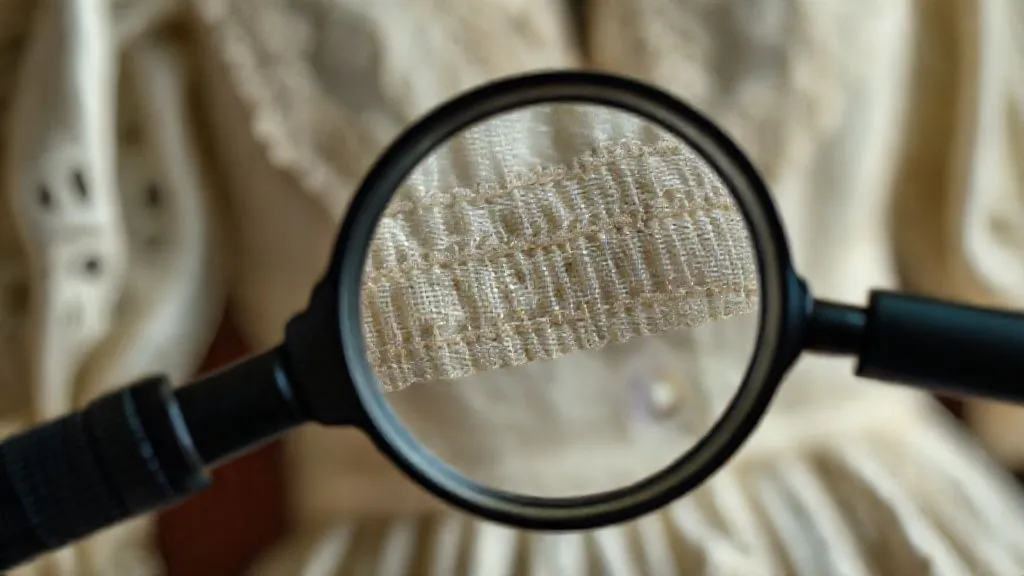
How to Distinguish Rare Vintage Pieces from Common Reproductions?
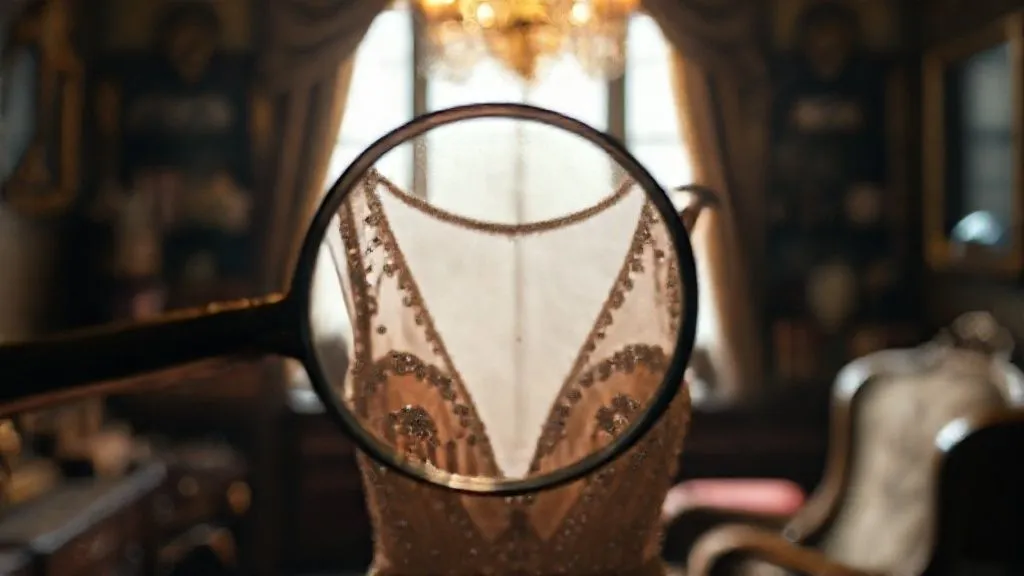
For over two decades in the vintage fashion industry, I've seen countless enthusiasts, from eager newcomers to seasoned collectors, fall prey to the allure of a 'vintage' piece that, upon closer inspection, turns out to be a clever reproduction. It's a mistake I've even made myself in my early days, a stark reminder that even the most discerning eye can be fooled without a foundational understanding of authenticity.
The marketplace is flooded with items marketed as vintage, but many are simply 'vintage-inspired' or outright fakes. This can lead to significant financial loss, but more importantly, it diminishes the joy of collecting and understanding genuine fashion history. The thrill of discovering a true treasure, a garment that carries stories from a bygone era, is unparalleled.
In this definitive guide, I will share my accumulated wisdom, offering you actionable frameworks and expert insights honed over years of handling, researching, and authenticating historical garments. You'll learn the subtle yet critical tells that differentiate a rare vintage gem from a common reproduction, empowering you to make informed decisions and build a truly authentic collection.
The Foundation: Defining Vintage, Antique, and Reproduction
Before we delve into the nitty-gritty of authentication, it's crucial to establish a common language. The terms 'vintage,' 'antique,' and 'reproduction' are often used interchangeably, leading to widespread confusion.
What Exactly is 'Vintage'?
In the fashion world, a piece is generally considered vintage if it is at least 20 years old but less than 100 years old. It should reflect the style and trends of the era it was produced. For example, a garment from 2004 would technically be vintage today. However, the true value and rarity often begin around the 1980s and earlier, as mass production became more prevalent post-1970s.
Antique, on the other hand, refers to items that are 100 years old or older. These are often rarer and can command higher prices due to their age and historical significance. Think of a flapper dress from the 1920s; it's now officially an antique.
The Allure and Peril of Reproductions
A reproduction is a newly made item designed to look like an older piece. This can range from a high-quality, ethically produced 'vintage-inspired' garment that makes no claims of authenticity, to a deliberate counterfeit intended to deceive. The latter is where the danger lies. These pieces can be incredibly convincing, incorporating aged fabrics, specific design elements, and even faux labels to mimic genuine articles.
Fabric and Material Science: The First Line of Defense
One of the most immediate and telling indicators of a garment's age is its fabric. Textile technology has evolved dramatically over the decades, and understanding these changes is paramount.
Natural Fibers vs. Early Synthetics
Prior to the mid-20th century, natural fibers dominated the fashion landscape: cotton, wool, linen, and silk. These fabrics often have a distinct handfeel, drape, and even smell. Early synthetics like rayon (introduced in the early 1900s) and nylon (1930s-1940s) have unique characteristics. Acetate, acrylic, and polyester became more common in the 1950s and 60s. If you encounter a garment claiming to be 1930s but made of 100% crisp polyester, it's an immediate red flag.
I've often found that the texture of truly old natural fibers is different. For instance, vintage wools can feel denser, less processed than modern counterparts, and vintage silks often possess a unique, slightly uneven slub and a richer lustre that mass-produced silks struggle to replicate. According to textile historians at the Metropolitan Museum of Art's Costume Institute, the evolution of spinning and weaving techniques significantly altered fabric characteristics over time.
Weave, Drape, and Handfeel: Sensory Cues
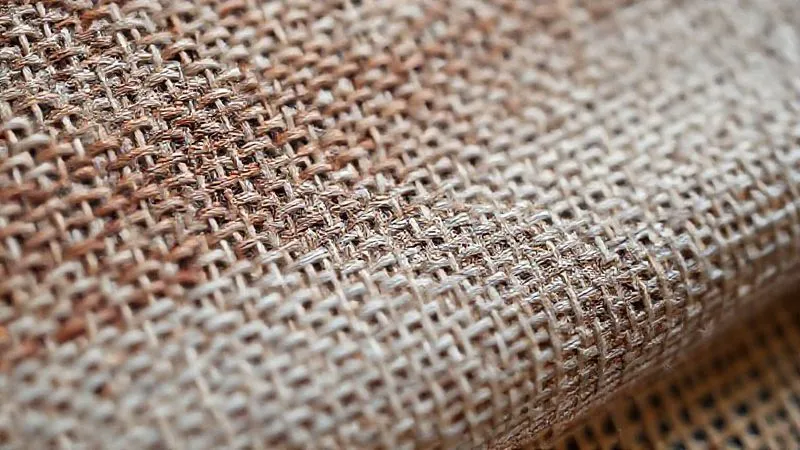
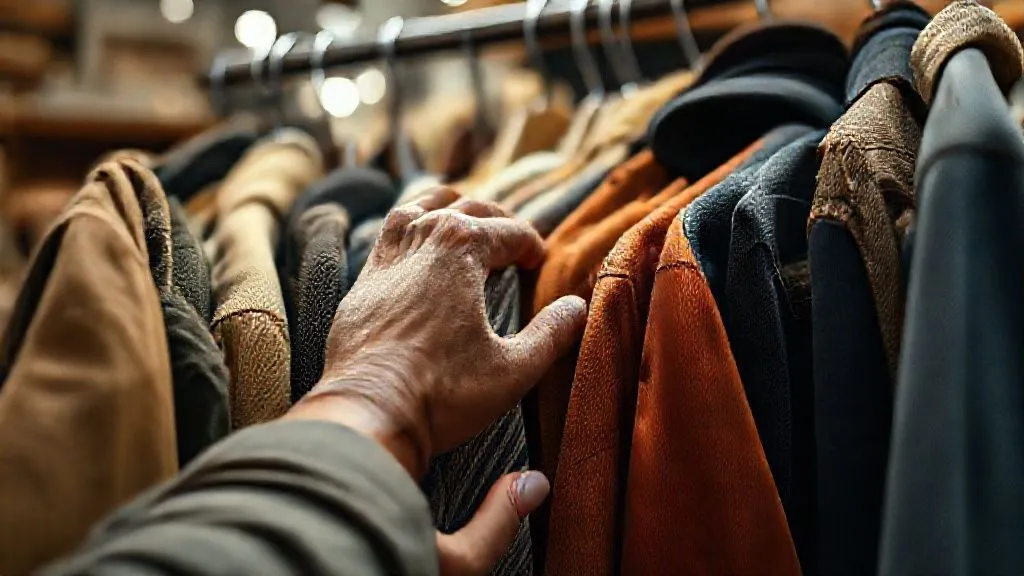
Pay close attention to the weave of the fabric. Older fabrics often exhibit slight irregularities or a more artisanal quality compared to the uniform precision of modern machine weaves. How does the fabric drape? Natural fibers tend to have a softer, more fluid drape than many modern synthetics. The 'handfeel'—how it feels to the touch—is also crucial. Is it surprisingly soft for its age, or does it have the crispness of a fabric that hasn't endured decades of wear and washing?
Construction and Craftsmanship: Stitches Tell Tales
The way a garment is constructed reveals a wealth of information about its age and authenticity. Manufacturing processes have undergone radical shifts, from largely hand-sewn to fully automated.
Hand-Finishing vs. Machine Production
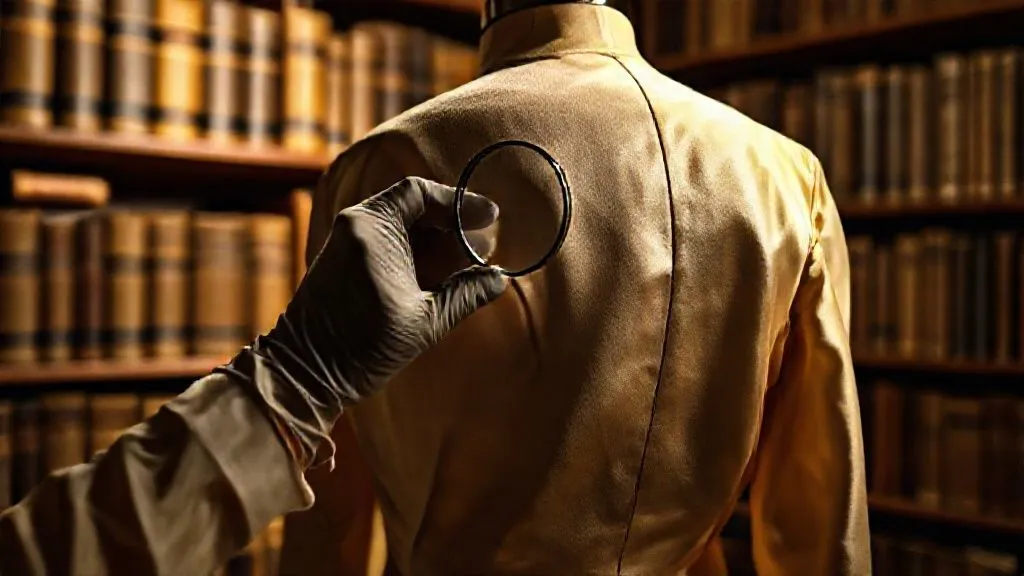
Older garments, especially those pre-1950s, often feature significant amounts of hand-finishing. Look for hand-stitched hems, buttonholes, and intricate details. While machines were used, the final touches often required human hands. As industrialization progressed, machine stitching became more dominant and uniform. Reproductions might mimic hand-stitching in visible areas, but often neglect the interior finishing.
Actionable Steps for Inspection:
- Examine Seams: Are they evenly pressed? Are they finished with a serger (overlocker)? Sergers became common in the 1960s and widespread in the 70s. Earlier garments might have pinked seams, bound seams, or simply raw edges that show wear.
- Check Hems: Are they hand-stitched with small, almost invisible stitches? Or are they machine-stitched with a visible, consistent stitch line?
- Lining Quality: Vintage linings, especially in higher-end pieces, are often made of natural fibers like silk or rayon. Modern reproductions might use cheaper synthetic linings that feel different.
Seams, Hems, and Linings: The Interior Story
The interior of a garment is often its most honest part. Mass-produced modern garments prioritize speed and cost-efficiency, often using overlocked seams throughout. Genuine vintage pieces, particularly from earlier eras, will show more varied and labor-intensive finishing techniques. This table offers a quick guide:
| Era | Stitch Type | Finishing |
|---|---|---|
| Pre-1920s | Hand-stitched seams, irregular | Raw edges, minimal serging |
| 1920s-1940s | Early machine stitching, some hand-finishing | Bias binding, pinked seams |
| 1950s-1960s | Consistent machine stitching, nascent overlocking | Clean finishes, some serging |
| 1970s-Present | Advanced machine stitching, extensive overlocking | Industrial serging, synthetic linings |
Hardware and Fastenings: The Evolution of Function
Zippers, buttons, snaps, and buckles are often overlooked, but they are incredibly reliable indicators of a garment's age. Their design, material, and manufacturing marks evolve consistently over time.
Zippers: A Timeline of Innovation
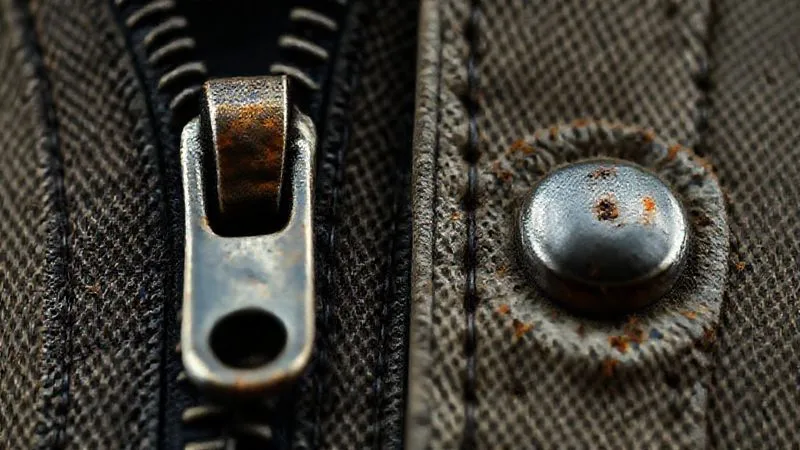
Zippers are perhaps the most definitive dating tool. Early zippers (pre-1930s) were often chunky and made of heavy brass or nickel. Companies like Talon and Crown dominated the market. Look for specific brand names stamped on the pull tab or the zipper body. Plastic zippers didn't become widely common until the 1960s, and even then, their appearance and construction differed significantly from modern plastic zippers. If a garment claims to be 1940s but features a fine-toothed nylon coil zipper, it's almost certainly a reproduction or has been altered.
Buttons, Snaps, and Buckles: Materials and Markings
Buttons: Materials like Bakelite, casein, and mother-of-pearl were popular in earlier decades. Plastic buttons were common post-1940s but often had a different feel and look than modern plastics. Buttons can also be branded, providing another clue. For example, specific types of shank buttons or glass buttons were characteristic of certain eras.
Snaps: Early snaps were often made of metal, sometimes with a specific brand name stamped on them (e.g., 'DOT' or 'Gripper'). The way they are attached (sewn vs. riveted) can also offer clues.
Buckles: Look at the material (metal, Bakelite, wood) and the design. Many buckles are characteristic of certain decades. For instance, large, ornate plastic buckles were a hallmark of some 1940s and 50s designs.
Labels, Tags, and Markings: The Provenance Puzzle
Labels are a goldmine of information, but they are also the easiest element for counterfeiters to fake. A deep understanding of label evolution is critical when learning how to distinguish rare vintage pieces from common reproductions.
Manufacturer Labels: Fonts, Fabrics, and Locations
Researching historical labels is an art form. Brands change their logos, fonts, and even the materials of their labels over time. For example, early labels were often woven from silk or cotton, while later ones might be printed on synthetic satin. Look for:
- Font and Typography: Are they consistent with the alleged era?
- Brand Name Variations: Did the company operate under a different name in that period?
- Location Information: Does it list a city or country of origin that matches the brand's history?
- Label Attachment: How is it sewn into the garment? Early labels might be hand-stitched or sewn in with a specific machine stitch.
Care Tags and Union Labels: Tracing Origins
Care tags (washing instructions, fabric content) are a relatively modern invention, becoming standardized in the U.S. in the 1970s. If a garment claiming to be from the 1950s has a detailed care tag, it's highly suspicious. Similarly, union labels (like ILGWU in the U.S.) can provide precise date ranges for garment production. These small fabric tags, often found tucked into a side seam, can be invaluable for dating.
Case Study: The 'Chanel' Tweed Suit
I once encountered a buyer who was about to pay a substantial sum for what was advertised as a "1960s Chanel tweed suit." The tweed looked authentic, and the buttons were period-appropriate. However, a closer look at the inner label revealed a modern font that didn't match known Chanel labels from the 1960s. Furthermore, the zipper, while metal, was a generic brand and style that became common in the late 1980s. The final nail in the coffin was the care tag, detailing modern washing instructions and fabric blends not typical of Chanel's couture pieces from that era. It was a very well-made 1990s reproduction, designed to evoke the classic Chanel aesthetic, but certainly not a genuine vintage article. This resulted in the buyer avoiding a costly mistake by understanding the specific historical details of labels and hardware.
"The label is the garment's ID card, but like any ID, it can be forged. Always cross-reference its details with established historical archives, not just your gut feeling."
Silhouette, Style, and Design: Epochal Echoes
Fashion history is cyclical, but each era leaves an indelible mark on silhouettes, proportions, and design elements. Understanding these nuances is key to authenticating.
Understanding Era-Specific Aesthetics
Every decade has its defining look: the dropped waists of the 1920s, the broad shoulders and nipped waists of the 1940s, the full skirts of the 1950s, the mod shift dresses of the 1960s, or the disco glam of the 1970s. A genuine vintage piece will perfectly encapsulate the stylistic hallmarks of its era, down to the smallest detail like lapel width, sleeve volume, or skirt length. Reproductions often miss these subtle points, blending elements from different decades or using a 'general vintage' aesthetic that doesn't quite fit any specific period.
The Absence of Modern Elements
Look for the absence of elements that didn't exist in the purported era. For instance, stretch fabrics like Lycra weren't widely used in mainstream fashion until the late 1960s and 70s. Oversized, baggy styles that are popular today were less common in earlier, more structured fashion periods. Even the way pockets are designed or the type of collar can be indicative. A garment claiming to be 1940s but featuring an exceptionally deep V-neckline or a completely unstructured silhouette might be suspect.
The Patina of Time: Authentic Wear vs. Artificial Aging
Time leaves its mark, and for vintage pieces, this 'patina' is a crucial aspect of their authenticity. Distinguishing genuine age from artificial distress is a skill developed through careful observation.
Fading, Distressing, and Mending: Natural Processes
Authentic fading on a vintage garment is usually uneven, occurring naturally where the fabric received more sun exposure or friction. Think of the subtle, soft fade on the shoulders of an old denim jacket or the gentle discoloration under the arms of a silk blouse. Small, careful mends, especially invisible mends, can also be a sign of a cherished, high-quality garment that was worth repairing. These repairs tell a story and add to the piece's history.
Detecting Deliberate Faux Patina
Reproductions often try to mimic aging through artificial distressing, but it rarely looks truly natural. Look for:
- Uniform Fading: If the entire garment is uniformly faded, it might be a chemical treatment.
- Harsh Distressing: Tears, rips, or frayed edges that look too deliberate or symmetrical.
- New Odor: A strong chemical smell from artificial washes or dyes.
- Lack of Wear in Expected Areas: If a garment looks 'aged' but shows no wear on cuffs, collars, or hems (areas that typically show the most wear), it's a red flag.
Sensory Cues: The Unseen Indicators
Beyond what you see, what you smell and feel can offer powerful, often subconscious, clues about a garment's true age.
The Scent of History: Mildew, Dust, and Preservation
This might sound unusual, but truly old garments often carry a faint, particular scent. It's not necessarily unpleasant; it can be an earthy, slightly dusty, or even a subtle fragrance of old cedar from a well-preserved wardrobe. It's the smell of time itself. A strong, new fabric smell, or an overpowering artificial perfume, can indicate a modern origin or an attempt to mask something. Of course, a strong mildew smell suggests poor storage, but even that is a natural sign of age.
Weight and Drape: The Feel of Authenticity
As I mentioned earlier with fabrics, the overall weight and drape of a garment can be a tell. Older garments, particularly those made with natural fibers and traditional construction methods, often feel more substantial, with a different kind of 'fall' to the fabric. Modern reproductions, especially those using cheaper synthetic blends, might feel lighter, stiffer, or have an unnatural fluidity that doesn't quite match the intended vintage era.
| Indicator | Genuine Vintage | Reproduction |
|---|---|---|
| Scent | Earthy, slightly musty, or no strong odor if well-preserved | New fabric smell, chemical treatments, or perfume |
| Weight/Drape | Often heavier, natural drape depending on fabric | Lighter, stiffer, or overly fluid due to synthetics |
| Texture | Softened by age, unique handfeel | Often crisp, uniform, or artificially softened |
The Art of Research and Verification: Building Your Expertise
No single indicator is foolproof. The most reliable way to distinguish rare vintage pieces from common reproductions is to combine all the above methods with diligent research.
Archival Resources and Fashion History Books
Immerse yourself in fashion history. Books on specific designers, eras, and textile history are invaluable. Online archives of major fashion magazines (like Vogue's digital archives) and museum collections (such as the V&A Museum's fashion collection) provide visual references for silhouettes, construction details, and labels from every era. Compare the piece you're examining to known authentic examples.
Consulting Experts and Online Communities
Don't be afraid to ask for help! Connect with experienced vintage dealers, textile conservators, or fashion historians. Many online forums and social media groups dedicated to vintage fashion are excellent places to share photos and get opinions. Just be sure to cross-reference advice, as not all online 'experts' are equally knowledgeable. Building a network of trusted individuals is a significant asset in this niche.
Frequently Asked Questions (FAQ)
What's the difference between vintage, antique, and retro? As discussed, 'antique' is 100+ years old, 'vintage' is 20-99 years old. 'Retro' refers to newly made items that imitate styles from the past, often more broadly inspired than a direct reproduction. Retro pieces don't claim to be old, just old-fashioned in style.
Are all reproductions bad? Not at all. High-quality 'vintage-inspired' or 'retro' clothing can be wonderful for modern wear, offering the aesthetic without the fragility or fit issues of genuine vintage. The problem arises when an item is misrepresented as authentic vintage to deceive buyers.
How do I clean and care for a rare vintage piece without damaging it? This is critical! Always err on the side of caution. Many rare vintage pieces, especially those with delicate fabrics, embellishments, or specific dyes, require professional dry cleaning from a specialist experienced in textile conservation, or very gentle hand washing with pH-neutral soap. Never machine wash or tumble dry unless you are absolutely certain of the fabric composition and construction. Always test a small, inconspicuous area first.
What's the best way to start building a collection of genuine vintage? Begin with research! Understand what you love and what makes it authentic. Start with less expensive pieces to hone your eye, and buy from reputable sellers with strong return policies. Attend vintage fairs where you can physically inspect items, and don't be afraid to ask sellers detailed questions about an item's history and provenance.
Can I trust online vintage sellers? Many online sellers are highly reputable and knowledgeable. Look for detailed descriptions, multiple high-resolution photos (including close-ups of labels, seams, and any flaws), transparent return policies, and strong customer reviews. If a seller is vague, uses stock photos, or avoids answering specific questions, proceed with caution. Building a relationship with a trusted online dealer can be very rewarding.
Key Takeaways and Final Thoughts
Distinguishing rare vintage pieces from common reproductions is a journey of education, observation, and intuition. It's a skill that requires patience and a genuine passion for fashion history.
- Educate Yourself: Dive deep into fashion history, textile science, and manufacturing evolution.
- Examine Every Detail: From fabric and stitching to hardware and labels, leave no stone unturned.
- Trust Your Senses: The feel, weight, and even scent of a garment can provide crucial clues.
- Research Relentlessly: Use archival resources, books, and expert opinions to verify authenticity.
- Practice Makes Perfect: The more vintage pieces you handle and study, the more refined your eye will become.
Remember, every genuine vintage garment is a fragment of history, a silent storyteller. By mastering the art of authentication, you not only protect your investment but also become a custodian of these precious narratives. Happy hunting, and may your vintage finds always be true gems!
Recommended Reading
- Haute Couture: 7 Strategies to Preserve Exclusivity for Growth
- 7 Steps to Earn Consumer Trust in New Cosmetic Innovations
- Bespoke Suit Lacks Leadership? 7 Proven Ways to Command Authority
- 7 Steps: Confidently Styling Clients with Iconic Eyewear Frames
- 7 AI Personalization Strategies to Halve Your Fashion E-commerce Returns

Your email address will not be published. Required fields are marked *