

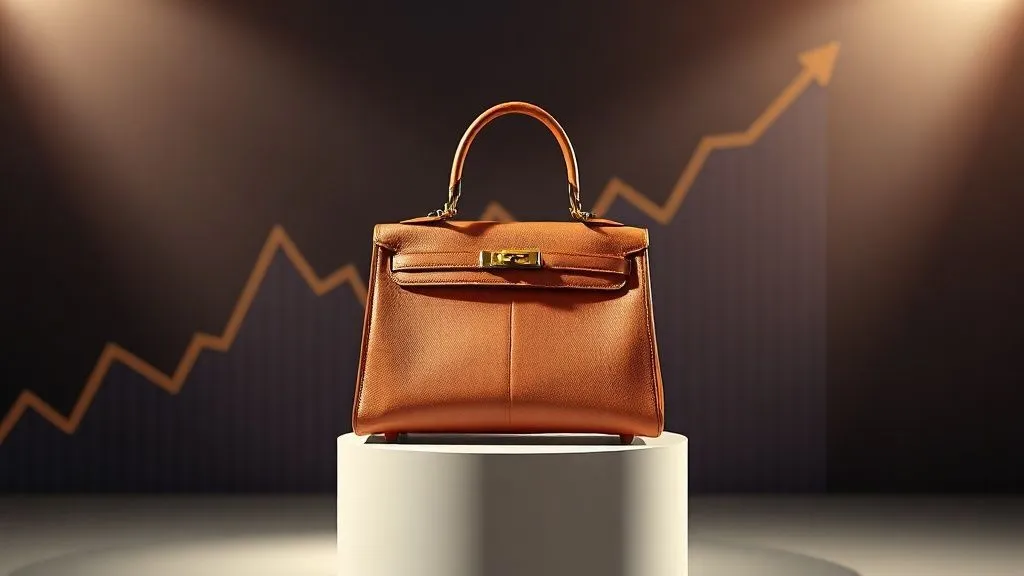
How to Maximize Resale Value of Limited Edition Luxury Accessories?
For nearly two decades, I've navigated the intricate currents of the luxury fashion market, witnessing firsthand the triumphs and pitfalls of collectors and investors alike. There's a palpable thrill in acquiring a limited edition piece—a rare timepiece, an iconic handbag, a bespoke piece of jewelry—knowing you hold something truly special. But the true mastery, the often-overlooked art, lies not just in the acquisition, but in understanding how to preserve and ultimately maximize its future value.
Many enthusiasts, perhaps caught up in the initial excitement, overlook the critical steps that transform a coveted item into a sound investment. They might keep the piece in pristine condition but neglect provenance, or they might sell at the wrong time, leaving significant money on the table. The pain point is clear: without a strategic approach, that limited edition accessory, despite its initial allure, might not yield the return it truly deserves when the time comes to part with it.
In this comprehensive guide, I will share the distilled wisdom from my years in the industry, offering a definitive framework on how to maximize resale value of limited edition luxury accessories. We'll delve into actionable strategies, from meticulous care and strategic timing to expert authentication and savvy platform selection, ensuring your prized possessions don't just retain their value, but appreciate, becoming true assets in your portfolio.
The Foundation: Pristine Preservation and Provenance
The cardinal rule of luxury resale is simple: condition is king. I've seen pieces lose 30-50% of their potential resale value due to avoidable wear and tear. It's not just about keeping the item 'nice'; it's about maintaining its factory-fresh appeal as much as possible, coupled with an ironclad record of its journey.
The 'Unworn' Myth vs. 'Impeccable' Reality
While 'unworn' is the holy grail, it's often unrealistic for items meant to be enjoyed. The goal is 'impeccable,' meaning minimal signs of use, no damage, and all original components intact. Think of it like a vintage car—a few miles are acceptable, but every scratch and missing part depreciates its worth significantly. For luxury accessories, this means protecting leather from scuffs, hardware from tarnishing, and fabrics from stains. I recall a client who meticulously stored a rare Chanel Métiers d'Art bag in its dustbag, box, and even climate-controlled conditions. Years later, when she decided to sell, its condition was so exemplary that it fetched 20% above market average for similar pieces that had seen even light use.
Documenting Authenticity and Ownership
Beyond physical condition, provenance is your silent advocate. This includes all original packaging (dust bags, boxes, ribbons, shopping bags), receipts, authenticity cards, and any certificates. These elements are not mere accessories; they are critical components of the item's story and proof of its legitimate origin. A piece without its box and papers immediately raises questions and can deter serious buyers, especially in the high-stakes world of limited editions.
"In the luxury market, authenticity isn't just a feature; it's the bedrock of trust and the primary driver of value. Without verifiable provenance, even the most exquisite piece struggles to command its true worth."
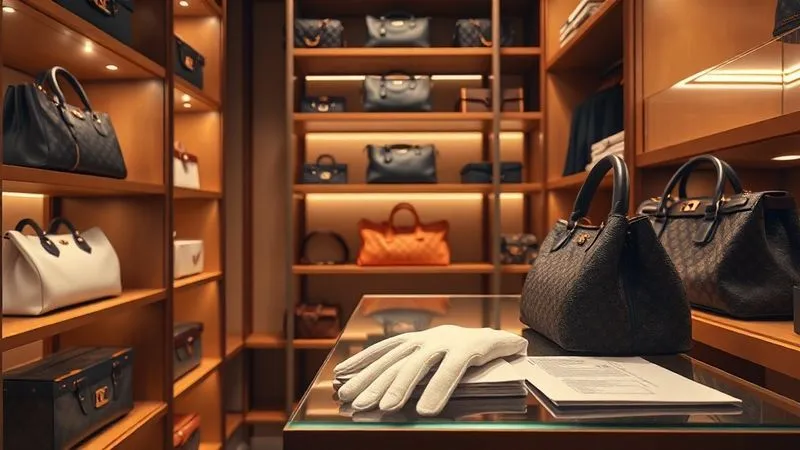
- Store Properly: Always use original dust bags and boxes. Stuff bags with acid-free tissue to maintain shape.
- Climate Control: Avoid extreme temperatures and humidity. Leather can dry out, crack, or mold.
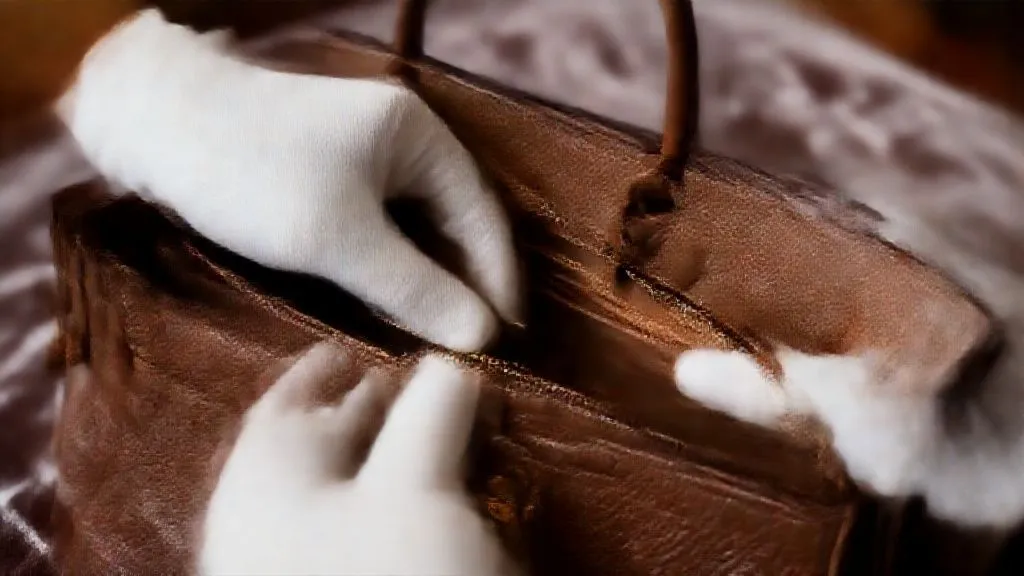
- Handle with Care: Minimize direct skin contact with hardware to prevent tarnishing. Use gloves if necessary for very delicate items.
- Professional Cleaning: If a piece needs cleaning, always defer to a specialist in luxury item restoration, never DIY.
- Keep All Papers: Store receipts, authenticity cards, and any original tags securely, ideally scanned and backed up digitally.
Strategic Acquisition: Buying Smart for Future Value
The journey to maximizing resale value often begins long before the thought of selling arises—it starts at the point of acquisition. Not all limited edition luxury accessories are created equal in terms of investment potential. My experience has taught me that smart buying isn't about chasing every trend, but understanding underlying market dynamics.
Understanding Rarity and Demand Drivers
True rarity, coupled with enduring demand, is the golden ticket. Some limited editions are merely seasonal variations, while others represent truly scarce productions or collaborations that resonate deeply with collectors. Research is paramount. Look for pieces that either mark a significant moment in a brand's history, feature exceptionally rare materials, or are part of a highly anticipated, small-batch release. For instance, a Hermès Birkin in a unique leather or a specific size, or a Rolex Daytona with a rare dial, consistently outperforms more common luxury items.
The Power of Brand and Heritage
Certain brands possess an unparalleled heritage and cultural cachet that consistently fuels their secondary market performance. Chanel, Hermès, Louis Vuitton, Rolex, Patek Philippe—these aren't just names; they are institutions that have cultivated desire for decades, if not centuries. Their limited editions often benefit from this established brand equity. As a Forbes article recently highlighted, "The secondary market for luxury goods is booming, driven by a new generation of conscious consumers seeking investment pieces and sustainable alternatives." Choosing pieces from these powerhouses provides a significant head start.
Forbes: The Resale Market for Luxury Goods is BoomingCase Study: The Collector's Coup - The 'Phoenix' Birkin
Consider the case of a client, an astute collector I advised years ago. She had the opportunity to acquire a limited edition Hermès Birkin, not a new release, but a highly sought-after model from a few seasons prior, known for its unique colorway and specific hardware. At the time, the market was slightly soft for that particular model, but she recognized its inherent rarity and the cyclical nature of demand for iconic pieces. She acquired it at a fair market price, meticulously cared for it, and held onto it for five years. When a major celebrity was photographed with a similar bag, sparking renewed interest, she listed it. Thanks to its impeccable condition, complete provenance, and strategic timing, she sold it for nearly 40% above her purchase price, a testament to understanding long-term value over short-term trends.
| Investment Factor | Impact on Value | Example |
|---|---|---|
| Brand Heritage | High (Established desirability) | Hermès, Chanel, Rolex |
| True Rarity | High (Scarcity drives demand) | Small-batch collaborations, unique materials |
| Condition & Provenance | Critical (Foundation of trust) | Full set, pristine state |
| Market Timing | Moderate to High (Seasonal/trend influence) | Selling during peak demand |
Timing is Everything: Navigating the Resale Market Cycle
Just as with traditional investments, the 'when' of selling a luxury accessory can be as crucial as the 'what.' The secondary market for luxury goods isn't static; it's a dynamic ecosystem influenced by fashion cycles, celebrity endorsements, economic shifts, and even global events. My advice is always to approach it with a strategic, rather than impulsive, mindset.
Seasonal Trends and Collection Releases
Luxury brands operate on seasonal calendars, releasing new collections that often set trends. Selling an item that aligns with current trends or is a classic piece that never goes out of style often yields better results. For example, selling a lightweight, brightly colored handbag in spring/summer tends to perform better than in winter. Conversely, if a brand re-releases a similar design or a new iteration of a classic, interest in older, limited edition versions can surge, creating a prime selling window.
Identifying Peak Demand Windows
Beyond seasonal shifts, look for broader market signals. Has a specific style or material seen a recent surge in popularity? Is there a documentary or retrospective about a designer that could boost interest in their past work? Major auction houses and luxury resale platforms often release market reports. According to a recent report by The RealReal, certain categories like vintage Hermès and specific Rolex models consistently show strong appreciation, especially when economic indicators are positive. Understanding these macro and micro trends allows you to capitalize on periods of peak demand, when buyers are most active and willing to pay premium prices.
The RealReal: Luxury Resale Report"Patience is a virtue, but strategic impatience is an art. Knowing when to hold and when to release your luxury asset is the hallmark of a savvy collector."
Presentation Perfection: Showcasing Your Asset
Once you've decided to sell, the way you present your limited edition luxury accessory online is paramount. This isn't just about taking a quick snap with your phone; it's about creating an irresistible visual and descriptive narrative that justifies its premium price. I've seen beautifully maintained pieces undersell simply because their listings failed to capture their true essence and value.
Professional Photography and Storytelling
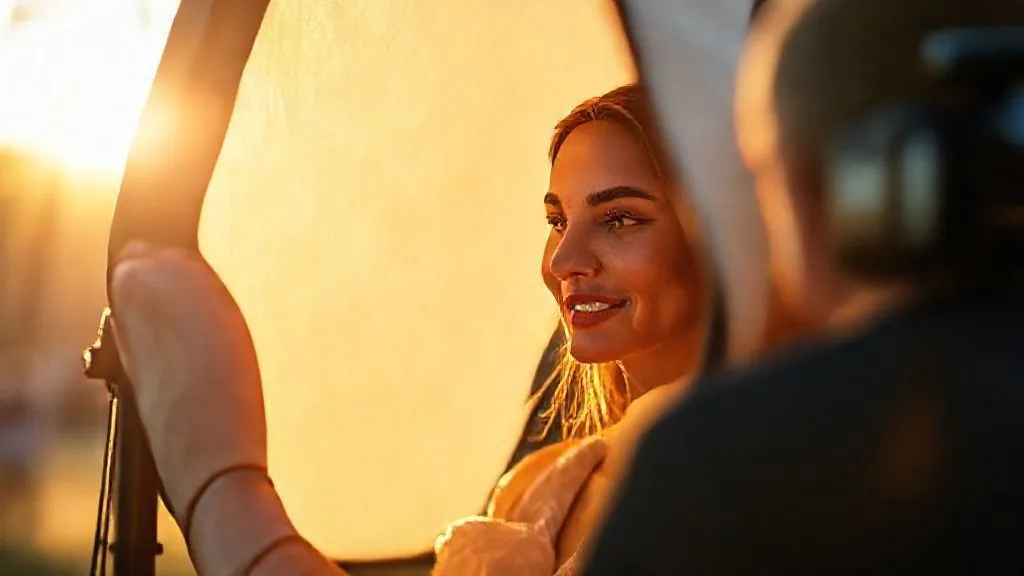
Invest in high-quality photography. This means good lighting (natural daylight is often best), multiple angles (front, back, sides, interior, base, hardware details, serial numbers), and shots that highlight both the overall beauty and the specific features of the limited edition. Show any original accessories like dust bags, boxes, and authenticity cards in the photos. Each image should tell a story of careful preservation and desirability. Think of it as creating a mini-magazine spread for your item.
Crafting a Compelling Listing Description
Your description is your sales pitch. Be meticulously honest and detailed. Include:
- Brand, Model, and Limited Edition Details: Be precise about the collection, year, and any unique features.
- Materials and Dimensions: Specify leather type, hardware finish, exact measurements.
- Condition Report: Provide an objective assessment, noting any minor imperfections (e.g., 'faint hairline scratches on hardware consistent with gentle use') and backing it up with photos. Transparency builds trust.
- Provenance: List all included original items (dust bag, box, receipt, authenticity card).
- The 'Story': Briefly explain why this piece is special or its significance in the brand's history. This taps into emotional value.
- Clean Thoroughly: Gently wipe down surfaces, polish hardware (if appropriate for the material), and ensure the interior is spotless.
- Choose a Neutral Background: A plain white or light-colored background helps the item stand out.
- Utilize Natural Light: Position the item near a window, avoiding direct harsh sunlight which can create glare.
- Capture Detail Shots: Focus on unique limited edition features, hardware, serial numbers, and condition specifics.
- Write a Draft: Before publishing, write out your description and have someone else read it to ensure clarity and completeness.
Leveraging Authenticity and Trust: The Power of Certification
In an era rife with sophisticated counterfeits, establishing unquestionable authenticity is not just a recommendation; it's a non-negotiable requirement for maximizing value. Buyers of limited edition luxury accessories are inherently risk-averse, and rightly so. Anything you can do to bolster confidence in your item's legitimacy will directly translate into a higher sale price and a faster transaction.
Independent Authentication Services
While original receipts and authenticity cards are crucial, sometimes an independent third-party authentication certificate provides an additional layer of assurance, especially for high-value items or if original papers are missing. Services like Entrupy or Real Authentication offer expert verification, and their certificates are widely recognized and trusted within the luxury resale community. Presenting such a certificate upfront removes doubt and positions your item as a verified asset, commanding respect and a premium.
The Role of Original Packaging and Receipts
As I mentioned earlier, the 'full set' is highly valued. The original box, dust bag, ribbons, shopping bag, and especially the purchase receipt or gift receipt (with personal details redacted) all contribute to the item's perceived value and authenticity. They tell a complete story, affirming that the item was legitimately purchased from the brand. According to consumer behavior studies, transparency and verifiable information significantly increase buyer confidence in online luxury transactions. A buyer is far more likely to pay top dollar for a piece where every aspect of its journey is documented.
Business of Fashion: The Rise of Luxury Resale Platforms and Authenticity Challenges"In the digital marketplace, trust is the new currency. For luxury goods, independent authentication is your strongest guarantor of that currency."
Choosing the Right Platform: Where to Sell for Maximum Return
The platform you choose to sell your limited edition luxury accessory on can significantly impact your final return, the speed of sale, and the overall experience. Each avenue—from direct sales to consignment to auction—has its own set of advantages and disadvantages, and my advice is always to match the platform to the item's value, your desired effort level, and your timeline.
Consignment vs. Direct Sale vs. Auction
- Consignment Services (e.g., The RealReal, Vestiaire Collective): These platforms handle everything from authentication and photography to listing and shipping. They take a commission (often 15-50%, depending on item value), but offer convenience, a wide buyer reach, and built-in trust. Best for high-value items where you prioritize ease and security.
- Direct Sale Platforms (e.g., eBay, Grailed for specific categories): You control the entire process—pricing, photography, description, shipping, and customer service. Lower fees, but requires more effort, vigilance against scams, and you bear the full responsibility for authenticity claims. Best for experienced sellers with a strong understanding of market pricing and excellent photography skills.
- Auction Houses (e.g., Christie's, Sotheby's): Ideal for extremely rare, highly valuable, or historically significant limited edition pieces. They offer global reach, expert appraisal, and a prestigious selling environment. Commissions can be substantial, and sales are not guaranteed, but record-breaking prices are often achieved here.
I often tell clients that if you have a piece worth upwards of $10,000, consider a reputable consignment platform or even a specialized auction house. For items under that, a direct sale platform might be viable if you're prepared for the work. The key is to evaluate the platform's target audience, their authentication protocols, and their fee structure against your item's potential value.
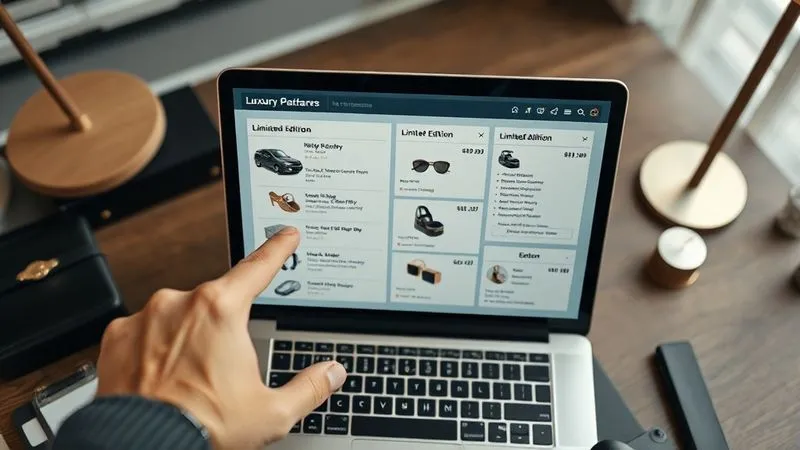
Platform Fees and Reach Comparison
Always read the fine print regarding fees. Some platforms have sliding scales, while others have flat rates. Also, consider their geographic reach. If your limited edition piece is particularly sought after in Asia, for instance, choose a platform with a strong presence in that market. A study by McKinsey & Company on the luxury market consistently points to the importance of a global reach for high-value items.
McKinsey & Company: The State of Fashion 2024| Platform Type | Pros | Cons | Best For |
|---|---|---|---|
| Consignment | Convenience, authentication, wide reach | Higher commission (15-50%) | High-value items, minimal effort |
| Direct Sale | Lower fees (5-15%), full control | More effort, fraud risk, no built-in trust | Experienced sellers, mid-value items |
| Auction House | Global reach, expert appraisal, prestige | High commission, not guaranteed sale | Extremely rare/high-value pieces |
Negotiation & Transaction Mastery: Closing the Deal
Once you've attracted a buyer, the final steps of negotiation and transaction are critical. This is where meticulous planning meets real-world interaction. My advice here is always to be prepared, professional, and prioritize security. A misstep at this stage can not only jeopardize the sale but also lead to potential losses.
Setting a Realistic Price and Negotiation Tactics
Research current market prices for similar limited edition items in comparable condition. Don't overprice; this deters buyers. Be prepared to negotiate, but know your minimum acceptable price. A common tactic is to price slightly above your desired minimum to allow for some wiggle room. Be polite and firm. If a buyer makes an insultingly low offer, a simple 'Thank you for your interest, but I'm looking for a price closer to X given its condition and rarity' is often sufficient.
Secure Shipping and Payment Practices
This is non-negotiable for luxury items.
- Payment: Always use secure payment methods that offer seller protection (e.g., PayPal Goods & Services, bank wire for very high-value items). Never accept personal checks, money orders, or untraceable transfers. Wait for funds to clear completely before shipping.
- Shipping: Insist on fully insured shipping with tracking and signature confirmation. Package the item securely in a sturdy box with ample padding. Document the packing process with photos or even a video, showing the item's condition immediately before sealing the package. This is your protection against 'item not as described' claims.
"In luxury resale, every transaction is a trust exercise. Your professionalism and adherence to secure practices are your strongest assets in closing a successful deal."
Beyond the Sale: Building a Reputable Seller Profile
While the immediate goal is to successfully sell a specific limited edition accessory, savvy collectors and sellers understand that each transaction contributes to their long-term reputation. If you plan to sell more items in the future, building a strong seller profile is an invaluable asset that can lead to higher prices and smoother transactions down the line.
Customer Service and Follow-Up
Even after the sale, maintaining excellent customer service can pay dividends. Promptly answer any post-sale questions, provide tracking information proactively, and ensure the buyer is satisfied. A positive review or feedback on a platform significantly boosts your credibility. Happy buyers are often repeat buyers or refer others.
The Long-Term Value of Trust
A seller with a history of transparent listings, accurate descriptions, secure transactions, and positive buyer feedback quickly becomes a trusted source. This trust can lead to buyers being more willing to pay your asking price, less inclined to heavily negotiate, and even more forgiving of minor issues. In a market where authenticity and reliability are paramount, your reputation is a tangible asset that can continue to maximize the resale value of all your future limited edition luxury accessories.
Frequently Asked Questions (FAQ)
Q: How much does professional authentication typically cost for a luxury handbag? A: The cost for professional authentication varies depending on the service provider (e.g., Entrupy, Real Authentication) and the item's brand/type. Generally, you can expect to pay anywhere from $50 to $200 per item. For very high-value or rare pieces, it might be slightly higher. It's a worthy investment, as the certificate often adds more to the resale value than its cost.
Q: Is it better to sell a limited edition item immediately after purchase or hold onto it? A: This depends heavily on the specific item and market trends. Some limited editions see an immediate spike in value due to hype and scarcity (e.g., certain streetwear collaborations), while others appreciate slowly over years as they become vintage or iconic. My advice is to research the item's specific market trajectory. If it's a truly rare piece from a heritage brand, holding onto it for a few years in pristine condition often yields better returns. If it's a trend-driven piece, selling closer to its initial release might be better before hype fades.
Q: What are the biggest red flags to watch out for when selling luxury items online? A: Be wary of buyers who: offer significantly more than the asking price (often a scam to request refunds after receiving the item), insist on using unsecured payment methods, ask you to ship to an address different from their verified PayPal or platform address, or pressure you for a rushed transaction. Always stick to the platform's rules and secure payment/shipping protocols.
Q: How should I price my limited edition luxury accessory for resale? A: Start by researching recent sales of identical or very similar items on reputable luxury resale platforms and auction archives. Factor in your item's precise condition (be honest!), whether you have the full set (box, papers, dust bag), and current market demand. Price competitively but realistically. It's often helpful to price slightly above your absolute minimum to allow for negotiation.
Q: Does having original brand packaging really make a significant difference in resale value? A: Absolutely. Original packaging, including the box, dust bag, authenticity cards, and even shopping bags, can increase the resale value by 10-20% or more, especially for highly coveted limited edition pieces. It signifies that the item has been well-cared for and reinforces its authenticity, providing a complete "unboxing experience" for the new owner. It's a non-negotiable for serious collectors.
Key Takeaways and Final Thoughts
Maximizing the resale value of your limited edition luxury accessories is far more than a simple transaction; it's a strategic endeavor that blends meticulous care, market intelligence, and impeccable presentation. As an industry veteran, I've seen how these elements, when combined effectively, transform a valuable item into a truly appreciating asset. Here are the most critical points to remember:
- Pristine Condition is Paramount: Treat your luxury accessories as investments from day one.
- Document Everything: Maintain all original packaging, receipts, and authenticity cards as your item's provenance.
- Buy Smart, Sell Smarter: Understand rarity, brand power, and market cycles to time your acquisition and sale.
- Presentation Sells: High-quality photography and a transparent, compelling description are non-negotiable.
- Trust is Currency: Leverage independent authentication and choose reputable platforms to instill buyer confidence.
- Security is Key: Prioritize secure payment and shipping methods to protect your asset and your funds.
- Build Your Reputation: Excellent customer service fosters trust, leading to better future sales.
By embracing these principles, you're not just selling an item; you're offering a piece of luxury heritage, complete with its story and verified value. This approach not only ensures you get the maximum return on your limited edition luxury accessories but also positions you as a discerning collector and a trusted purveyor in the exclusive world of high-end fashion. Your investments deserve nothing less than this expert-level strategy.
Recommended Reading
- 7 Strategies: Innovating Haute Couture While Respecting Brand Heritage?
- 7 Steps to Master Custom Jewelry Revisions & Boost Profit
- 5 Expert Strategies: Cut Practical Kids' Wear Fit Returns by 30%
- Slash Returns by 20%? Predictive AI for Fashion Retail Success
- Beat Digital Fatigue: 5 Best Prescription Lenses for Executive Eye Strain Relief
Your email address will not be published. Required fields are marked *