


How to Reduce Returns on Practical Kids' Wear Due to Fit?
For over two decades in the dynamic world of kids' fashion, I've witnessed firsthand the silent drain that fit-related returns inflict upon brands, especially within the practical wear segment. It's a problem that often gets overlooked in the rush for new designs and marketing campaigns, yet its impact on profitability, brand reputation, and even environmental sustainability is profound.
The pain points are palpable: parents frustrated by ill-fitting garments, the logistical nightmare of processing returns, the lost revenue, and the environmental cost of shipping back and forth. Practical kids' wear, by its very nature, demands a precise fit that allows for unrestricted movement, durability, and comfort. When a garment fails on fit, it fails on its core promise, leading directly to those dreaded return labels.
But what if I told you that these fit-related returns aren't an unavoidable cost of doing business? In this definitive guide, I'll share actionable frameworks, expert insights, and real-world strategies I've honed over years. You'll learn how to proactively tackle the challenge of how to reduce returns on practical kids' wear due to fit, transforming frustrated customers into loyal advocates and boosting your bottom line significantly.
Understanding the Root Cause: Why Fit is So Tricky in Kids' Wear
Before we dive into solutions, we must first truly understand the unique complexities of sizing for children. It's not simply a smaller version of adult sizing; it's a constantly moving target with distinct physiological and developmental considerations.
The Rapid Growth Factor
Children grow at an astonishing, unpredictable pace. What fits perfectly today might be snug next month. This rapid change means parents are often guessing, buying ahead, or simply overwhelmed by the sheer variability. Brands must acknowledge this inherent challenge and design solutions that offer a margin for growth or adaptable fit.
Lack of Industry Standardization
Unlike some adult clothing, kids' wear sizing lacks a universal standard across brands, and even sometimes within a single brand across different product lines. A 'size 4T' from one brand can be vastly different from another, leading to immense confusion and a trial-and-error purchasing process for parents. This inconsistency is a primary driver of fit-related returns.
Parental Expectations vs. Reality
Parents often have specific expectations for how clothes should fit their child, influenced by their own preferences, cultural norms, or even social media trends. However, practical kids' wear needs to prioritize function over fleeting fashion trends. A garment designed for active play might appear 'baggy' to a parent expecting a slim fit, even if it's the correct, functional size. Bridging this expectation gap is crucial.
Expert Insight: The complexity of kids' wear fit isn't just about measurements; it's about managing dynamic growth, navigating industry inconsistencies, and aligning parental expectations with functional design. Addressing returns starts with acknowledging these multifaceted challenges.
Strategy 1: Revolutionizing Your Sizing Charts and Measurement Guides
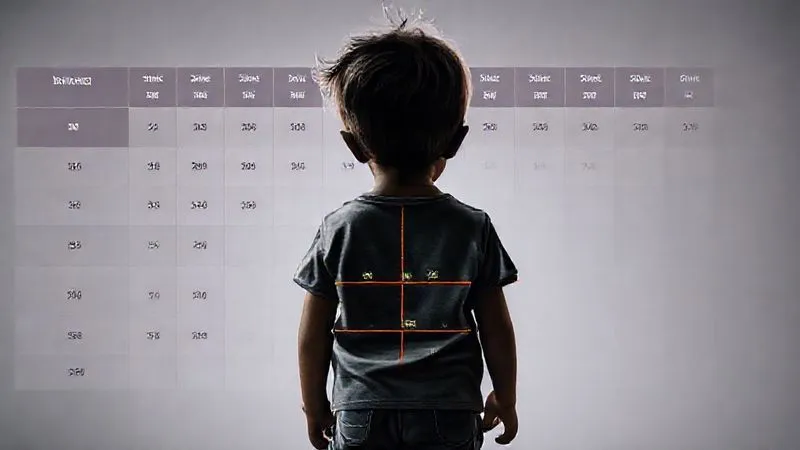
The most fundamental step in reducing fit returns is to provide parents with the clearest, most accurate tools to measure their child and compare it to your garments. Generic sizing charts are no longer enough; we need to offer comprehensive, visual, and user-friendly guides.
Beyond Basic Measurements: The "Fit Profile"
Instead of just waist and inseam, consider a more holistic "fit profile" that includes chest circumference, torso length, sleeve length (from nape to wrist), and even shoulder width. Practical wear often requires specific articulation points to fit correctly, so highlighting these is key.
- Develop Visual, Interactive Sizing Guides: Don't just list numbers. Use clear illustrations or even short videos demonstrating exactly where and how to measure a child for each specific garment type (e.g., a jumpsuit vs. a pair of pants).
- Provide "How to Measure" Tutorials: Offer a dedicated page or pop-up with step-by-step instructions. Include tips like "measure while the child is standing relaxed" or "use a soft tape measure."
- Include Garment-Specific Measurements: For each product, list not just the child's body measurements it's *designed* for, but also the actual garment measurements (e.g., "garment chest width: 14 inches"). This helps parents compare to existing clothes.
- Offer Age/Height/Weight Recommendations (with caveats): While less precise, these can serve as a starting point. Always emphasize that actual measurements are superior.
- Integrate Customer Reviews on Fit: Allow customers to indicate if an item runs "small," "true to size," or "large" and aggregate this data visibly on product pages.
By empowering parents with detailed, accessible measurement tools, you equip them to make informed decisions, significantly reducing the guesswork that leads to returns. This also builds trust, showing you genuinely care about their child's comfort and your product's performance.
For more comprehensive guidance on body measurement standards, you might refer to resources like the CDC's National Health and Nutrition Examination Survey (NHANES), which provides extensive anthropometric data.
Strategy 2: Elevating Product Descriptions with Hyper-Specific Fit Details
Your product descriptions are a critical, often underutilized, tool in the fight against fit returns. They need to go far beyond fabric composition and color. They must paint a precise picture of how the garment will fit, feel, and function on a child.
The Power of Descriptive Language
Think like a parent trying to visualize the garment on their child. Use sensory and functional language. Instead of "regular fit," describe it as "a relaxed fit through the body for easy layering and unrestricted play, with elasticated cuffs that gently hug the wrists to keep sleeves in place." Detail key features that impact fit, such as:
- Waistband Type: Is it a soft elastic, adjustable drawstring, or snap closure?
- Leg/Sleeve Openings: Ribbed cuffs, elasticated, or straight hem?
- Torso Length: Does it run longer for tucking in, or shorter for active movement?
- Shoulder/Chest Fit: Roomy for layering, or more tailored?
- Fabric Stretch: Explicitly state if the fabric has significant stretch for growth.
Expert Insight: Transparency in product descriptions isn't just good customer service; it's a proactive defense against returns. The more information you provide about fit, the less room there is for misinterpretation.
| Feature | Generic Description | Detailed Description |
|---|---|---|
| Waistband | Elastic waist | Soft, wide elastic waistband with internal adjustable drawstring for a snug, customizable fit; no pinching |
| Sleeve Length | Long sleeve | Raglan long sleeves designed for full range of motion, with ribbed cuffs that can be easily rolled up or worn extended for growth |
| Leg Fit | Regular fit | Relaxed straight leg with ample room for movement, tapered slightly at the ankle to prevent snagging; reinforced knees for durability |
Strategy 3: Leveraging Visuals and Technology for a "Virtual Try-On" Experience
In the digital age, static images and text aren't always enough to convey fit. We need to embrace advanced visuals and technology to bring the fitting room experience online, helping to significantly reduce returns on practical kids' wear due to fit.
High-Quality Imagery & Video
Invest in professional photography and videography that truly showcases the garment's fit on children of various body types within the same size range. Show children actively moving, bending, and playing in the clothes. Include:
- Front, Back, and Side Views: Clear, well-lit photos.
- Close-ups: Detail waistbands, cuffs, and any adjustable features.
- Model Information: State the age, height, and weight of the child model, and what size they are wearing. This provides crucial context.
- Short Video Clips: A 15-30 second video of a child moving in the garment can answer dozens of fit questions instantly.
Exploring Augmented Reality (AR) and AI Tools
While still emerging, AR and AI-powered virtual try-on solutions are becoming more accessible. These technologies allow customers to "see" how a garment might fit their child using their smartphone camera or by inputting specific measurements. This not only enhances the shopping experience but drastically reduces uncertainty around fit.
Even if full AR isn't feasible, consider AI-driven sizing recommendation tools that use algorithms based on customer purchase history, returns data, and detailed garment measurements to suggest the best size. This proactive approach can make a significant dent in your return rates.
The potential of AR in retail is enormous, as highlighted in articles by business publications like Harvard Business Review, demonstrating its impact on customer engagement and reducing purchase hesitancy.
Strategy 4: Implementing a Robust Customer Feedback Loop for Continuous Improvement
Your customers are your most valuable resource for understanding fit issues. Establishing a systematic approach to collect, analyze, and act on their feedback is non-negotiable for anyone looking to reduce returns on practical kids' wear due to fit.
Post-Purchase Surveys & Reviews
Actively solicit feedback specifically on fit after a purchase. Include direct questions like: "Did this item fit as expected?" with options for "smaller than expected," "true to size," "larger than expected," and an open-ended comment box. Encourage customers to leave detailed reviews, especially concerning fit, and make these reviews prominent on product pages.
Analyzing Return Data Systematically
Every return is a data point. Categorize returns not just by "fit," but by *what specific aspect of fit* was problematic (e.g., "too short in the torso," "too tight in the waist," "sleeves too long"). Track this data diligently. Look for patterns: Are certain styles consistently returned for the same fit issue? Is a particular size performing differently than others? This granular analysis is gold for product development.
Expert Insight: Data-driven decisions are the bedrock of sustainable growth. Don't just process returns; dissect them. Each returned garment is a lesson waiting to be learned, a design flaw or communication gap to be fixed.
Case Study: How TinyThreads Reduced Fit Returns by 25%
TinyThreads, a boutique brand specializing in organic cotton practical kids' wear, faced a 15% return rate, with 60% attributed to fit issues. They implemented a comprehensive feedback loop:
- They revamped their post-purchase survey to include specific questions about fit (e.g., "Was the leg length appropriate for the size?").
- They assigned a dedicated team member to categorize and analyze all fit-related return comments weekly.
- They cross-referenced this qualitative data with their existing sizing charts and product descriptions.
- They discovered a recurring complaint about the torso length of their popular bodysuits.
Based on this feedback, TinyThreads adjusted the pattern for their bodysuits, adding an extra inch to the torso in subsequent production runs. They also updated their product descriptions to explicitly state the new, more generous torso length. Within six months, their fit-related return rate for bodysuits dropped by 25%, and overall returns for the brand saw a significant reduction, demonstrating the direct impact of listening to your customers.
Strategy 5: Educating Your Customers: Empowering Parents to Make Informed Choices
Sometimes, the best solution isn't just to improve your product or descriptions, but to empower your customers with the knowledge they need to make the right choice. This proactive educational approach builds trust and loyalty, and significantly helps to reduce returns on practical kids' wear due to fit.
Creating Educational Content
Develop blog posts, videos, or infographics that guide parents through the nuances of kids' sizing. Topics could include:
- "The Ultimate Guide to Measuring Your Child for Clothes."
- "Understanding Grow-With-Me Sizing: What You Need to Know."
- "Why Kids' Clothing Sizes Vary Between Brands (And How to Navigate It)."
- "Choosing the Right Fit for Active Play vs. Everyday Wear."
Position your brand as an expert resource that genuinely wants to help parents, not just sell them clothes. This content can live on your website, social media, and email newsletters.
Personalized Recommendations
Beyond general education, consider offering personalized fit advice. This could be through a chatbot that asks a few questions about the child's measurements and activity level, or even a dedicated customer service line for fit consultations. The more tailored the advice, the higher the chance of a successful fit.
The impact of consumer education on purchasing decisions and satisfaction is well-documented. Research from institutions like the Journal of Marketing Research often underscores how informed consumers make better choices and exhibit higher loyalty.
Beyond the Garment: Material Science and Design for Adaptable Fit
While accurate sizing and communication are paramount, the intrinsic properties of the garment itself play a critical role in perceived fit and reducing returns. Practical kids' wear needs to be forgiving and adaptable.
Fabric Choice: Stretch, Durability, and Comfort
The right fabric can mask minor sizing discrepancies and accommodate growth. Prioritize materials that offer:
- Moderate to High Stretch: Fabrics with spandex or elastane content allow for movement and a longer wear life as a child grows.
- Excellent Recovery: The fabric should bounce back to its original shape after stretching, preventing bagging or sagging.
- Softness and Breathability: Comfort is key for practical wear. An uncomfortable garment, even if technically the right size, can lead to returns.
- Durability: Fabrics that withstand repeated washing and wear maintain their shape and fit longer.
Design Innovations: Adjustable Features & Grow-With-Me Styles
Smart design can build adaptability directly into the garment. Consider features like:
- Adjustable Waistbands: Internal elastic with buttons or drawstrings.
- Roll-Up Sleeves/Cuffs: Designed to be worn longer or shorter.
- Snap Closures for Length: For bodysuits or overalls, allowing for torso extension.
- Grow-With-Me Hems: Often seen in outerwear, allowing for an extra inch or two of leg or sleeve length to be released.
Expert Insight: A truly practical kids' garment doesn't just fit; it adapts. By integrating thoughtful design and material science, you create clothing that offers a longer, more forgiving fit, directly combating the root causes of returns.
| Fabric Type | Key Properties for Fit | Best Use Cases | Impact on Returns |
|---|---|---|---|
| Organic Cotton Blend | Soft, breathable, moderate stretch, excellent drape, gentle on skin | Everyday wear, sensitive skin, layering | Reduces discomfort-related returns, enhances perceived quality |
| Performance Knit (Polyester/Spandex) | High elasticity, moisture-wicking, quick-drying, retains shape | Activewear, sportswear, outdoor play | Minimizes returns due to restricted movement, ensures longevity through washes |
| Durable Canvas (Cotton/Nylon) | Structured yet flexible, abrasion-resistant, holds shape well, offers protection | Outerwear, pants, overalls, rough play | Reduces returns from wear-and-tear, provides reliable fit for tough activities |
Training Your Team: The Frontline of Fit Prevention
Even the best sizing charts and product descriptions can fall short without a knowledgeable team to back them up. Your customer service representatives are often the first point of contact for fit-related questions and concerns. Equipping them with the right tools and training is paramount.
Equipping Customer Service
Ensure your customer service team is thoroughly trained on all aspects of your sizing. They should:
- Understand Your Sizing Charts Inside Out: Be able to guide parents through measurements over the phone or chat.
- Know Product-Specific Fit Details: Be aware of how different styles (e.g., slim fit vs. relaxed fit) are designed to fit.
- Access Return Data Insights: Provide them with common fit issues for specific products so they can proactively address concerns.
- Practice Empathetic Communication: Listen to parental concerns and offer solutions, whether it's recommending a different size, style, or simply reassuring them about the intended fit for practical wear.
Empowering Sales Associates (if physical retail involved)
For brands with a physical retail presence, sales associates are invaluable. They can offer real-time fitting advice, demonstrate how to measure, and explain the benefits of specific fits. Regular training sessions focused on practical kids' wear fit, fabric properties, and customer interaction best practices will pay dividends.
Investing in comprehensive customer service training, like resources found on platforms such as Zendesk's blog, can significantly enhance your team's ability to handle fit inquiries and reduce returns effectively.
Frequently Asked Questions (FAQ)
What's the biggest mistake brands make with kids' sizing? The biggest mistake I've seen brands make is treating kids' sizing as a scaled-down version of adult sizing without accounting for rapid, non-linear growth patterns, varying body proportions across age groups, and the critical need for unrestricted movement in practical wear. They often fail to provide granular, visual measurement guides, leading to a disconnect between perceived and actual fit.
How can small businesses compete with big brands on fit technology? Small businesses can absolutely compete! While full-blown AR/AI might be costly initially, focus on robust, highly visual sizing guides, detailed product videos with child models, and leveraging customer reviews effectively. Consider partnering with smaller tech providers offering white-label AI sizing tools, or use existing e-commerce platform plugins. The key is to be hyper-transparent and provide more information than your competitors.
Is it better to size up or down for kids' practical wear? For practical kids' wear, it's generally safer to size up slightly if a child is between sizes or if you're unsure, especially for items like outerwear or pants where freedom of movement is crucial. However, this advice comes with a caveat: too large can be a tripping hazard or uncomfortable. Always refer to the brand's specific sizing chart and measurement recommendations, and prioritize length over width if the garment is designed for active movement, as width can often be accommodated by adjustable features.
How often should I update my sizing charts? Your core sizing charts should be reviewed annually to ensure they align with your current product offerings and any pattern adjustments. However, if you launch a new product line with a significantly different fit profile (e.g., moving from slim fit to relaxed fit), or if your return data highlights consistent fit issues for specific items, immediate updates and clarifications are necessary. Ongoing analysis of return reasons is your best indicator for when updates are needed.
What role does fabric play in perceived fit and returns? Fabric plays a monumental role. A garment made from a rigid, non-stretch fabric will have a much smaller tolerance for fit variations than one made from a stretchy, forgiving knit. Fabrics with good drape and recovery can make a garment feel more comfortable and fit a wider range of body types within a size. Conversely, a scratchy or stiff fabric, even if technically the correct size, can lead to discomfort and perceived poor fit, driving returns. Always consider the fabric's properties in relation to the intended fit and function of the practical wear.
Key Takeaways and Final Thoughts
Reducing fit-related returns on practical kids' wear isn't a one-time fix; it's an ongoing commitment to excellence in product development, customer communication, and data analysis. As an industry specialist, I've seen that brands that master this not only save significant costs but also cultivate an unparalleled level of customer loyalty.
- Prioritize Clarity: Revolutionize your sizing charts with visuals and detailed measurement guides.
- Be Descriptive: Elevate product descriptions with hyper-specific fit details, beyond generic terms.
- Embrace Innovation: Leverage high-quality visuals, video, and explore emerging AR/AI technologies.
- Listen Actively: Implement robust feedback loops and systematically analyze return data.
- Educate & Empower: Provide valuable content that helps parents make informed purchasing decisions.
- Design for Adaptability: Utilize smart fabric choices and adjustable garment features.
- Train Your Team: Equip customer service and sales associates with comprehensive fit knowledge.
By implementing these strategies, you're not just reducing returns; you're building a more trustworthy, efficient, and customer-centric brand. The investment in precise fit pays dividends in reduced operational costs, enhanced brand reputation, and most importantly, happy children who can move and play freely in their well-fitting, practical clothing. Take these steps, and watch your return rates shrink while your customer satisfaction soars.
Recommended Reading
- 5 Breakthrough Strategies: Gripping Flexible Fabrics with Fashion Robots
- Fashion Campaign Photo Shoot Planning Tips: The Ultimate Guide
- Wardrobe Malfunction Proof: Stylists' Top 5 Red Carpet Strategies
- 5 Strategies: Maintain Breathability in Recycled Waterproof Textiles?
- The Art of Ascent: 7 Steps to Gravity-Defying Couture Silhouettes




Your email address will not be published. Required fields are marked *