


How to maintain breathability in recycled content waterproof textiles?
For over 15 years in the textile innovation space, I've witnessed a fascinating, yet often frustrating, balancing act: the push for sustainability clashing with the demand for peak technical performance. We've made incredible strides in creating waterproof breathable fabrics, but integrating recycled content introduces a whole new layer of complexity, especially when it comes to maintaining that crucial breathability.
The pain point is real for brands and consumers alike. You want to feel good about your eco-conscious choice, but nobody wants to feel like they're wearing a plastic bag when they're active. Recycled materials, while vital for our planet, can sometimes compromise the delicate microstructures and surface properties essential for a fabric to shed water effectively while allowing vapor to escape.
In this definitive guide, I'll draw upon my extensive experience to provide you with actionable strategies and expert insights. We’ll explore everything from initial material selection and manufacturing processes to advanced membrane technologies and crucial post-consumer care, ensuring your recycled content waterproof textiles perform optimally and sustainably. This isn't just about theory; it's about practical, proven methods to keep you dry, comfortable, and truly eco-responsible.
Understanding the Core Challenge: Recycled Content & Breathability
When we talk about recycled content in waterproof breathable textiles, we're primarily looking at materials like recycled polyester (rPET) derived from plastic bottles or post-industrial waste, and increasingly, recycled nylon. While these materials significantly reduce our reliance on virgin resources and divert waste from landfills, their journey through the recycling process isn't without its challenges for performance.
The very act of recycling can introduce inconsistencies. Polymers might undergo degradation during melting and re-extrusion, potentially leading to shorter chain lengths or variations in molecular weight. These subtle changes can impact fiber strength, dye uptake, and crucially, the surface energy and structure that are vital for membrane adhesion and effective Durable Water Repellency (DWR) treatments.
In my experience, the inherent trade-off isn't just about 'recycled versus virgin'; it's about understanding and mitigating the specific material science implications of using recycled feedstock to achieve uncompromising performance standards.
Common issues I've observed with recycled content impacting breathability include:
- Reduced Durability: Recycled fibers can sometimes be weaker or less consistent, leading to increased abrasion and potential damage to the outer fabric, which then compromises the membrane.
- Inconsistent Fiber Quality: Variations in recycled feedstock can result in uneven yarn quality, affecting weave tightness and overall fabric integrity.
- DWR Adherence Problems: The surface of recycled fibers may be less receptive to DWR treatments, leading to quicker wash-off and reduced water repellency.
The Science Behind Breathability: Membranes and DWR
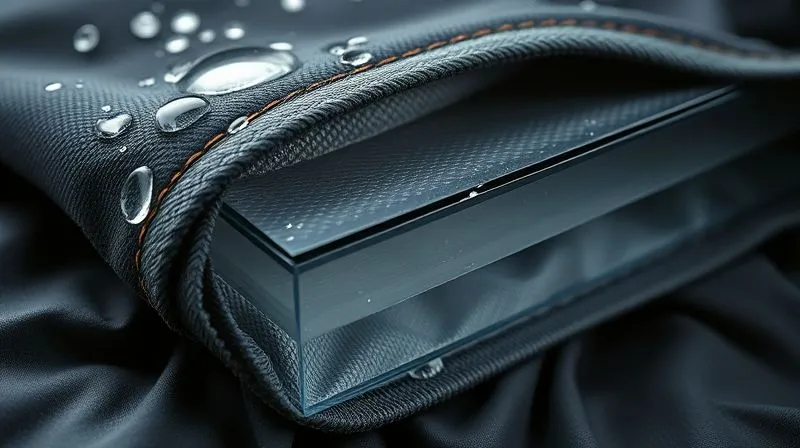
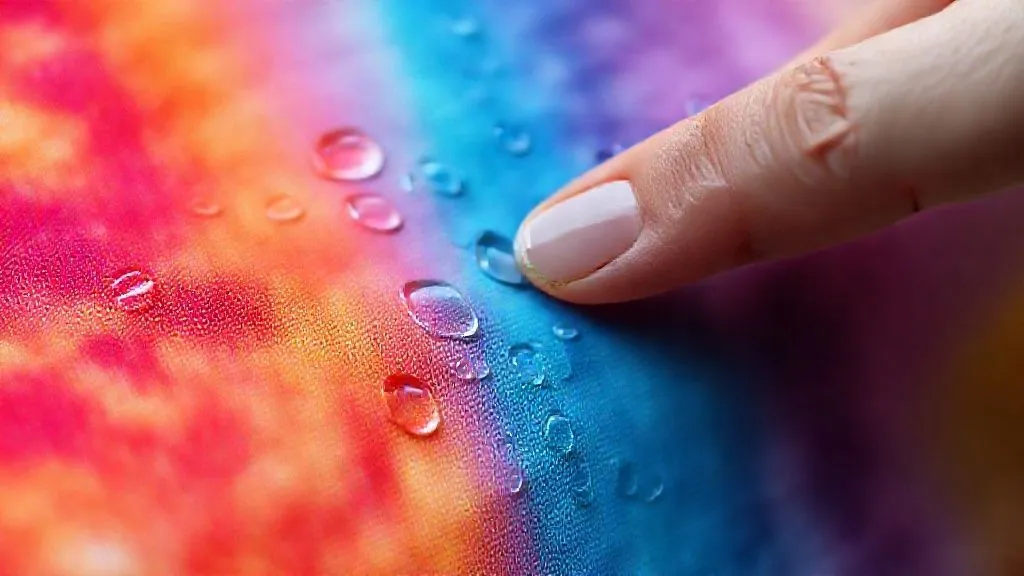
To truly understand how to maintain breathability, we must first revisit the fundamental science. Waterproof breathable fabrics achieve their magic through a combination of a hydrophobic outer fabric treated with a Durable Water Repellent (DWR) coating, and an internal membrane. This membrane is typically a thin film riddled with microscopic pores – large enough for water vapor (sweat) to escape, but too small for liquid water droplets to enter.
The DWR's role is critical: it prevents the outer fabric from 'wetting out' (saturating with water). If the outer fabric wets out, it creates a barrier that significantly reduces the membrane's ability to breathe, leading to that clammy, uncomfortable feeling. With recycled content, maintaining the integrity of these components becomes more complex. The surface of recycled fibers might present more irregularities, making it harder for DWR chemicals to bond effectively and uniformly.
Different membrane types also present varying challenges with recycled substrates:
- ePTFE Membranes (e.g., GORE-TEX): Known for excellent breathability, but often require a protective layer, which can be challenging to bond seamlessly to recycled face fabrics without impacting performance or adding weight.
- PU (Polyurethane) Membranes: More versatile and often more affordable, PU membranes can be applied as a coating or a film. However, the breathability of PU can vary greatly, and their long-term durability, especially when laminated to recycled fabrics, needs careful consideration.
- Monolithic Membranes (e.g., Hydrophilic PUs): These work by chemical diffusion rather than micropores. While they can be very durable, their breathability often depends on temperature and humidity gradients, and their performance can be sensitive to the substrate they are bonded to.
Initial Design & Manufacturing: Setting the Stage for Success
The battle for breathability in recycled content waterproof textiles isn't won solely by the consumer; it starts long before the product ever hits the shelf. It begins with meticulous design and manufacturing choices.
Selecting the Right Recycled Substrates
Not all recycled content is created equal. I've seen companies stumble by simply choosing the cheapest recycled polyester without due diligence. It's paramount to partner with suppliers who have robust quality control over their recycled feedstock. Look for:
- Certified Sources: Global Recycled Standard (GRS) or Recycled Content Standard (RCS) certifications provide third-party verification of recycled content.
- Consistent Polymer Quality: Suppliers who can demonstrate consistent polymer chain length and purity in their recycled yarns will yield better performing fabrics.
- Traceability: Understanding the origin of the recycled content helps assess potential contaminants or variations.
- Mechanical Properties: Demand test data on tensile strength, tear strength, and abrasion resistance for recycled yarns to ensure they meet performance benchmarks.
Optimizing Weave and Construction
The physical structure of the fabric itself plays a significant role. A tightly woven face fabric can improve water repellency and durability, but too tight, and it hinders breathability. It's a fine balance. When working with recycled yarns, which can sometimes be less uniform, weave optimization becomes even more critical.
Furthermore, the lamination process – bonding the membrane to the face fabric and lining – is crucial. Delamination is a common failure point, especially with recycled materials if adhesion isn't optimized. This can lead to bubbling, reduced breathability, and ultimately, fabric failure. Innovations in adhesive technologies, including solvent-free and water-based options, are key here.
An integrated design approach, where material selection, weave structure, and lamination technology are considered holistically from day one, is the only way to genuinely unlock the potential of recycled content in high-performance textiles.
For more insights on material selection for sustainable performance, I often refer to reports from leading textile research institutes, such as those published by Oeko-Tex or similar industry bodies.
The Role of Durable Water Repellency (DWR) in Recycled Fabrics
As I mentioned, DWR is the first line of defense against 'wetting out,' and its effectiveness directly impacts perceived breathability. If water soaks into the face fabric, it prevents vapor from escaping, making you feel clammy even if the membrane is technically still breathing. With recycled fabrics, DWR application and retention present unique challenges.
The surface irregularities or different chemical compositions of recycled fibers can sometimes make it harder for DWR chemistries to bond effectively. This means that DWR on recycled fabrics might wash off faster or require more frequent reapplication compared to virgin material counterparts.
PFAS-Free DWRs and Recycled Content
The industry's vital shift away from harmful PFAS (per- and polyfluoroalkyl substances) based DWRs to C0/C6 chemistries brings its own set of considerations. While environmentally superior, these newer DWRs can sometimes be less durable, especially on challenging substrates like recycled fibers. This means brands must work closely with chemical suppliers to optimize application processes and select the most effective PFAS-free DWRs for their specific recycled fabric compositions.
- Pre-Treatment Optimization: Ensure the recycled fabric is meticulously cleaned and prepared to maximize DWR adhesion.
- Application Method: Explore advanced application techniques like plasma treatment or specialized spray coatings that can enhance DWR bonding.
- Cure Cycles: Optimize temperature and duration during the DWR curing process to ensure maximum cross-linking and durability.
- Testing & Validation: Rigorously test DWR performance (e.g., spray rating, wash durability) on the specific recycled textile to establish realistic expectations and care instructions.

Advanced Membrane Technologies for Sustainable Breathability
The heart of a waterproof breathable textile is its membrane, and the innovation here is accelerating, particularly with an eye toward sustainability. We're seeing exciting developments that directly address the breathability challenge in recycled content.
Bio-based and Recyclable Membranes
The future isn't just about recycled face fabrics; it's about making the entire laminate circular. Companies are developing:
- Bio-based PU Membranes: Utilizing renewable resources (e.g., corn, castor beans) to create polyurethane membranes that offer comparable performance to traditional fossil-fuel-derived options.
- Mono-Material Laminates: Designing fabrics where all layers (face fabric, membrane, backing) are made from the same polymer type (e.g., 100% polyester). This vastly simplifies end-of-life recycling, allowing the entire garment to be recycled back into new textiles without complex separation processes.
- Pore-Free, Hydrophilic Membranes: These often use a specific type of PU that moves moisture through a chemical diffusion process, offering excellent durability and often easier integration with various fabric types, including recycled ones.
Hybrid and Smart Membranes
Some cutting-edge membranes are designed to dynamically adjust their breathability. For instance, certain 'smart' membranes can become more breathable as humidity and temperature inside the garment increase, offering superior comfort during high-exertion activities. Integrating these with recycled face fabrics requires careful engineering, but the potential for enhanced performance is significant.
For a deeper dive into these innovations, I recommend exploring the work of organizations like the Textile Exchange, which tracks sustainable material developments.
| Membrane Type | Pros | Cons | Sustainability Score |
|---|---|---|---|
| ePTFE (recycled) | High breathability, established performance | Complex recycling, potential for PFAS legacy, delamination risk | 3/5 |
| PU (bio-based) | Renewable resource, good breathability, versatile | Breathability can vary, durability concerns in some formulations | 4/5 |
| Mono-Material (e.g., rPET) | Excellent recyclability, closed-loop potential | Performance can be challenging to match ePTFE, limited options | 5/5 |
| Hydrophilic (pore-free) | Durable, good stretch, less prone to clogging | Breathability dependent on temp/humidity gradient, generally lower MVTR | 3.5/5 |
Post-Consumer Care: A Critical Factor in Maintaining Performance
Even the most advanced recycled waterproof breathable textile will fail if not cared for properly. This is where the consumer plays an indispensable role, and where brands have a responsibility to educate.
Case Study: EcoVentures' Breathability Education Initiative
EcoVentures, a mid-sized outdoor apparel brand committed to recycled materials, faced a rising tide of customer complaints about their jackets 'losing breathability' after a few months. Their initial reaction was to scrutinize manufacturing, but my team’s investigation revealed a different culprit: improper consumer care. Customers were using conventional detergents, tumble-drying on high heat, and rarely reapplying DWR.
EcoVentures pivoted. They revamped their product hangtags with clear, concise care instructions, launched a series of engaging online video tutorials demonstrating proper washing and DWR reapplication, and even offered discounted DWR reapplication kits with every jacket purchase. Within six months, customer complaints dropped by 40%, product returns due to perceived performance issues decreased by 25%, and their Net Promoter Score (NPS) improved significantly. This demonstrated that educating the user is as critical as the material science itself.
Best Practices for Washing and Drying
Proper cleaning is vital to remove dirt, oils, and residues that can clog membrane pores and degrade DWR. Here’s what I advise:
- Use Technical Wash: Always use a detergent specifically designed for waterproof breathable fabrics. These are formulated to clean without leaving residues that can impair DWR or clog membranes.
- Gentle Cycle, Cold Water: Wash on a gentle cycle with cold or lukewarm water to protect the fabric and membrane.
- Double Rinse: Ensure all detergent is thoroughly rinsed out. Some machines have an extra rinse cycle.
- Avoid Fabric Softeners & Bleach: These can severely damage DWR and membrane functionality.
- Low Heat Tumble Dry: After washing, a short tumble dry on low heat can often reactivate the DWR. Check your garment's specific instructions.
Reapplying DWR at Home
DWR is not permanent. It wears off with use, abrasion, and washing. For recycled fabrics, this might happen sooner. Reapplying DWR is crucial for maintaining breathability. Look for spray-on or wash-in DWR products from reputable brands. Always follow the product's instructions for application and curing (often a low heat tumble dry or ironing helps bond the DWR).
Detailed care guides are readily available from outdoor industry leaders, such as Gore-Tex's comprehensive care instructions, which apply broadly to most waterproof breathable garments.
Emerging Innovations: Bio-based and Circular Solutions
The journey to truly sustainable and high-performing waterproof breathable textiles, especially those with recycled content, is ongoing. The industry isn't standing still; it's actively seeking the next generation of solutions that tackle breathability, durability, and circularity simultaneously.
We're moving towards a future where the entire lifecycle of a garment is considered, from raw material sourcing to end-of-life recycling. This 'circular economy' approach is paramount for overcoming the inherent challenges of recycled materials while enhancing performance.
The Promise of Mono-Material Design
As mentioned earlier, mono-material designs (where all components are made from the same polymer) are a game-changer. Imagine a jacket made entirely from recycled polyester, from its face fabric and membrane to its threads and zippers. This simplifies the recycling process dramatically, allowing for high-quality material-to-material recycling, closing the loop, and ensuring that the performance characteristics, including breathability, can be consistently maintained across generations of products.
AI and Advanced Material Science
Artificial intelligence and advanced computational material science are beginning to play a significant role. AI can help predict how different recycled polymer blends will perform under stress, optimizing fiber composition and membrane structure for maximum breathability and durability. This allows for faster innovation cycles and more precise engineering of textiles that inherently perform better, even with variable recycled inputs.

Building a Sustainable Maintenance Program: A Holistic Approach
Ultimately, maintaining breathability in recycled content waterproof textiles isn't a single action; it's a holistic, collaborative effort across the entire value chain. From the fiber producer to the end-user, everyone has a role to play.
Manufacturer Responsibility
Brands and manufacturers bear the initial and most significant responsibility. This includes:
- Designing for Longevity: Creating products that are inherently durable and repairable, extending their first life.
- Clear Care Labeling: Providing unambiguous, easy-to-understand care instructions specific to the recycled content and membrane technology used.
- Supporting DWR Reapplication: Offering DWR products, repair services, or partnerships that facilitate post-purchase maintenance.
- Investing in R&D: Continuously pushing the boundaries of recycled material science and membrane technology.
Retailer and Consumer Education
Retailers are at the front line, interacting directly with consumers. They can:
- Educate at Point of Sale: Inform customers about the benefits of recycled content and the importance of proper care.
- Offer Care Products: Stock and recommend appropriate technical washes and DWR reapplication products.
- Provide Resources: Direct customers to online care guides, videos, and FAQs.
The longevity and performance of sustainable textiles are a shared responsibility. We must move beyond just selling a product and empower consumers to be active participants in its lifespan.
For a broader perspective on circularity in textiles, the Ellen MacArthur Foundation offers invaluable insights and frameworks.
| Stakeholder | Role in Breathability Maintenance | Key Actions |
|---|---|---|
| Fiber Producer | Ensuring consistent quality of recycled feedstock, developing advanced recycled polymers. | GRS certification, R&D into polymer regeneration. |
| Fabric Mill | Optimizing weave, DWR application, and lamination for recycled content. | Rigorous testing, partnership with DWR suppliers, quality control. |
| Apparel Brand | Designing for durability, clear care instructions, consumer education. | Product testing, marketing care guides, offering DWR kits. |
| Consumer | Following care instructions, reapplying DWR, responsible end-of-life. | Using technical washes, gentle drying, seeking repair/recycling options. |
Frequently Asked Questions (FAQ)
Does recycling always compromise fabric breathability? Not necessarily. While traditional recycling processes can introduce inconsistencies, ongoing innovations in polymer science and textile engineering are minimizing these impacts. High-quality recycled content, combined with advanced membranes and DWRs, can achieve performance comparable to virgin materials. The key is careful material selection and integrated design.
How often should I reapply DWR to my recycled waterproof jacket? It varies depending on usage and washing frequency. A good rule of thumb is to reapply DWR when water no longer beads up on the fabric surface but soaks in ('wetting out'). For active users, this might be every 5-10 washes or annually. Always test the water repellency periodically.
Are PFAS-free DWRs as effective on recycled fabrics? While older PFAS DWRs had exceptional durability, modern PFAS-free (C0/C6) alternatives have made significant strides. On recycled fabrics, their performance can be highly effective, but it often requires optimized application processes and consistent consumer care (like timely reapplication) to maintain peak performance. The environmental benefits far outweigh any marginal performance difference.
Can membrane delamination in recycled fabrics be prevented? Prevention starts in manufacturing with optimized lamination techniques and high-quality adhesives. As a consumer, you can help prevent it by following care instructions meticulously, avoiding harsh detergents, excessive heat, and rough handling, which can weaken the bond between layers.
What's the most sustainable way to dispose of old recycled waterproof textiles? Ideally, through a brand's take-back program or specialized textile recycling initiatives that can handle technical fabrics. Avoid general textile donation bins unless specifically stated they accept performance wear for recycling. Repairing the garment to extend its life is always the most sustainable first option.
Key Takeaways and Final Thoughts
The journey to truly sustainable and high-performing waterproof breathable textiles with recycled content is a complex but incredibly rewarding one. As an industry specialist, I've seen the challenges firsthand, but also the ingenuity and dedication of those committed to overcoming them. Maintaining breathability isn’t just a technical feat; it's a testament to our collective commitment to both environmental stewardship and uncompromising performance.
- Prioritize Quality Recycled Inputs: Not all recycled materials are equal; demand certifications and consistent quality.
- Integrate Design from the Start: Optimize fabric construction, DWR, and membrane selection simultaneously.
- Embrace Advanced Technologies: Look to bio-based, mono-material, and smart membranes for future solutions.
- Empower the Consumer: Clear care instructions and DWR reapplication are non-negotiable for longevity.
- Foster Collaboration: The entire supply chain, from fiber to end-user, must work together.
The future of outdoor and performance apparel lies in this delicate balance. By applying these strategies, we can ensure that our commitment to recycled content doesn't come at the cost of comfort or functionality, allowing us to enjoy the outdoors responsibly, without compromise. Keep pushing for innovation, keep demanding transparency, and most importantly, keep caring for your gear.
Recommended Reading
- 7 Strategies: Managing Unrealistic Creative Demands from Fashion Bloggers
- 7 Sustainable Strategies: Differentiating a Luxury Men's Skincare Line
- 5 Steps to Source Eco-Friendly Textiles for Performance Running Gear
- 5 Pro Strategies: Elevating Streetwear for Professional Meetings, No Casual Slip-Ups?
- Unlock 7 Strategies: Maximize Contemporary Jewelry Profit & Market Value


Your email address will not be published. Required fields are marked *