

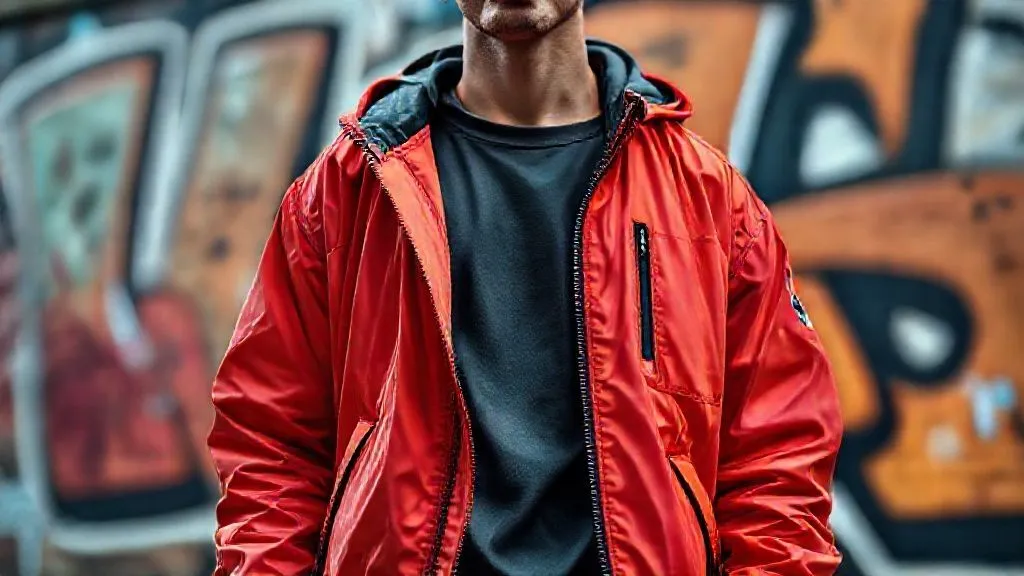
How to Prevent Sportswear Influence from Cheapening Streetwear Brand Image?
For over 15 years in the streetwear trenches, I've witnessed countless brands ride the wave of hype only to crash when they lose sight of their core identity. One of the most insidious threats creeping into the streetwear landscape today is the overwhelming, often uncritical, influence of sportswear. It's a double-edged sword: the allure of comfort, performance, and mass appeal can quickly erode the very authenticity and edge that define streetwear.
The problem isn't just about incorporating a technical fabric or a relaxed silhouette; it’s about the subtle, often subconscious, shift in brand perception. When your carefully cultivated brand—born from subculture, individuality, and audacious self-expression—starts to look indistinguishable from mass-market athletic wear, you're in deep trouble. Your loyalists feel alienated, new customers see no unique value, and your brand's premium positioning begins to unravel.
But fear not, because understanding this challenge is the first step towards mastering it. In this definitive guide, I'll share actionable frameworks, real-world insights, and expert strategies to help you navigate the sportswear tide. We'll explore how to selectively integrate elements, maintain your unique aesthetic, and ultimately, how to prevent sportswear influence from cheapening streetwear brand image, ensuring your brand not only survives but thrives with its authenticity intact.
Mastering Your Brand's DNA: The Unshakeable Core
Before you even think about integrating any external trends, you must have an ironclad understanding of your brand's DNA. This isn't just a logo or a color palette; it's the very soul of your brand, its origin story, its values, and its unique point of view. Without this clarity, any attempt to embrace new influences will feel disjointed and opportunistic, inevitably leading to dilution.
Define Your Brand's Non-Negotiables
I always advise my clients to create a 'Brand Blueprint' – a document that explicitly outlines the immutable elements of their identity. This includes:
- Heritage & Inspiration: What cultural movements, historical moments, or artistic expressions gave birth to your brand?
- Aesthetic Code: Beyond trends, what are the enduring visual elements, silhouettes, and design principles that are uniquely yours?
- Target Audience & Community: Who are you speaking to? What are their values, aspirations, and lifestyle? Your tribe defines your brand as much as you do.
- Brand Message & Tone: What story are you telling? Is it rebellious, understated, luxurious, functional, or a blend?
- Core Values: What does your brand stand for? Is it sustainability, craftsmanship, innovation, exclusivity, or social commentary?
By articulating these non-negotiables, you establish clear boundaries. Any sportswear influence must be filtered through this lens, ensuring it enhances, rather than detracts from, your brand's intrinsic character. Think of it as your brand's immune system, protecting it from foreign invaders.
“Authenticity is not something you 'add' to your brand; it's what you protect at all costs, especially when external pressures tempt you to stray.”

Strategic Material & Fabrication Choices: Beyond Performance
One of the quickest ways to cheapen a streetwear brand is by indiscriminately adopting synthetic, mass-produced performance fabrics without a clear strategic intent. While sportswear thrives on functionality, streetwear's allure often lies in its tactile quality, drape, and the story woven into its materials. The challenge is to borrow the *spirit* of performance—comfort, durability—without sacrificing the *soul* of streetwear—premium feel, unique texture, and aesthetic depth.
Elevating Textiles Beyond Pure Functionality
When I consult with brands, we spend significant time on material innovation. It's not about avoiding technical fabrics altogether, but about how you select, combine, and treat them. Consider:
- Hybrid Fabrics: Explore blends that offer the best of both worlds. A cotton-nylon blend can provide breathability and structure without feeling overtly 'gym wear'.
- Premium Naturals: Invest in high-quality organic cottons, heavy-weight fleeces, merino wools, or even silks that offer natural performance benefits like breathability and temperature regulation, but with a luxurious hand-feel.
- Unique Finishes & Treatments: Look for innovative washes, coatings, or dyeing techniques that give a standard fabric a distinct, high-end appearance. Think water-repellent treatments on natural fibers or unique garment dyes.
- Sustainable & Ethical Sourcing: A brand committed to ethical production and sustainable materials inherently elevates its image. This adds value beyond mere aesthetics, appealing to a conscious consumer base.
According to a recent Deloitte study on consumer trends, sustainability is no longer a niche concern but a mainstream expectation, especially among younger demographics. Incorporating eco-friendly materials or transparent supply chains can significantly boost your brand's perceived value and authenticity.
| Aspect | Cheap Sportswear Approach | Premium Streetwear Approach |
|---|---|---|
| Material Choice | Mass-produced synthetics (polyester, nylon) | Hybrid blends, organic cottons, merino wool, unique finishes |
| Fabric Feel | Smooth, slick, uniform | Textured, substantial, luxurious hand-feel |
| Sustainability Focus | Low priority, cost-driven | Ethical sourcing, recycled content, transparency |
| Durability & Craftsmanship | Designed for short-term trend cycles | Built to last, emphasis on quality construction |
Design Language: Blending, Not Copying
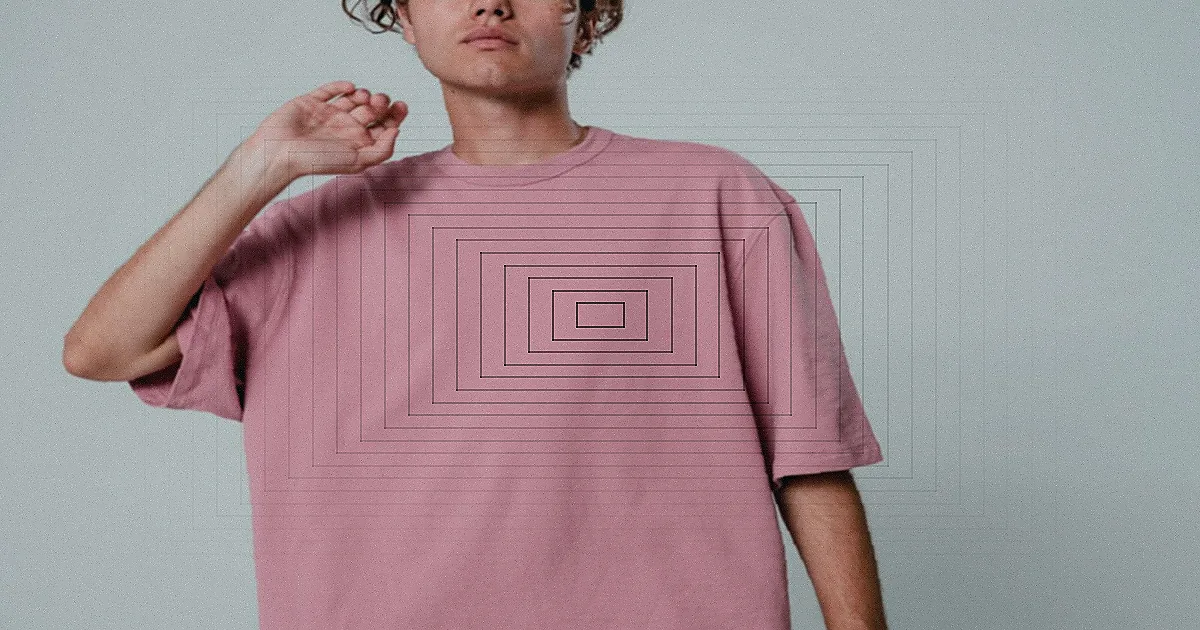
This is where many brands falter. They see a trend—say, oversized hoodies with drop shoulders—and simply replicate it, often using cheaper materials and construction. The result is a generic product that screams 'fast fashion' rather than 'streetwear innovation'. The key is to understand the underlying principles of sportswear appeal and translate them into your brand's unique design language, rather than directly importing motifs.
The Art of Subtlety in Athleisure Integration
My approach is always about 'selective adaptation' over 'direct imitation'. Here’s a process I guide brands through:
- Deconstruct the Sportswear Element: Identify what truly makes a sportswear item appealing. Is it the ergonomic cut, the stretch, the moisture-wicking property, or a specific detail like a technical zipper?
- Filter Through Brand DNA: How does this element align with your brand's aesthetic, values, and narrative? If it doesn't fit, discard it.
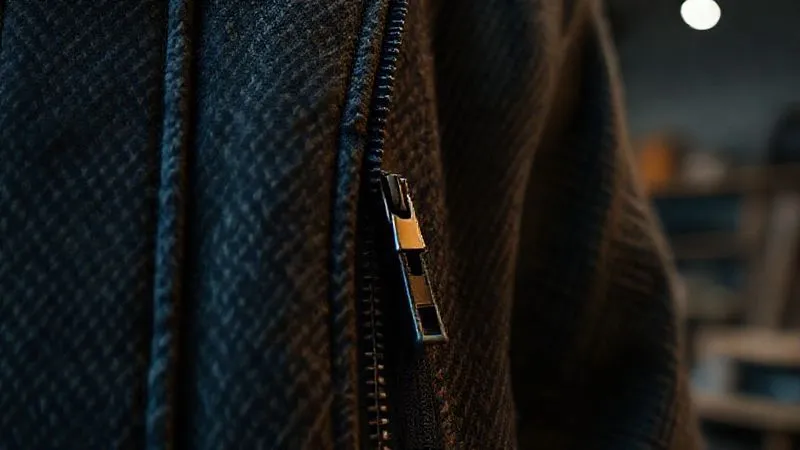
- Reinterpret & Elevate: Instead of a direct copy, how can you reinterpret that element using your brand's materials, silhouettes, and detailing? For example, a technical zipper might become a statement piece on a premium wool jacket, or a performance seam could be subtly incorporated into a tailored pant for enhanced movement without looking like gym wear.
- Focus on Proportions & Silhouettes: Streetwear often plays with exaggerated or deconstructed proportions. Maintain these unique silhouettes even when incorporating sportswear elements. A relaxed fit is one thing; a generic baggy fit is another.
- Consider the Context: Streetwear is about urban life, art, music, and counter-culture. Ensure your designs reflect this context, not just a workout session.
Case Study: How 'Urban Weaver' Maintained Its Edge
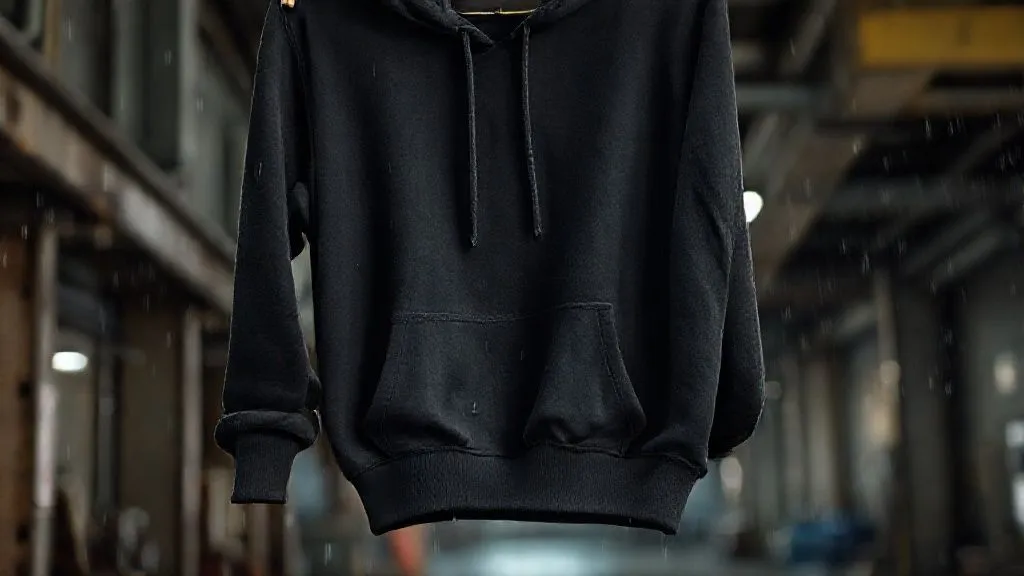
Urban Weaver, a fictional but highly realistic streetwear brand I've advised, faced intense pressure to adopt more 'athleisure' styles. Their brand was built on raw denim, distressed leather, and oversized graphic tees, embodying a gritty, artistic vibe. Instead of creating tracksuits, they meticulously integrated subtle performance elements. They introduced denim with a slight stretch for comfort, inspired by movement in sportswear, but used a unique selvedge denim that aged beautifully. They developed heavyweight cotton hoodies with articulated sleeves and refined flatlock stitching—details borrowed from performance wear—but rendered in their signature muted color palette with custom, hand-distressed embroidery. The result? Their pieces offered enhanced comfort and durability without ever looking like gym clothes. They sold out every collection, proving that thoughtful integration, not imitation, is the path to sustained brand value.
Limited Editions & Exclusive Collaborations: Cultivating Scarcity
In a saturated market, exclusivity is a powerful currency. When sportswear giants churn out millions of units, streetwear brands must lean into scarcity and unique partnerships to maintain their premium appeal. This strategy not only prevents your brand from being perceived as 'cheap' but actively elevates its desirability.
Forging Strategic Alliances
I've always advocated for collaborations that make sense for the brand's narrative, not just for a quick buzz. These aren't just about slapping logos together; they're about creating something truly new and meaningful:
- Artist Collaborations: Partner with visual artists, musicians, or designers whose work resonates with your brand's ethos. This injects fresh creativity and cultural relevance.
- Niche Craftspeople: Work with artisans skilled in specific crafts—leatherwork, embroidery, tie-dye—to create hyper-limited, hand-finished pieces. This emphasizes craftsmanship and uniqueness.
- Non-Fashion Brands: Consider collaborations with unexpected partners like specialty coffee roasters, independent record labels, or bespoke furniture makers. These cross-industry partnerships create intriguing narratives and expand your brand's cultural footprint.
- Limited-Run Capsules: Instead of continuous production, release small, curated capsule collections. This creates urgency and reinforces the idea that your brand offers something special and hard to acquire.
As Seth Godin, the renowned marketing guru, often says, 'The opposite of scarcity is ubiquity.' If your product is everywhere, it’s perceived as common. Strategic scarcity, on the other hand, fuels desire and reinforces a premium image. This approach allows your brand to engage with the broader cultural conversation without diluting its distinct voice. For more insights on impactful brand collaborations, explore resources like The Business of Fashion's insights on strategic partnerships.
Storytelling & Brand Narrative: Beyond Functionality
Sportswear, by its very nature, is often about performance metrics, efficiency, and physical achievement. Streetwear, however, is fundamentally about narrative, identity, and cultural expression. When sportswear influence starts to creep in, there's a danger that your brand's rich story gets overshadowed by mere functionality. To prevent this cheapening, you must double down on your unique narrative.
Crafting a Narrative That Resonates Deeply
Your brand's story is its most powerful asset. It's what connects with your audience on an emotional level, transcending the purely transactional. Here's how to ensure your narrative remains compelling:
- Emphasize Origin & Inspiration: Continually remind your audience of where your brand came from. Was it born from a specific subculture, a personal struggle, an artistic movement, or a philosophical stance? These roots are unique to you.
- Highlight Craftsmanship & Process: Detail the journey of your garments, from design conceptualization to material sourcing, to the skilled hands that bring them to life. This adds perceived value and distinguishes your product from mass-produced items.
- Showcase Your Community: Feature the real people who wear your brand – artists, musicians, creators, entrepreneurs. Their stories become an extension of your own, demonstrating authenticity and cultural relevance.
- Connect to Broader Themes: Does your brand speak to individuality, rebellion, sustainability, urban exploration, or social commentary? Weave these themes into your content, campaigns, and overall messaging.
- Use Evocative Language & Imagery: Move beyond generic product descriptions. Use language that paints a picture, evokes emotion, and aligns with your brand's distinct tone of voice. Your visuals should tell a story, not just showcase a product.
“People don't buy what you do; they buy why you do it. Your story is your 'why,' and it's what differentiates you in a sea of sameness.”

Pricing Strategy: Value, Not Just Cost
A common mistake I observe is brands underpricing their products to compete with mass-market sportswear, or conversely, overpricing without a clear justification. Both can cheapen a brand's image. Your pricing strategy must reflect the true value of your brand – its unique DNA, quality, craftsmanship, exclusivity, and the story it tells. It's not just about cost-plus; it's about perceived value and market positioning.
Justifying Premium Price Points
To avoid appearing 'cheap' when integrating sportswear elements, your pricing needs to communicate confidence in your brand's worth:
- Quality & Craftsmanship: If you're using premium materials, unique finishes, or superior construction techniques, your price should reflect that investment. Be transparent about what makes your product superior.
- Exclusivity & Scarcity: Limited editions, collaborations, and small production runs naturally command higher prices due to their rarity.
- Brand Equity & Narrative: The strength of your brand's story, its cultural relevance, and its established reputation contribute significantly to its perceived value. Customers are willing to pay for a piece of that narrative.
- Design & Innovation: If your designs are truly unique, innovative, and thoughtfully integrated with sportswear elements in a novel way, this justifies a premium.
- Customer Experience: A seamless online experience, exceptional customer service, and premium packaging all add to the perceived value of your brand.
Remember, your price is a signal. A low price can signal low quality, even if your product is excellent. A well-justified premium price, however, signals quality, exclusivity, and a strong brand identity. For further reading on value-based pricing, articles from Harvard Business Review often provide excellent frameworks.
| Pricing Factor | Impact on Perceived Value | Risk if Ignored |
|---|---|---|
| Material Quality | High-end fabrics justify premium pricing. | Seen as generic, mass-market quality. |
| Design Uniqueness | Innovative and original designs command higher prices. | Perceived as a copycat, lacking originality. |
| Brand Narrative & Heritage | Strong story builds emotional connection and willingness to pay. | Just another product, no deeper meaning. |
| Exclusivity & Scarcity | Limited runs create desire and premium status. | Commoditized, easily replaceable. |
| Craftsmanship & Production | Attention to detail and ethical production add value. | Associated with fast fashion, poor quality. |
| Customer Experience | Seamless service and premium packaging enhance value. | Negative experience detracts from perceived quality. |
Marketing & Visual Communication: Showcasing Authenticity
Your marketing and visual communication are the front lines of your brand's image. If your campaigns start to look like generic sportswear ads—all about performance, sweat, and athletic prowess—you're actively contributing to the cheapening of your streetwear brand. The visuals you present, the models you choose, the locations for your shoots, and the overall mood of your campaigns must unequivocally reinforce your unique streetwear identity.
Crafting Visuals That Speak Your Brand's Language
I always emphasize that visuals are not just about aesthetics; they are about storytelling and brand positioning. To prevent dilution:
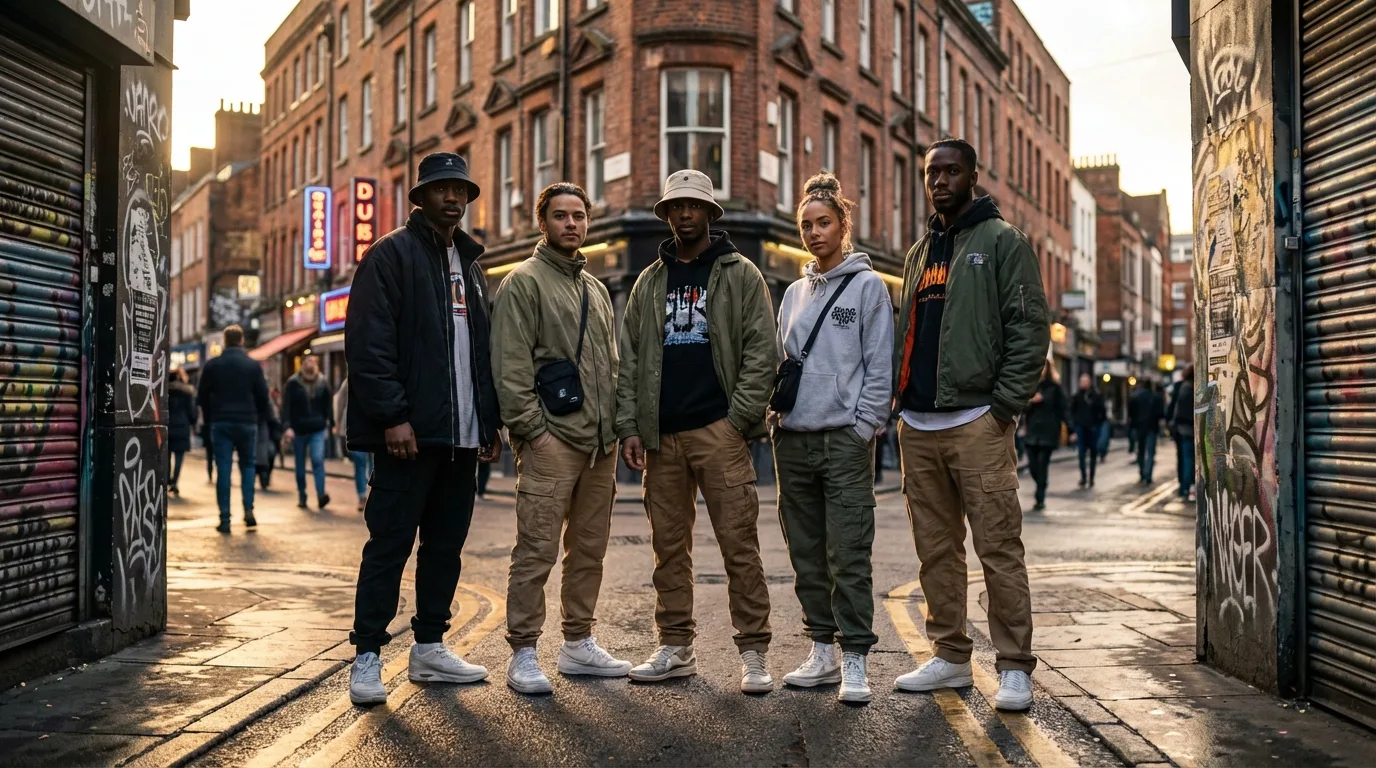
- Editorial & Lifestyle Shoots: Move beyond sterile studio shots. Create rich, editorial narratives that showcase your garments in real-world, culturally relevant contexts. Think urban landscapes, art galleries, music venues, or creative workspaces.
- Authentic Casting: Avoid generic fitness models. Cast individuals who embody your brand's subculture, creativity, and individuality. They should reflect the diverse, edgy spirit of streetwear, not just athletic capability.
- Focus on Styling: Even if a garment has a sportswear influence, style it in a way that is distinctly streetwear. Layering, accessorizing, and combining pieces in unexpected ways can transform an item.
- Highlight Details, Not Just Function: Zoom in on unique stitching, custom hardware, fabric textures, and subtle design elements that convey craftsmanship and thought, rather than just showing someone running.
- Consistent Aesthetic: Maintain a consistent visual language across all platforms—social media, website, lookbooks. This builds recognition and reinforces your brand's unique identity.
Your marketing should evoke emotion, aspiration, and a sense of belonging to a specific cultural tribe, not just a desire for a comfortable pair of joggers. For further inspiration on impactful fashion marketing, review resources like WWD (Women's Wear Daily) for industry trends and best practices.
Community Building & Cultural Curation: Engaging Your Tribe
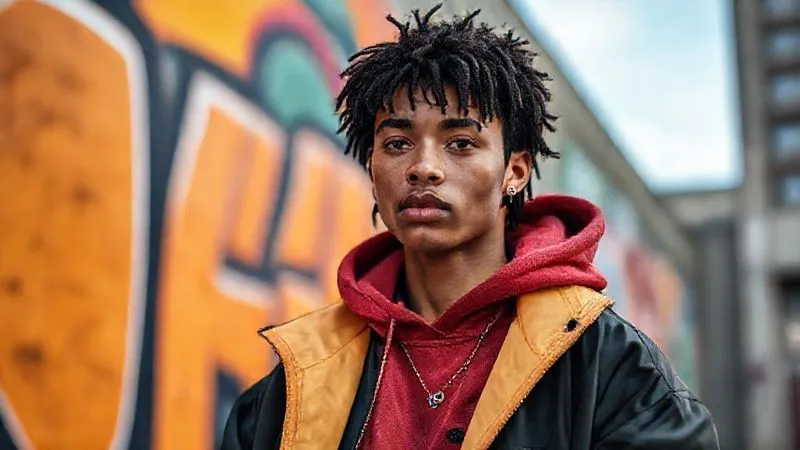
Streetwear emerged from communities—skate, hip-hop, graffiti art. Its essence is intrinsically linked to cultural movements and the people who embody them. When your brand starts to lean too heavily into mainstream sportswear, it risks alienating its original community and losing its cultural anchor. True streetwear brands don't just sell clothes; they curate culture and foster a sense of belonging.
Nurturing Your Brand's Cultural Ecosystem
I've seen firsthand how powerful a strong community can be in insulating a brand from dilution. Here’s how to cultivate it:
- Host Niche Events: Organize pop-ups, art shows, music nights, or skate jams that align with your brand's specific subcultural interests. These create authentic touchpoints and strengthen bonds.
- Empower Brand Ambassadors: Identify genuine enthusiasts—artists, musicians, local influencers, or even loyal customers—who organically embody your brand's values. These aren't just paid models; they are part of your extended family.
- Collaborate with Cultural Gatekeepers: Partner with independent magazines, niche blogs, local artists, or small businesses that resonate with your brand's ethos. This positions your brand as a supporter and participant in the culture, not just a consumer.
- User-Generated Content (UGC): Encourage your community to share how they wear and style your garments. This provides authentic social proof and showcases the diversity and creativity of your tribe.
- Listen to Your Audience: Engage in genuine dialogue. Solicit feedback, run polls, and be responsive to your community's evolving needs and desires. This makes them feel valued and invested.
By actively investing in your community and curating the culture around your brand, you create a powerful defense against the homogenizing forces of mass-market trends. Your tribe becomes your strongest advocate, ensuring your brand's authenticity remains undeniable. For deeper insights into building powerful brand communities, explore resources from platforms focused on digital community engagement.
Frequently Asked Questions (FAQ)
Is it possible to avoid sportswear influence entirely and still be relevant in modern streetwear? While complete avoidance might be challenging given the pervasive nature of comfort and technical innovation, it's certainly possible to maintain relevance without succumbing to direct imitation. The key is selective integration and a strong emphasis on your brand's unique identity. Many successful brands have minimal sportswear elements, focusing instead on heritage, unique fabrics, and distinct silhouettes. Relevance comes from authenticity and cultural resonance, not just trend adoption.
How do I identify if my brand image is starting to be cheapened by sportswear influence? Look for several red flags: your loyal customers expressing a sense of disconnect, new customers comparing you directly to mass-market athletic brands, a decline in perceived value despite consistent quality, or simply your own internal feeling that your designs are losing their unique edge and becoming too generic. Conduct customer surveys, monitor social media sentiment, and regularly audit your product line against your brand's core DNA.
What role does sustainability play in maintaining a premium streetwear image, especially when integrating sportswear elements? Sustainability is increasingly crucial. Consumers are more aware of ethical production and environmental impact. For a premium streetwear brand, using sustainable materials, transparent supply chains, and eco-conscious manufacturing processes can significantly enhance perceived value and authenticity. It elevates your brand beyond mere aesthetics, appealing to a conscious consumer base and differentiating you from fast-fashion sportswear.
How often should I reassess my brand's strategy regarding trends and sportswear influence? I recommend a formal strategy review at least once a year, with informal check-ins quarterly. The fashion landscape evolves rapidly, but your brand's core should be stable. These reviews should assess market trends, competitor strategies, customer feedback, and internal brand alignment. The goal isn't to constantly chase trends, but to understand the landscape and make informed, strategic decisions that protect your brand's integrity.
Can I still appeal to a broader audience without losing exclusivity and a premium image? Yes, but it requires careful balancing. Expanding your audience doesn't mean diluting your brand for mass appeal. It means effectively communicating your unique value proposition to a wider segment of discerning consumers. This can be achieved through strategic marketing, limited collaborations, and offering entry-level items that still embody your brand's essence, while maintaining higher-tier exclusive pieces. The goal is to grow your 'tribe,' not to become a generic brand for everyone.
Key Takeaways and Final Thoughts
- Know Your DNA: Your brand's core identity is its strongest defense against dilution. Define it, protect it, and filter all influences through it.
- Smart Material Choices: Elevate textiles beyond pure function. Focus on hybrid blends, premium naturals, and unique finishes that offer comfort without sacrificing luxury or texture.
- Design with Intent: Blend, don't copy. Reinterpret sportswear elements through your unique design language, focusing on subtle integration and maintaining distinct silhouettes.
- Cultivate Scarcity: Leverage limited editions and strategic collaborations to create desire and reinforce your brand's exclusive, premium positioning.
- Master Your Narrative: Tell compelling stories that connect emotionally. Your brand's heritage, craftsmanship, and cultural relevance are your most powerful assets.
- Price for Value: Your pricing should reflect your brand's true worth—quality, exclusivity, design, and story—not just production cost.
- Authentic Visuals: Your marketing and visual communication must consistently reinforce your streetwear identity, using editorial shoots, authentic casting, and culturally relevant contexts.
- Build Your Tribe: Foster a strong community and curate culture around your brand. Your loyalists are your most powerful advocates against dilution.
The streetwear landscape is dynamic, and navigating the pervasive influence of sportswear requires vigilance, strategic thinking, and an unwavering commitment to your brand's authenticity. It's not about rejecting innovation or comfort, but about integrating these elements on your terms, ensuring they enhance rather than erode the unique spirit that makes your brand special. By adhering to these principles, you can not only prevent sportswear influence from cheapening streetwear brand image but also solidify its position as a truly valuable and respected voice in the fashion world. The future of streetwear belongs to those who innovate with integrity.
Recommended Reading
- The Ultimate Guide: How to Get Your Fashion Photos Published in Top Magazines
- 6 Data Challenges Hindering AI Fashion Design & How to Conquer Them
- Haute Couture: 7 Strategies to Preserve Exclusivity for Growth
- 7 Steps to Verify Ethical Supply Chains in Sustainable Activewear
- Achieving High-Performance Fabrics: 7 Eco-Friendly Material Strategies

Your email address will not be published. Required fields are marked *