


How to Verify Supply Chain Ethics for Sustainable Activewear Brands?
For over 15 years in the activewear industry, I've witnessed firsthand the seismic shift towards sustainability. Yet, I've also seen the rise of 'greenwashing' – brands making grand, unsubstantiated claims that leave conscious consumers feeling misled and frustrated. It's a complex landscape, one where genuine ethical efforts can be overshadowed by marketing fluff.
The core problem isn't just a lack of information; it's the overwhelming deluge of it, often without context or reliable verification. Consumers want to support brands doing good, but they struggle to discern authentic commitment from clever PR. This journey of discovery can feel like navigating a dense jungle without a compass, especially when trying to understand the intricate global supply chains behind your favorite leggings.
In this definitive guide, I'll share my proven framework and expert insights on how to verify supply chain ethics for sustainable activewear brands. We’ll move beyond surface-level claims, diving deep into actionable strategies, essential certifications, and critical questions that will empower you to make truly informed choices, ensuring your activewear aligns with your values.
Beyond the Hype: Understanding True Ethical Sourcing
Before we delve into verification steps, it's crucial to establish what 'ethical' truly means in the context of activewear supply chains. It's far more than just using recycled polyester; it encompasses the entire journey of a garment, from raw material extraction to final packaging.
This holistic view includes fair labor practices, safe working conditions, environmental stewardship, animal welfare, and community impact. Without addressing all these facets, a brand's sustainability claim is, at best, incomplete, and at worst, disingenuous.
"True sustainability isn't a single feature; it's a systemic commitment woven into every thread of a brand's operation, from the soil where materials grow to the hands that sew the final stitch."
I've observed that many brands excel in one area, like using organic cotton, but falter in others, such as paying living wages. Our goal here is to equip you with the tools to scrutinize these claims and demand comprehensive accountability. It's about looking for consistency and depth across the entire value chain.

Step 1: Scrutinizing Certifications – What Really Matters?
Certifications are often the first point of contact for consumers seeking ethical activewear, but not all are created equal. Some are robust, independently verified standards, while others are internal brand labels with minimal oversight. Learning to differentiate between them is paramount.
My advice is always to look for *third-party* certifications, meaning an independent organization has audited the brand or its suppliers against a specific set of criteria. These are far more trustworthy than self-proclaimed badges.
Key Certifications to Look For:
- GOTS (Global Organic Textile Standard): The gold standard for organic fibers, ensuring organic status from harvesting of the raw materials through environmentally and socially responsible manufacturing.
- Fair Trade Certified: Focuses on fair wages, safe working conditions, community development, and environmental stewardship for farmers and factory workers.
- Bluesign®: A comprehensive system that provides solutions in sustainable textile production, eliminating harmful substances from the beginning of the manufacturing process.
- OEKO-TEX® Standard 100: Ensures textiles are tested for harmful substances, guaranteeing product safety for human health. While not a social or environmental standard for production, it's crucial for end-product safety.
- B Corp Certification: While not specific to textiles, B Corps are companies that meet the highest standards of verified social and environmental performance, public transparency, and legal accountability.
- SA8000: A leading social certification standard for factories and organizations worldwide, ensuring fair treatment of workers.
When you see a certification, always ask: Who issued it? What does it cover? Is it regularly renewed? A quick search on the certifying body's website can often confirm a brand's claims. For instance, the Fair Trade USA website allows you to search for certified products and brands.
Step 2: Demanding Transparency – Tracing the Journey
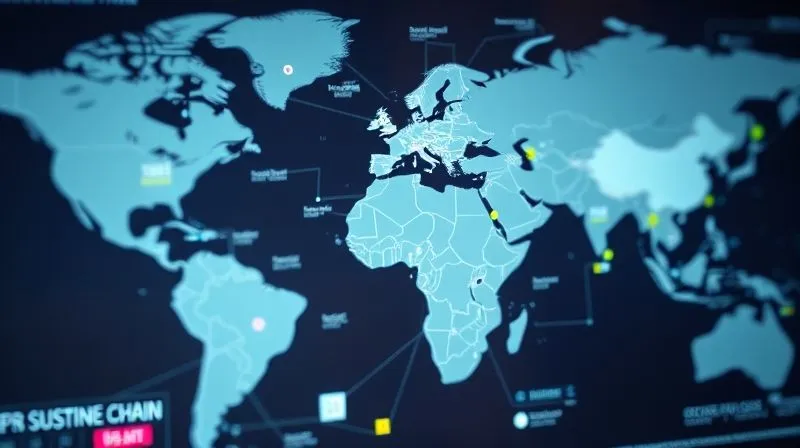
True ethical brands don't just state they're sustainable; they show you how. This means providing clear, verifiable information about their entire supply chain, from the origin of raw materials to the manufacturing facilities.
Look for brands that publish their supplier lists, factory locations, and even details about their raw material sources. This level of transparency indicates a brand is confident in its practices and has nothing to hide. It's a powerful indicator of their commitment to ethical sourcing.
Tools for Supply Chain Mapping:
- Supplier Maps: Many leading sustainable brands now offer interactive maps on their websites, allowing you to click on factories and learn about their operations.
- Traceability Platforms: Some brands utilize blockchain or other digital platforms to track materials and products through their journey, providing an immutable record.
- Annual Impact Reports: Comprehensive reports that detail a brand's social and environmental performance, including supply chain data. Look for specific metrics, not just vague statements.
- Publicly Available Policies: Ethical sourcing policies, human rights policies, and environmental policies should be easily accessible and clearly outline the brand's commitments and expectations for suppliers.
If a brand is vague about where their products are made, or only mentions the final assembly location without detailing fabric mills or raw material origins, consider that a red flag. As marketing guru Seth Godin often says, "Transparency isn't about having nothing to hide. It's about having nothing to fear."
Step 3: Audits and Assessments – Digging Deeper Than Surface Claims
Beyond certifications, regular independent audits and assessments are vital. These are systematic evaluations of a supplier's performance against specific ethical, social, and environmental standards. They provide a deeper look into day-to-day operations.
However, it's important to understand the limitations. A single audit is a snapshot in time. What matters is a brand's commitment to continuous improvement, addressing non-compliance, and fostering long-term relationships with suppliers.
Types of Audits and Their Focus:
| Audit Type | Primary Focus | Key Benefit |
|---|---|---|
| Social Compliance Audit (e.g., SMETA) | Labor practices, health & safety, wages, working hours, child labor prevention. | Ensures basic human rights and fair treatment of workers. |
| Environmental Audit (e.g., ISO 14001) | Waste management, water usage, energy consumption, chemical handling, emissions. | Assesses and helps mitigate environmental footprint. |
| Quality Audit | Product quality, production processes, material integrity. | Ensures product meets specified standards and reduces waste from defects. |
| Animal Welfare Audit | Treatment of animals in material sourcing (e.g., wool, down).? | Verifies ethical treatment of animals across the supply chain. |
I've seen brands proudly display an audit report from years ago without demonstrating continuous engagement. The best practice is for brands to conduct regular, unannounced audits, often through reputable third-party firms. They should also be transparent about the findings and their corrective action plans.
According to a report by the International Labour Organization (ILO), effective social auditing requires a commitment to collaboration and remediation, not just punitive measures. Look for brands that speak about partnership with their suppliers to improve conditions.
Step 4: Engaging with Worker Voices – The Human Element
At the heart of ethical supply chains are the people who make our clothes. No amount of certification or auditing can fully capture the reality of working conditions without hearing directly from the workers themselves. This is perhaps the most challenging, yet most crucial, aspect of verification.
While consumers can't directly interview factory workers, we can look for brands that actively facilitate worker voice mechanisms. These include anonymous grievance channels, worker representation on factory committees, and partnerships with worker advocacy groups.
Case Study: Elevating Worker Welfare at 'VerdeWear'
VerdeWear, a mid-sized sustainable activewear brand, faced scrutiny regarding its overseas manufacturing partners. Instead of simply relying on annual audits, they piloted a new program. They partnered with a local NGO to establish an independent, anonymous grievance hotline for workers in their primary factory. This hotline was promoted within the factory in multiple languages and overseen by the NGO, not factory management.
Within six months, the hotline revealed several issues, including inconsistent overtime pay and inadequate ventilation in one section. VerdeWear, in collaboration with the factory management and the NGO, developed and implemented corrective action plans, including adjusting payroll systems and investing in new ventilation equipment. They also established a worker committee elected by their peers, which now meets monthly with factory management and a VerdeWear representative.
This proactive approach not only improved working conditions but also built trust among workers, leading to higher morale and reduced turnover. It demonstrated VerdeWear's genuine commitment to the human element of their supply chain, moving beyond mere compliance to true empowerment.
"The truest measure of an ethical supply chain isn't just the absence of harm, but the active promotion of worker well-being and agency."
Step 5: Environmental Impact – Beyond Just 'Eco-Friendly'
Sustainability in activewear extends far beyond recycled materials. It encompasses the entire environmental footprint: water usage, energy consumption, chemical management, waste generation, and greenhouse gas emissions. A truly sustainable brand addresses all these areas comprehensively.
When you're trying to verify supply chain ethics for sustainable activewear brands, it's not enough for a brand to say they're 'eco-friendly.' You need to look for specific, measurable data and commitments.
Key Environmental Metrics to Evaluate:
- Water Consumption: Look for data on water usage per garment or per kilogram of fabric, and efforts to reduce or recycle water in dyeing and finishing processes.
- Energy Usage & Renewables: Does the factory use renewable energy sources? Are there targets for reducing energy consumption?
- Chemical Management: Are harmful chemicals restricted or eliminated? Look for certifications like Bluesign® or OEKO-TEX® that specifically address chemical safety.
- Waste Diversion: What happens to textile waste, offcuts, and packaging waste? Are there recycling or upcycling programs in place?
- Carbon Footprint: Does the brand measure and report its greenhouse gas emissions across its supply chain (Scope 1, 2, and 3)? Are there reduction targets?
Brands that genuinely prioritize environmental stewardship will often invest in cleaner technologies, partner with suppliers committed to green manufacturing, and publish detailed environmental impact reports. They understand that every stage of the supply chain has an ecological consequence.

Step 6: Material Sourcing – From Fiber to Fabric
The choice of materials is fundamental to sustainable activewear. However, even 'sustainable' materials can have ethical issues in their production. For example, while organic cotton is great for the environment, if the farmers aren't paid fairly, it's not truly ethical.
Similarly, recycled synthetics are good for diverting waste, but their production still requires energy and can release microplastics. A truly ethical brand considers the entire lifecycle impact of its materials.
Ethical Material Checklist:
- Organic & Regenerative: Prioritize organic cotton, hemp, linen, or innovative regenerative fibers that improve soil health. Look for GOTS certification.
- Recycled & Upcycled: For synthetics, seek out recycled polyester (rPET) from post-consumer waste or upcycled materials, ensuring transparency about the source.
- Low-Impact Dyes: Inquire about the dyeing processes. Are low-impact, non-toxic dyes used? Is water recycled?
- Animal Welfare: If animal-derived materials are used (e.g., merino wool, down), ensure they are certified for ethical animal treatment (e.g., Responsible Wool Standard, Responsible Down Standard).
- Longevity & Durability: A truly sustainable garment is one that lasts. High-quality, durable materials reduce the need for frequent replacement, lessening overall consumption.
Brands should be able to tell you not just *what* materials they use, but *where* they come from and *how* they are processed. For comprehensive insights into material impact, resources like the Textile Exchange provide invaluable data and standards for preferred fibers and materials.
Step 7: Brand Communication & Accountability – Reading Between the Lines
Finally, how a brand communicates its sustainability efforts is a critical indicator of its true commitment. Ethical brands are transparent, humble, and honest about their challenges and ongoing efforts. They don't shy away from admitting areas for improvement.
Beware of brands that use vague terms, buzzwords without substance, or focus solely on marketing over actual impact. This is where your honed critical thinking skills become essential in the quest to verify supply chain ethics for sustainable activewear brands.
Red Flags in Brand Communication:
- Greenwashing Language: Overuse of terms like 'natural,' 'eco-friendly,' 'green,' without specific evidence or certifications.
- Lack of Specificity: General statements like 'we care about our workers' instead of detailing specific labor practices, wages, or audit results.
- Focus on a Single 'Good' Feature: Highlighting one sustainable aspect (e.g., recycled fabric) while omitting information on other crucial areas like labor, water, or chemicals.
- No Public Data: Absence of annual impact reports, supplier lists, or publicly accessible policies.
- Unsubstantiated Claims: Claims that cannot be verified by third-party certifications or publicly available data.
| Aspect | Ethical Brand Communication | Greenwashing Tactic |
|---|---|---|
| Transparency | Publishes detailed supplier lists, factory audit summaries, and material origins. | States 'ethically sourced' without providing any verifiable details. |
| Impact Reporting | Provides comprehensive annual impact reports with measurable KPIs for environmental and social factors. | Shares anecdotal stories or vague promises without hard data or targets. |
| Challenges & Improvements | Acknowledges ongoing challenges and outlines clear plans for continuous improvement. | Presents itself as perfectly sustainable, ignoring any areas for development or past issues. |
| Certifications | Highlights third-party certifications with clear explanations of what they mean. | Uses internal 'eco-badges' or obscure certifications that lack independent verification. |
A truly accountable brand will also engage with criticism constructively, answer consumer questions openly, and actively participate in industry initiatives to improve standards. They see transparency as an opportunity, not a burden. For example, the Fashion Revolution Transparency Index is an excellent resource for comparing brands' public disclosure.
Frequently Asked Questions (FAQ)
What is the biggest challenge in verifying supply chain ethics for sustainable activewear brands? The biggest challenge is the inherent complexity and opacity of global supply chains. Many brands themselves don't have full visibility beyond their tier-1 suppliers (final assembly). Materials can pass through multiple hands before reaching the factory, making full traceability incredibly difficult. This is why a multi-pronged approach, combining certifications, audits, and transparency demands, is essential.
Can a small brand truly be ethical if they don't have all the certifications? Absolutely. Certifications can be expensive and resource-intensive, often prohibitive for small brands. A small brand can demonstrate ethics through direct relationships with suppliers, hyper-local production, clear communication of their practices, and a commitment to fair wages and environmental stewardship, even without formal certifications. Look for their story, their direct engagement, and their willingness to share details.
Are 'Made in [Developed Country]' activewear brands automatically more ethical? Not necessarily. While developed countries often have stronger labor laws and environmental regulations, violations can still occur. Additionally, the raw materials and fabrics might still be sourced from countries with lower standards. It's crucial to look beyond just the 'Made In' label and apply the same verification steps to understand the entire supply chain.
How can consumers collectively push for more ethical practices? Consumer demand is a powerful force. Ask brands tough questions on social media, send emails, participate in advocacy campaigns, and most importantly, support brands that genuinely demonstrate ethical practices. Your purchasing power and voice signal to the industry that ethics and sustainability are non-negotiable.
What's the difference between social and environmental sustainability in activewear? Social sustainability focuses on the human element – fair labor practices, safe working conditions, living wages, and community impact. Environmental sustainability focuses on the ecological footprint – resource consumption (water, energy), pollution (chemicals, waste), and greenhouse gas emissions. True sustainable activewear addresses both aspects holistically, as they are intrinsically linked.
Key Takeaways and Final Thoughts
Navigating the world of sustainable activewear to verify supply chain ethics can feel daunting, but with the right framework, you can become an empowered and informed consumer. Remember, true sustainability is a journey, not a destination, and it requires continuous scrutiny and commitment from both brands and consumers.
- Demand Transparency: Look for brands that openly share their supplier lists, factory locations, and material sources.
- Scrutinize Certifications: Prioritize robust, third-party certifications over vague internal claims.
- Look for Actionable Data: Seek out specific metrics on environmental impact and social performance, not just marketing buzzwords.
- Support Worker Voice: Favor brands that actively engage with and empower their workers.
- Think Holistically: Consider the entire lifecycle of a garment, from raw materials to end-of-life, across both social and environmental dimensions.
By applying these seven steps, you're not just buying activewear; you're investing in a more equitable and sustainable future. Your choices have power, and by verifying the ethics behind your garments, you contribute to a movement that champions both people and planet. Keep asking questions, keep demanding better, and together, we can reshape the activewear industry for good.
Recommended Reading
- The Secret to Preserving Vintage Silk Heirlooms: A Home Guide
- 5 Proven Steps: Eliminate Daily Outfit Decisions for Busy Professionals
- Unveiling the Secrets: What Techniques Elevate Haute Couture Craftsmanship?
- The Unseen Culprit: Why Does Your Activewear Still Smell After Washing?
- Scaling Couture: 7 Pillars to Preserve Uncompromising Atelier Quality





Your email address will not be published. Required fields are marked *