

Unveiling the Artistry: What Techniques Elevate Haute Couture Craftsmanship?
Imagine a garment that transcends mere clothing, transforming into a living sculpture, a testament to human ingenuity and dedication. Picture the whisper of silk, the glint of a thousand hand-sewn beads, the perfect drape that seems to defy gravity. This is the realm of haute couture, a world where fashion becomes fine art, and every stitch tells a story of unparalleled skill, passion, and meticulous attention to detail. It's a universe away from mass production, existing as a pinnacle of creativity and handcrafted excellence.
But what precisely imbues these creations with such extraordinary power and prestige? Beyond the astronomical price tags and exclusive clientele, what are the hidden, almost mystical, techniques that elevate haute couture craftsmanship from standard luxury fashion? How do designers and their dedicated ateliers achieve such breathtaking precision, ethereal beauty, and a fit that feels like a second skin? These are the questions that intrigue both fashion enthusiasts and connoisseurs of fine artistry.
This comprehensive guide will embark on a fascinating journey into the heart of haute couture, dissecting the master techniques and artisanal processes that define its unparalleled quality. We will explore the traditional methods, the rare skills, and the meticulous attention to detail that collectively answer the pivotal question: what techniques elevate haute couture craftsmanship to its revered status in the global fashion landscape? By the end, you will possess a profound appreciation for this truly unique art form and the artisans who bring it to life.
The Genesis of Form: Bespoke Pattern Making and Toile Creation
The journey of a haute couture garment begins long before the first stitch on the final fabric. It starts with the meticulous creation of a unique form tailored precisely to the client's body. This foundational stage is where the garment's silhouette, fit, and overall structure are first conceived and perfected.
The Art of the Moulage
Unlike ready-to-wear, which relies on standardized sizing, haute couture embraces the individual. The process often begins with moulage, or draping, where fabric is pinned directly onto a client's custom-made mannequin or, ideally, the client themselves. This three-dimensional approach allows the designer to sculpt the fabric, visualizing and manipulating the garment's flow, volume, and drape in real-time. It’s an intuitive, sculptural method that ensures the design harmonizes perfectly with the wearer's form.
- It allows for immediate adjustments and experimentation with design lines.
- Fabric is draped and pinned, observing how it falls and interacts with the body.
- This method is particularly crucial for complex, fluid, or architecturally challenging designs.
Precision in Pattern Drafting
Once the design is perfected through moulage, a muslin or cotton prototype, known as a toile, is created. This toile is essentially a rough draft of the garment, allowing for further adjustments and refinements without risking expensive final fabrics. After several fittings and modifications, the perfected toile is then meticulously deconstructed, and its pieces are used to create precise paper patterns. These patterns serve as the blueprint for cutting the actual couture fabric.
- The toile is fitted multiple times to ensure perfect proportions and fit.
- Every seam, dart, and design line is refined and marked on the toile.
- The resulting paper patterns are unique to each client and design, ensuring an unparalleled bespoke fit.
Exquisite Embellishment: The Soul of Couture
Perhaps one of the most visually stunning aspects of haute couture is its intricate embellishment. This is where hours of painstaking handwork transform fabric into a dazzling canvas, often featuring thousands of individual elements applied with breathtaking precision.
Lesage Embroidery: A Legacy of Sparkle
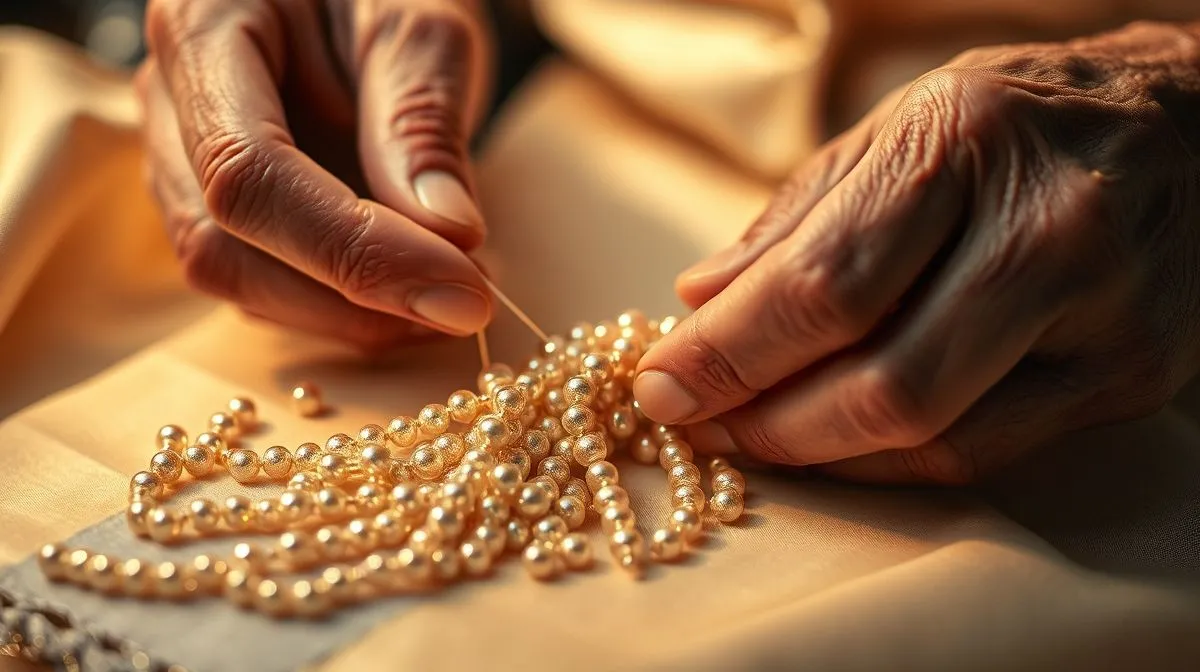
The name Lesage is synonymous with haute couture embroidery. For nearly a century, Maison Lesage (now part of Chanel's Métiers d'Art) has been the premier atelier for the world's most luxurious and complex embroideries. Their techniques involve an astonishing array of materials, from classic beads, sequins, and pearls to more unconventional elements like raffia, ceramic shards, and even microscopic glass tubes. Each element is individually hand-sewn, often using specialized hooks (like the Luneville hook) that allow for intricate patterns and textures to emerge from the reverse side of the fabric.
- Techniques include vermicelli (dense, random stitching), point de Beauvais (chain stitch), and elaborate beadwork.
- Embroidery can take hundreds, even thousands, of hours for a single garment.
- It adds immense weight, texture, and visual depth, making each piece unique.
Feather Work (Plumasserie) and Floral Art (Fleuriste)
Beyond embroidery, other specialized ateliers contribute to the rich tapestry of couture embellishment. Plumasserie involves the intricate art of preparing, dyeing, cutting, and applying feathers. Each feather is meticulously selected and positioned to create volume, movement, and ethereal beauty, often requiring a deep understanding of natural forms and aerodynamics. Similarly, fleuriste ateliers craft exquisite fabric flowers, leaves, and other botanical elements by hand, often using delicate silks, satins, and velvets, shaping them with heated tools to achieve lifelike dimensionality. These elements are then carefully arranged and sewn onto the garment, adding a touch of naturalistic artistry that cannot be replicated by machine.
The Mastery of Fabric Manipulation and Construction
The way fabric is handled and constructed in haute couture is fundamentally different from any other form of garment making. It's about coaxing the material to perform, to drape, to hold shape, and to feel exquisite against the skin.
Hand-Finishing and Invisible Seams
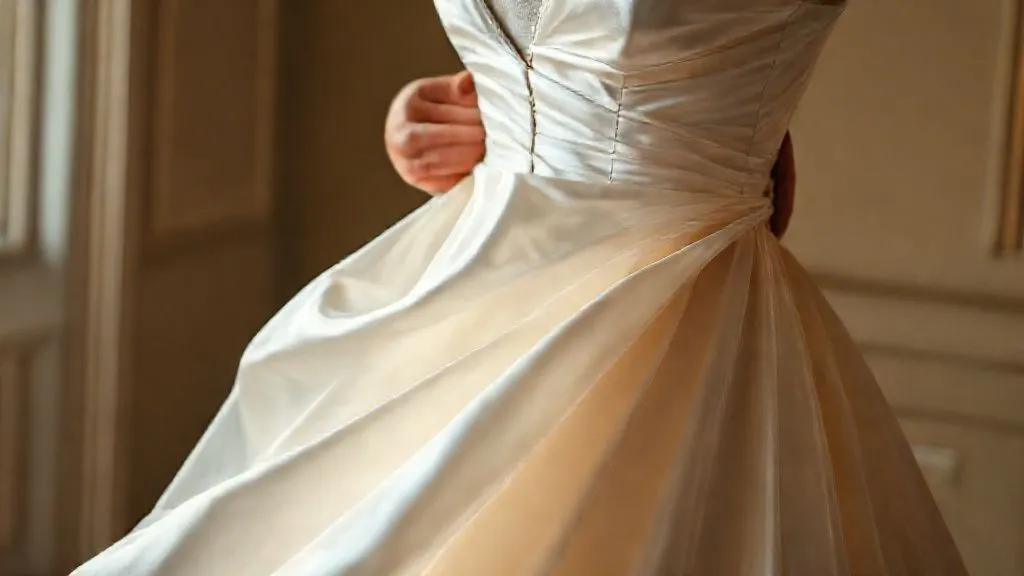
A hallmark of haute couture is the almost invisible finishing. Seams are not merely sewn; they are meticulously hand-finished, often using techniques like French seams (where raw edges are encased within the seam itself), bound seams (edges covered with bias tape), or tiny, invisible hand stitches. Hems are hand-rolled and blind-stitched, ensuring a clean, fluid line without any visible machine stitching. This level of finish speaks volumes about the garment's quality and the artisan's dedication, ensuring that the inside of a couture piece is as beautiful and refined as the outside.
Draping and Sculpting Fabric
Beyond the initial toile, couture artisans continually manipulate the fabric during construction. This involves a deep understanding of the material's properties – how silk flows, how tweed holds shape, how organza can be sculpted. Techniques like intricate pleating, gathering, and strategic darting are used not just for fit but to create architectural forms, dramatic volume, or delicate textures. Each fold and curve is carefully considered and often hand-stitched into place, ensuring the garment maintains its intended silhouette and movement.
The Role of Interlinings and Underpinnings
What gives a couture garment its impeccable structure and luxurious feel often lies beneath the surface. Multiple layers of interlinings, paddings, and underpinnings are meticulously integrated. Materials like horsehair canvas, crinoline, organza, and various weights of silk are strategically placed to provide support, shape, and stability without adding bulk or stiffness. These hidden layers are painstakingly hand-stitched to the outer fabric, allowing the garment to hold its form while remaining comfortable and fluid. This internal architecture is a key differentiator, contributing significantly to the garment's longevity and perfect drape.
The Art of Tailoring and Fit: A Second Skin
The ultimate expression of haute couture craftsmanship is the fit. A couture garment is not just made for a body; it is made to a body, becoming an extension of the wearer, moving with them seamlessly and enhancing their silhouette in an unparalleled way.
Bespoke Fittings: The Iterative Process
Achieving this perfect fit requires numerous fittings—sometimes three, four, or even more—over several months. Each fitting is an opportunity for the master tailor and the client to fine-tune every aspect of the garment. Adjustments are made directly on the body, with pins marking precise alterations to seams, darts, and hemlines. This iterative process ensures that the final piece fits like a second skin, accommodating every curve and contour, and allowing for freedom of movement. It's a collaborative dance between the artisan's expertise and the client's unique form.
The Precision of Hand-Stitching
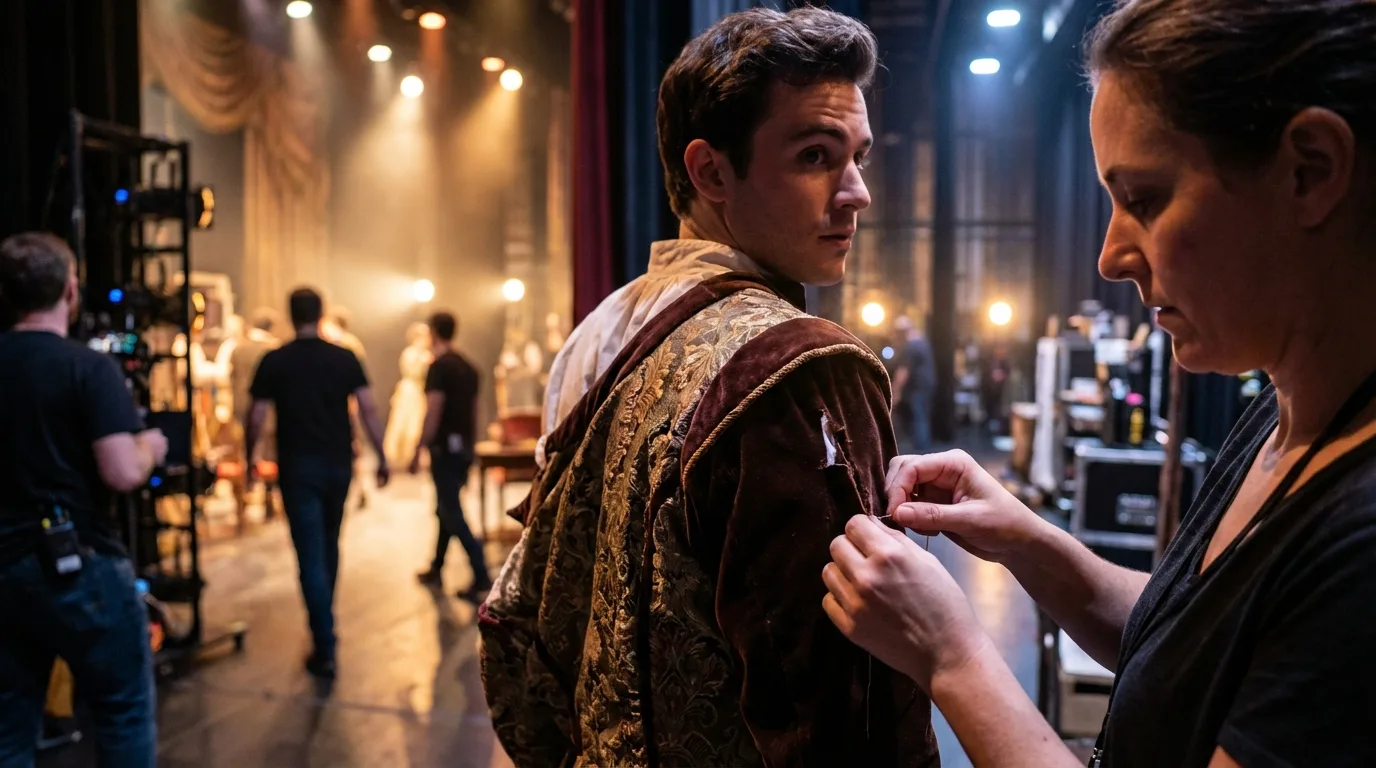
While machines may be used for certain initial steps, the vast majority of a haute couture garment is constructed by hand. Every seam, every embellishment, and every finishing detail is sewn by the petites mains (literally 'little hands') – the highly skilled artisans in the atelier. Hand-stitching offers a level of control, precision, and flexibility that machines simply cannot replicate. It allows for elasticity in seams, delicate gathering, and the seamless integration of different fabrics. The stitches are often incredibly tiny, uniform, and almost invisible, a testament to the artisan's patience and mastery. According to the Institut Français de la Mode, this reliance on handwork is a defining characteristic.
Rare Skills and Dying Arts: Preserving Heritage
Many of the techniques that elevate haute couture craftsmanship are ancient, specialized arts passed down through generations. These skills are rare, requiring years of apprenticeship and dedication to master, making couture a guardian of traditional artisanal knowledge.
Pleating (Plissage) and Tucking
The art of pleating, known as plissage, involves meticulously folding fabric into precise, sharp, or soft pleats. Houses like Maison Lognon, another of Chanel's Métiers d'Art, specialize in creating thousands of different pleat patterns, from crisp knife pleats to fluid sunray pleats, each adding unique texture and movement to a garment. Tucking, similar to pleating but often smaller and stitched down, also creates intricate surface patterns and volume. These techniques require specialized machinery and an intimate understanding of fabric behavior under heat and pressure.
Smocking and Shirring
Smocking is a decorative embroidery technique used to gather fabric, creating elasticity and a textured surface. It's often seen in bodices or sleeves, allowing for both fit and intricate visual appeal. Shirring, on the other hand, involves gathering fabric with parallel rows of stitching to create fullness and elasticity. Both techniques require immense precision and patience, transforming flat fabric into a three-dimensional, sculptural element. These methods add both aesthetic beauty and functional comfort to couture pieces.
The Human Element: Artisans and Ateliers
At the heart of haute couture is not just technique, but people. The collective expertise and dedication of the artisans within the ateliers are what truly define this art form.
The Role of the Petites Mains
The term petites mains refers to the skilled seamstresses, embroiderers, tailors, and other specialists who work tirelessly in the couture ateliers. These individuals are not merely workers; they are highly trained artists, each mastering a specific craft, from tailoring a jacket to applying a single sequin. Their expertise is honed over years, often decades, of practice and apprenticeship. They are the unsung heroes who translate a designer's vision into tangible, breathtaking reality, embodying the pinnacle of haute couture craftsmanship.
Passing Down Knowledge
The knowledge and skills required for haute couture are largely passed down through generations, from master to apprentice. This traditional method of learning ensures the preservation of age-old techniques and the continued excellence of the craft. Many ateliers have strict training programs, where new recruits spend years observing, assisting, and practicing before they are entrusted with complex tasks. This dedication to lineage and education is vital for maintaining the high standards and unique character of couture.
Innovation and Sustainability in Modern Couture
While rooted in tradition, haute couture is not static. It continually evolves, embracing new technologies and addressing contemporary concerns, particularly in the realm of sustainability and ethical practices.
Integrating Technology
Though handcraft remains supreme, modern couture is not entirely averse to technology. Computer-Aided Design (CAD) can assist in initial pattern drafting or visualize complex embellishment layouts. Laser cutting might be used for precise, intricate fabric pieces before they are hand-finished. However, these tools are always employed in service of enhancing, rather than replacing, the human touch. The goal is to streamline certain processes without compromising the essential hand-made nature that defines haute couture.
Ethical Sourcing and Craft Preservation
In an increasingly conscious world, haute couture houses are placing greater emphasis on ethical sourcing of materials, from responsibly harvested feathers to traceable silks and sustainable embellishments. There's also a growing recognition of the need to preserve these rare artisanal skills. Initiatives to support traditional craftspeople and provide training for new generations are becoming more prevalent, ensuring that the unique techniques that elevate haute couture craftsmanship continue to thrive for centuries to come. This commitment to both heritage and future is crucial, as highlighted by various industry discussions and reports from institutions like the Metropolitan Museum of Art's Costume Institute.
Frequently Asked Questions (FAQ)
What is the main difference between haute couture and ready-to-wear? Haute couture garments are custom-made for an individual client, requiring multiple fittings and extensive hand-sewing, making each piece unique. Ready-to-wear is mass-produced in standardized sizes and sold off the rack.
How long does it take to create a haute couture garment? The creation of a single haute couture garment can take anywhere from 100 to over 1,000 hours, depending on its complexity and the amount of embellishment. Bridal gowns or heavily embroidered pieces can take even longer.
Are haute couture garments truly hand-made? Yes, the vast majority of haute couture garments are constructed by hand. While some initial steps like fabric cutting might involve machines, the intricate sewing, embellishment, and finishing are almost entirely done by skilled artisans.
Can anyone buy haute couture? Theoretically, yes, if one can afford it. However, haute couture is exclusively made-to-order for private clients who attend specific showings and undergo multiple fittings at the atelier. It's not available for purchase in retail stores.
What is the average cost of a haute couture piece? The cost varies dramatically depending on the designer, complexity, and materials, but a single haute couture garment can range from tens of thousands of dollars to several hundred thousand dollars, with elaborate pieces potentially exceeding a million.
Recommended Reading
- Unveiling the Secrets: How Unique Haute Couture Silhouettes Are Constructed
- The Secret: How Phase Change Materials Regulate Clothing Temp?
- Timeless Elegance: How to Build Your Dream Wardrobe Now!
- Beyond the Shine: How to Identify Truly Sustainable Jewelry Brands Now
- Find Your Perfect Fit: Best Luxury Eyewear Brands for Oval Faces
Conclusion
The question of what techniques elevate haute couture craftsmanship reveals a world far richer and more intricate than mere fashion. It's a realm where art, skill, and dedication converge to create garments that are truly masterpieces. From the bespoke precision of moulage and pattern making to the dazzling artistry of hand-embellishment, the invisible perfection of hand-finishing, and the profound expertise of the petites mains, every aspect of haute couture is a testament to human ingenuity and tireless pursuit of perfection. These techniques are not just methods; they are traditions, passed down through generations, ensuring that this unique art form continues to inspire awe and define the pinnacle of luxury.
Haute couture, with its unwavering commitment to craftsmanship and individual artistry, remains a beacon of creativity and excellence in a rapidly changing world. It reminds us of the enduring value of the human touch, the beauty of meticulous detail, and the profound stories that can be woven into fabric. As you next encounter an image or a glimpse of a couture creation, remember the countless hours, the rare skills, and the passionate artisans behind every stitch, and appreciate the true artistry that makes it an unparalleled expression of fashion as fine art.


Your email address will not be published. Required fields are marked *