

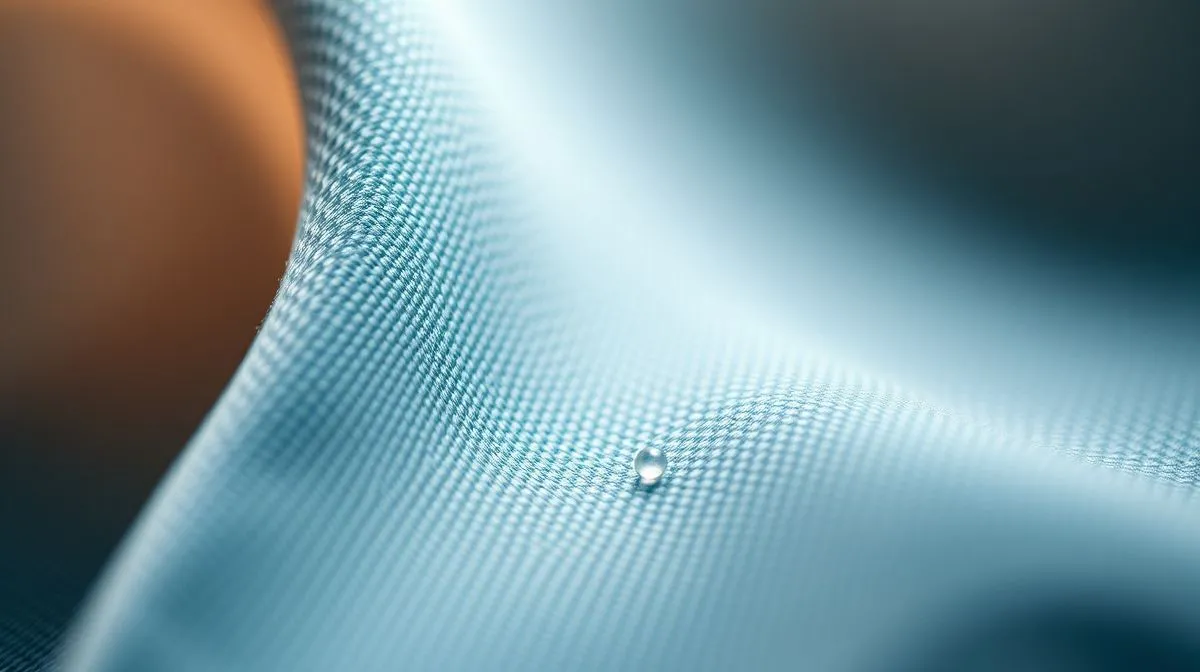
How Do Phase Change Materials Regulate Clothing Temperature?
Have you ever found yourself in that all-too-common predicament: feeling uncomfortably warm one moment, only to shiver from the cold the next, all while wearing the same outfit? Or perhaps you're an athlete whose performance is hampered by overheating, or a healthcare worker needing consistent comfort during long shifts. This universal struggle with maintaining optimal body temperature, especially in dynamic environments, has long been a design challenge for clothing manufacturers.
Traditional clothing relies on insulation – trapping air to keep you warm or allowing breathability to keep you cool. While effective to a degree, these passive methods lack the adaptability needed for fluctuating conditions or varying activity levels. They can't actively respond to your body's changing thermal needs, leading to discomfort, reduced performance, and even potential health risks in extreme scenarios. The problem, then, is a lack of dynamic, intelligent thermoregulation in our everyday apparel.
Enter the revolutionary world of Phase Change Materials (PCMs). These remarkable substances hold the key to unlocking a new era of truly adaptive clothing, capable of intelligently managing your body's temperature by absorbing, storing, and releasing heat as needed. By the end of this comprehensive guide, you'll understand the fascinating science behind PCMs, how they're integrated into textiles, their profound benefits, and the exciting future they promise for personal comfort and performance.
Understanding the Science Behind Phase Change Materials (PCMs)
What Are PCMs?
At their core, Phase Change Materials are substances that absorb and release large amounts of latent heat as they undergo a change of state (e.g., from solid to liquid or liquid to gas) at a specific temperature. Unlike sensible heat, which causes a change in temperature, latent heat is absorbed or released without a change in temperature, making PCMs ideal for thermal regulation.
Imagine an ice cube melting in a drink. As it melts, it absorbs heat from the drink, cooling it down, but the ice itself remains at 0°C until it has completely melted. PCMs work on a similar principle, but their melting/freezing points are engineered to align with human body temperature or specific environmental conditions.
Latent Heat and Thermal Regulation
The magic of PCMs lies in their ability to leverage latent heat. When your body temperature rises (e.g., during exercise), the PCM within your clothing absorbs excess heat, changing from a solid to a liquid phase. This process has a cooling effect on your skin. Conversely, when your body temperature drops (e.g., when you stop exercising or enter a cooler environment), the PCM releases the stored heat as it solidifies, providing warmth. This continuous cycle of absorption and release helps to stabilize the microclimate around your body, keeping you in your optimal comfort zone.
Types of PCMs Used in Textiles
Various types of PCMs exist, but for textile applications, the most common are paraffin waxes, fatty acids, and salt hydrates. Each has unique properties, including different melting points, thermal storage capacities, and durability characteristics. Paraffin waxes are popular due to their non-toxic nature, stability, and suitable melting temperature ranges for human comfort. Ongoing research is exploring bio-based and more sustainable PCM alternatives to enhance their environmental profile.
The Journey of PCMs from Lab to Fabric
Microencapsulation: The Key Technology
Directly incorporating raw PCM into fabric would be impractical; it would leak, wash out, and compromise the textile's integrity. The breakthrough came with microencapsulation. This process involves encasing tiny droplets of PCM within a durable polymeric shell, creating microscopic capsules typically ranging from 5 to 30 micrometers in diameter. These microcapsules protect the PCM, prevent leakage, and allow for their integration into textile fibers or coatings.
Integrating PCMs into Textiles
Once microencapsulated, PCMs can be incorporated into textiles in several ways. They can be:
- Coated onto fabrics: A common method where a slurry of microcapsules is applied to the surface of a finished fabric.
- Embedded into fibers: Microcapsules can be spun directly into synthetic fibers (e.g., polyester, nylon) during the extrusion process, creating composite fibers. This offers better durability and washability.
- Integrated into foams or laminates: Used in more specialized applications like footwear or protective gear.
Each method has its advantages in terms of performance, durability, and cost-effectiveness, influencing the final product's characteristics.
The Manufacturing Process
The manufacturing process for PCM-enhanced textiles is complex, requiring precision and specialized machinery. It typically involves:
- Synthesis or selection of the appropriate PCM.
- Microencapsulation of the PCM using methods like coacervation, interfacial polymerization, or spray drying.
- Preparation of the textile substrate (fabric or fiber).
- Application of the microencapsulated PCMs through coating, spinning, or other integration techniques.
- Curing and finishing processes to ensure durability and performance.
Quality control at each stage is crucial to ensure the thermal performance and longevity of the final product.
How PCMs Actively Manage Body Temperature
The core function of PCMs in clothing is to create a dynamic thermal buffer, smoothing out temperature fluctuations and maintaining a more stable microclimate around the wearer's body. This is achieved through two primary mechanisms:
Cooling Mechanism (Endothermic Process)
When your body starts to generate excess heat – perhaps during intense physical activity, or when you move from a cool indoor environment to a warm outdoor one – the PCMs within your clothing detect this rise in temperature. As the temperature reaches the PCM's melting point, the solid PCM begins to absorb the excess heat from your body, transforming into a liquid. This process, known as an endothermic reaction, actively draws heat away from your skin, providing a noticeable cooling sensation without making the fabric feel wet or cold. It's like having millions of tiny, reusable ice packs strategically embedded in your clothing.
Warming Mechanism (Exothermic Process)
Conversely, when your body temperature begins to drop, or you move into a colder environment, the liquid PCM senses the decrease in ambient temperature. As the temperature falls below its freezing point, the PCM begins to solidify, releasing the stored latent heat back to your body. This exothermic reaction provides a warming effect, preventing you from feeling cold and helping to maintain your core body temperature. This intelligent release of heat means you stay warmer for longer, without the need for bulky layers.
Dynamic Equilibrium and Comfort Zones
The beauty of PCM technology lies in its ability to facilitate a dynamic equilibrium. The PCMs continuously cycle between their solid and liquid states, absorbing and releasing heat as needed, to keep the temperature within the 'comfort zone' around your skin. This proactive temperature management minimizes the sensation of being too hot or too cold, enhancing overall comfort and performance. It's a significant leap beyond passive insulation, offering truly adaptive thermal regulation.
Benefits of PCM-Enhanced Clothing
The integration of PCMs into textiles offers a myriad of advantages that extend far beyond simple comfort.
Enhanced Comfort and Performance
The most immediate benefit is superior thermal comfort. By actively managing temperature, PCM clothing reduces sweating in warm conditions and prevents chilling in cool conditions. This allows individuals to focus on their tasks or activities without the distraction of thermal discomfort. For athletes, this translates to improved endurance and reduced risk of overheating. For everyday wear, it means feeling comfortable across a wider range of temperatures, reducing the need for constant layering or wardrobe changes.
Energy Efficiency and Sustainability
Beyond personal comfort, PCM textiles hold significant potential for energy savings. Imagine buildings where occupants need less air conditioning or heating because their clothing helps them stay comfortable. While still an emerging area, the broader adoption of smart textiles could contribute to reduced energy consumption in climate control. Furthermore, by making clothing more versatile across seasons, PCM technology can reduce the need for multiple specialized garments, potentially leading to more sustainable consumption patterns. According to a study published in Applied Thermal Engineering, PCMs are a promising avenue for energy efficiency in various applications.
Versatility Across Applications (Athletic, Medical, Occupational)
The adaptability of PCM technology makes it suitable for diverse applications:
- Athletic and Outdoor Gear: From running shirts to ski jackets, PCMs help athletes maintain peak performance by preventing overheating and chilling.
- Medical and Healthcare Apparel: For patients with temperature regulation issues or healthcare professionals working in demanding environments, PCM clothing offers crucial comfort.
- Occupational Wear: Workers in extreme environments (e.g., firefighters, industrial workers) can benefit from enhanced thermal protection and comfort.
- Everyday and Casual Wear: Extending the comfort range of daily clothing, making commuting or traveling more enjoyable.
Challenges and Future Innovations in PCM Textiles
While promising, PCM textile technology faces certain challenges that researchers and manufacturers are actively addressing.
Durability and Washability Concerns
One of the primary challenges is ensuring the long-term durability and washability of PCM-enhanced fabrics. The microcapsules must withstand repeated washing cycles, abrasion, and stretching without compromising their integrity or thermal performance. Early PCM products sometimes saw a decrease in effectiveness after numerous washes. However, advancements in microencapsulation techniques and binding agents are significantly improving the longevity of these materials. Researchers are constantly working on more robust shell materials and better integration methods.
Cost and Scalability
Currently, PCM-enhanced clothing tends to be more expensive than conventional apparel due to the specialized materials and manufacturing processes involved. This limits its widespread adoption, especially in the mass market. Efforts are focused on reducing production costs, optimizing material usage, and scaling up manufacturing to make these smart textiles more accessible. As technology matures and demand increases, prices are expected to become more competitive.
Next-Generation PCM Technologies
The future of PCM textiles is incredibly exciting. Researchers are exploring:
- Bio-based and Sustainable PCMs: Developing eco-friendly alternatives to petroleum-derived PCMs.
- Multi-functional PCMs: Integrating other smart functionalities like moisture-wicking, antimicrobial properties, or even self-cleaning capabilities into PCM textiles.
- Adaptive PCM Systems: Designing fabrics that can dynamically adjust their PCM properties based on real-time physiological data from the wearer.
- Improved Integration Methods: Developing novel techniques for embedding PCMs directly into the yarn or fiber structure for even greater durability and performance.
These innovations promise even more sophisticated and user-friendly thermoregulating garments.
Practical Applications and Real-World Examples
The impact of phase change materials in clothing is already being felt across various sectors, demonstrating their versatility and effectiveness.
Sports and Outdoor Gear
This is arguably where PCM technology first gained significant traction. Brands like Outlast Technologies, a pioneer in the field, have partnered with major sportswear companies to integrate PCMs into athletic wear, base layers, and outerwear. Runners, cyclists, skiers, and hikers can now benefit from garments that proactively manage their temperature during varying activity levels and weather conditions. This leads to reduced heat stress during intense exercise and better insulation during recovery or in cold environments, enhancing overall performance and comfort. For instance, a ski jacket with PCMs can prevent overheating during a strenuous climb and then provide warmth during a chilly descent.
Medical and Healthcare Apparel
In the medical field, maintaining a stable body temperature is often critical. PCM textiles are being used in:
- Surgical gowns: To keep surgeons comfortable during long procedures.
- Patient bedding and blankets: For individuals with thermoregulation issues or those recovering from surgery.
- Therapeutic garments: For managing conditions like hot flashes or Raynaud's phenomenon.
- Cooling vests: For individuals with multiple sclerosis or other conditions that make them sensitive to heat.
These applications underscore the importance of precise temperature control for health and well-being. More information on such applications can be found via reputable sources like Wikipedia's page on Phase-change material.
Everyday Wear and Workwear
While less common than in specialized gear, PCM technology is slowly making its way into everyday clothing, aiming to offer enhanced comfort for daily commutes, travel, or simply lounging at home. Some premium brands are beginning to incorporate PCMs into suits, shirts, and even bedding to provide a more consistent microclimate. In the realm of workwear, especially for professions exposed to fluctuating temperatures (e.g., construction workers, logistics personnel), PCM-enhanced uniforms offer a significant upgrade in comfort and safety, reducing the risk of heat stress or cold-related discomfort. The goal is to make our everyday lives more comfortable, regardless of external conditions.
Debunking Common Myths About PCM Clothing
As with any innovative technology, misconceptions about PCM clothing often arise. Let's address a few common ones.
Myth 1: PCMs are a Gimmick
Question in bold? Is PCM technology just a marketing gimmick without real benefits?
Answer in italics. No, PCM technology is based on well-established thermodynamic principles of latent heat exchange. Its effectiveness has been scientifically validated and is employed in diverse applications beyond textiles, such as building materials and thermal energy storage systems. While marketing can sometimes overstate claims, the core science behind PCM in clothing is sound and provides tangible benefits in thermal comfort.
Myth 2: PCM Clothing is Bulky
Question in bold? Does clothing with phase change materials feel bulky or heavy?
Answer in italics. Not at all. Thanks to microencapsulation, the PCM particles are incredibly tiny and are integrated into the fabric at a microscopic level. This means that PCM-enhanced clothing feels virtually indistinguishable from regular clothing in terms of weight and bulk. The thermal regulation happens without adding significant mass or altering the drape of the fabric.
Myth 3: They Last Forever
Question in bold? Do the phase change materials in clothing last indefinitely?
Answer in italics. While durable, the performance of PCMs in clothing can degrade over time and with repeated washing cycles, similar to any performance textile. However, advancements in microencapsulation and textile integration have significantly improved their longevity. High-quality PCM garments are designed to maintain their thermal properties for the expected lifespan of the garment, often hundreds of washes, but they are not 'forever' solutions.
Myth 4: PCM Clothing Makes You Sweat Less
Question in bold? Does PCM clothing eliminate sweating?
Answer in italics. PCM clothing helps to manage temperature fluctuations and can reduce the onset or intensity of sweating by creating a more stable microclimate around your body. However, it does not eliminate sweating entirely, which is a natural and essential bodily function for cooling. Instead, it aims to keep you in your optimal thermal comfort zone for longer, reducing the *need* for excessive sweating.
Recommended Reading
- Apple Picking Perfection: Best Fall Accessories for Your Outfit
- Stylish Glasses for Sensitive Eyes: The Ultimate Guide to Comfort and Style
- Unveiling the Secret: Why Choose Organic Cotton for Your Baby's Clothing?
- Haute Couture: Is Exclusive Design Investment a Smart Move?
- Is Virtual Try-On Accurate for Clothes? The Surprising Truth!
Conclusion
The question of how do phase change materials regulate clothing temp? reveals a fascinating intersection of material science and textile innovation. By harnessing the power of latent heat, PCMs offer a dynamic and intelligent solution to personal thermal regulation, moving beyond passive insulation to actively absorb, store, and release heat as needed. This technology is not just about making us more comfortable; it's about enhancing performance, potentially contributing to energy efficiency, and opening new frontiers in adaptive apparel. While challenges like cost and durability remain, the rapid pace of innovation suggests a future where our clothing truly becomes an extension of our body's own sophisticated thermoregulation system, seamlessly adapting to every change in our environment and activity. Embrace the future of smart textiles and experience comfort like never before.


Your email address will not be published. Required fields are marked *