

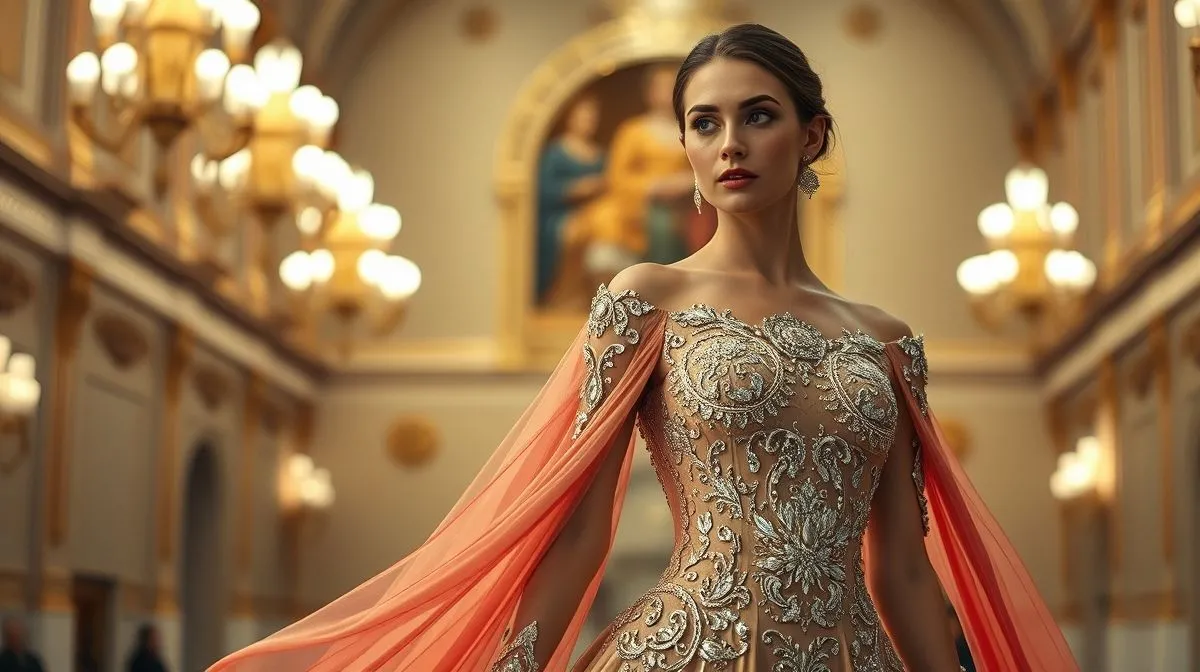
Haute Couture Exclusive Design: A Wise Investment?
Have you ever wondered if that breathtaking haute couture gown gracing the runway could be more than just a piece of art? Could it be a savvy investment, a tangible asset that appreciates in value over time? The world of high fashion is often perceived as frivolous, but beneath the shimmering surface lies a complex market with the potential for significant financial returns.
The question is, can haute couture exclusive design investment? be a legitimate investment strategy, or is it merely a pipe dream for the wealthy elite? Many factors contribute to the value of a piece of haute couture, from the designer's reputation to the rarity of the design and the overall market demand.
In this comprehensive guide, we'll delve into the fascinating world of haute couture investment, exploring the intricacies of the market, the potential risks and rewards, and the key factors to consider before making a purchase. By the end of this article, you'll have a solid understanding of whether haute couture is the right investment for you.
Understanding Haute Couture
What Exactly is Haute Couture?
Haute couture, meaning 'high sewing' or 'high dressmaking', is the creation of exclusive custom-fitted clothing. It is high-end fashion that is constructed by hand from start to finish, made from high-quality, expensive, often unusual fabric and sewn with extreme attention to detail and finished by the most experienced and capable sewers—often using time-consuming, hand-executed techniques. Couture translates literally from French as 'dressmaking', sewing, or needlework and is also used as a common abbreviation of haute couture and refers to the same thing in spirit.
The Historical Significance
The origins of haute couture can be traced back to the mid-19th century with Charles Frederick Worth, who is widely considered the father of haute couture. Worth established his fashion house in Paris and began designing unique pieces for his clients, rather than simply copying existing styles. This innovative approach revolutionized the fashion industry and paved the way for the modern haute couture system. According to the Metropolitan Museum of Art, Worth's designs were sought after by royalty and celebrities alike, solidifying his place as a pioneer in the world of fashion.
The Modern Haute Couture System
Today, haute couture is a protected designation in France, regulated by the Chambre Syndicale de la Haute Couture. To be officially recognized as a haute couture house, a designer must meet strict criteria, including designing made-to-order garments for private clients, having a workshop in Paris with at least fifteen full-time employees, and presenting a collection of at least fifty original designs twice a year. This rigorous process ensures the exclusivity and quality of haute couture.
Why Invest in Haute Couture Exclusive Designs?
Scarcity and Exclusivity
One of the primary drivers of value in the haute couture market is scarcity. Each piece is meticulously crafted and often produced in extremely limited quantities, making them highly sought after by collectors and investors. The exclusivity associated with haute couture adds to its allure, creating a sense of prestige and rarity that can significantly increase its value over time.
Artistic and Cultural Value
Haute couture is not merely clothing; it is a form of art. Each piece represents the culmination of countless hours of skilled craftsmanship, innovative design, and artistic vision. The cultural significance of haute couture is undeniable, as it reflects the trends, values, and aesthetics of a particular era. Investing in haute couture is akin to investing in a piece of history, a tangible representation of human creativity and skill. A good analogy is the art market in general.
Potential for Appreciation
While not all haute couture pieces appreciate in value, certain factors can increase the likelihood of a profitable return. These include the designer's reputation, the rarity of the design, the condition of the garment, and the overall market demand. Pieces from iconic designers, such as Chanel, Dior, and Yves Saint Laurent, tend to hold their value and often appreciate significantly over time. However, it's crucial to conduct thorough research and seek expert advice before making any investment decisions.
Factors Influencing the Value of Haute Couture
Designer Reputation
The reputation and legacy of the designer play a crucial role in determining the value of a haute couture piece. Designs from established and respected fashion houses, such as Chanel, Dior, and Valentino, tend to command higher prices than those from lesser-known designers. The designer's creative vision, technical skills, and overall influence on the fashion industry all contribute to their reputation and the value of their creations.
Rarity and Exclusivity
The rarity of a design is another key factor that influences its value. Limited edition pieces or one-of-a-kind creations are highly sought after by collectors and investors. The more exclusive a piece is, the greater its potential for appreciation. Factors such as the number of pieces produced, the availability of the design, and the uniqueness of the garment all contribute to its rarity.
Condition and Provenance
The condition of a haute couture piece is paramount when assessing its value. Garments in excellent condition, with minimal wear and tear, are more desirable and command higher prices. The provenance, or history of ownership, can also impact the value of a piece. Pieces with a documented history of being owned by a notable figure or having been featured in a significant event may be more valuable than those with an unknown or unremarkable history.
Risks Associated with Haute Couture Investment
Market Volatility
Like any investment, the haute couture market is subject to fluctuations and volatility. Economic downturns, changes in fashion trends, and shifts in consumer preferences can all impact the value of haute couture pieces. It's essential to be aware of these risks and to conduct thorough research before investing in haute couture.
Storage and Preservation
Proper storage and preservation are crucial for maintaining the condition and value of haute couture garments. These delicate pieces require specialized care to prevent damage from light, humidity, pests, and other environmental factors. Investing in appropriate storage solutions, such as acid-free tissue paper, garment bags, and climate-controlled storage units, is essential for protecting your investment.
Authenticity and Counterfeiting
The haute couture market is unfortunately plagued by counterfeiting. It's crucial to verify the authenticity of any piece before making a purchase. Work with reputable dealers and auction houses, and seek expert authentication services to ensure that you are buying a genuine haute couture garment. Always request documentation, such as certificates of authenticity or provenance records, to support the authenticity of the piece.
How to Invest in Haute Couture: A Practical Guide
Research and Due Diligence
Before making any investment decisions, conduct thorough research on the haute couture market, the designers you are interested in, and the specific pieces you are considering. Analyze market trends, auction results, and expert opinions to gain a comprehensive understanding of the potential risks and rewards. Due diligence is key to making informed and profitable investments.
Work with Reputable Dealers and Auction Houses
Partnering with reputable dealers and auction houses is essential for navigating the haute couture market. These professionals have the expertise and resources to help you identify valuable pieces, authenticate garments, and negotiate fair prices. Look for dealers and auction houses with a proven track record of success and a strong reputation for integrity.
Consider Insurance and Storage
Protect your investment by obtaining appropriate insurance coverage and investing in proper storage solutions. Haute couture garments are valuable and delicate, and it's essential to safeguard them against loss, damage, or theft. Consult with an insurance professional to determine the appropriate level of coverage for your collection, and invest in climate-controlled storage facilities to preserve the condition of your garments.
Examples of Successful Haute Couture Investments
Iconic Designer Pieces
Pieces from iconic designers, such as Chanel, Dior, and Yves Saint Laurent, have consistently demonstrated strong appreciation in value over time. For example, a vintage Chanel tweed suit or a Dior New Look dress can fetch tens of thousands of dollars at auction. These pieces represent the pinnacle of haute couture and are highly sought after by collectors and investors.
Rare and Limited Edition Designs
Rare and limited edition designs, such as those created for specific events or collaborations, often command premium prices in the haute couture market. These pieces are highly exclusive and offer a unique opportunity for investors to acquire a truly one-of-a-kind garment. Examples include dresses designed for celebrity red carpet appearances or collaborations between haute couture houses and contemporary artists.
Pieces with Historical Significance
Haute couture garments with historical significance, such as those worn by royalty or featured in significant events, can be particularly valuable. These pieces offer a tangible connection to the past and represent a unique piece of cultural heritage. Examples include dresses worn by Princess Diana or gowns featured in iconic fashion editorials.
Frequently Asked Questions (FAQ)
Is haute couture a liquid asset? No, haute couture is generally considered an illiquid asset. It may take time to find a buyer and complete a sale.
What are the storage requirements for haute couture? Haute couture requires specialized storage to protect it from light, humidity, and pests. Climate-controlled storage is recommended.
How can I authenticate a haute couture piece? Work with reputable dealers and auction houses, and seek expert authentication services to verify the authenticity of a garment.
What is the typical return on investment for haute couture? The return on investment for haute couture can vary widely depending on the designer, rarity, condition, and market demand. There are no guarantees of profit.
Is it better to buy vintage or contemporary haute couture? Both vintage and contemporary haute couture can be valuable investments. Vintage pieces offer historical significance, while contemporary pieces may offer greater availability and potential for future appreciation.
Recommended Reading
- Draping Dreams: Best Fabric for Textile Art Costumes REVEALED!
- Style a Pearl Necklace Everyday? The Ultimate Style Guide!
- Ultimate Guide: Best Casual Shoes for Wide Feet Men
- Haute Couture Tailoring: Unveiling Hidden Flaws in Meticulous Work
- Is Virtual Try-On Accurate for Clothes? The Surprising Truth!
Conclusion
Investing in haute couture exclusive design can be a rewarding endeavor, offering the potential for financial returns and the opportunity to own a piece of art and cultural history. However, it's essential to approach this market with caution and conduct thorough research before making any investment decisions. By understanding the factors that influence the value of haute couture, mitigating the associated risks, and working with reputable professionals, you can increase your chances of success in this fascinating and exclusive world. Investing in haute couture, like investing in art or vintage cars, requires knowledge, passion, and a long-term perspective.


Your email address will not be published. Required fields are marked *