

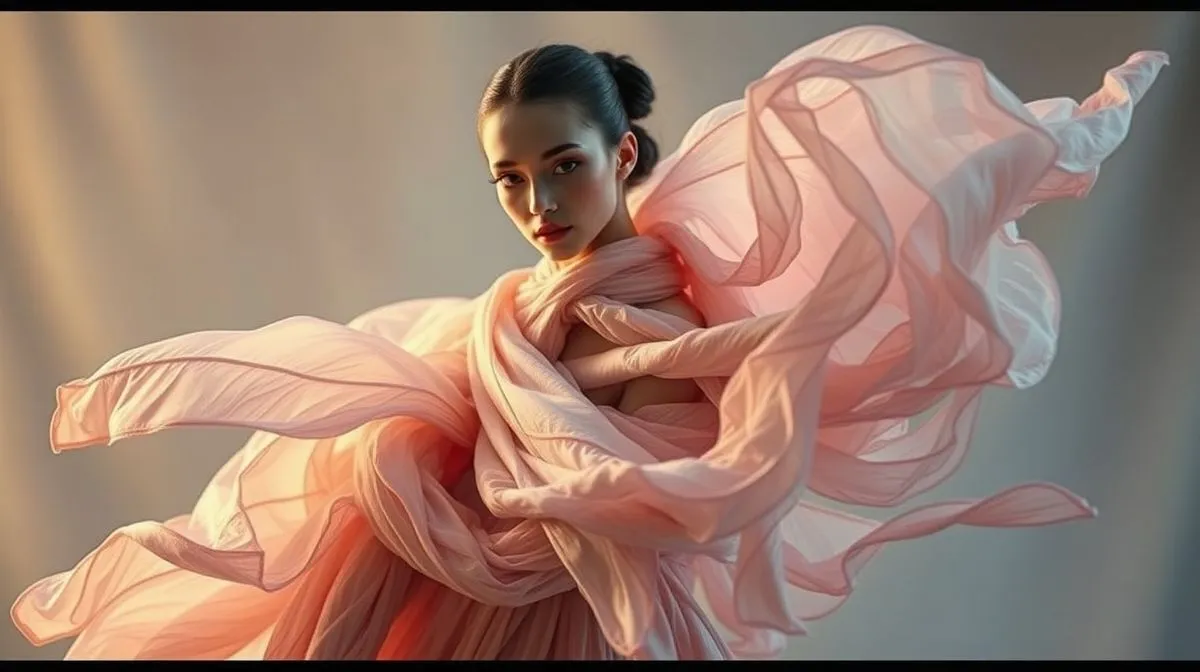
Textile Art Costume: Discovering the Best Fabric for Draping
Have you ever been captivated by a costume that seems to float and flow, effortlessly embodying a character's essence? The secret often lies in the fabric and how well it drapes. Draping, the art of arranging fabric gracefully, is crucial for creating visually stunning textile art costumes.
But with so many fabric options available, how do you choose the best fabric for draping? This is a challenge faced by costume designers, textile artists, and anyone seeking to bring their creative visions to life.
This comprehensive guide will explore the properties of different fabrics, offering insights into their draping qualities and suitability for textile art costumes. By the end of this article, you'll have the knowledge to confidently select the perfect fabric to achieve your desired aesthetic and bring your costume creations to life.
Understanding Draping and its Importance in Costume Design
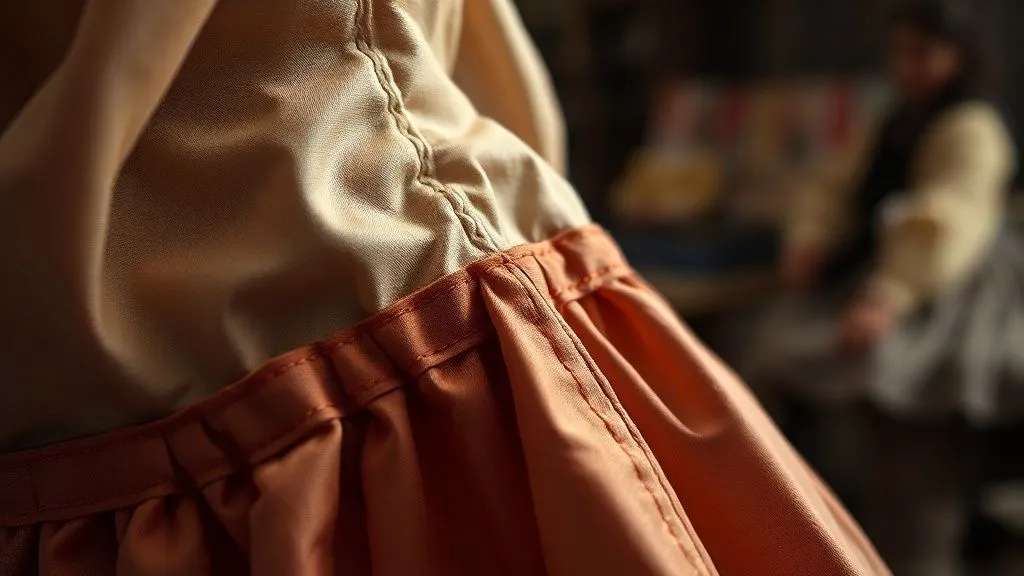
Draping refers to the way a fabric hangs and falls. It's influenced by factors like fiber content, weave, weight, and finish. A fabric with good drape will flow smoothly and create soft folds, while a fabric with poor drape will be stiff and angular.
Why is Draping Important?
- Visual Appeal: Good draping enhances the visual appeal of a costume, creating a sense of movement and fluidity.
- Character Embodiment: The way a fabric drapes can contribute to the character's personality and story.
- Comfort and Movement: Fabrics with good drape are often more comfortable to wear and allow for greater freedom of movement.
Key Fabric Properties Affecting Draping
Several fabric properties influence how well a fabric drapes. Understanding these properties is essential for selecting the right fabric for your costume.
Fiber Content
The type of fiber used to create the fabric significantly impacts its draping qualities. Natural fibers like silk, rayon, and linen tend to drape well, while synthetic fibers like polyester and nylon can be more rigid.
Weave
The weave of the fabric also plays a crucial role. Loosely woven fabrics, such as chiffon and voile, generally drape better than tightly woven fabrics like denim or canvas. According to research from the Cotton Council International, weave construction greatly influences fabric hand and drape.
Weight
Lighter-weight fabrics tend to drape more easily than heavier fabrics. Lightweight fabrics like silk crepe de chine and rayon challis are excellent choices for creating flowing costumes.
Finish
The finish applied to a fabric can also affect its drape. Some finishes can make a fabric stiffer, while others can enhance its softness and fluidity.
Top Fabric Choices for Draping in Textile Art Costumes
Here are some of the best fabric choices for creating draped textile art costumes, along with their pros and cons:
- Silk: Known for its luxurious drape and sheen. Silk fabrics like chiffon, crepe de chine, and charmeuse are excellent choices for creating elegant and flowing costumes. However, silk can be expensive and requires delicate care.
- Rayon: A semi-synthetic fabric derived from cellulose. Rayon fabrics like challis and crepe have a beautiful drape and are more affordable than silk. However, rayon can be prone to wrinkling and may shrink when washed.
- Linen: A natural fiber known for its breathability and distinctive texture. Linen drapes well and becomes softer with each wash. It's a good choice for creating costumes with a more relaxed and natural aesthetic. However, linen wrinkles easily.
- Chiffon: A lightweight, sheer fabric with a delicate drape. Chiffon is often used for creating ethereal and flowing costumes. It can be challenging to work with due to its slippery nature.
- Crepe: A fabric with a crinkled texture that gives it a beautiful drape. Crepe fabrics like crepe de chine and crepe georgette are versatile choices for creating a variety of costumes.
Draping Techniques for Achieving Desired Effects
The way you drape a fabric can significantly impact the final look of your costume. Here are some common draping techniques:
Gathering
Gathering involves creating small folds in the fabric and securing them with stitches. This technique can be used to add fullness and volume to a costume.
Pleating
Pleating involves creating sharp, even folds in the fabric and pressing them into place. Pleats can add structure and elegance to a costume.
Shirring
Shirring involves gathering fabric along multiple rows of stitching. This technique creates a textured and ruched effect.
Bias Draping
Cutting and draping fabric on the bias (at a 45-degree angle to the grain) allows it to stretch and conform to the body's curves, creating a more fluid and flattering silhouette. This technique is often used in couture design, as noted in the book "Couture Sewing Techniques" by Claire B. Shaeffer.
Factors to Consider When Choosing Fabric for Draping
Beyond the basic properties of fabric, here are other factors to consider when selecting the best fabric for draping:
The Costume's Design
The design of the costume will dictate the type of fabric you need. A flowing gown will require a fabric with excellent drape, while a structured bodice may require a stiffer fabric.
The Character's Personality
The fabric you choose can also reflect the character's personality. A delicate silk chiffon might be suitable for a graceful and ethereal character, while a heavier linen might be more appropriate for a rugged and grounded character.
The Budget
The cost of the fabric is another important consideration. Silk and other luxury fabrics can be expensive, so you may need to explore more affordable alternatives like rayon or polyester.
The Care Requirements
Consider the care requirements of the fabric. Some fabrics require special cleaning methods, such as dry cleaning, while others can be machine washed. Choose a fabric that you are comfortable caring for.
Mistakes to Avoid When Selecting Draping Fabric
Choosing the wrong fabric can lead to a costume that doesn't drape well or doesn't meet your expectations. Here are some common mistakes to avoid:
- Choosing a fabric that is too stiff: Stiff fabrics will not drape well and can create an unflattering silhouette.
- Choosing a fabric that is too heavy: Heavy fabrics can weigh down a costume and restrict movement.
- Ignoring the fabric's grain: The grain of the fabric can affect its drape. Be sure to consider the grain when cutting and draping your fabric.
- Not testing the drape: Before committing to a fabric, test its drape by holding it up and observing how it falls.
Frequently Asked Questions (FAQ)
What is the best lightweight fabric for draping? Silk chiffon is an excellent choice for lightweight draping due to its airy and flowing nature.
Can I use synthetic fabrics for draping? Yes, some synthetic fabrics like polyester chiffon or rayon blends can drape well, but they may not have the same luxurious feel as natural fibers.
How do I care for draped costumes made of delicate fabrics? Hand washing or dry cleaning is recommended for delicate fabrics like silk and chiffon. Always check the fabric's care label for specific instructions.
What is bias cutting and why is it important for draping? Bias cutting involves cutting fabric at a 45-degree angle to the grain, allowing it to stretch and drape more fluidly around the body, creating a more flattering silhouette.
Recommended Reading
- Does Eyewear Protect Eyes From Sun Damage? The Shocking Truth!
- Warmest Kids Winter Hat Material? Ultimate Guide for Parents
- Fashion Week Outfits for Petite Women: Style Secrets Revealed!
- Clean Vintage Beaded Purses Safely: The Ultimate Care Guide
- Effortless Style: Comfortable Everyday Outfits for Busy Moms
Conclusion
Selecting the best fabric for draping in textile art costumes is a crucial step in bringing your creative visions to life. By understanding the properties of different fabrics, mastering draping techniques, and considering the factors outlined in this guide, you can create costumes that are not only visually stunning but also comfortable and expressive. Experiment with different fabrics and techniques to discover what works best for your unique style and artistic goals. Let your creativity flow and transform fabric into wearable art!

Your email address will not be published. Required fields are marked *