


How to Upgrade Business Casual for Senior Management: Mastering Executive Style
For over 15 years in the menswear industry, specializing in professional attire, I've observed a subtle yet significant challenge facing many senior leaders: navigating the evolving landscape of business casual. It's a dress code that promises flexibility but often delivers confusion, especially when your role demands gravitas, authority, and an unwavering sense of presence.
The problem isn't a lack of effort; it's a lack of clear, actionable guidance tailored specifically for senior management. Many executives find themselves caught between outdated corporate norms and the pressure to appear modern and approachable, often resulting in a wardrobe that feels neither authoritative nor truly comfortable. This sartorial ambiguity can subtly undermine confidence, impact perception, and even hinder career progression, as visual cues play a critical role in how leadership is perceived.
In this definitive guide, I will share my expert insights and practical frameworks on how to upgrade business casual for senior management. You’ll learn to curate a wardrobe that not only reflects your position and aspirations but also projects an undeniable air of competence and sophistication. We'll delve into everything from foundational garment choices to the nuances of personal grooming, ensuring you possess the tools to cultivate an executive presence that speaks volumes.
Defining Executive Business Casual: Beyond the Basics
The term 'business casual' is notoriously vague. For junior staff, it might mean khakis and a polo shirt. For senior management, however, it signifies something far more refined. It’s about striking a balance between formal authority and modern approachability. It’s not about dressing down; it’s about dressing smartly, with an emphasis on quality, fit, and intentionality.
In my experience, executive business casual is less about specific items and more about the quality and presentation of those items. Think of it as a spectrum, with traditional suit-and-tie on one end and smart casual on the other. Senior management operates in the upper half of the business casual range, leaning closer to formal than informal. This means prioritizing elevated fabrics, impeccable tailoring, and a cohesive aesthetic that projects confidence without stiffness. It’s a strategic choice, not a default relaxation of standards.
Understanding this distinction is the first step. It's about consciously choosing pieces that elevate, rather than diminish, your professional image. This often involves swapping out cotton chinos for wool trousers, opting for a structured blazer over a casual cardigan, and selecting dress shoes instead of sneakers. It’s about understanding the subtle cues that communicate leadership.
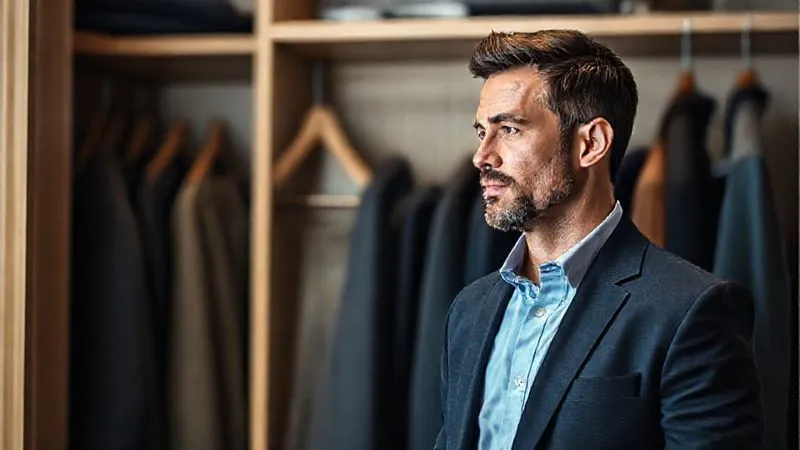
The Unshakeable Foundation: Fabric, Fit, and Finish
No matter the garment, the triumvirate of fabric, fit, and finish forms the bedrock of an upgraded executive wardrobe. These are the non-negotiables that immediately distinguish a leader from the crowd.
Fabric First: The Touch and Feel of Authority
When you're aiming to upgrade business casual for senior management, synthetic blends and coarse cottons simply won't cut it. Instead, focus on natural fibers and luxurious blends:
- Wool: Lightweight worsted wool for trousers, flannel or tweed for blazers. Its drape, breathability, and wrinkle resistance are unparalleled.
- High-Quality Cotton: For shirts, look for Egyptian or Sea Island cotton with a fine weave (e.g., twill, pinpoint oxford, poplin).
- Linen (Blends): For warmer climates or seasons, a linen blend blazer or shirt offers sophisticated texture without looking too casual.
- Cashmere/Merino Wool: For knitwear, these offer superior softness, warmth, and a refined appearance.
The tactile experience of these fabrics communicates quality and attention to detail, signaling an executive who values substance.
Fit is King: The Tailor's Touch
An ill-fitting garment, no matter how expensive, instantly cheapens your look. This is where a skilled tailor becomes your most valuable asset. Off-the-rack clothing is rarely perfect, especially for a leadership role where precision matters.
- Shoulders: For blazers and shirts, the shoulder seams must align perfectly with your natural shoulder bone.
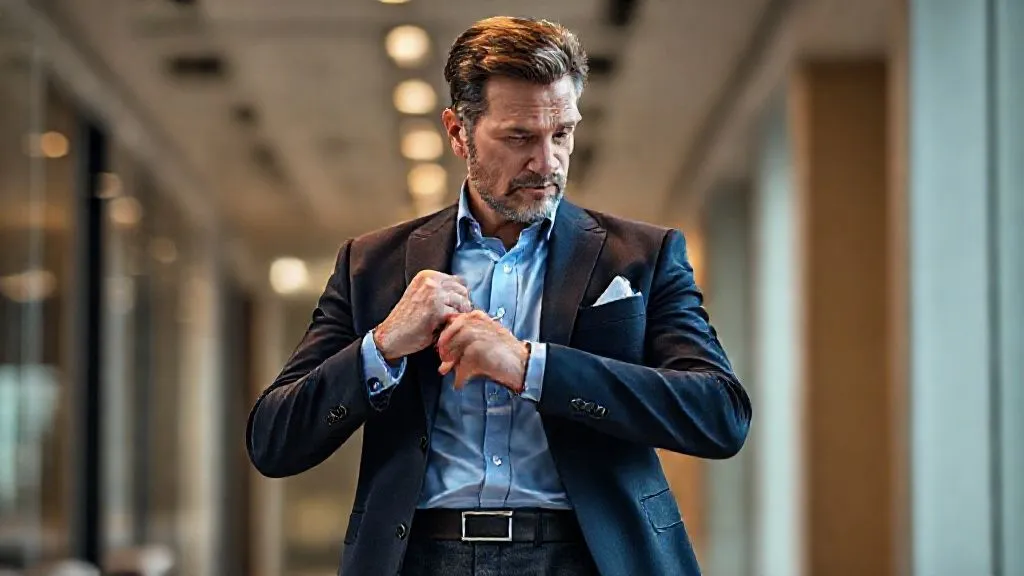
- Sleeves: Shirt cuffs should hit at the wrist bone, allowing about half an inch of shirt cuff to show beneath a blazer sleeve.
- Trousers: Aim for a modern, clean line. Trousers should sit comfortably at your natural waist, with no pooling at the ankles. A slight break or no break at all is preferred for a contemporary look.
- Torso: Shirts and blazers should follow the contours of your body without being restrictive or baggy.
Investing in tailoring isn't an expense; it's an investment in your personal brand. As Harvard Business Review often emphasizes, executive presence is partly about how you present yourself.
Finish: Details That Matter
The small details speak volumes. Look for:
- Quality Stitching: Even, tight, and consistent.
- Buttons: Real horn, mother-of-pearl, or high-quality resin, securely sewn.
- Lining: For blazers, a Bemberg rayon or cupro lining is a mark of quality, ensuring comfort and drape.
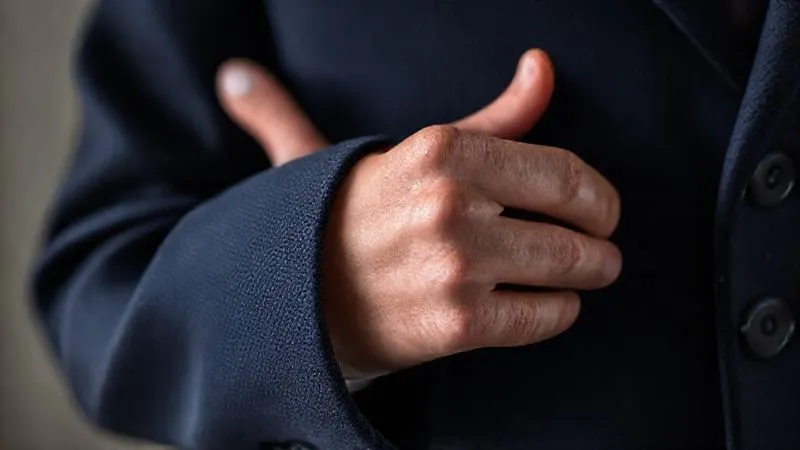
Strategic Layering: Blazers, Sport Coats, and Vests
Layering is perhaps the most powerful tool in the executive business casual arsenal. It adds depth, texture, and immediate authority to an outfit, transforming casual pieces into something more substantial.
The Indispensable Blazer
A well-fitting blazer is the cornerstone of upgrading business casual for senior management. It instantly elevates any ensemble. For executives, I recommend:
- Navy Blazer: A classic, versatile piece. Opt for a hopsack weave for texture and breathability, or a fine worsted wool for a smoother finish.
- Charcoal or Grey Blazer: A strong alternative, especially in lighter shades for spring/summer, or darker tones for autumn/winter.
- Patterned Sport Coat: A subtle check (Prince of Wales, houndstooth) or a textured weave (tweed, flannel) can add personality and sophistication without being loud.
The key is structure. A blazer should have a defined shoulder and a flattering cut that accentuates your silhouette. Avoid overly padded shoulders or excessively slim cuts that restrict movement.
The Role of Vests and Cardigans
While a full suit vest might be too formal for business casual, a well-chosen knit vest or a fine-gauge merino wool cardigan can add a touch of sartorial flair and warmth. These pieces work best under a blazer or sport coat, adding an extra layer of visual interest.
"Your clothing should never be a distraction, but rather an enhancement of your message and presence. For senior leaders, every detail contributes to the narrative of competence and trustworthiness."
Case Study: The Transformation of a Tech VP
Case Study: How Alex, VP of Product, Gained Executive Presence
Alex, a brilliant VP of Product at a rapidly growing SaaS company, was known for his innovative ideas but struggled with his executive image. His business casual leaned heavily on untucked shirts, ill-fitting chinos, and casual sneakers, which, while comfortable, often made him appear younger and less authoritative than his peers in board meetings. I advised him to focus on the 'three Fs' – fabric, fit, and finish – and strategic layering.
We started by replacing his casual chinos with tailored worsted wool trousers in charcoal and navy. His untucked shirts were swapped for crisp, high-quality cotton shirts, perfectly fitted and worn tucked in with a quality leather belt. The biggest impact came from introducing three well-tailored blazers: a classic navy hopsack, a charcoal sharkskin, and a subtle brown check sport coat. We paired these with elegant leather loafers and Oxfords.
The result was remarkable. Alex immediately noticed a shift in how he was perceived. Colleagues and clients noted his newfound polish and confidence. He reported feeling more commanding in presentations and that his ideas seemed to carry more weight. This subtle upgrade in his business casual wardrobe directly contributed to him being considered for a C-suite promotion within six months, demonstrating how a refined personal brand can accelerate career trajectory.
| Garment Type | Formality Level | Key Characteristics |
|---|---|---|
| Navy Blazer (Hopsack) | High Business Casual | Textured, breathable, versatile. Essential for gravitas. |
| Patterned Sport Coat (Wool/Tweed) | Mid-High Business Casual | Adds personality and depth. Requires careful pairing. |
| Fine-Gauge Merino Wool Cardigan | Mid Business Casual | Comfortable layering. Best under a blazer or for less formal settings. |
| Casual Cotton Chinos | Low Business Casual | Generally too casual for senior management unless impeccably tailored and paired with a blazer. |
The Art of the Shirt: Beyond Basic Button-Downs
Your shirt is often the first layer seen, making its selection critical for senior management. While a classic button-down is a staple, upgrading means moving beyond the basics in terms of fabric, collar, and subtle patterns.
Fabric and Weave Choices
- Twills: Offer a subtle diagonal texture, a slight sheen, and are less prone to wrinkling. Excellent for a polished look.
- Pinpoint Oxford: Finer than traditional Oxford cloth, offering a sophisticated texture that bridges formal and casual beautifully.
- Poplin: A crisp, smooth weave, ideal for a sharper, more formal business casual look.
- Chambray (Fine): A dressier alternative to denim, offering texture in a refined way.
Always opt for 100% high-quality cotton. Synthetics tend to look cheap, don't breathe well, and can pill over time.
Collar Styles for Authority
The collar frames your face and sets the tone. For senior management, I recommend:
- Spread Collar: A versatile choice that looks sharp with or without a tie, accommodating a wider face or a larger knot if you ever opt for one.
- Semi-Spread Collar: A classic, balanced choice that suits most face shapes.
- Button-Down Collar (Dressed Up): While inherently casual, a well-made button-down in a fine fabric (like pinpoint oxford) can work, especially under a blazer. Ensure the collar points are not too short or flimsy.
Avoid overly casual collars like band collars or Cuban collars for executive business casual settings.
Subtle Patterns and Colors
While solid whites and light blues are indispensable, don't shy away from subtle patterns:
- Fine Stripes: Thin pinstripes or Bengal stripes add visual interest without being distracting.
- Ginghams/Checks: Small-scale patterns can introduce personality. Ensure the pattern is subdued and the colors are classic (e.g., blue and white, grey and white).
Stick to classic colors like white, light blue, pale pink, and soft lavender. Darker shades like navy or charcoal can work in solid, fine-weave shirts for a modern, monochromatic look.
Trousers & Chinos: Elevating the Lower Half
The lower half of your outfit is just as important as the upper. For senior management, this means moving beyond typical casual chinos and embracing more refined options.
Worsted Wool Trousers
These are the gold standard for executive business casual. They offer:
- Superior Drape: They hang beautifully, creating a clean, elegant line.
- Comfort: Breathable and comfortable for long days.
- Wrinkle Resistance: Especially in blends or higher-quality wools.
- Versatility: Pair effortlessly with blazers, sport coats, and various shirt styles.
Key colors include charcoal grey, navy, medium grey, and even some subtle browns or olive tones for variety. Ensure they are well-tailored with a modern, slim (but not skinny) fit, and a clean break at the shoe.
Upgraded Chinos
If you must wear chinos, elevate them significantly. Look for:
- Premium Cotton Twill: Denser, smoother, and with a slight sheen compared to standard casual chinos.
- Tailored Fit: Crucially, they must fit as well as your wool trousers. No baggy legs or excess fabric.
- Refined Colors: Stick to classic navy, stone, olive, or dark khaki. Avoid bright or faded colors.
- Flat Front: For a cleaner, more modern aesthetic.
Chinos, even upgraded ones, generally sit at the lower end of the executive business casual spectrum and should be reserved for slightly less formal days or specific industries.
Footwear: The Often-Overlooked Power Player
Your shoes are not an afterthought; they are a critical component of your executive image. They can single-handedly elevate or detract from an otherwise impeccable outfit. For senior management, quality leather shoes are non-negotiable.
Essential Executive Footwear
- Leather Loafers: Penny loafers or tassel loafers in dark brown or black are incredibly versatile for business casual. They offer sophistication without the formality of laces.
- Derby Shoes: A step up in formality from loafers, Derbies in dark brown or black are excellent for a more polished business casual look.
- Oxford Shoes: While traditionally formal, a well-maintained pair of dark brown or oxblood Oxfords can work beautifully, especially when paired with wool trousers and a blazer.
- Chelsea Boots: In polished leather or suede, these can add a sleek, modern edge during cooler months.
Always opt for quality leather, impeccable shine, and clean lines. Avoid sneakers, even expensive designer ones, unless your company culture is exceptionally casual and you are not in client-facing or board-level meetings. Even then, proceed with caution. According to a study published in the Journal of Experimental Social Psychology, people wearing higher-status clothing are perceived as more competent.
Accessories with Intent: Watches, Belts, and Pocket Squares
Accessories are not mere adornments; they are strategic tools that add polish, personality, and a subtle signal of discerning taste. For senior management, less is often more, but what you choose must be of high quality and intentionally selected.
The Power of a Quality Watch
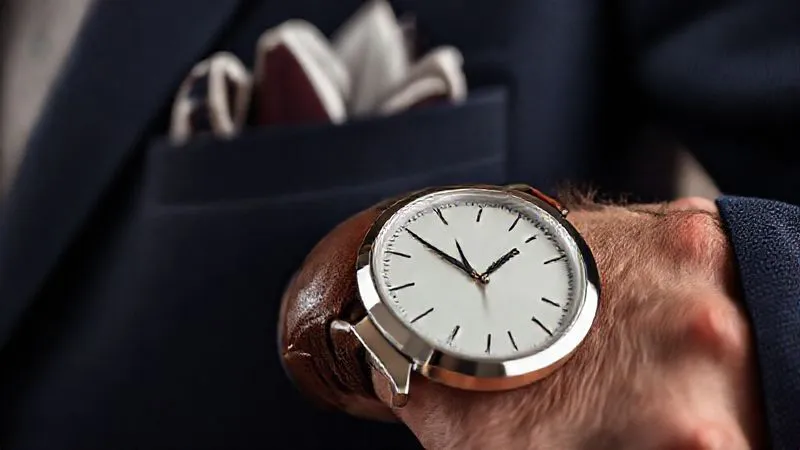
A sophisticated watch is perhaps the most impactful accessory for a male executive. It’s a statement of maturity and attention to detail. Opt for:
- Dress Watch: A slim, elegant watch with a leather strap (black or dark brown) and a minimalist dial.
- Sport Watch (Refined): A more robust watch, perhaps with a metal bracelet, but still possessing a refined aesthetic suitable for professional settings. Avoid overly flashy or tactical watches.
Ensure your watch is always clean and well-maintained. A timepiece speaks volumes without uttering a word.
Belts: The Unifying Element
Your belt should always match your shoes in color and approximate finish. A high-quality leather belt with a simple, elegant buckle is essential. Avoid large, flashy buckles or casual fabric belts.
Pocket Squares: A Touch of Flair
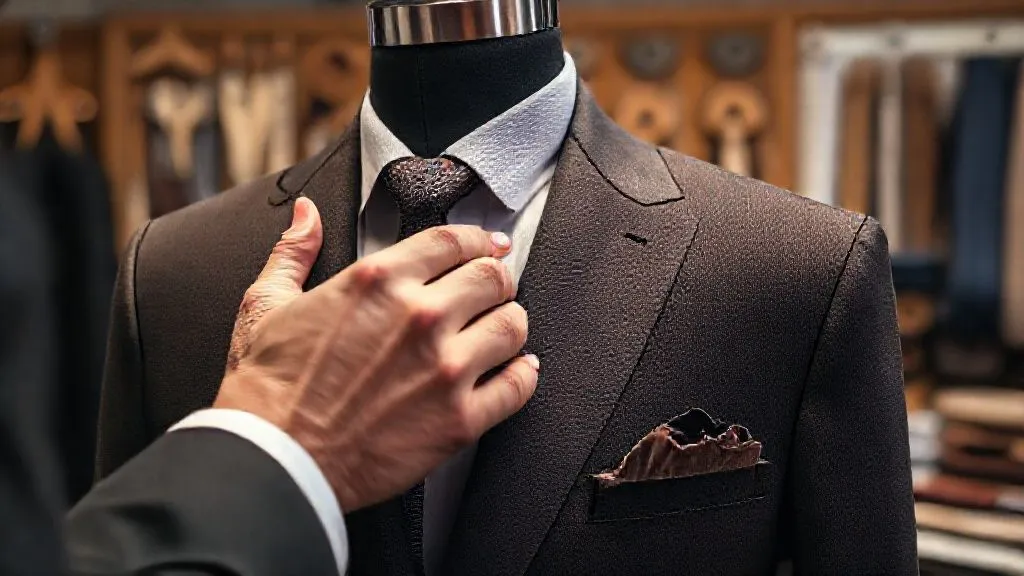
A pocket square is an excellent way to introduce a dash of color or pattern to your blazer, adding a layer of sophistication. Choose silk, linen, or cotton squares in patterns or solid colors that complement, rather than exactly match, your shirt or tie (if worn). A simple puff fold or a presidential fold are generally appropriate for executive settings.
Other Considerations: Briefcases and Eyewear
- Briefcase/Bag: Invest in a high-quality leather briefcase, messenger bag, or a sleek leather backpack. It's an extension of your professional image.
- Eyewear: Your glasses should complement your face shape and personal style. Ensure they are clean and well-maintained.
Grooming and Personal Presentation: The Unspoken Language of Leadership
Even the most perfectly curated wardrobe can be undermined by poor grooming. For senior management, impeccable personal presentation is not optional; it's fundamental to projecting confidence, professionalism, and respect.
Hair: Neatness and Style
Your haircut should be clean, classic, and well-maintained. Regular trims are essential. Avoid overly trendy or experimental styles. For those with facial hair, it must be meticulously trimmed, shaped, and groomed. A scruffy beard or unkempt hair can instantly detract from your executive image.
Skin and Nails: Attention to Detail
A simple skincare routine (cleansing, moisturizing) can make a significant difference. Your hands are often visible, so ensure your nails are clean and neatly trimmed. This attention to detail reflects a broader commitment to excellence.
Scent: Subtle Sophistication
A subtle, sophisticated fragrance can leave a lasting positive impression. Choose a classic, understated scent and apply it sparingly. The goal is for it to be noticed only in close proximity, not to overpower a room. Avoid heavy, cloying, or overly casual scents.
"True executive presence is a holistic package. Your clothing provides the frame, but your grooming and demeanor are the portrait within. Both must be flawless."
Developing Your Personal Executive Style Signature
While guidelines are crucial, true executive style also involves developing a personal signature. This is where your individual personality and the unique culture of your organization intersect with the principles of elevated business casual. It's about consistency, authenticity, and knowing your audience.
Authenticity and Comfort
Your upgraded wardrobe should feel like an authentic extension of who you are. If you’re uncomfortable, it will show. Experiment with different textures, colors, and cuts within the executive business casual framework to find what truly resonates with you and makes you feel confident and at ease. This authenticity is key to projecting genuine leadership.
Consistency is Key
Once you've refined your style, maintain consistency. A strong personal brand is built on reliability. People should be able to anticipate a certain level of polish from you, reinforcing your image as a dependable and detail-oriented leader. This doesn't mean wearing the same thing every day, but rather adhering to a consistent standard of quality and presentation.
Understanding Your Environment
While the principles of upgrading business casual for senior management are universal, the specific application might vary slightly. A tech executive in Silicon Valley might have more leeway for a modern, minimalist aesthetic than a financial executive on Wall Street. Always consider your industry, company culture, and the expectations of your clients and peers. However, remember that as a senior leader, you often set the standard, rather than merely following it.
| Wardrobe Item | Consideration | Action |
|---|---|---|
| Tailored Worsted Wool Trousers | Fit, fabric weight, color versatility (charcoal, navy). | Invest in 3-4 pairs, get them custom tailored. |
| High-Quality Cotton Dress Shirts | Weave (twill, pinpoint), collar style (spread, semi-spread), subtle patterns. | Build a rotation of 5-7 shirts in white, blue, and subtle patterns. |
| Structured Blazers/Sport Coats | Fabric (wool, hopsack), color (navy, grey, subtle patterns), fit. | Acquire 2-3 versatile blazers. Ensure shoulder and sleeve fit is perfect. |
| Premium Leather Footwear | Style (loafers, Derbies), color (dark brown, black, oxblood), quality. | Own at least 3 pairs, maintain with regular polishing and shoe trees. |
| Refined Accessories | Watch, belt, pocket squares, quality briefcase. | Choose elegant, understated pieces. Match belt to shoes. Use pocket squares for flair. |
Frequently Asked Questions (FAQ)
Q: Is it ever appropriate for senior management to wear jeans in a business casual setting? A: Generally, no. While some industries or specific 'casual Fridays' might permit jeans for junior staff, for senior management, it risks undermining authority. If your culture truly embraces them, opt for dark-wash, impeccably fitted, un-distressed denim paired with a blazer and dress shoes. However, I strongly advise against it for any high-stakes meetings or client interactions. Wool trousers or refined chinos are almost always a safer, more authoritative choice.
Q: How do I balance looking modern with maintaining a traditional executive image? A: The key is to embrace modern fits and textures within classic frameworks. For instance, a slim-fit navy blazer in a hopsack weave is modern, but the item itself is timeless. Pair it with flat-front wool trousers and sleek loafers. Avoid overly trendy patterns, extreme cuts, or synthetic fabrics. Focus on high-quality natural materials, impeccable tailoring, and a palette of classic colors, then introduce subtle contemporary elements.
Q: What are the biggest mistakes senior managers make with their business casual attire? A: The most common mistakes include ill-fitting garments (especially baggy trousers or blazers), neglecting footwear (worn-out or overly casual shoes), choosing low-quality fabrics that wrinkle easily or look cheap, and a general lack of intentionality – dressing without considering the impact of each piece. Another frequent error is confusing 'casual' with 'sloppy' or 'unprofessional'.
Q: Should I always wear a blazer, even if it's warm? A: For senior management, a blazer or sport coat is almost always recommended for its ability to convey authority and polish. In warmer climates, opt for lightweight, breathable fabrics like linen-blend blazers (unlined or half-lined) or hopsack wool. Consider a well-fitted dress shirt with the sleeves rolled up neatly, but be prepared to put on a blazer for important interactions. The structured silhouette of a blazer is hard to replicate with just a shirt.
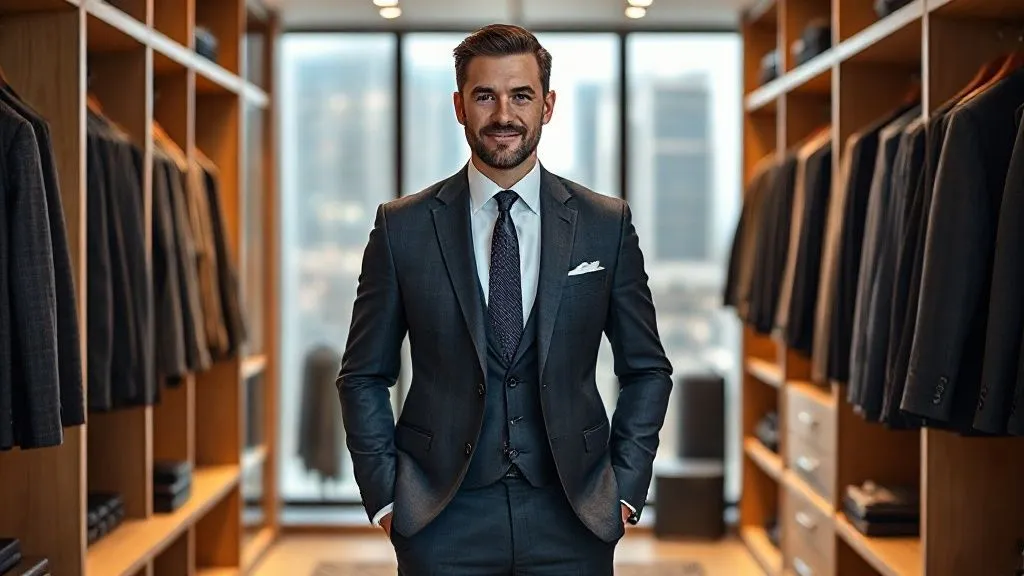
Q: How many blazers and trousers do I need to build an effective executive business casual wardrobe? A: To start, I recommend at least two versatile blazers (a navy and a charcoal/grey) and three to four pairs of high-quality wool trousers (navy, charcoal, medium grey, and perhaps a subtle pattern or a brown). This provides enough combinations for a full work week without repetition and allows for proper garment care and rotation. As you build, you can add more patterned sport coats or alternative trouser colors.
Key Takeaways and Final Thoughts
Upgrading business casual for senior management is not merely about following a dress code; it's about strategic self-presentation. It's an investment in your personal brand, your perceived competence, and ultimately, your leadership effectiveness. By focusing on quality, fit, and intentionality, you can cultivate an executive image that commands respect and inspires confidence.
- Prioritize Fabric, Fit, and Finish: These are the foundational elements that define quality.
- Embrace Strategic Layering: Blazers and sport coats are your most powerful tools.
- Elevate Every Item: From shirts to trousers to footwear, choose refined options.
- Master the Details: Accessories and grooming complete the executive picture.
- Develop Your Signature: Be authentic, consistent, and aware of your context.
I encourage you to approach your wardrobe with the same strategic thinking you apply to your business decisions. Your clothing is a powerful non-verbal communicator, and for senior management, it should always speak volumes about your professionalism and leadership. Invest wisely, dress intentionally, and watch as your enhanced executive presence opens new doors and solidifies your authority. The journey to impeccable executive style is ongoing, but with these insights, you are now equipped to lead the way.
Recommended Reading
- 7 Design Features: Preventing Rapid Wear in Kids' Everyday Apparel
- Mastering Succession: How to Retain Aging Haute Couture Artisans' Rare Skills
- Menswear Style Tips for Short Men: Look Taller Instantly!
- 7 Expert Adjustments: How Fashion Shoes Become Truly Orthotic-Friendly
- 5 Steps to Master Last-Minute Haute Couture Client Changes


Your email address will not be published. Required fields are marked *