

How to Retain Aging Master Haute Couture Artisans' Rare Skills?
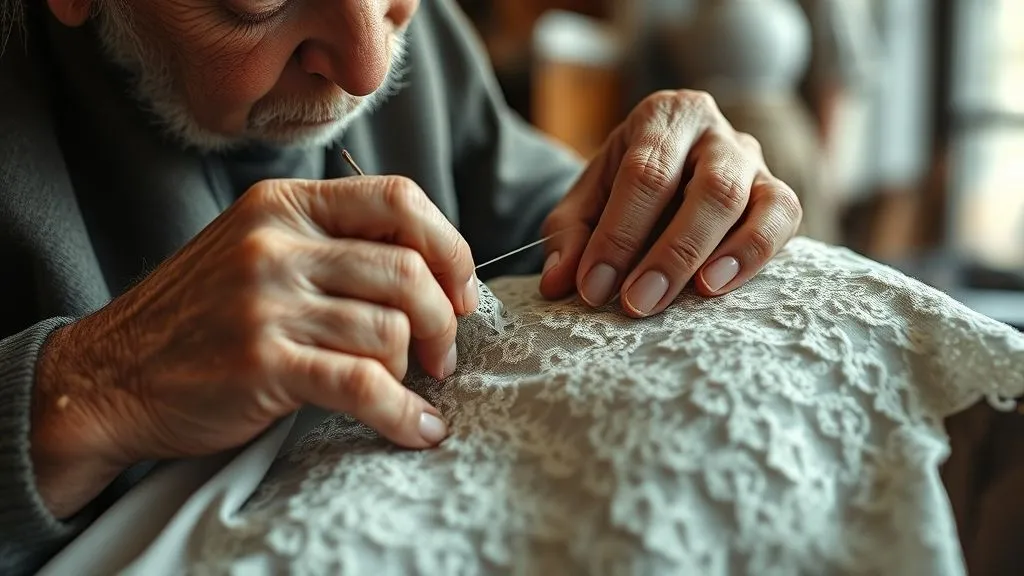
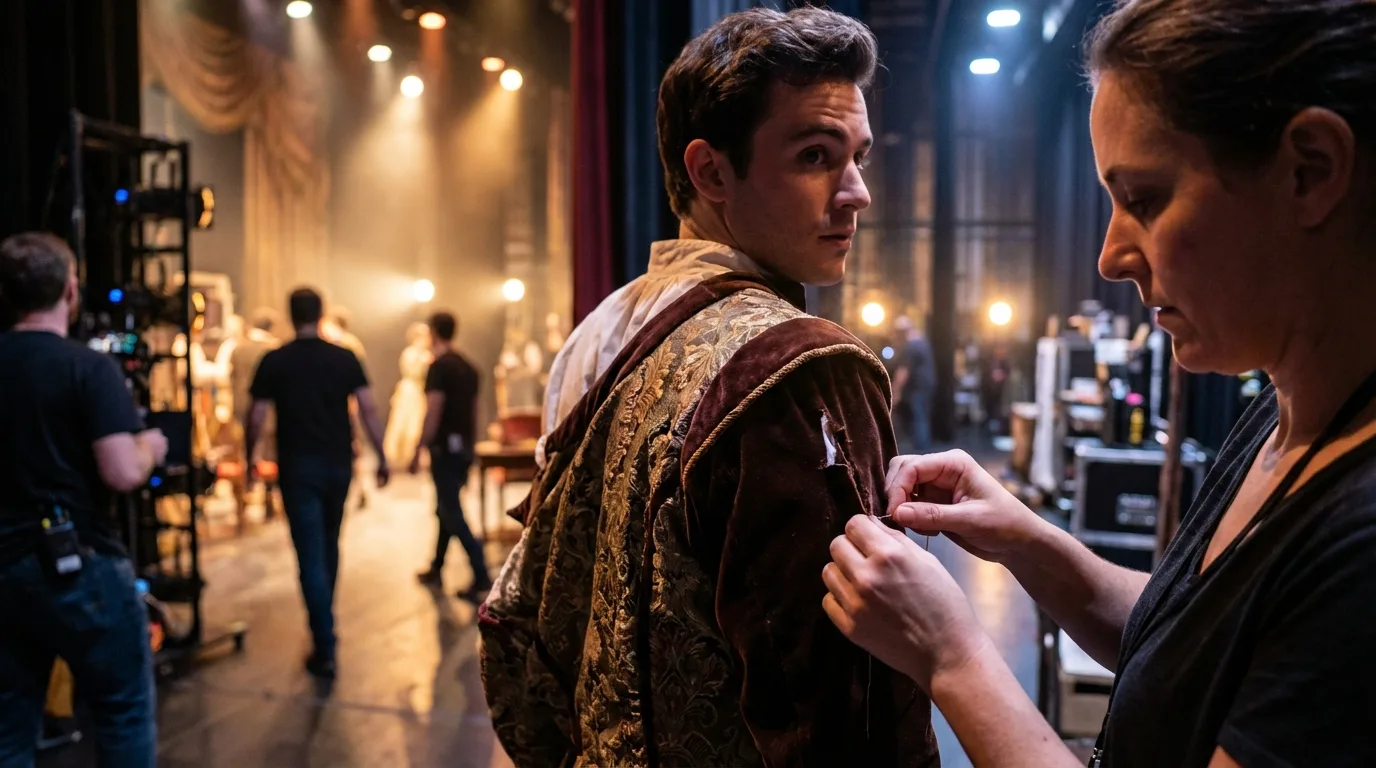
For over two decades immersed in the opulent, often fiercely guarded world of haute couture, I've witnessed a silent, yet profound crisis unfolding: the irreplaceable loss of artisanal mastery. It's a quiet exodus, as the hands that craft magic – the embroiderers, the pattern-makers, the feather artists, the plumassiers, the paruriers – reach retirement, often taking with them centuries of accumulated wisdom and skill that cannot be found in any textbook. This isn't just about an individual leaving; it's about an entire lineage of highly specialized, nuanced knowledge disappearing with them, leaving a void that no machine or AI can fill.
This isn't merely a talent shortage; it's an existential threat to the very soul of luxury craftsmanship. Brands, often focused on immediate collections and quarterly reports, sometimes overlook the ticking clock on these living libraries of technique, risking the erosion of their unique heritage and the very definition of 'haute couture.' The challenge is immense: how do we bridge the gap between tradition and the future, ensuring these rare skills endure not just for a season, but for generations to come? The question, 'How to retain aging master haute couture artisans' rare skills?', is not just strategic, it's philosophical.
In this definitive guide, I will share actionable frameworks and insights, gleaned from my own experiences and observations within the most prestigious ateliers and luxury houses, designed to help you not just retain, but actively cultivate, transfer, and celebrate the invaluable legacy of your aging master haute couture artisans. We'll explore strategic mentorship, innovative digital archiving, the creation of a vibrant, intergenerational learning ecosystem, and how to embed this critical succession planning into the very DNA of your luxury brand's operations. This isn't a quick fix; it's a long-term investment in artistry and authenticity.
The Silent Erosion: Understanding the Depth of Skill Loss in Luxury Craftsmanship
Before we can devise solutions, we must first deeply understand the problem. The skills held by master haute couture artisans are not merely repetitive actions; they are an intricate tapestry of intuition, experience, and a profound understanding of materials that often defies explicit articulation. I've seen countless ateliers scramble when a key artisan announces retirement, suddenly realizing the depth of knowledge walking out the door. It's a wake-up call that often comes too late, highlighting a pervasive lack of proactive succession planning in an industry built on heritage.
Beyond the Stitch: What We Truly Stand to Lose
The "skills" we talk about are multifaceted. They encompass:
- Tacit Knowledge: The intuitive understanding of how a fabric will drape, the precise tension required for a particular stitch, the subtle art of color blending for an embroidery – these are things learned through decades of practice, not from a manual.
- Material Mastery: An artisan’s ability to work with the most delicate silks, the most stubborn leathers, or the most intricate feathers, coaxing them into forms of unparalleled beauty. This involves an intimate knowledge of material properties, limitations, and potential.
- Problem-Solving Ingenuity: Couture often involves creating the seemingly impossible. Master artisans possess an unparalleled ability to innovate on the spot, finding elegant solutions to complex structural or aesthetic challenges that arise during the creation of unique pieces.
- Historical Context and Aesthetic Sensitivity: Many techniques are rooted in centuries of tradition. Artisans often carry a deep understanding of historical styles, embellishment techniques, and the aesthetic sensibilities that define haute couture.
"The true value of a master artisan lies not just in their hands, but in the accumulated wisdom in their mind – a living archive of techniques, materials, and problem-solving that defines the very essence of luxury craftsmanship."
The loss of these skills isn't just a practical inconvenience; it's a loss of cultural heritage, a weakening of the very foundations upon which the prestige of haute couture is built. It’s a challenge that demands immediate and strategic intervention.
Building Bridges: Strategic Mentorship and Apprenticeship Programs
One of the most direct and effective ways to combat skill erosion is through robust, structured mentorship and apprenticeship programs. I've observed that the most successful luxury houses are those that have formalized the transmission of knowledge from their seasoned masters to eager protégés. This isn't about casual observation; it's about intentional, hands-on learning that replicates the historical atelier model but with modern structures.
Designing an Effective Mentorship Framework
An effective program goes far beyond simply pairing two individuals. It requires careful planning and commitment:
- Identify Key Skills and Artisans: Begin by auditing your atelier to identify which master artisans possess critical, at-risk skills. Map out the specific techniques, processes, and materials that need to be transferred. This is often an eye-opening exercise for many brands, revealing unexpected dependencies.
- Curated Pairing: Match mentors and apprentices based not only on skill alignment but also on personality and teaching/learning styles. A master who is excellent at their craft may not naturally be a good teacher, so providing training in pedagogical approaches can be crucial.
- Structured Curriculum with Milestones: Develop a clear, progressive learning curriculum. Break down complex skills into manageable modules. Set regular milestones and assessments to track progress. This ensures the transfer of knowledge is systematic and measurable, rather than haphazard.
- Dedicated Time and Resources: Mentorship cannot be an afterthought. Allocate specific, protected time for mentors and apprentices to work together. This might mean adjusting production schedules or providing dedicated workstations. Investing in this time is an investment in your brand's future.
- Formal and Informal Check-ins: Implement regular formal reviews to discuss technical progress and address any challenges. Equally important are informal check-ins to foster a strong relationship and allow for the organic transfer of tacit knowledge and industry wisdom.
According to a study published in the Harvard Business Review, employees who participate in mentorship programs have higher job satisfaction and career success, while mentors report increased job engagement. This reciprocal benefit is vital for successful skill transfer.
Digitalizing Dexterity: Archiving Techniques for Future Generations
While hands-on mentorship is irreplaceable, technology offers powerful complementary tools for preserving and disseminating artisanal knowledge. The challenge with many haute couture techniques is their inherently non-physical nature – the 'feel' of the fabric, the 'knack' for a particular movement. However, modern digital tools can capture much of this elusive dexterity in unprecedented detail, providing a permanent, accessible archive.
Leveraging Technology for Skill Preservation
I've seen forward-thinking ateliers experiment with various digital solutions:
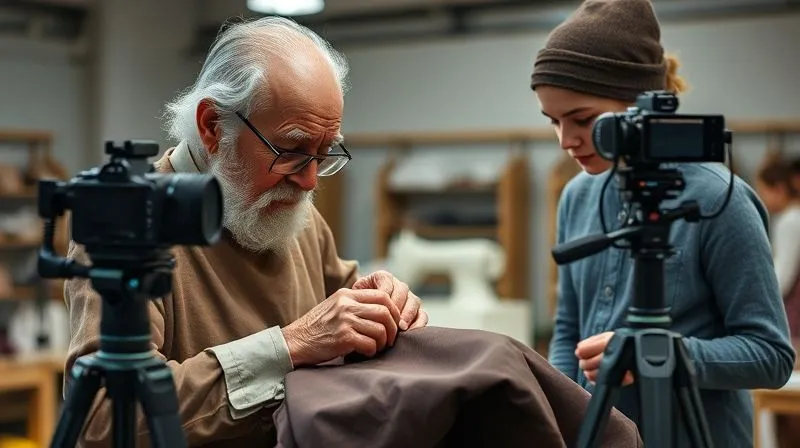
- High-Resolution Video Documentation: Filming master artisans at work, capturing every subtle hand movement, tool manipulation, and material interaction. Multiple camera angles, slow-motion, and expert commentary from the artisan themselves can create invaluable instructional libraries.
- 3D Scanning and Virtual Reality (VR): For complex patterns, unique embellishments, or even the physical tools themselves, 3D scanning can create precise digital models. VR environments can then allow apprentices to "virtually" interact with these models, studying their structure and construction in detail. Imagine exploring a 19th-century embroidery technique in VR!
- Augmented Reality (AR) Overlays: AR applications can overlay step-by-step instructions or visual cues onto real-world materials, guiding an apprentice through a complex process as they work. This provides real-time, context-sensitive learning support.
- Interactive Digital Manuals: Moving beyond static PDFs, these manuals integrate video, 3D models, and text, allowing apprentices to navigate complex techniques at their own pace, pausing and replaying as needed.
The goal isn't to replace the human element but to augment it, creating a robust backup and a supplementary learning resource. This is particularly crucial for skills that are on the brink of extinction, offering a lifeline for their revival.
| Archiving Method | Pros | Cons | Best Use |
|---|---|---|---|
| High-Res Video | Captures movement, easy to share | Lacks tactile feedback, can be passive | Complex hand techniques, sequences |
| 3D Scanning/VR | Detailed spatial data, immersive | High setup cost, specialized equipment | Tool replication, structural details, historical pieces |
| AR Overlays | Real-time guidance, interactive | Requires device, complex development | Step-by-step assembly, intricate details |
| Interactive Digital Manuals | Comprehensive, self-paced learning | Requires constant updates, text-heavy | Theoretical knowledge, material properties |
Cultivating a Culture of Legacy: Attracting and Nurturing New Talent
Retaining existing skills is only one side of the coin; attracting new talent is equally vital for the long-term sustainability of haute couture. The perception of artisanal careers has shifted, and luxury brands must actively re-engage a younger generation, demonstrating that these are not just jobs, but prestigious careers offering profound fulfillment and creative expression. This requires a proactive approach to branding, education, and career development.
The Role of Brand Storytelling and Compensation
Luxury brands are masters of storytelling when it comes to their products, but they often fall short in telling the story of their people. I advocate for highlighting the artisans themselves:
- Feature Artisans Prominently: Showcase their stories, their dedication, and their unique skills in marketing campaigns, on social media, and within brand narratives. Elevate them to the status of artists, which they truly are. This not only attracts talent but also adds authenticity to the brand.
- Competitive Compensation and Benefits: While passion is a motivator, financial stability and comprehensive benefits are non-negotiable. Luxury brands must ensure their artisans are compensated in a manner commensurate with their rare skills and the value they bring to the brand. This includes fair wages, health benefits, and retirement plans.
- Clear Career Pathways: Young talent needs to see a future. Develop clear career progression paths within the atelier, outlining opportunities for specialization, leadership, and even creative input. This demonstrates a commitment to their growth.
Case Study: How 'Atelier Lumière' Revitalized its Talent Pipeline
Atelier Lumière, a renowned Parisian couture house specializing in intricate beadwork and embroidery, faced a severe talent crisis with its key master artisans approaching retirement. They implemented a multi-pronged strategy. Firstly, they launched a "Hands of Lumière" campaign, featuring their artisans in short documentaries and on their Instagram, celebrating their craft. This garnered significant public interest and applications from aspiring embroiderers. Secondly, they partnered with local vocational schools, offering paid summer apprenticeships and establishing a formal, three-year junior artisan program with guaranteed employment upon completion. Finally, they restructured artisan salaries to be competitive with other high-skill professions, including performance bonuses for mentorship. Within five years, Atelier Lumière not only retained their aging masters but also built a vibrant pipeline of 15 new, highly skilled artisans, securing their legacy and even expanding their bespoke services.
As marketing guru Seth Godin often says, "People do not buy goods and services. They buy relations, stories, and magic." This applies equally to attracting and retaining talent. Brands must create a compelling narrative for artisanal careers. For more insights on attracting top talent, see this Forbes article on talent attraction.
Intergenerational Ateliers: Fostering Collaborative Learning Environments
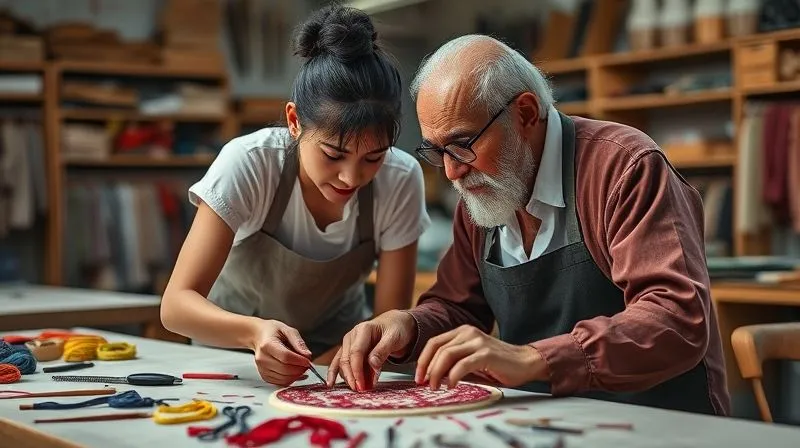
The traditional atelier, at its best, was a hub of continuous learning, where knowledge flowed organically from master to apprentice. Modern pressures can sometimes fragment this, but a deliberate effort to foster intergenerational collaboration can reignite this powerful dynamic. It's about creating an environment where both old and new generations feel valued, respected, and constantly engaged in a shared pursuit of excellence.
Structured Workshops and Peer-to-Peer Exchange
Beyond one-on-one mentorship, collective learning experiences are invaluable:
- Cross-Skill Workshops: Organize regular internal workshops where master artisans teach specific, specialized techniques to a broader group of junior artisans. This not only transfers skills but also builds camaraderie and a deeper appreciation for different crafts within the atelier.
- Reverse Mentorship Programs: Encourage younger, digitally native artisans to mentor older masters on new technologies, digital design tools, or social media engagement. This creates a two-way flow of knowledge, fostering mutual respect and showing aging artisans their value extends beyond traditional craft.
- Collaborative Projects: Assign projects that require teams composed of both senior and junior artisans. This forces direct interaction, problem-solving, and the natural transmission of tacit knowledge under real-world pressure. It also allows junior artisans to witness the master's problem-solving ingenuity firsthand.
- Open Forums and 'Skill Shares': Establish regular, informal sessions where artisans can share tips, tricks, and challenges. These can be incredibly effective for diffusing best practices and fostering a sense of shared community and continuous improvement.
The benefits of such environments are manifold:
- Enhanced Skill Transfer: Direct, continuous exposure to master techniques.
- Increased Engagement: Both mentors and mentees feel more connected and valued.
- Innovation: Blending traditional techniques with fresh perspectives can lead to new creative avenues.
- Stronger Atelier Culture: A sense of shared purpose and collective legacy.
The Financial Imperative: Investing in Artisan Welfare and Recognition
It's a simple truth often overlooked: retaining valuable talent, especially those with rare and specialized skills, requires a significant and sustained investment. For luxury brands, where authenticity and craftsmanship are paramount, treating artisans as disposable or under-resourced is a profound strategic error. The investment in artisan welfare and recognition is not merely a cost; it’s a crucial component of brand equity and long-term sustainability.
Fair Compensation, Benefits, and Public Honour
To truly retain aging master haute couture artisans' rare skills, brands must:
- Benchmark Compensation: Regularly review artisan salaries against industry benchmarks for highly skilled craftspeople, not just general manufacturing roles. Ensure compensation reflects the rarity and value of their expertise. This includes competitive base salaries, performance-based incentives, and loyalty bonuses for long-serving masters.
- Comprehensive Benefits Package: Offer robust health insurance, retirement plans, and paid leave. These provide financial security and demonstrate a genuine commitment to their well-being, especially as artisans age. Consider flexible work arrangements or reduced hours for senior masters who wish to continue contributing without the full rigors of a standard workweek.
- Professional Development and Recognition: Invest in continuous learning opportunities, even for masters, to keep their skills sharp and relevant. Publicly acknowledge their contributions through internal awards, brand publications, and participation in industry events. This elevates their status and reinforces their value to the brand and the wider industry.
- Secure Working Conditions: Ensure ateliers are safe, ergonomic, and inspiring environments. High-quality tools, proper lighting, and comfortable workstations are not luxuries; they are necessities for artisans whose work demands precision and sustained effort.
"Valuing human capital in haute couture means recognizing that the hands that create beauty are the most valuable assets a luxury brand possesses. Investment in their well-being is an investment in the brand's soul."
As Harvard Business Review often highlights, employee retention is directly linked to feeling valued and having opportunities for growth and security. For artisans, this translates into a profound sense of purpose and and belonging, which in turn fosters loyalty and a willingness to pass on their unparalleled expertise.
Measuring Success: Metrics for Skill Transfer and Retention
Implementing programs to retain aging master haute couture artisans' rare skills is a significant undertaking, and like any strategic initiative, it requires clear metrics to assess its effectiveness. Without measurable outcomes, it's impossible to know if your efforts are truly making an impact or if adjustments are needed. I've found that a blend of quantitative and qualitative data provides the most comprehensive picture.
Key Performance Indicators for Artisan Programs
Consider tracking the following KPIs:
- Apprentice Skill Proficiency Scores: Regular, structured assessments of apprentices' mastery of specific techniques taught by masters. This can involve practical tests, project evaluations, and peer reviews.
- Skill Transfer Rate: The percentage of identified critical skills successfully transferred from master artisans to junior artisans within a defined timeframe. This requires a baseline audit and subsequent re-assessments.
- Artisan Retention Rate (Senior & Junior): Track the percentage of both master artisans who choose to remain with the atelier (even in reduced capacities) and junior artisans who complete their training and stay on.
- Production Quality Metrics: Monitor the quality of work produced by apprentices as they gain experience, ensuring it meets the exacting standards of haute couture. Look for reductions in errors or rework needed.
- Knowledge Archiving Completion: The percentage of identified critical skills that have been successfully documented and digitized through video, 3D scanning, or interactive manuals.
- Intergenerational Collaboration Engagement: Track participation rates in workshops, reverse mentorship, and collaborative projects. Qualitative feedback on the effectiveness of these interactions is also key.
- Artisan Satisfaction & Engagement Scores: Regular surveys and interviews with both master and junior artisans to gauge their satisfaction with mentorship programs, working conditions, and their overall sense of value and purpose.
By consistently monitoring these metrics, ateliers can gain invaluable insights into the efficacy of their retention and skill transfer strategies, allowing for agile adjustments and continuous improvement. This data-driven approach transforms the abstract goal of 'preserving heritage' into a tangible, achievable business objective.
| KPI | Measurement Method | Target | Impact |
|---|---|---|---|
| Skill Proficiency Score (Apprentice) | Practical assessment, project evaluation | 85% mastery by Year 2 | Direct measure of skill transfer |
| Master Artisan Retention Rate | Employee turnover data | >90% for masters aged 60+ | Preserves core expertise, continuity |
| Knowledge Archiving Completion | Database entries, video hours | 75% of critical skills documented | Creates accessible, permanent knowledge base |
| Intergenerational Program Participation | Attendance records, feedback surveys | >80% for eligible artisans | Fosters collaborative learning culture |
Frequently Asked Questions (FAQ)
Is it truly possible to transfer decades of tacit knowledge, or is some of it inherently untransferable? While the purest form of intuition and 'feel' that comes from decades of experience can never be fully replicated, a significant portion of tacit knowledge can be transferred. This requires deep, sustained mentorship, hands-on practice, and the master's conscious effort to articulate their decision-making processes. Digital tools can also capture visual and auditory cues that aid in this transfer, making it more accessible than ever before. It’s about creating an environment where the apprentice can 'absorb' as much as possible, not just 'learn.'
What's the biggest mistake luxury brands make when trying to retain aging master artisans? The biggest mistake I've observed is procrastination and underestimation. Brands often wait until a master artisan is on the verge of retirement before realizing the profound skill gap they face. They also frequently underestimate the time, resources, and structured effort required for effective knowledge transfer, treating it as an informal process rather than a critical strategic initiative. This leads to rushed, ineffective attempts that fail to capture the depth of expertise.
How do we motivate aging artisans, who may be nearing retirement, to actively teach and mentor? Motivation stems from a combination of recognition, respect, and compensation. Acknowledge their invaluable contribution not just as workers, but as teachers and guardians of heritage. Offer specific financial incentives for their mentorship roles, separate from their production work. Create flexible schedules that allow them to teach without burnout. Crucially, foster a culture where they feel profound pride in passing on their legacy and seeing their skills thrive in a new generation.
What role do modern design schools play in this challenge of skill retention? Design schools play a crucial, yet often overlooked, role. They are the initial pipeline for future artisans. Collaborations between luxury brands and schools can help integrate traditional haute couture techniques into modern curricula, sparking interest early. Brands can offer internships, guest lectures by master artisans, and even sponsor specialized programs. This ensures that foundational knowledge is introduced and valued before students enter the professional ateliers.
Is digital archiving truly effective for hands-on, tactile skills, or is it merely a supplementary tool? Digital archiving is an incredibly powerful supplementary tool, but it cannot entirely replace hands-on learning and direct human interaction. While high-resolution video can capture movements and 3D models can detail structures, the tactile feedback, the 'feel' of materials, and the intuitive adjustments an artisan makes in real-time are best learned through direct practice under a master's eye. Digital archives serve as an invaluable reference, a historical record, and a self-paced learning aid, but they are a complement to, not a substitute for, the living tradition of the atelier.
Key Takeaways and Final Thoughts
The question of 'How to retain aging master haute couture artisans' rare skills?' is more than a logistical challenge; it's a profound commitment to the future of luxury itself. The very definition of haute couture, rooted in unparalleled craftsmanship and human artistry, depends on our ability to safeguard and transmit these precious skills across generations. My experience has shown that success in this area requires a multifaceted, strategic, and deeply empathetic approach.
- Proactive Planning is Paramount: Don't wait until it's too late. Implement structured succession planning long before artisans consider retirement.
- Invest in People: Fair compensation, comprehensive benefits, and a culture of respect are non-negotiable for attracting and retaining top talent.
- Formalize Mentorship: Create structured, measurable mentorship and apprenticeship programs that systematically transfer knowledge.
- Embrace Technology Thoughtfully: Utilize digital archiving tools as powerful complements to hands-on learning, creating accessible knowledge bases.
- Foster Intergenerational Collaboration: Build ateliers that encourage a two-way flow of knowledge and mutual respect between all generations of artisans.
- Tell Their Stories: Elevate your artisans' profiles, showcasing their mastery as a core component of your brand's identity and value.
The legacy of haute couture is not just in its exquisite garments, but in the hands and minds of those who create them. By implementing these strategies, luxury brands can ensure that the magic of true craftsmanship continues to inspire, innovate, and define excellence for centuries to come. It’s an investment in authenticity, a safeguard for heritage, and a testament to the enduring power of human skill. The future of luxury craftsmanship rests in our collective ability to honor and cultivate this invaluable human capital.
Recommended Reading
- Craft Believable Characters: Costume Design Secrets Revealed!
- 7 Fixes for Low AI Beauty Personalization Conversions: Boost Your ROI
- Predicting Activewear Profits: 7 Steps to Next Season's Hot Trends
- Unlocking Editorial Magic: How to Develop a Visual Story for Fashion
- 7 Breakthroughs: Innovating Sportswear for Extreme Athlete Demands



Your email address will not be published. Required fields are marked *