

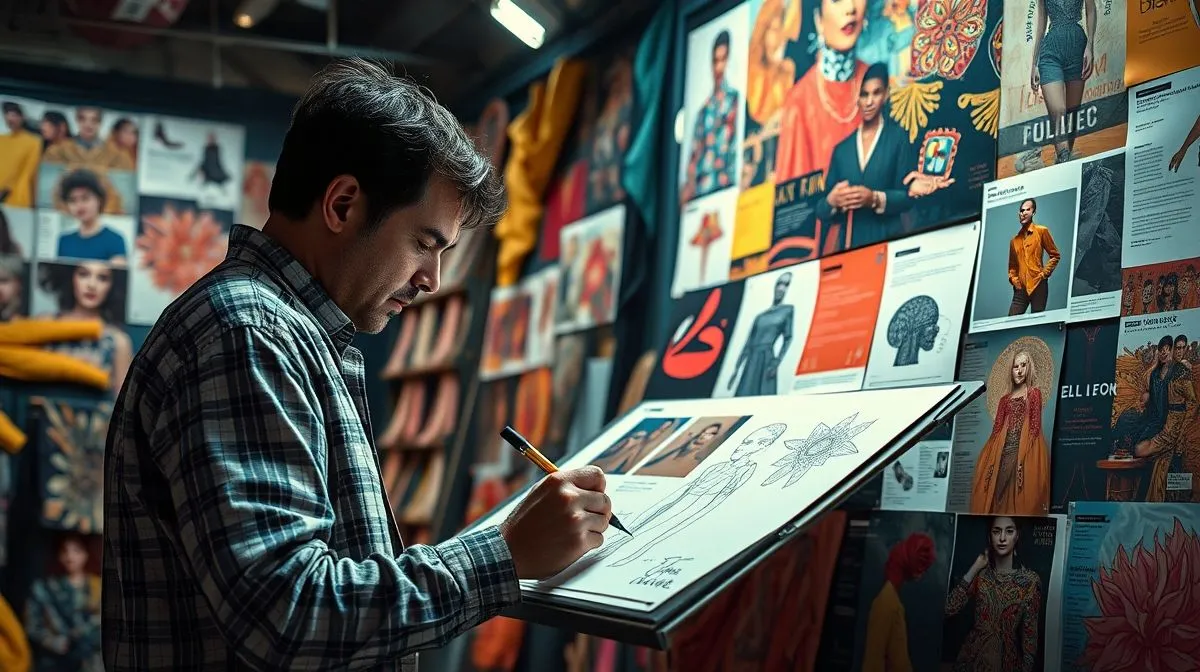
How to Develop a Visual Story for Fashion Editorials? Unlocking Editorial Magic
Have you ever flipped through the pages of a high-fashion magazine, captivated not just by the garments, but by the entire world presented within each editorial spread? It's more than just beautiful clothes on a model; it's a carefully constructed narrative, a world built image by image, designed to evoke emotion and communicate a deeper message. This phenomenon, known as visual storytelling, transforms fashion from mere apparel into an art form.
But how does a collection of images transcend simple display to tell a compelling narrative? What are the precise steps, the creative considerations, and the strategic decisions that go into crafting an editorial that truly resonates? The challenge lies in translating abstract concepts and emotions into tangible visual elements that speak volumes without uttering a single word.
This comprehensive guide will demystify the process of how to develop a visual story for fashion editorials, transforming your concepts into captivating visual journeys. By the end of this reading, you will possess a robust framework, from initial conceptualization to final execution and post-production, enabling you to craft fashion editorials that leave a lasting impact and elevate your creative vision.
Understanding the Essence of Visual Storytelling in Fashion
More Than Just Clothes: The Power of Narrative
At its core, visual storytelling in fashion is about creating a cohesive sequence of images that conveys a particular message, emotion, or theme. It's the difference between a catalog shot and an editorial masterpiece. A catalog simply presents a product; an editorial invites the viewer into a world, a mood, a dream. This narrative approach allows designers, stylists, and photographers to explore concepts beyond the fabric itself, delving into cultural commentary, historical references, or futuristic visions.
The power of narrative lies in its ability to connect on a deeper, more emotional level. Humans are inherently wired for stories. When fashion is presented through a story, it becomes relatable, aspirational, and memorable. It allows the audience to project themselves into the narrative, fostering a stronger connection with the brand or collection being showcased.
Why Visual Stories Resonate with Audiences
In an increasingly saturated visual landscape, standing out requires more than just aesthetic appeal. A strong visual story provides a unique voice and identity. It cuts through the noise by offering a coherent experience rather than a fragmented collection of images. This coherence aids in brand recall and loyalty, as consumers remember the feeling and message associated with the editorial, not just the individual pieces of clothing.
Furthermore, visual stories tap into the subconscious, leveraging universal archetypes and narratives that resonate across cultures. Whether it's a story of rebellion, romance, transformation, or discovery, these underlying themes provide a framework that makes the fashion accessible and engaging. As visual storytelling expert Robert McKee notes, stories are equipment for living, and fashion editorials, at their best, provide just that.
Phase 1: Conceptualization – Laying the Foundation
Identifying Your Core Message and Theme
Every compelling visual story begins with a clear, concise message or theme. This is the central idea that everything else will revolve around. Ask yourself: What emotion do I want to evoke? What narrative am I trying to tell? Is it about empowerment, vulnerability, escapism, or urban grit? The theme should be specific enough to guide your creative decisions but broad enough to allow for artistic interpretation.
Consider the target audience and the purpose of the editorial. Is it for a high-fashion magazine, a brand campaign, or a personal portfolio? The context will influence the tone, style, and complexity of your narrative. A strong theme acts as your compass, ensuring all elements of the shoot contribute to a singular, impactful vision.
The Art of Mood Board Creation: Visualizing Your Narrative
Once your core message is established, the mood board becomes your most invaluable tool. It's a visual collage that translates abstract ideas into tangible inspiration. A well-crafted mood board provides a blueprint for the entire team, ensuring everyone is aligned with the vision. It should include:
- Color Palettes: Specific hues and tones that convey the desired mood.
- Textures and Fabrics: Visual references for tactile qualities that enhance the story.
- Photography Styles: Examples of lighting, composition, and camera angles that fit the narrative.
- Model Poses and Expressions: Body language and facial expressions that communicate the story's emotional arc.
- Location and Set Design Inspirations: Environments that serve as the backdrop for your tale.
- Hair and Makeup References: Styles that complement the overall aesthetic and character.
- Art and Cultural References: Paintings, sculptures, films, historical periods, or social movements that inform the theme.
The mood board isn't just a collection of pretty pictures; it's a strategic document that visually articulates the story, setting the foundation for every subsequent decision in how to develop a visual story for fashion editorials.
Research and Inspiration: Beyond the Obvious
True originality stems from deep, diverse research. Don't limit yourself to just fashion magazines. Look at art history, cinema, literature, architecture, sociology, and even scientific concepts. A fashion editorial can be inspired by anything from a forgotten myth to a contemporary social issue, from the geometry of a building to the fluidity of water.
Dive into historical periods, subcultures, or even abstract philosophical concepts. The more varied your sources of inspiration, the richer and more unique your visual story will become. This deep dive prevents your editorial from looking generic and imbues it with layers of meaning that viewers can uncover upon repeat viewing. It's about finding unexpected connections and translating them into a compelling fashion narrative.
Phase 2: Pre-Production – Bringing the Vision to Life
Casting the Right Characters: Models as Storytellers
Models in a fashion editorial are not just clothes hangers; they are the protagonists of your visual story. Their ability to embody the character, convey emotion, and move with purpose is paramount. When casting, look beyond conventional beauty. Seek out models whose expressions, posture, and unique features align with the narrative you're building.
Consider their versatility and their ability to connect with the camera. Do they exude the confidence, vulnerability, or mystery required by your theme? A model who truly understands the story can elevate the entire editorial, transforming a static image into a dynamic moment within the narrative arc. Their presence is key to making the story believable and engaging.
Styling with Intent: Every Garment a Word
Styling is where the fashion truly becomes a language. Every garment, accessory, and piece of jewelry should contribute to the story. It’s not just about putting together fashionable outfits; it’s about crafting a character through clothing. Think about the narrative progression: how does the character's attire evolve throughout the story? Does it reflect a change in mood, location, or time?
Consider the color, texture, silhouette, and layering. A distressed leather jacket might signify rebellion, while a flowing silk gown could evoke romance. Even seemingly minor details, like a specific type of shoe or a piece of vintage jewelry, can add significant depth and authenticity to the character and the overall narrative. This meticulous attention to detail ensures that the styling is not just aesthetic but also deeply meaningful within the context of the story.
Location Scouting and Set Design: The Backdrop of Your Tale
The environment in which your story unfolds is as crucial as the characters and their attire. A well-chosen location or meticulously designed set can instantly communicate mood, time, and context. It can be a bustling city street, a serene natural landscape, a minimalist studio, or an intricately built theatrical set.
When scouting, look for spaces that naturally align with your mood board and theme. Consider the lighting, the architectural elements, the textures, and the overall atmosphere. If designing a set, think about how props, furniture, and backdrops can enhance the narrative. The environment should feel like a natural extension of the story, providing a believable and evocative world for your fashion narrative to exist within.
Art Direction and Photography: Crafting the Visual Language
The art director and photographer are the primary translators of your conceptual vision into tangible images. The art director ensures that all visual elements – from styling to set design to model direction – align with the overarching narrative. They are the guardians of the mood board, ensuring consistency and coherence.
The photographer's role is to capture the essence of the story through their lens. This involves making strategic decisions about:
- Composition: How elements are arranged within the frame to guide the viewer's eye and create visual balance.
- Lighting: Using natural or artificial light to create mood, highlight textures, and sculpt the model. Cinematic lighting, for example, can add drama and depth.
- Camera Angles: Choosing perspectives that enhance the narrative – a low angle for power, a high angle for vulnerability.
- Depth of Field: Using focus and blur to emphasize certain elements and create a sense of space.
A skilled photographer can transform a mere concept into a powerful visual statement, understanding that each shot is a 'word' in the story's visual language. They are instrumental in bringing the vision to life, capturing the nuanced emotions and dynamic moments that define a compelling editorial.
Phase 3: Execution – The Photoshoot Day
Directing the Narrative: Guiding the Team
On the day of the shoot, the art director, photographer, and stylist work in close collaboration to bring the mood board to life. Effective communication is paramount. The art director should clearly articulate the narrative and desired emotions for each shot, guiding the model's poses and expressions.
The stylist ensures that each outfit is perfectly executed and that the garments contribute meaningfully to the scene. The photographer, meanwhile, is constantly adjusting angles, lighting, and composition to capture the essence of the story. It's a delicate dance of creative synergy, where each team member plays a vital role in constructing the visual narrative, ensuring every frame tells a piece of the overarching story.
Capturing Emotion and Movement: Beyond Posing
A truly captivating fashion editorial goes beyond static poses. It captures genuine emotion, subtle gestures, and dynamic movement. Encourage the model to interact with the environment, with props, or even with an unseen force. Look for moments of spontaneity and authenticity.
Movement can be subtle – a swish of fabric, a turn of the head – or dramatic, like a leap or a dance. These elements add life and dynamism to the story, making it feel less staged and more real. Capturing these fleeting moments requires a keen eye and a collaborative spirit, as the photographer anticipates and reacts to the model's actions, ensuring the narrative flows naturally from one image to the next.
Phase 4: Post-Production – Refining the Narrative
Editing and Curation: Selecting the Story's Chapters
The post-production phase is where the raw footage is transformed into a coherent visual story. The first critical step is editing and curation. This involves sifting through hundreds, if not thousands, of images to select only the strongest ones that best serve the narrative. It's about ruthless self-editing and a deep understanding of your original vision.
The selected images must not only be technically strong but also contribute to the story's flow and progression. Consider the sequence of images: how does one image lead to the next? Does the sequence build tension, reveal character, or convey a sense of time passing? This careful selection and sequencing are vital to ensure the narrative unfolds seamlessly for the viewer.
Retouching and Grading: Enhancing the Mood
Retouching goes beyond simply perfecting skin or removing blemishes; it's about enhancing the mood and atmosphere of the editorial. This includes color grading, which sets the overall tone – a warm, desaturated palette for a vintage feel, or cool, vibrant tones for a futuristic narrative. It also involves adjusting contrast, shadows, and highlights to create depth and drama.
The goal is to refine the images while maintaining their authenticity and ensuring they align with the original mood board. Over-retouching can strip an image of its soul, so a subtle, artistic approach is key. The post-production process is about polishing the visual language, ensuring every image speaks clearly and powerfully within the context of the larger story.
Layout and Sequencing: The Flow of the Story
For a multi-page editorial, the layout and sequencing are crucial. This is where the story truly comes together, page by page. Consider the pacing: do you have a mix of close-ups, wide shots, and detail shots? How do images interact across a spread? Are there moments of intense focus followed by more expansive scenes?
The flow should feel natural and engaging, guiding the reader's eye through the narrative arc. This involves thoughtful placement of text (if any), white space, and image size. A well-designed layout can amplify the emotional impact of the images and ensure the visual story is absorbed effectively by the audience, turning individual shots into a compelling journey.
Common Pitfalls and How to Avoid Them
Lack of Clarity: The Muddled Message
One of the most common mistakes is a lack of a clear narrative or theme. When the concept is vague, the resulting images often feel disjointed and fail to communicate a coherent message. To avoid this, invest ample time in the conceptualization phase, ensuring your core message is crystal clear before any shooting begins. A strong mood board is your best defense against a muddled outcome.
Over-Complication: Simplicity is Key
Sometimes, creators try to cram too many ideas or themes into a single editorial. This can overwhelm the viewer and dilute the story's impact. Remember that simplicity often leads to greater power. Focus on one strong narrative thread and execute it flawlessly. A focused visual story is far more memorable than a chaotic one.
Ignoring the Audience: Who Are You Talking To?
Failing to consider the target audience can lead to an editorial that misses its mark. While artistic vision is vital, understanding who you're trying to reach ensures your story resonates. Research your audience's values, aesthetics, and interests, and tailor your narrative to speak to them effectively without compromising your artistic integrity. According to industry analysis by Business of Fashion, audience connection is paramount for editorial success.
Neglecting Post-Production: The Final Polish
Some creatives underestimate the importance of post-production. It's not just an afterthought; it's a crucial stage where the story is refined, mood is enhanced, and consistency is achieved. Rushing or neglecting this phase can undermine all the effort put into conceptualization and shooting. Allocate sufficient time and resources to editing, retouching, and layout to ensure your visual story reaches its full potential.
Measuring Success: What Makes a Visual Story Powerful?
Audience Engagement and Emotional Resonance
The true measure of a powerful visual story is its ability to engage the audience and evoke an emotional response. Does it make them feel something? Does it spark curiosity, inspire, or challenge their perceptions? Engagement can be measured through likes, shares, comments, and discussions the editorial generates. Emotional resonance indicates that the story has successfully transcended mere visuals to connect on a deeper human level.
Brand Alignment and Commercial Impact
For brand editorials, success also lies in its alignment with the brand's identity and its commercial impact. Does the story effectively communicate the brand's values and aesthetic? Does it drive interest in the collection or product? A successful visual story not only creates beautiful imagery but also serves a strategic purpose, contributing to brand recognition, desirability, and ultimately, sales.
Frequently Asked Questions (FAQ)
What's the difference between a fashion shoot and a fashion editorial? A fashion shoot can be a single image or a series focusing on product display. A fashion editorial, however, is a curated series of images that tells a cohesive story, evokes a specific mood, and often explores a broader theme beyond just showcasing clothes.
How important is the team in visual storytelling for fashion? The team is absolutely crucial. Visual storytelling is a collaborative art form. The synergy between the art director, photographer, stylist, hair and makeup artists, and model is essential for bringing the vision to life and ensuring every element contributes to the narrative.
Can a single image tell a visual story? While an editorial typically involves multiple images, a single powerful image can certainly imply a story. It can capture a pivotal moment or suggest a rich narrative through its composition, subject, and atmosphere, leaving the viewer to imagine the rest.
What software is essential for post-production in fashion editorials? Adobe Photoshop and Lightroom are industry standards for image editing and color grading. Other tools like Capture One are also popular among professional photographers for tethered shooting and initial RAW processing.
How do I find inspiration for new fashion editorial concepts? Look beyond fashion: explore art, history, literature, current events, music, and even everyday life. Observe people, places, and cultural phenomena. Keep an open mind and a curious spirit, and always carry a notebook or use a digital tool to capture ideas as they strike you.
Recommended Reading
- The Ultimate Guide: How to Properly Fit a Men's Formal Dress Shirt?
- The Unseen Value: Best Heritage Luxury Brands for Investment Revealed
- Unveiling the Secret: How to Clean Delicate Theatrical Stage Costumes Like a Pro
- Beyond the Shine: How to Identify Truly Sustainable Jewelry Brands Now
- Warmest Kids Winter Hat Material? Ultimate Guide for Parents
Conclusion
Mastering how to develop a visual story for fashion editorials is an art that blends creative vision with meticulous planning and collaborative execution. It's about transforming garments into narratives, models into characters, and locations into worlds. From the initial spark of an idea to the final polished image, every step is a deliberate brushstroke in painting a compelling visual tale.
By focusing on a clear message, building evocative mood boards, assembling a talented team, and paying attention to every detail from styling to post-production, you can create fashion editorials that not only showcase clothing but also captivate hearts and minds. Embrace the journey of storytelling, and watch your fashion visions come to life in ways that truly resonate and leave a lasting impact on your audience.

Your email address will not be published. Required fields are marked *