

Unlocking Enduring Value: Best Heritage Luxury Brands for Investment?
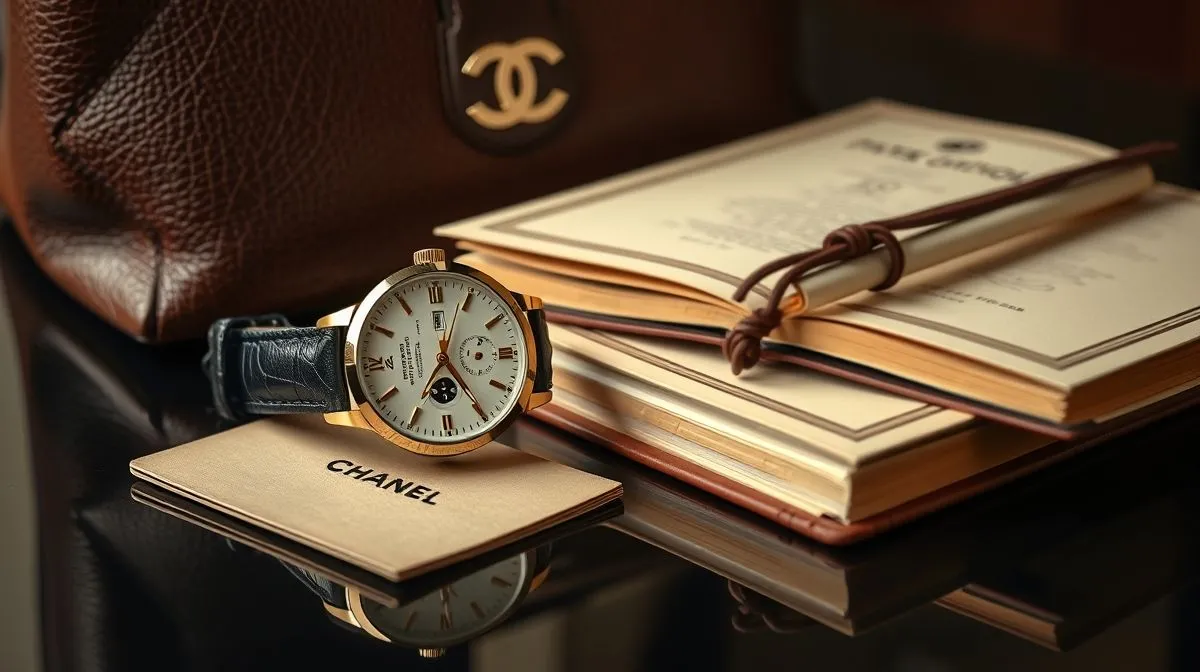
Imagine owning not just an object, but a piece of history, a testament to unparalleled craftsmanship, and a tangible asset that appreciates over time. For centuries, certain luxury items have transcended their initial purpose, evolving from symbols of status into coveted investments.
But is the allure of luxury merely about fleeting trends and conspicuous consumption, or can it genuinely serve as a savvy component of a diversified investment portfolio? This question often arises in a world where traditional assets face increasing volatility and alternative investments gain traction.
This comprehensive guide will demystify the world of luxury investment, revealing how and why specific heritage brands offer enduring value and significant returns. By the end of this reading, you will understand the criteria that make a luxury item an investment, identify the best heritage luxury brands for investment, and learn how to navigate this exclusive market with confidence and expertise.
The Allure of Heritage: Why Luxury Brands Appreciate
The concept of a luxury item appreciating in value might seem counterintuitive to some, yet it is a well-documented phenomenon. Unlike mass-produced goods, heritage luxury items possess inherent characteristics that foster scarcity and desirability, contributing directly to their investment potential.
Scarcity and Exclusivity
Many heritage luxury brands deliberately limit production, creating an artificial scarcity that fuels demand. This controlled supply ensures that certain models or editions remain rare, making them highly sought after by collectors and investors alike. The waiting lists for items like a Hermès Birkin bag or a specific Patek Philippe timepiece are legendary, underscoring their exclusivity.
Craftsmanship and Quality
At the heart of heritage luxury is an unwavering commitment to unparalleled craftsmanship. These brands employ master artisans who often use traditional techniques passed down through generations, ensuring exceptional quality and durability. This meticulous attention to detail not only justifies their high initial price point but also preserves their value over decades, as items are built to last.
Brand Legacy and Storytelling
A brand’s history, its narrative, and its cultural significance play a pivotal role in its long-term value. Brands like Chanel, Rolex, or Louis Vuitton are not just companies; they are institutions with rich legacies, iconic designs, and a powerful emotional resonance. This strong brand identity and storytelling create a loyal following and a perception of timelessness that underpins their investment appeal.
Global Demand and Market Resilience
The market for heritage luxury goods is remarkably resilient, often performing well even during economic downturns. This is partly due to a global consumer base, particularly from emerging economies, where luxury goods are seen as symbols of success and status. Furthermore, the tangible nature of these assets provides a hedge against inflation and currency fluctuations, making them attractive to high-net-worth individuals seeking stable alternative investments.
Navigating the Landscape: Categories of Investable Luxury
While the term 'luxury' covers a vast array of goods, only specific categories and within them, select brands, consistently demonstrate strong investment potential. Understanding these niches is crucial for making informed decisions.
High-End Watches
Luxury watches are arguably one of the most established and liquid segments of the luxury investment market. Brands like Rolex, Patek Philippe, and Audemars Piguet consistently lead the pack. Their value is driven by rarity, mechanical complexity, brand heritage, and often, limited editions or historical significance. Certain models, such as the Patek Philippe Nautilus or a vintage Rolex Daytona, have seen exponential growth in value, far outperforming traditional stock market indices over specific periods. According to reports from platforms like WatchCharts, the average market value of top luxury watches has shown remarkable appreciation over the last decade. Learn more about watch investment here.
Designer Handbags
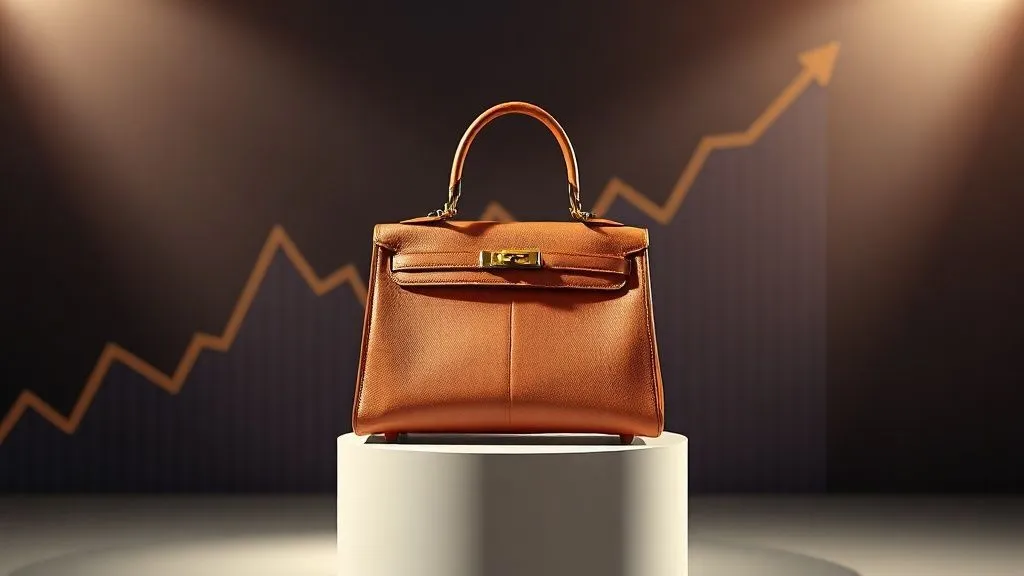
Handbags, particularly from brands like Hermès, Chanel, and Louis Vuitton, have emerged as a surprisingly robust investment class. The Hermès Birkin and Kelly bags, in particular, are renowned for their waitlists and secondary market premiums, often selling for more than their retail price. Their value is tied to extreme scarcity, meticulous craftsmanship, and iconic status. A study by Baghunter once suggested that the Birkin bag has outperformed both gold and the S&P 500 over a 35-year period, though such analyses require careful interpretation.
Fine Art and Collectibles
The art market, while requiring significant expertise and capital, offers profound investment opportunities, especially in blue-chip artists and historical pieces. Masters like Picasso, Basquiat, and Warhol continue to command record-breaking prices at auction. Beyond paintings, rare books, historical artifacts, and unique collectibles can also be highly investable. The key here is rarity, provenance, condition, and the artist's or item's cultural significance. Institutions like Sotheby's and Christie's provide extensive market insights and auction results, demonstrating the consistent demand for top-tier art and collectibles. Explore Sotheby's for market insights.
Classic Cars
For automotive enthusiasts, classic cars from marques such as Ferrari, Porsche, Aston Martin, and pre-war Mercedes-Benz models can be exceptional investments. Factors driving their value include historical racing provenance, limited production numbers, original condition, and iconic design. The market for classic cars is global and passionate, with certain models seeing consistent appreciation, though maintenance and storage costs must be factored in.
Fine Wine and Spirits
Investment-grade wines, predominantly from Bordeaux, Burgundy, and specific Californian vineyards, along with rare whiskies and cognacs, have become a sophisticated asset class. Their value appreciates as they age (up to a point) and become scarcer, especially if from highly rated vintages or distilleries. Storage conditions are paramount to preserving their quality and, thus, their value. The Liv-ex Fine Wine 1000 index provides a reliable benchmark for this market.
Due Diligence: What to Look for in a Luxury Investment
Investing in luxury is not merely about purchasing expensive items; it requires a strategic approach and thorough due diligence. Without it, even the most prestigious brands can lead to poor returns.
Authenticity and Provenance
The single most critical factor is authenticity. The market for counterfeit luxury goods is vast and sophisticated, making verification essential. Always purchase from reputable dealers, auction houses, or directly from the brand. Provenance – the documented history of ownership – is equally vital, especially for high-value items like art, watches, or classic cars. A clear, unbroken chain of ownership significantly enhances an item's value and trustworthiness.
Condition and Rarity
For most luxury items, condition is paramount. A watch with its original parts and minimal wear will command a higher price than one that has been heavily restored. Similarly, an art piece in pristine condition or a classic car with matching numbers is far more valuable. Rarity, whether due to limited production, historical significance, or the sheer passage of time, also drives up value. Unique pieces or those from a very small production run often see the most significant appreciation.
Market Trends and Liquidity
While heritage luxury brands generally offer stability, specific models or categories can experience fluctuations. Research current market trends, understanding what is currently in demand and why. Consider the liquidity of the asset; how easily can it be sold if needed? High-demand items from top brands are typically more liquid than obscure collectibles.
Expert Valuations
Always seek independent expert valuations before making a significant purchase. Reputable appraisers, gemologists, art consultants, or watch experts can provide invaluable insights into an item's true market value, condition, and authenticity. Their objective assessment can prevent overpaying and ensure you are making a sound investment.
The Investment Horizon: Short-term vs. Long-term Gains
Unlike day trading, investing in heritage luxury is typically a long-term strategy. While occasional short-term gains can occur, the true appreciation of these assets often materializes over years, sometimes even decades.
Understanding Market Volatility
Even the luxury market is not immune to volatility. Economic downturns, shifts in consumer tastes, or even changes in brand management can temporarily impact values. However, historical data suggests that top-tier heritage brands tend to recover and continue their upward trajectory due to their inherent qualities and global appeal.
The Power of Patience
Patience is a virtue in luxury investment. The most significant gains are often realized when items become rarer due to age, when a brand achieves new iconic status, or when a particular historical period gains renewed interest. Holding onto a well-chosen piece for five, ten, or even twenty years can transform a significant purchase into a truly remarkable asset.
Mitigating Risks: Common Pitfalls to Avoid
While the potential for reward is high, the luxury investment market also presents unique risks. Awareness and proactive measures are essential to protect your investment.
Counterfeits and Fraud
As mentioned, the risk of encountering counterfeits is substantial. Always buy from trusted sources and, if possible, obtain independent authentication. Fraudulent sales, misrepresentation of condition, or false provenance are also dangers. Due diligence and expert consultation are your best defense.
Storage and Maintenance Costs
Unlike a stock certificate, physical luxury assets require proper care. Watches need servicing, art needs climate-controlled storage, classic cars require maintenance, and wine needs specific temperature and humidity. These ongoing costs can erode returns if not factored into your investment calculations. Neglecting maintenance can also severely devalue an item.
Overpaying and Emotional Buying
The allure of luxury can sometimes lead to emotional, rather than rational, purchasing decisions. Overpaying for an item, even a highly desirable one, significantly reduces your potential for profit. Stick to your research, set a budget, and be prepared to walk away if the price exceeds your valuation.
Lack of Market Knowledge
Entering the luxury investment market without adequate knowledge is akin to gambling. Understand the specific nuances of each category, the factors that drive value, and the current market conditions. Continuous learning and staying informed about market trends are crucial for success.
Building Your Portfolio: Strategic Approaches
For those looking to build a robust portfolio of luxury assets, a strategic approach is key. It’s not about random acquisitions but about curated selections.
Diversification within Luxury
Just as you would diversify a traditional stock portfolio, consider diversifying your luxury investments across different categories. Instead of putting all your capital into watches, consider a mix of watches, handbags, and perhaps a piece of art. This strategy helps mitigate risks associated with fluctuations in any single market segment.
Leveraging Expert Advice
Unless you are an established expert in a specific luxury niche, seeking advice from experienced dealers, appraisers, and consultants is invaluable. They can provide access to exclusive pieces, offer insights into market dynamics, and help you avoid costly mistakes. Building relationships with reputable professionals can be a significant asset in itself.
The Role of Auctions and Private Sales
Auction houses like Christie's and Sotheby's are major players in the high-end luxury market, offering transparency and a competitive bidding environment. Private sales, facilitated by brokers or directly between collectors, can sometimes offer more favorable terms or access to ultra-rare pieces not publicly available. Understanding both avenues can enhance your acquisition strategy.
Notable Case Studies: Success Stories in Heritage Luxury Investment
The history of luxury investment is replete with examples of remarkable appreciation. Consider the Patek Philippe Grandmaster Chime Ref. 6300A-010, which sold for a record-breaking $31 million at auction, or the consistent performance of vintage Rolex Daytona Paul Newman models. In the art world, works by blue-chip artists routinely exceed pre-sale estimates, demonstrating enduring demand.
The Hermès Himalayan Birkin, crafted from Nile crocodile hide and featuring white gold and diamond hardware, has consistently broken auction records, highlighting the extreme value placed on rarity and craftsmanship. These examples underscore that with careful selection and patience, luxury items can indeed be among the most rewarding alternative investments.
Frequently Asked Questions (FAQ)
Are all luxury brands good investments? No, only a select few heritage brands with strong legacies, limited production, and exceptional craftsmanship consistently hold and appreciate in value. Fast fashion luxury or brands lacking deep history rarely perform as investments.
How do I verify the authenticity of a luxury item? Always purchase from reputable sources like authorized dealers, established auction houses, or well-known vintage boutiques. For high-value items, seek independent authentication from certified experts or the brand itself, if possible.
What are the best entry-level luxury investments? While 'entry-level' in luxury is relative, some vintage designer accessories (e.g., specific Louis Vuitton bags, classic Cartier jewelry pieces), or certain limited-edition sneakers from iconic brands can be more accessible starting points for investment. However, research is key.
How does the luxury market compare to traditional investments like stocks or real estate? Luxury investments are often less liquid and lack the regulated transparency of traditional markets. However, they can offer diversification, act as a hedge against inflation, and provide aesthetic pleasure. Their performance can be less correlated with economic cycles compared to other assets, making them attractive for wealth preservation.
What are the ongoing costs of owning luxury investments? Costs can include insurance, professional cleaning or servicing (for watches, cars), climate-controlled storage (for art, wine), and potential security measures. These should be factored into your overall investment calculations.
Recommended Reading
- Victorian Dress Patterns: Your Ultimate Guide to Sewing History
- Unleash Your True Self: How to Develop a Unique Personal Street Style
- The Secret: How Phase Change Materials Regulate Clothing Temp?
- Eco-Friendly Athletic Wear: Sustainable Synthetics Unveiled!
- Unlock Style & Comfort: Adapting Fashion Footwear for Comfortable Orthotic Use
Conclusion
The journey into understanding the best heritage luxury brands for investment reveals a fascinating intersection of art, history, craftsmanship, and financial acumen. While not without its risks, a well-informed approach to this unique asset class can offer not only significant financial returns but also the profound satisfaction of owning items of timeless beauty and cultural significance. By focusing on authenticity, rarity, brand legacy, and expert guidance, you can transform a passion for luxury into a strategic component of your long-term wealth creation. Embrace the journey with knowledge and discernment, and unlock the enduring value that these exceptional pieces truly hold.

Your email address will not be published. Required fields are marked *