

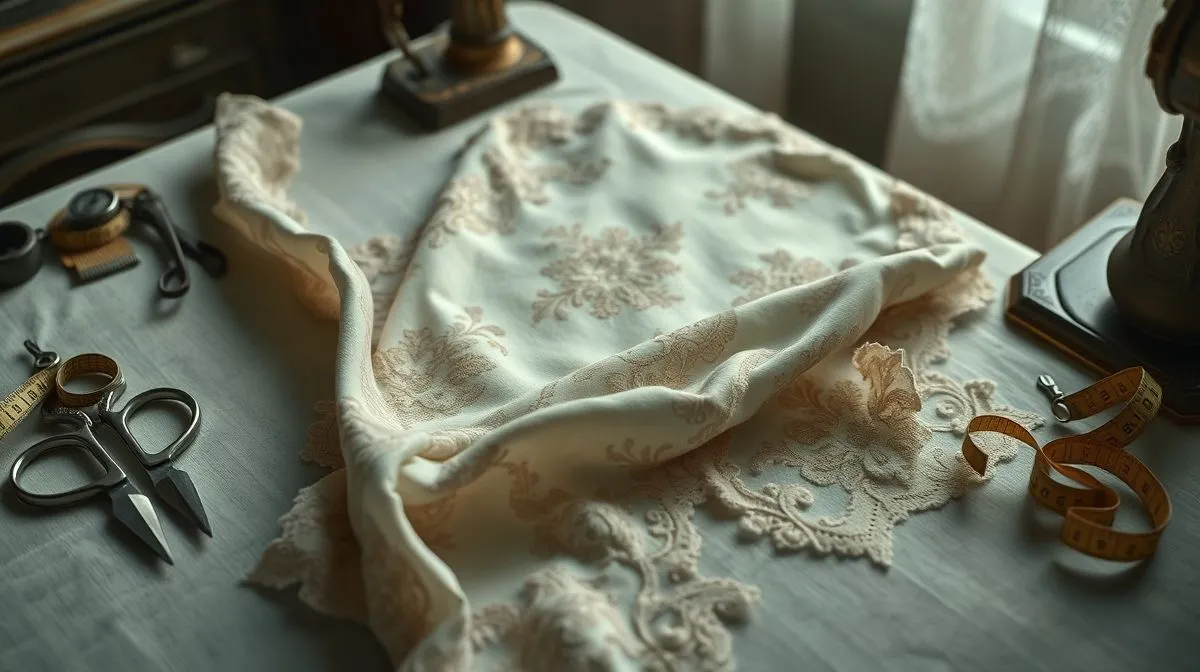
How to Make Victorian Dress Patterns: A Comprehensive Guide
Ever dreamt of stepping back in time, draped in the elegance of a Victorian gown? The swirling skirts, the delicate lace, the meticulously fitted bodices – Victorian fashion holds a timeless allure. But recreating these historical masterpieces might seem daunting. Where do you even begin?
Many aspiring historical costumers and sewing enthusiasts face the challenge of finding accurate and well-drafted Victorian dress patterns. Existing patterns can be expensive, poorly sized, or lack the authentic details that truly capture the era. This often leads to frustration and abandoned projects.
This guide provides a comprehensive roadmap to creating your own Victorian dress patterns, from understanding the key elements of Victorian fashion to mastering the drafting and sewing techniques. You'll learn how to research historical designs, take accurate measurements, draft basic pattern blocks, and adapt them to create stunning Victorian gowns. Get ready to embark on a journey into the world of historical dressmaking!
Understanding Victorian Fashion
Key Characteristics of the Era
Victorian fashion, spanning from the 1830s to the early 1900s, evolved dramatically. Early Victorian dresses featured sloping shoulders, small waists accentuated by corsets, and full, bell-shaped skirts. As the era progressed, skirts became more elaborate, supported by crinolines and bustles. The late Victorian period saw the rise of the 'S-bend' corset and more streamlined silhouettes.
- Early Victorian (1830s-1850s): Romantic and feminine, with emphasis on a small waist and full skirts.
- Mid-Victorian (1850s-1870s): The crinoline era, characterized by extremely wide skirts.
- Late Victorian (1870s-1901): Bustles dominated, creating a silhouette with fullness at the back.
Researching Historical Designs
Before you even think about drafting a pattern, immerse yourself in Victorian fashion. Look at paintings, photographs, and extant garments from the period. Study the details – the shape of the sleeves, the placement of the trim, the construction of the bodice. Websites like the Victoria and Albert Museum (V&A Museum) offer extensive online collections.
Consider the social context. A wealthy woman's gown would differ significantly from a working-class woman's dress. Choose a style that reflects your personal taste and the occasion for which you intend to wear the garment.
Gathering Your Supplies and Tools
Essential Tools for Pattern Drafting
Drafting patterns requires a few essential tools:
- Measuring Tape: A flexible measuring tape is crucial for accurate body measurements.
- Ruler and Set Square: For drawing straight lines and right angles.
- French Curve: Helps create smooth, curved lines.
- Pencil and Eraser: For sketching and correcting lines.
- Pattern Paper: Use lightweight paper specifically designed for pattern drafting.
Fabric Selection
The choice of fabric will significantly impact the final look of your Victorian dress. Consider the weight, drape, and texture of the fabric. Common choices include:
- Cotton: A versatile and affordable option, suitable for undergarments and everyday dresses.
- Linen: A durable and breathable fabric, often used for historical reproductions.
- Silk: A luxurious choice for elegant gowns.
- Wool: Appropriate for heavier garments, such as cloaks and winter dresses.
Drafting Basic Victorian Pattern Blocks
Taking Accurate Body Measurements
Accurate measurements are the foundation of a well-fitting garment. Wear the undergarments you plan to wear with the finished dress (e.g., corset, chemise) when taking measurements. Measure around the fullest part of your bust, waist, and hips. Also, measure your shoulder width, back width, and bodice length.
It's best to have someone assist you with taking measurements to ensure accuracy. Record all measurements carefully.
Creating a Bodice Block
The bodice block is the foundation for many Victorian dress patterns. Start by drafting a basic bodice block based on your measurements. There are numerous resources available online and in books that provide detailed instructions on drafting bodice blocks. Consider using a resource like the one from the Metropolitan Museum of Art (The Met) to understand historical garment construction.
Key elements of a Victorian bodice block include:
- Shoulder Slope: The angle of the shoulder line.
- Armhole Shape: The shape of the armhole, which can vary depending on the style.
- Dart Placement: Darts are used to shape the bodice and create a close fit.
Drafting a Skirt Block
The skirt block is another essential component. Victorian skirts varied in shape and fullness, so you'll need to choose a skirt style that matches your desired look. A basic A-line skirt block can be adapted to create various Victorian skirt shapes.
Consider the following when drafting a skirt block:
- Waistline: The circumference of your waist.
- Skirt Length: The desired length of the skirt.
- Fullness: The amount of flare in the skirt.
Adapting Pattern Blocks for Victorian Styles
Creating a Corset Pattern
A corset is an integral part of Victorian fashion, shaping the torso and providing support for the dress. You can draft a corset pattern from scratch or adapt an existing pattern. Consider the desired silhouette – a straight-front corset, an hourglass corset, or an S-bend corset.
When drafting a corset pattern, pay close attention to:
- Bone Placement: Bones provide structure and support.
- Panel Shape: The shape of the individual panels that make up the corset.
- Lacing Gap: The gap at the back of the corset for lacing.
Adding Bustles and Crinolines
Bustles and crinolines were used to create the distinctive silhouettes of the mid and late Victorian periods. Bustles added fullness at the back, while crinolines supported the skirt and created a wide, bell-shaped silhouette.
You can purchase pre-made bustles and crinolines or draft your own. Consider the size and shape of the bustle or crinoline in relation to your dress pattern.
Sleeve Variations
Victorian sleeves came in a variety of styles, including:
- Pagoda Sleeves: Wide, bell-shaped sleeves that narrowed at the wrist.
- Bishop Sleeves: Full sleeves gathered at the wrist.
- Leg-of-Mutton Sleeves: Large, puffed sleeves that narrowed sharply at the elbow.
Adapt your basic sleeve block to create these various styles. Experiment with different shapes and sizes to achieve the desired look.
Sewing Techniques for Victorian Garments
Working with Corsets
Sewing a corset requires patience and precision. Use strong fabrics and durable thread. Reinforce seams with boning and topstitching. Pay close attention to the lacing. According to research from the Costume Society of America, proper corset construction is vital for both historical accuracy and garment longevity.
Key techniques for corset sewing include:
- Boning Channels: Creating channels for the bones.
- Grommet Setting: Setting grommets for the lacing.
- Topstitching: Reinforcing seams and adding decorative details.
Adding Trim and Embellishments
Victorian dresses were often adorned with elaborate trim and embellishments, such as lace, ribbons, beads, and embroidery. Choose trims that are appropriate for the style and era of your dress.
Consider the following when adding trim:
- Placement: Where to position the trim for maximum visual impact.
- Color Coordination: Choosing colors that complement the fabric.
- Attachment Method: How to securely attach the trim to the fabric.
Hand-Sewing Details
Many Victorian garments featured hand-sewn details, such as hand-rolled hems, hand-stitched seams, and hand-applied trim. While machine sewing can be used for many parts of the garment, hand-sewing can add a touch of authenticity and refinement.
Frequently Asked Questions (FAQ)
Where can I find free Victorian dress patterns? Several websites offer free Victorian dress patterns, but be sure to check the accuracy and sizing before using them. Search for historical sewing blogs and online pattern archives.
What is the best fabric for a Victorian dress? The best fabric depends on the style of dress and your budget. Cotton, linen, silk, and wool are all appropriate choices.
How do I size a Victorian dress pattern? Compare your body measurements to the pattern measurements. Choose the size that is closest to your measurements. It's often necessary to make adjustments to the pattern for a perfect fit.
What kind of corset should I wear with a Victorian dress? The type of corset depends on the era and style of dress. Research historical corsets to determine the appropriate shape and style.
How can I make my Victorian dress look more authentic? Pay attention to the details, such as the fabric, trim, and sewing techniques. Research historical garments and use accurate patterns.
Recommended Reading
- Draping Dreams: Best Fabric for Textile Art Costumes REVEALED!
- Best Leggings for Sweaty Workouts: Ultimate Comfort & Performance
- Bespoke Jewelry Design: Your Ultimate Guide to Getting Started
- Effortless Style: Comfortable Everyday Outfits for Busy Moms
- Find Your Perfect Hat: The Ultimate Guide to Choosing the Right Style for Your Face Shape
Conclusion
Learning how to make Victorian dress patterns opens a gateway to creating beautiful and historically accurate garments. By understanding the key elements of Victorian fashion, mastering the drafting techniques, and paying attention to the details, you can create stunning dresses that capture the elegance and romance of the era. Don't be afraid to experiment and put your own creative spin on these timeless designs. The journey of creating authentic Victorian dress patterns is a rewarding one, allowing you to connect with history and express your unique style.

Your email address will not be published. Required fields are marked *