

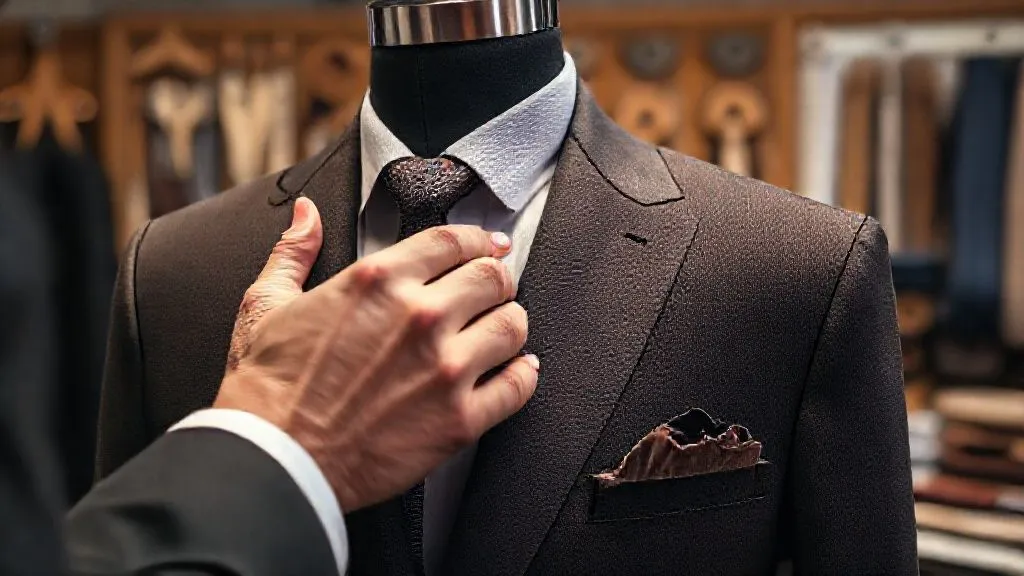
How to refit a suit after significant weight changes?
For over two decades in the nuanced world of menswear, I've witnessed countless gentlemen grapple with a truly universal challenge: the perfectly tailored suit that suddenly, frustratingly, no longer fits. Whether it's the result of a dedicated fitness journey, life's natural shifts, or a period of indulgence, significant weight changes can render even the most expensive suit unwearable. This isn't just about fabric and stitching; it’s about confidence, presentation, and the investment you've made in your personal brand.
The pain point is palpable. Imagine reaching for that power suit for a crucial meeting, only to find the jacket pulling across the shoulders or the trousers gaping at the waist. It's disheartening. An ill-fitting suit doesn't just look bad; it feels bad, undermining your posture and presence. Many assume their only option is to discard their cherished garments and start anew, a costly and often unnecessary conclusion.
But what if I told you that your sartorial salvation isn't just possible, but often highly achievable? In this definitive guide, I'll walk you through the precise frameworks, expert insights, and actionable steps to navigate the complex yet rewarding process of refitting a suit after significant weight changes. We'll explore the art of the possible, the science behind quality alterations, and how to forge an indispensable partnership with a skilled tailor to restore your suit – and your confidence – to its former glory. Prepare to transform your wardrobe, not replace it.
Understanding the Limits: What Can and Can't Be Altered?
Before we dive into the 'how,' it's crucial to understand the 'what.' Suit tailoring is a craft with specific boundaries, dictated by the garment's original construction and the fabric's inherent properties. My experience has taught me that while a skilled tailor can work wonders, they are not magicians capable of defying the laws of textile engineering.
The 'Two-Size' Rule of Thumb
A general rule I often share with clients is the 'two-size' rule. This suggests that a suit can typically be successfully altered up or down by approximately two standard sizing increments. For instance, if you've gone from a 42R to a 40R, or even a 38R, the chances of a successful refit are quite high. However, attempting to take a 44R down to a 38R often pushes the boundaries of what's aesthetically and structurally feasible. The same applies to letting out; there's only so much hidden fabric in the seams.
Fabric Composition and Construction: The Unsung Heroes (or Villains)
The type of fabric plays a significant role. Natural fibers like wool, cashmere, and linen tend to be more forgiving and amenable to alterations than synthetic blends. High-quality wool, for example, has a natural drape and memory that allows it to be re-pressed and reshaped more effectively. Furthermore, the construction of the suit – whether it's fused, half-canvassed, or full-canvassed – impacts the ease and quality of alterations, particularly around the chest and shoulders. Full-canvassed suits, while more expensive, offer the most flexibility for adjustments due to their floating canvas.
"A good tailor performs magic, but not miracles. The garment's original construction and material are the fundamental blueprints for what's possible, and sometimes, even the most skilled hands cannot overcome these inherent limitations."
Here's a breakdown of common alterations and their feasibility:
- Waistband (Trousers): Highly alterable, typically 2-4 inches in or out.
- Trouser Seat and Thighs: Moderately alterable, depending on seam allowance.
- Jacket Waist (Sides and Center Back Seam): Highly alterable, often 2-3 inches in or out.
- Sleeve Length: Highly alterable from the cuff, sometimes from the shoulder.
- Jacket Length: Moderately alterable, but can affect pocket and button placement.
- Shoulders: Extremely difficult and expensive to alter; often not recommended.
- Collar and Lapel: Very challenging, often considered impractical for significant changes.
Assessing Your Suit's Current Fit: A Critical Eye
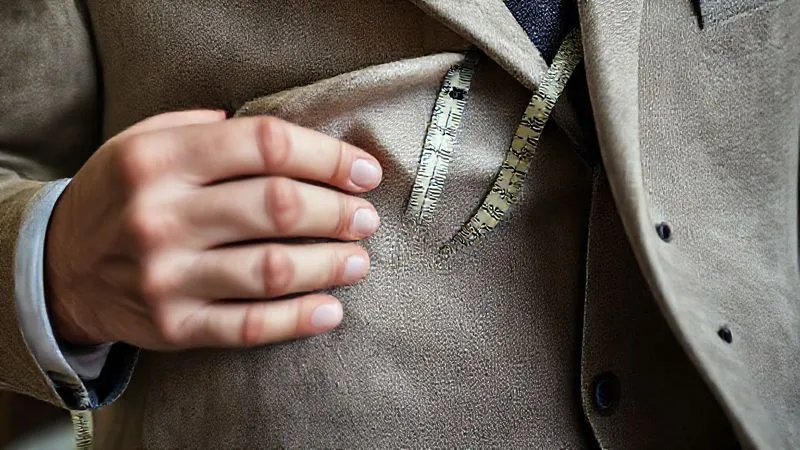
Before you even step foot in a tailor's shop, a thorough self-assessment of your suit's current fit is paramount. This initial evaluation will not only help you articulate your needs to the tailor but also give you a realistic expectation of what can be achieved. Stand in front of a full-length mirror, ideally with someone else to offer an objective perspective.
Jacket Fit Checklist
The jacket is the cornerstone of your suit, and its fit profoundly impacts your overall appearance. Pay close attention to these areas:
- Shoulders: The shoulder seam should end precisely where your shoulder ends. If it extends beyond, the jacket is too big. If it's pulling inwards, it's too small. This is the least alterable part.
- Chest: With the top button fastened (for a two-button) or middle button (for a three-button), the jacket should lie smoothly across your chest without pulling or gaping. You should be able to comfortably slide your hand between your chest and the jacket.
- Waist: The jacket should gently taper at your natural waist, creating a clean silhouette. Excessive fabric here means it's too big; pulling or straining means it's too tight.
- Sleeve Length: The sleeves should end just above your wrist bone, allowing about a quarter to half an inch of your shirt cuff to show.
- Jacket Length: For a classic fit, the jacket should cover your seat. A more modern cut might be slightly shorter.
Trouser Fit Checklist
Trousers, while seemingly simpler, require equal scrutiny to ensure comfort and a polished look.
- Waist: The waistband should sit comfortably at your natural waist without needing a belt to stay up, nor should it dig in.
- Seat: The fabric across your derriere should be smooth, without excessive bagging or pulling lines.
- Thighs: The trousers should drape cleanly down your leg, not clinging or creating horizontal stress lines.
- Break: This refers to the fold created where the bottom of the trouser leg meets your shoe. A 'no break' means no fold, 'slight break' is a subtle ripple, and 'full break' is a more traditional fold. Choose what suits your style, but ensure it's consistent.
To help you organize your assessment, consider this table:
| Area | Ideal Fit | Your Suit's Fit |
|---|---|---|
| Jacket Shoulders | Seam meets shoulder bone | |
| Jacket Chest | Smooth, one fist space | |
| Jacket Waist | Gentle taper, no pulling/gaping | |
| Trouser Waist | Comfortable, no belt needed | |
| Trouser Seat | Smooth, no excess fabric | |
| Trouser Thighs | Drapes cleanly, no clinging |
Fill in the 'Your Suit's Fit' column with your observations. This structured approach will be invaluable during your consultation.
The Art of the Take-In: When You've Shed Kilos
When weight loss leaves your suit feeling baggy and shapeless, the process of 'taking in' is usually the most straightforward and successful alteration. This involves reducing excess fabric along the seams to bring the garment closer to your new physique.
Jacket Waist Suppression and Seam Adjustments
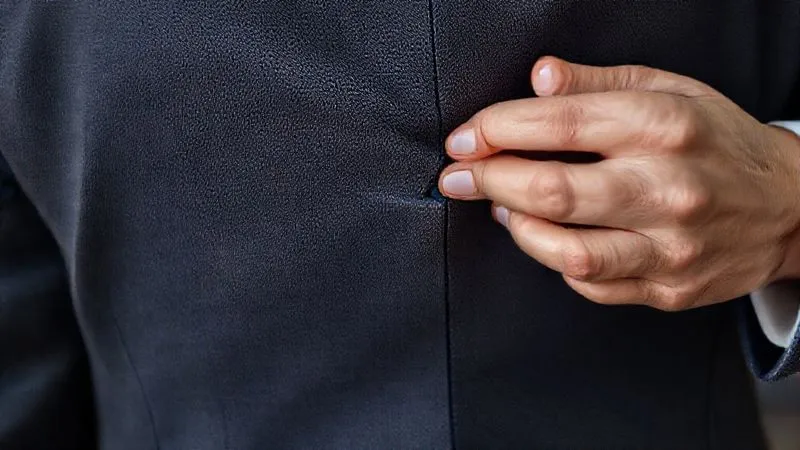
The most common area for taking in a jacket is the waist. Tailors will typically work on the side seams and, if present, the center back seam. By carefully unpicking these seams, adjusting the fabric, and re-stitching, they can create a more defined waist suppression. This not only makes the jacket fit snugly but also enhances your silhouette, giving you that coveted V-shape. It's an alteration that can dramatically improve the look of a suit, making it appear custom-made even after significant body changes.
Trousers: Waist, Seat, and Thigh Adjustments
For trousers, weight loss often manifests as a loose waistband and baggy seat/thighs. The waistband can be taken in by adjusting the center back seam, often by several inches. The seat (the area across your buttocks) and thighs can also be slimmed down by taking in the inseam and outseam. A skilled tailor will ensure these adjustments are proportionate, maintaining the original line and balance of the trousers. It's important that the pockets don't gape or pull after these changes, a sign of a well-executed alteration.
Case Study: How Mark's Weight Loss Transformed His Wardrobe
Mark, a long-time client, had recently achieved a significant personal goal, losing 30 pounds over six months. His favorite navy suit, once a perfect fit, now hung loosely, making him feel less confident despite his achievement. The jacket was baggy around the waist, and the trousers sagged. Instead of buying new, I advised him to bring in the suit. We took in 2.5 inches from the jacket's waist, adjusting both side seams symmetrically. For the trousers, we reduced the waistband by 3 inches and subtly slimmed the seat and thighs. The transformation was remarkable. Mark's suit looked brand new, perfectly accentuating his leaner frame, and he walked out with renewed confidence, ready to tackle new professional challenges. This saved him the cost of a new suit and preserved a garment with sentimental value.
For further insights into the precision involved in these adjustments, you might find this article on the intricacies of suit tailoring insightful: The GQ Guide to Suit Alterations.
Expanding Horizons: When You've Gained Muscle or Mass
Gaining weight, whether it's muscle mass from dedicated gym work or a natural increase, presents a different set of challenges for suit refitting. The key difference here is often the availability of fabric. While taking in involves removing excess, letting out requires finding hidden fabric within the existing seams.
Releasing Seams: The Hidden Fabric
Most quality suits are constructed with a certain amount of 'seam allowance' – extra fabric tucked into the seams. This allowance is precisely what a tailor can utilize to let out a garment. For trousers, the waistband, seat, and thighs often have enough seam allowance to be let out by 1-2 inches. Similarly, a jacket's side and back seams might offer up to an inch or two of extra fabric. This process involves carefully unpicking the original stitching, pressing the fabric flat to remove the 'memory' of the old seam, and then re-stitching with a new, wider seam line.
Limitations of Letting Out: Fabric Memory and Seam Lines
However, letting out is not without its limitations. If the original seams were very tight or the fabric has been worn for a long time, the 'memory' of the old seam can be difficult to erase entirely, sometimes leaving faint lines or marks. This is especially true for lighter-colored fabrics. Moreover, if the seam allowance is minimal, or if the suit was originally tailored to its absolute minimum, there simply won't be enough fabric to achieve the desired expansion. This is where a tailor's expertise is crucial, as they can assess the fabric's condition and the available allowance to advise on feasibility.
"Letting out a suit is often more challenging and has greater limitations than taking it in. It's a delicate dance with the fabric's memory and the finite reserves tucked away in the seams. Always manage expectations and trust your tailor's honest assessment."
Working with Your Tailor: The Partnership for Perfection
Your relationship with a skilled tailor is the single most critical factor in the success of refitting your suit. Think of them not just as a service provider, but as a trusted consultant and artisan who understands the nuances of menswear and your unique physique.
Finding the Right Expert
Not all tailors are created equal. Look for someone with a strong reputation, extensive experience in suit alterations, and a keen eye for detail. Ask for recommendations, check online reviews, and don't hesitate to ask about their experience with significant alterations. A good tailor will:
- Listen attentively to your concerns and goals.
- Provide an honest assessment of what's possible and what's not.
- Pin the suit on you, explaining each adjustment as they go.
- Offer advice on styling and maintenance.
- Have a clean, organized workshop.
Communication is Key: What to Tell Your Tailor
Clear communication is non-negotiable. When you visit your tailor, be prepared to articulate exactly what you want and how you want the suit to feel. Bring the shirt and shoes you typically wear with the suit, as these affect the fit. Explain your weight changes – whether it was loss or gain, and roughly how much. This context helps the tailor understand the underlying issues and anticipate potential challenges. Don't be afraid to ask questions about the process, the timeline, and the cost. A good tailor appreciates an informed client.
- Wear the Right Undergarments: Always wear the shirt and shoes you intend to wear with the suit.
- Articulate Your Goals: Clearly state if you want the suit taken in, let out, or a specific area addressed.
- Explain Your Weight Journey: Provide context on your weight changes (loss/gain, approximate amount).
- Move Naturally: Don't stand stiffly. Move your arms, sit down if possible, to show how the suit feels during natural motion.
- Ask Questions: Inquire about the feasibility, process, and expected outcome of each alteration.
According to a study published by the International Journal of Fashion Design, Technology and Education, consumer satisfaction with tailored garments is directly correlated with the quality of initial communication and the tailor's ability to interpret and execute the client's vision. This underlines the importance of a collaborative approach. For more on selecting a reputable tailor, consider resources like Forbes' guide to finding a good tailor.
Beyond Basic Alterations: Advanced Techniques and Considerations
While taking in the waist or shortening sleeves are common alterations, some weight changes might necessitate more complex, and thus more expensive, interventions. These are often considered only for high-value suits where the investment is justified.
Sleeve Recutting and Armhole Adjustments
If your weight change has significantly altered your arm circumference or shoulder posture, simply shortening the sleeve might not be enough. Sometimes, the entire sleeve needs to be recut and reattached, or the armhole itself needs adjustment. This is a highly skilled operation, as it affects the jacket's balance and comfort. A poorly executed armhole alteration can lead to restricted movement or an unsightly bunching of fabric.
Collar and Lapel Reworking
One of the most challenging and rarely recommended alterations involves the collar and lapels. If a significant weight gain has caused the collar to stand away from the neck or the lapels to gape awkwardly, it can be extremely difficult to correct without compromising the suit's original design integrity. The fused or canvassed structure of the lapels makes them resistant to major reshaping. In such cases, a new suit might genuinely be the more sensible option.
Here's a table illustrating the complexity and typical cost implications of various alterations:
| Alteration Type | Complexity | Typical Cost Range |
|---|---|---|
| Trouser Waist/Seat | Low-Medium | $20-$60 |
| Jacket Waist/Sides | Medium | $40-$90 |
| Sleeve Length (from cuff) | Low | $25-$50 |
| Sleeve Recut (from shoulder) | High | $100-$200+ |
| Trouser Thighs (Slimming) | Medium | $30-$70 |
| Shoulder Adjustment | Very High | $150-$300+ |
These figures are estimates and can vary widely based on location, tailor's expertise, and fabric type. Understanding this can help you budget and make informed decisions. For a deeper dive into textile engineering and its impact on garment alteration, you might consult academic resources like those found on ScienceDirect's Textile Engineering section.
Cost vs. New Suit: Making the Economic Decision
The question of whether to alter an existing suit or invest in a new one is a common dilemma. It's a balance between cost, sentimentality, and the quality of the original garment.
When Alterations are Economical
Alterations are almost always more economical than purchasing a new, quality suit, especially if your suit is:
- High Quality: Made from good wool, with a half or full canvas construction.
- Relatively New: Still in excellent condition, with no significant wear or damage.
- Within Alteration Limits: Requiring changes that fall within the 'two-size' rule.
- A 'Core' Wardrobe Piece: A versatile navy, charcoal, or grey suit that you rely on frequently.
Consider the emotional value too. A suit worn for a significant life event might be worth altering simply for its sentimental worth, regardless of the cost savings.
The Tipping Point: When to Invest in New
There are instances when buying a new suit makes more sense. This tipping point is usually reached when:
- Extensive Alterations are Needed: If the tailor quotes a price that approaches 50-70% of a new, mid-range suit.
- Major Structural Changes: If the shoulders, armholes, or collar/lapels require significant reworking.
- Poor Original Quality: An inexpensive, fused suit might not hold alterations well or justify the cost.
- Outdated Style: If the suit's cut, lapel width, or overall silhouette is significantly out of fashion.
- Beyond Repair: If the fabric is damaged, stained, or simply too worn.
"A well-fitting suit, even if expertly altered, will always outperform a brand new, ill-fitting one. The true value lies not in its label or newness, but in how flawlessly it drapes on your unique physique. Invest in fit, always."
Ultimately, the decision rests on a blend of practical economics, the suit's potential, and your personal attachment. Don't be swayed by the initial cost of alteration; consider the long-term value of a perfectly fitting garment. This approach aligns with the principles of sustainable fashion and wise investment, an area often discussed in publications like Harvard Business Review on Sustainable Business.

Maintaining Your Refitted Suit: Longevity Tips
Once your suit has been expertly refitted, the journey doesn't end there. Proper care and maintenance are crucial to ensure its longevity and to preserve that perfect fit. Think of it as protecting your investment.
Proper Storage and Care
How you store your suit significantly impacts its shape and fabric integrity. Always hang your suit on a sturdy wooden hanger with wide, contoured shoulders. These hangers support the jacket's natural shape, preventing creases and shoulder distortion. Avoid wire hangers at all costs. Allow your suit to 'rest' for at least 24 hours between wears to let the fabric recover. Brush your suit regularly with a soft garment brush to remove dust and surface dirt, which can embed itself in the fibers over time. Dry cleaning should be done sparingly, only when truly necessary, as the chemicals can be harsh on natural fibers. Spot clean minor spills immediately.
Regular Inspections
Periodically inspect your suit for any signs of wear or changes in fit. Are the seams starting to pull? Is a button loose? Addressing minor issues promptly can prevent them from becoming major, costly repairs. If you notice your body shape changing again, don't wait until the suit is unwearable; early intervention often means simpler, less expensive alterations.
Here are some essential tips for maintaining your refitted suit:
- Use Quality Hangers: Invest in cedar or contoured wooden hangers for jackets and clamp hangers for trousers.
- Rotate Your Wardrobe: Don't wear the same suit consecutive days; let it rest.
- Brush Regularly: A soft-bristle garment brush removes dust and lint, preserving fabric.
- Spot Clean: Address spills immediately with a damp cloth; avoid rubbing aggressively.
- Limit Dry Cleaning: Only dry clean when visibly dirty or stained.
- Travel Smart: Use a garment bag for travel and unpack immediately upon arrival.
Frequently Asked Questions (FAQ)
Q: How much can a suit jacket really be taken in or let out? A: Generally, a suit jacket can be taken in by up to 2-3 inches around the waist and side seams. Letting out is more restrictive, usually only 1-1.5 inches, depending on the available seam allowance and the fabric's memory. Shoulders are extremely difficult to alter, and significant changes there are rarely recommended.
Q: Is it worth altering an old, cheap suit after weight changes? A: In most cases, no. Cheaper suits often have minimal seam allowance, lower quality fabrics that don't hold alterations well, and fused construction that can be damaged during the alteration process. The cost of alterations might quickly exceed the value of the suit, making a new purchase a more sensible investment.
Q: What's the most challenging part of a suit to alter after significant weight gain? A: The shoulders and chest are by far the most challenging areas to alter for weight gain. These areas are structurally complex, and expanding them often requires dismantling and recutting major parts of the jacket, which is extremely labor-intensive, costly, and can compromise the suit's integrity.
Q: Should I wait until my weight stabilizes before getting my suit refitted? A: Absolutely. If you are in the midst of a significant weight loss or gain journey, it's advisable to wait until your weight has stabilized for at least a few months. Altering a suit while your body is still changing means you might need further alterations very soon, incurring additional costs and potentially pushing the garment beyond its alteration limits.
Q: Can the shoulders of a suit jacket be altered? A: While technically possible, altering the shoulders of a suit jacket is one of the most complex, expensive, and risky alterations. It often involves deconstructing a significant portion of the jacket, including the sleeves and collar, to adjust the shoulder pads and seam lines. It's generally only considered for very high-value or bespoke suits where the fit is slightly off, not for major size changes, and even then, only by the most experienced tailors.
Key Takeaways and Final Thoughts
Navigating the world of suit refitting after significant weight changes can seem daunting, but with the right knowledge and a trusted tailor, it's a highly achievable and rewarding endeavor. Remember, your investment in a quality suit is not just in the fabric, but in the confidence and presence it bestows upon you.
- Assess Realistically: Understand the limits of alterations based on the 'two-size' rule and suit construction.
- Self-Evaluate Thoroughly: Use checklists for jacket and trouser fit to pinpoint problem areas.
- Communicate Clearly: Build a strong partnership with your tailor by articulating your needs and context.
- Prioritize Fit: A perfectly refitted suit always outshines a new, ill-fitting one.
- Maintain Diligently: Proper care extends the life and preserves the fit of your altered suit.
Don't let a change in physique diminish your sartorial standards. Embrace the opportunity to refine your wardrobe and reaffirm your personal style. With these expert insights, you're now equipped to approach suit alterations not as a chore, but as an art form that brings new life to your cherished garments. Reclaim your confidence, step out in style, and let your perfectly fitted suit speak volumes about your attention to detail and enduring class on how to refit a suit after significant weight changes.
Recommended Reading
- 7 Steps: Design Garments for Disassembly & Material Recovery
- 7 Expert Steps: Crafting Cute, Highly Durable Kids' Outfits
- 7 Proven Strategies to Boost Handmade Hair Accessory Profit Margins
- 7 Ways Unique Fashion Photos Drive Sales: A Pro's Guide to Impact
- Mastering 3D Textiles: 5 Keys to Garment-Like Drape & Washability




Your email address will not be published. Required fields are marked *