

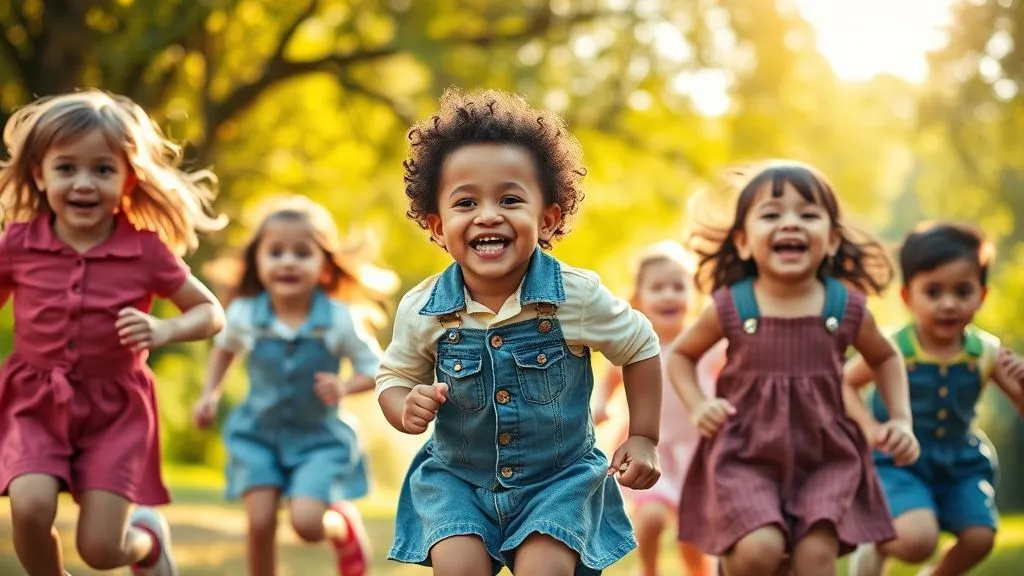
How to create cute kids' outfits that are also highly durable?
For over 15 years in the dynamic world of kids' fashion, I've witnessed a recurring dilemma for countless parents: the endless cycle of purchasing adorable outfits only to see them succumb to rips, stains, and fading after just a few adventurous playdates. It's a frustrating paradox, isn't it? We want our little ones to look charming and feel comfortable, but the reality of their active lives often clashes with the delicate nature of many children's garments.
This isn't just about aesthetics; it's about practicality, budget, and even our planet. The fast-fashion mentality has seeped into kids' wear, leading to a glut of low-quality items that barely survive a season. Parents are left feeling like they're constantly replacing clothes, leading to unnecessary expense and environmental waste.
But what if I told you there's a smarter way? This isn't about sacrificing style for substance, or vice-versa. In this definitive guide, I'll share my insider expertise on how to create cute kids' outfits that are also highly durable, offering actionable frameworks, material insights, and design principles that ensure your child's wardrobe is as resilient as their spirit.
Understanding the Durability-Cuteness Equation: More Than Just Fabric
When we talk about durability in kids' clothing, it's easy to just think about the fabric. However, my experience has shown me it's a far more intricate equation, involving a synergy of material science, garment construction, thoughtful design, and even how the clothes are cared for.
Ignoring any one of these elements can compromise the longevity of an otherwise promising garment. A beautiful design on a weak fabric, or a strong fabric with poor stitching, will both ultimately fail the test of a child's active life. We need to look at the whole picture to truly achieve lasting, adorable outfits.
The Active Child's Wardrobe: A Unique Challenge
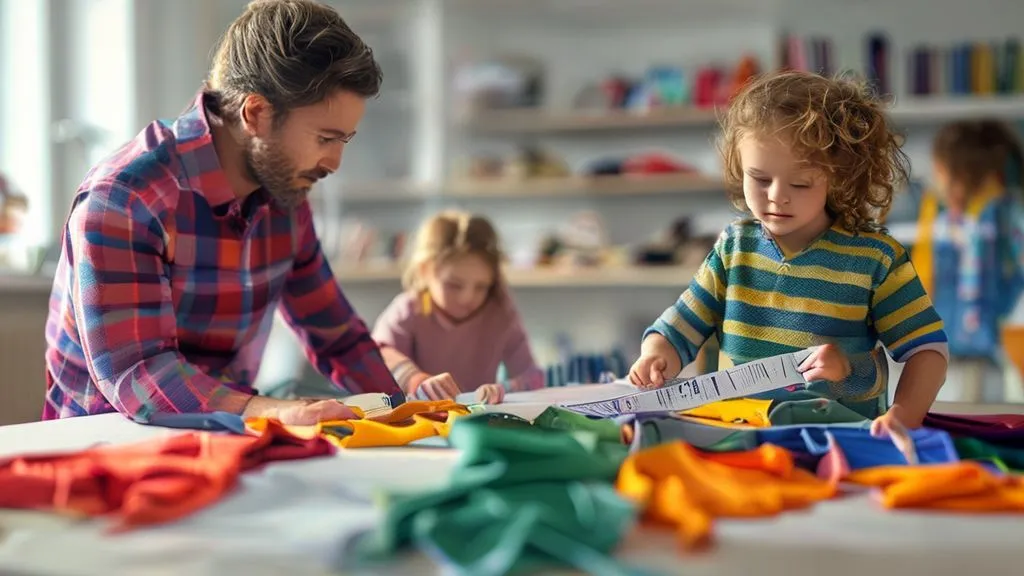
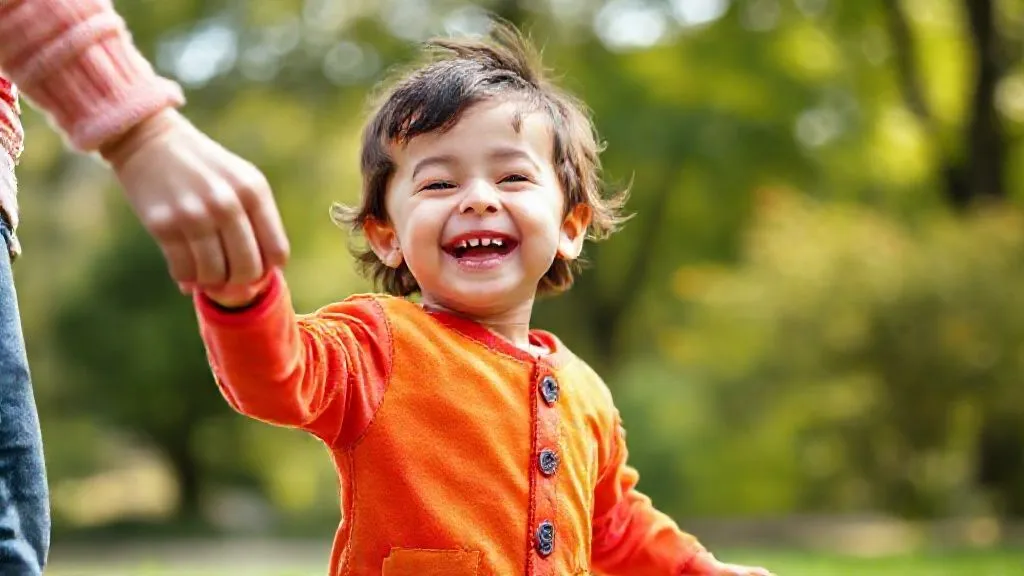
Kids aren't just smaller adults; their clothing needs are fundamentally different. They crawl, climb, slide, spill, and explore with an intensity that adult wear rarely encounters. This means their clothes aren't just covering them; they're acting as a protective layer, a second skin that needs to withstand constant friction, stretching, and impact.
Understanding this unique challenge is the first step towards building a wardrobe that's truly playproof. It's about anticipating their movements and choosing garments that are designed to move with them, not against them, while also standing up to the inevitable wear and tear.
Fabric First: The Foundation of Lasting Kids' Wear
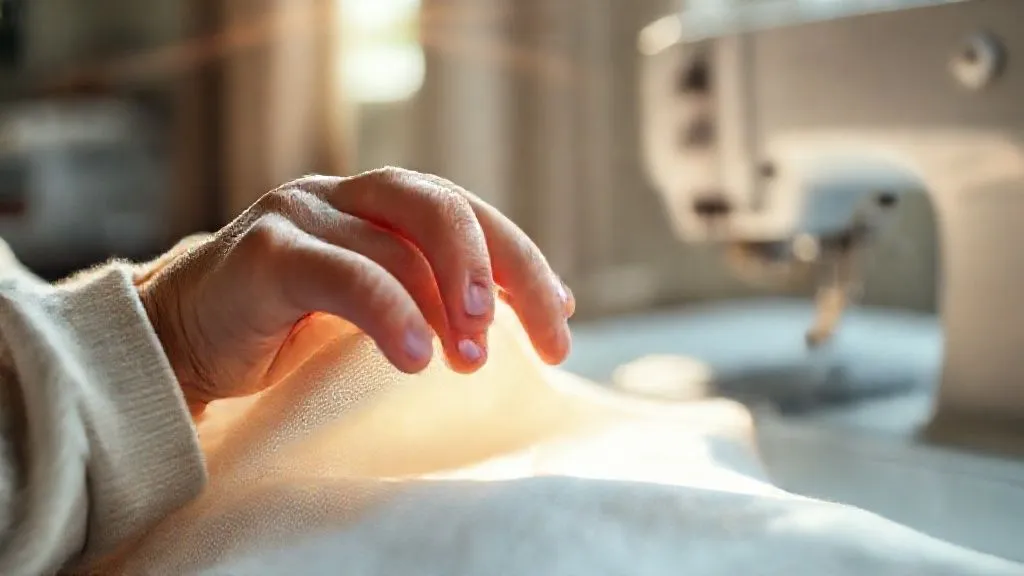
The choice of fabric is undeniably the cornerstone of durability. It dictates the garment's initial strength, its resistance to abrasion, fading, and shrinking, and how well it will hold up to repeated washing. Investing time in understanding fabric properties will pay dividends in the longevity of your children's clothes.
Natural fibers like organic cotton, bamboo, and merino wool offer incredible comfort and breathability, often with surprising durability when woven correctly. Blends, such as cotton-spandex, provide flexibility and shape retention, crucial for active kids. For specific uses, like outerwear, technical polyesters can offer water resistance and quick-drying properties without compromising on strength. It's about making informed choices for each garment's purpose.
"In my years advising parents and brands, I've consistently championed the mantra: 'Avoid cheap synthetics at all costs.' While they might offer initial affordability, their lack of breathability, tendency to pill, and quick degradation make them a false economy. Quality natural fibers or well-engineered blends are always the superior, long-term investment for children's comfort and durability." – Industry Specialist Insight
| Fabric Type | Durability Score (1-5) | Comfort | Breathability | Key Benefit |
|---|---|---|---|---|
| Organic Cotton | 4 | High | High | Soft, strong, hypoallergenic |
| Bamboo | 3.5 | Very High | Very High | Silky soft, moisture-wicking |
| Merino Wool | 4 | High | High | Temperature regulating, odor resistant |
| Denim (Cotton) | 5 | Medium | Medium | Extremely tough, classic look |
| Cotton-Spandex Blend | 4.5 | High | High | Flexible, shape retention, strong |
| Twill (Cotton) | 4.5 | Medium | Medium | Strong, diagonal weave resistance |
The Power of Organic and Certified Materials
Beyond just durability, the environmental and health aspects of fabric choice are paramount. Organic cotton, for instance, is grown without harmful pesticides, making it safer for children's sensitive skin and the planet. Look for certifications like GOTS (Global Organic Textile Standard) or Oeko-Tex Standard 100.
These certifications ensure that not only are the raw materials responsibly sourced, but the entire manufacturing process, from spinning to dyeing, adheres to strict environmental and social criteria. Choosing certified materials is a powerful way to ensure both ethical production and a garment free from harmful chemicals, contributing to the overall integrity and longevity of the item.
Construction Matters: Stitching, Seams, and Reinforcements
Even the finest fabric can fail if the garment's construction is subpar. The way pieces of fabric are cut, sewn, and finished profoundly impacts its resilience. This is where the 'hidden' quality of an outfit truly lies, and it's something I always scrutinize when evaluating kids' wear.
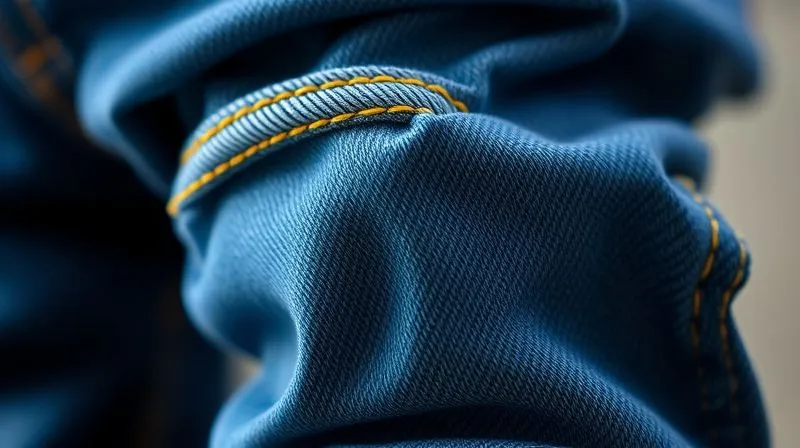
Look for double stitching, especially in high-stress areas like crotches, armholes, and side seams. Flat-felled seams, often seen in jeans, are incredibly strong as they encase raw edges, preventing fraying. Reinforced knees and elbows, perhaps with an extra layer of fabric or a durable patch, are non-negotiable for active children. Quality hardware – sturdy zippers that glide smoothly, securely attached buttons, and strong snaps – also makes a significant difference in the overall lifespan of an outfit.
Spotting Quality: What to Look for When Buying Off-the-Rack
When you're shopping, take a moment to inspect the garment closely. Turn it inside out. Are the seams neat and even, or are they flimsy and frayed? Do you see loose threads or skipped stitches? Good construction is often invisible from a distance, but unmistakable up close.
Pull gently at seams to test their strength; they shouldn't gape or show signs of immediate stress. Check buttonholes for clean finishing and zippers for smooth operation. These small details are indicators of a manufacturer's commitment to quality, and they directly correlate with how long the garment will last through countless washes and wears.
Design with Durability in Mind: Practical Aesthetics
Cuteness doesn't have to mean fragility. In fact, some of the most charming kids' outfits are designed with inherent durability. It's about thoughtful design choices that anticipate a child's needs and movements, blending aesthetics with practicality seamlessly. Consider features that adapt and protect, rather than just decorate.
Adjustable waistbands, roll-up sleeves with button tabs, and grow-with-me designs extend the life of a garment beyond a single growth spurt. Layering pieces, like sturdy vests over long-sleeve shirts, distribute wear across multiple items. Opt for yarn-dyed fabrics or robust prints that are less prone to fading and cracking compared to cheap screen prints. And while embellishments can be adorable, ensure they are securely attached – sewn on, not just glued – or choose designs where the cuteness is inherent in the fabric pattern or garment shape, not easily-lost adornments.
Case Study: "Playproof" Designs from Little Explorers Apparel
Little Explorers Apparel, a fictional children's clothing brand, faced a challenge. Their initial collections were undeniably cute, but parents reported rapid wear and tear. By implementing a 'Playproof Design' philosophy, they revolutionized their line. They introduced reinforced, articulated knees and elbows in all pants and long-sleeved tops, using a blend of organic cotton and recycled polyester for these high-stress areas. They also shifted to grow-with-me designs, incorporating adjustable waistbands and snap-button extenders on jumpsuits, allowing garments to fit for an additional six months.
This strategic design pivot, prioritizing both cuteness and resilience, led to a 40% reduction in customer complaints regarding durability and a 25% increase in repeat purchases, as parents valued the longevity and practicality of their investments. It proved that thoughtful design could directly translate into both customer satisfaction and brand loyalty.
The Role of Fit and Freedom of Movement
A perfectly durable garment can still fail if the fit is incorrect. Clothes that are too tight will experience excessive stress on seams and fabric, leading to premature tearing and stretching. Conversely, overly baggy clothes can snag, get caught, and become a hazard, while also enduring more friction from constant rubbing. The sweet spot is a comfortable fit that allows for complete freedom of movement without putting undue strain on the garment.
When children can move naturally, their clothes are less likely to be stretched beyond their limits. This means considering the stretch and recovery of the fabric in relation to the cut of the garment. A well-fitting, durable outfit will allow a child to run, jump, and play without restriction, ensuring both their comfort and the clothing's longevity.
Encouraging Longevity Through Proper Sizing
I often advise parents against the common practice of buying clothes several sizes too big, hoping to 'grow into them.' While a little room for growth is sensible, excessively large clothes can lead to tripping hazards and increased wear from ill-fitting areas. Instead, focus on garments designed with a flexible fit, like elasticated waists or adjustable shoulder straps, that accommodate growth within a reasonable range.
When trying on clothes, ensure the child can comfortably squat, reach, and twist. The fabric shouldn't pull taut across the knees or elbows, nor should it bunch excessively. This thoughtful approach to sizing is a simple yet effective strategy in how to create cute kids' outfits that are also highly durable, ensuring they last as long as possible while remaining comfortable and safe.
Smart Care: Extending the Life of Cute Outfits
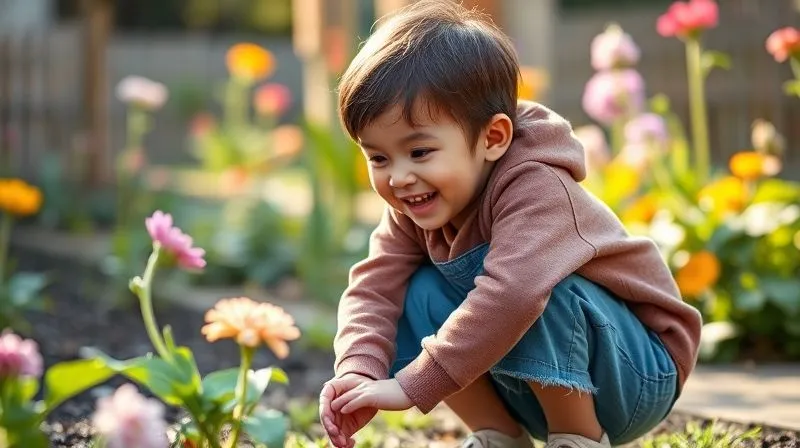
Even the most meticulously chosen and well-constructed garment needs proper care to achieve its maximum lifespan. This often overlooked aspect is critical in preserving both the cuteness and durability of kids' outfits. Neglecting care instructions can lead to premature fading, shrinking, stretching, and fabric degradation, undermining all previous efforts.
Understanding laundry symbols, choosing the right detergents, and adopting gentle washing practices are not just suggestions – they are essential steps in garment preservation. Think of it as an ongoing investment in your child's wardrobe, ensuring each piece remains vibrant and strong for as long as possible.
- Always Read the Label: Before the first wash, check the care tag. It provides specific instructions for temperature, cycle type, and drying methods tailored to the fabric and construction.
- Pre-Treat Stains Immediately: Kids are stain magnets. Address spills as soon as they happen. Use a gentle, enzyme-based stain remover, or a paste of baking soda and water for tougher marks. Avoid harsh scrubbing which can damage fibers.
- Wash in Cold Water with Gentle Cycle: Cold water prevents shrinking and fading, and a gentle cycle reduces friction and stress on seams. This is particularly important for delicate fabrics or garments with embellishments.
- Use Mild Detergent: Harsh chemicals can break down fabric fibers over time. Opt for eco-friendly, mild detergents, preferably those designed for sensitive skin, which are often less aggressive on fabrics too.
- Avoid Overloading the Washer: Give clothes room to move and clean effectively. Overloading can lead to incomplete washing and increased friction, accelerating wear.
- Air Dry When Possible: The heat from tumble dryers is a major culprit for fabric damage, shrinking, and fading. Air drying on a rack or line is the gentlest method. If machine drying, use a low heat setting.
- Repair Small Tears Promptly: A small hole can quickly become a large rip. A quick stitch or an iron-on patch can prevent minor damage from escalating, significantly extending the garment's life.
The Economic and Environmental Benefits of Durable Fashion
Embracing smart care practices isn't just about making your clothes last longer; it's a powerful step towards a more sustainable lifestyle. By extending the lifespan of each garment, you reduce the frequency of purchases, saving money in the long run. According to Forbes, sustainable fashion choices benefit both your wallet and the planet. This also means fewer items ending up in landfills, lessening your environmental footprint.
Moreover, properly cared-for clothes retain their quality, making them ideal candidates for hand-me-downs to younger siblings or friends, further extending their useful life. This mindful approach to garment care aligns perfectly with the principles of creating a truly sustainable and economically savvy kids' wardrobe.
Building a Sustainable Kids' Wardrobe: Beyond Individual Pieces
Thinking beyond just one outfit, the concept of a sustainable kids' wardrobe revolves around thoughtful curation and maximizing the utility of each piece. It's an approach that integrates durability with versatility, ensuring that every item earns its place and contributes to a cohesive, long-lasting collection. This strategy is crucial for truly understanding how to create cute kids' outfits that are also highly durable over time.
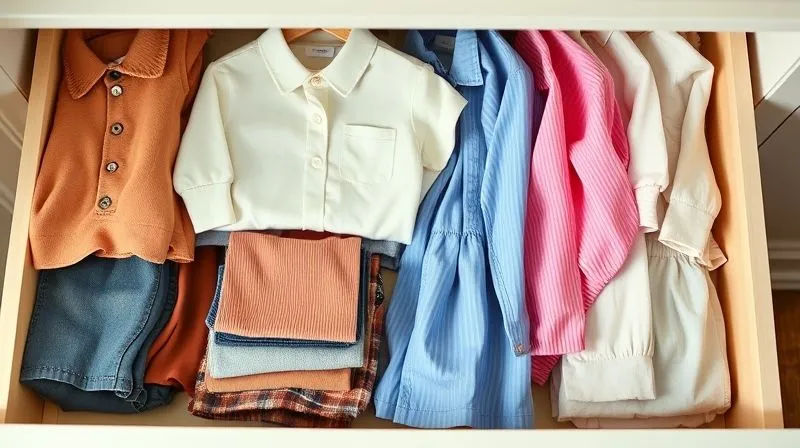
I've seen parents transform their approach by focusing on capsule wardrobes – a limited collection of versatile, high-quality pieces that can be mixed and matched to create numerous outfits. This reduces clutter, simplifies dressing, and ensures that every item is frequently worn and appreciated, rather than sitting unworn at the back of a drawer. It's about conscious consumption and making smarter choices.
The Economic and Environmental Benefits of Durable Fashion
Investing in fewer, higher-quality, and more durable pieces might seem like a larger upfront cost, but it invariably saves money in the long run. You're not constantly replacing worn-out items, and the clothes maintain their value for resale or donation. As highlighted by WBUR, the environmental impact of constantly buying and discarding fast fashion is immense.
From an environmental perspective, extending the life of clothing significantly reduces textile waste, conserves resources used in manufacturing, and minimizes the carbon footprint associated with production and transportation. This shift towards durable kids' fashion is not just a trend; it's a responsible and impactful choice for families and the planet. The UN Environment Programme consistently advocates for such changes.
Frequently Asked Questions (FAQ)
Q: Are all natural fabrics durable, or should I lean towards synthetics for playwear? A: Not all natural fabrics are equally durable. While organic cotton and merino wool are excellent, their durability often depends on the weave (e.g., denim and twill are cotton, but incredibly strong). Synthetics like polyester can offer high durability and quick-drying properties, especially for specific outerwear or activewear. The key is balance: blend natural fibers for comfort and breathability with a small percentage of spandex for stretch, or choose robust natural weaves. Avoid cheap, thin synthetics that lack breathability and pill quickly.
Q: How do I balance cost with durability when kids grow so fast? A: This is a common concern. My advice is to invest strategically. For core, high-wear items like jeans, leggings, and everyday tops, prioritize durability. These are the pieces that will be worn most frequently and need to withstand the most abuse. For occasion wear or trendy items that will be worn less often, you can be more flexible with your budget. Also, consider sizing up slightly in items with adjustable features (like waistbands or roll-up cuffs) to extend their wear, but don't go excessively large, as this can hinder movement and increase wear. Look for reputable brands known for quality construction, even if they cost a little more upfront.
Q: What's the best way to remove tough stains like grass or mud without damaging fabric? A: For grass and mud, immediate action is crucial. First, let mud dry completely, then brush off as much as possible. For grass stains, pre-treat with an enzyme-based stain remover or a paste of baking soda and a little water, letting it sit for 15-30 minutes. Gently rub the fabric together, then wash in cold water. Avoid hot water, as it can set protein-based stains. For tougher stains, a mixture of white vinegar and water can also be effective, but always test on an inconspicuous area first.
Q: Should I size up in all kids' clothes to ensure they last longer? A: Sizing up by one size can sometimes provide a little extra wear time, especially for fast-growing kids. However, going too large can lead to clothes being uncomfortable, unsafe (tripping hazards), and actually more prone to wear and tear due to excess fabric bunching and rubbing. Focus on garments that are designed with growth in mind – adjustable waistbands, roll-up sleeves, or flexible fabrics. A comfortable, proper fit that allows for full range of movement is more critical for durability than an oversized garment.
Q: How can I tell if a garment has good construction without being a sewing expert? A: You don't need to be a tailor! Start by turning the garment inside out. Look for neat, even stitching with no loose threads. Double stitching, particularly in stress areas like crotches and armholes, is a great sign. Flat-felled seams (where raw edges are enclosed) are also a mark of quality. Check the fabric itself: does it feel substantial? Does it stretch and recover well? Examine zippers – do they glide smoothly? Are buttons and snaps securely attached? These visual and tactile checks are excellent indicators of how well a garment is put together.
Key Takeaways and Final Thoughts
- Prioritize Fabric Quality: Choose natural fibers or high-quality blends known for strength and comfort.
- Inspect Construction: Look for reinforced seams, quality stitching, and durable hardware.
- Design for Play: Opt for practical designs with adjustable features and thoughtful embellishments.
- Ensure Proper Fit: Clothes should allow freedom of movement without excessive strain or bagginess.
- Practice Smart Care: Follow washing instructions, pre-treat stains, and air dry when possible.
- Embrace Sustainability: Build a capsule wardrobe and consider the full lifecycle of each garment.
Creating cute kids' outfits that are also highly durable isn't just a dream – it's an achievable reality with a little knowledge and mindful decision-making. By applying the expert insights shared here, you can curate a wardrobe that stands up to the rigors of childhood adventures, looks adorable, and supports a more sustainable future. Empower your little explorers with clothes that are as resilient and vibrant as they are, allowing them to play freely and comfortably, season after season.
Recommended Reading
- Why Aren't My Fashion Style Guides Converting to Sales? 7 Fixes.
- AR Revolution: How is AR Changing Fashion Retail Now? The Future!
- 7 Proven Strategies to Effectively Upsell Premium Progressive Lens Optical Frames
- Unlocking Time: How to Identify Authentic Retro Clothing Eras Like a Pro
- Unlocking Mass Digital Fashion: 7 Strategies for Scalable Production

Your email address will not be published. Required fields are marked *