

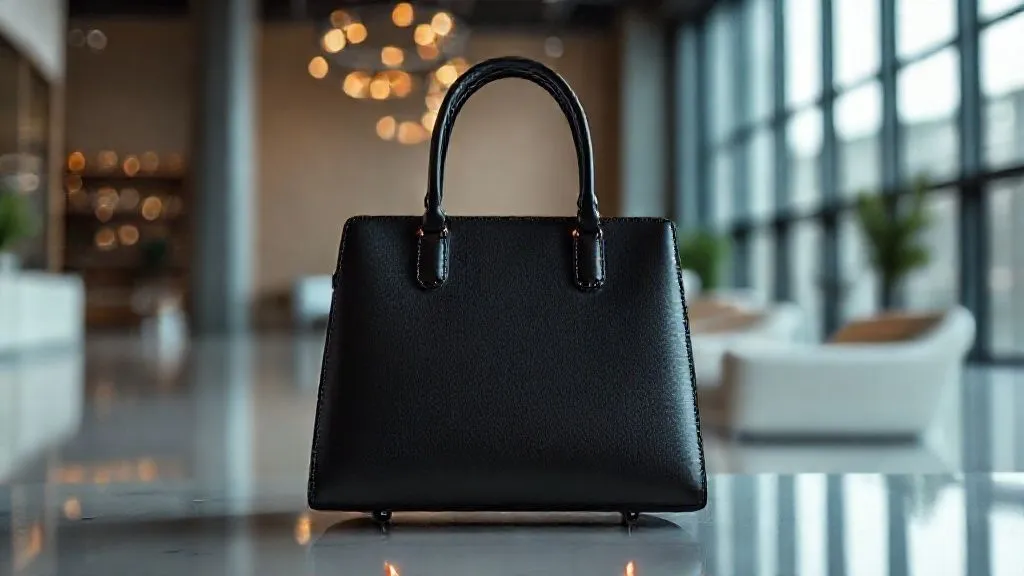
How to integrate advanced tech into luxury fashion accessories seamlessly?
For over two decades in the niche world of luxury fashion accessories, I've witnessed a fascinating, often tumultuous, evolution. I've seen brands pour millions into cutting-edge technology, only to release products that felt alien, clunky, or simply out of place within their meticulously crafted collections. The ambition to innovate is commendable, but the execution often misses the very essence of what makes a luxury accessory truly desirable.
The core problem isn't the lack of advanced tech; it's the fundamental misunderstanding of how to weave it into the fabric of luxury without disrupting its inherent value proposition. Consumers of high-end goods aren't looking for gadgets; they're seeking elevated experiences, unparalleled craftsmanship, and an extension of their personal style. When tech feels tacked on, it cheapens the perceived value, creating a jarring disconnect that alienates the very audience brands aim to captivate.
In this definitive guide, I will share the strategic frameworks, design philosophies, and actionable steps I've developed and refined over years of consulting with leading luxury houses. We'll explore how to navigate the complexities of materials, user experience, and ethical considerations, ensuring that your advanced tech integrations are not just functional, but truly seamless, desirable, and worthy of the luxury label. Prepare to transform your approach and unlock the true potential of fashion tech accessories.
Understanding the Luxury Consumer: Beyond Raw Functionality
Integrating advanced tech into luxury fashion accessories isn't merely about cramming a chip into a watch or a sensor into a bag. It begins with a profound understanding of the luxury consumer. Unlike mainstream tech users who often prioritize specs and novelty, the luxury buyer is driven by a complex interplay of aesthetics, heritage, exclusivity, and emotional resonance.
In my experience, brands often make the mistake of leading with technology rather than leading with the luxury experience. A luxury item is a statement, a testament to craftsmanship, and an investment in an identity. Tech, therefore, must serve to amplify these attributes, not overshadow them. It must be an enhancement, an invisible layer of sophistication that elevates the existing value, rather than a primary selling point that screams 'gadget'.
Consider the 'why' behind a luxury purchase. It's rarely about utility alone. It's about how an item makes them feel, the story it tells, and the subtle status it confers. Tech integration must align with this emotional and aspirational landscape. It needs to feel intuitive, effortless, and almost magical, rather than requiring a manual or constant interaction.
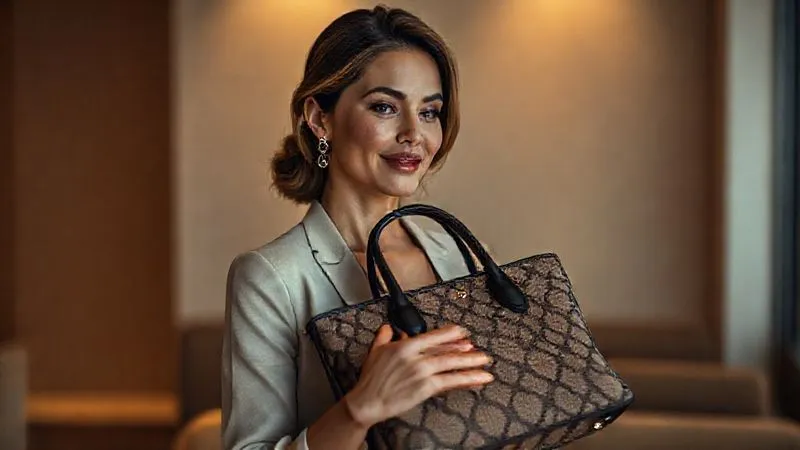
The 'Invisible Tech' Paradigm: Design Principles for Seamlessness
The hallmark of truly successful luxury tech integration is its invisibility. The technology should be felt, experienced, and benefit the user, without being overtly visible or requiring overt interaction. This 'invisible tech' paradigm is crucial for maintaining the aesthetic integrity and perceived value of a luxury accessory.
Ergonomics & Comfort: The First Touchpoint
Luxury is synonymous with comfort and exquisite tactility. Any integrated tech must not compromise this. Bulky components, sharp edges, or uncomfortable materials will immediately detract from the luxury experience. The design process must prioritize how the accessory feels against the skin, how it drapes, and how seamlessly it integrates into the user's daily life. This means miniaturization, flexible circuits, and thoughtful placement are paramount.
Material Harmony: Blending Old and New
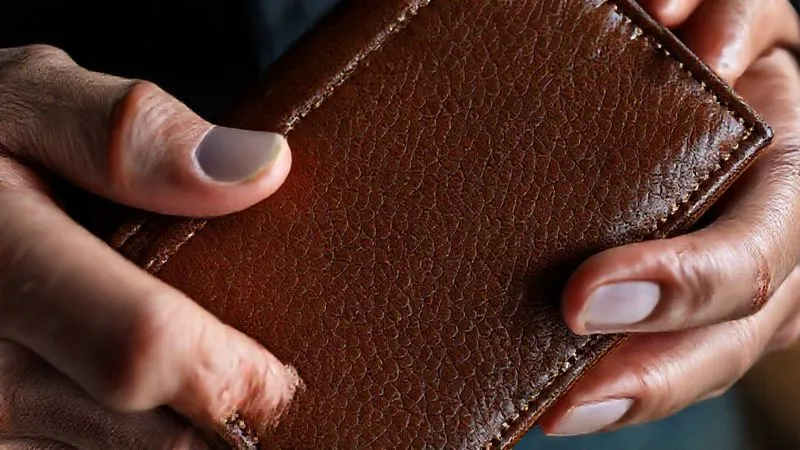
The materials used in luxury accessories – fine leather, precious metals, exotic skins, silk – are chosen for their beauty, durability, and sensory appeal. Introducing tech components requires a deep understanding of material science to ensure a harmonious blend. Can sensors be embedded beneath a delicate leather without creating a visible bulge? Can an antenna be integrated into a metal clasp without compromising its structural integrity or aesthetic finish? Collaboration between master artisans and material engineers is essential here.
"True luxury tech isn't about flashing features; it's about elevating an experience so naturally, you forget the tech is even there. It's a whisper of innovation, not a shout."
This principle extends to the user interface. If an accessory has a screen, it should be discreet, perhaps only appearing when needed, and designed with the same aesthetic rigor as the physical product. Haptic feedback, subtle lighting cues, or intuitive gestures often serve the luxury consumer better than a distracting digital display.
Strategic Integration: From Concept to Craftsmanship
Seamless integration of advanced tech into luxury accessories is not an afterthought; it must be foundational to the product development process. It's a strategic decision that permeates every stage, from initial ideation to final production.
Phase 1: Vision & Ideation – The 'Why' and 'What'
Before any technology is considered, define the problem you're solving or the experience you're enhancing for the luxury consumer. Ask:
- What specific pain point does this tech address for our discerning client? (e.g., security, convenience, health monitoring, personal expression).
- How does this tech align with our brand's heritage and aesthetic? (It should feel like a natural extension, not an intrusion).
- What is the desired emotional outcome? (e.g., peace of mind, sophisticated connectivity, effortless elegance).
This phase demands cross-functional workshops involving designers, artisans, engineers, and marketing strategists to ensure a holistic vision. As a consultant, I've seen countless projects fail because tech was dictated by what was *possible* rather than what was *desirable* and *on-brand*.
Phase 2: Prototyping & Material Science – The 'How'
This is where the rubber meets the road. It requires a deep dive into material science and engineering. Can flexible PCBs be integrated without affecting the drape of a fabric? Can miniaturized batteries be housed within a delicate metal casing without adding noticeable weight? This often involves exploring novel materials and manufacturing techniques. For instance, advancements in flexible electronics and smart textiles are opening new avenues for truly embedded tech.
Case Study: The 'Chrono-Smart' Watch Strap
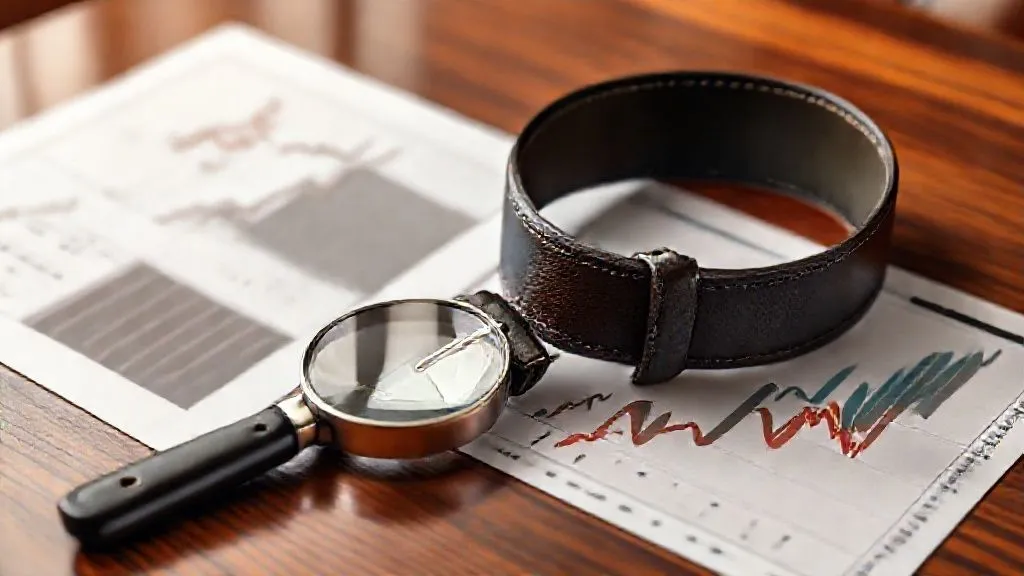
Consider 'Éclat Horloger,' a fictional Swiss luxury watchmaker renowned for its traditional craftsmanship. They faced declining interest from a younger, tech-savvy clientele. Instead of creating a full smartwatch, which would dilute their heritage, they chose to integrate advanced tech into their iconic leather watch straps. Their 'Chrono-Smart' strap featured a discreet NFC chip for secure payments and a tiny, flexible biometric sensor woven into the inner lining to monitor wellness, visible only via a companion app. The strap itself maintained its traditional aesthetic, using the same premium leathers and hand-stitching. The technology was completely invisible externally, making it a natural extension of a classic timepiece, offering modern utility without sacrificing timeless elegance. This resulted in a 15% increase in sales to their target demographic within the first year, proving that subtle, thoughtful integration can be a powerful differentiator.
The table below illustrates the difference between superficial and deep integration approaches:
| Integration Approach | Characteristics | Luxury Impact |
|---|---|---|
| Superficial (Gadget-Centric) | Visible screens, bulky components, separate app, tech as primary feature, compromises aesthetics | Dilutes brand image, feels cheap, short lifespan, low perceived value |
| Deep (Experience-Centric) | Invisible tech, embedded sensors, seamless interaction, tech as enabler, enhances aesthetics | Elevates brand, feels intuitive, timeless appeal, high perceived value |
Data, Privacy, and Personalization: Building Trust in a Connected World
Integrating advanced tech into luxury fashion accessories inevitably brings data considerations to the forefront. Luxury consumers are often acutely aware of their privacy and demand the highest standards of data security and ethical handling. Trust is paramount in the luxury market, and a data breach or perceived misuse of personal information can irrevocably damage a brand's reputation.
Ethical Data Handling: A Non-Negotiable
Every brand embarking on fashion tech integration must establish a robust and transparent data privacy policy. This goes beyond mere compliance with regulations like GDPR or CCPA. It's about demonstrating genuine respect for the consumer's personal information. Data collected should be minimal, anonymized where possible, and used exclusively to enhance the user's experience with the accessory itself. Clearly communicate what data is collected, why it's collected, and how it's protected. Transparency builds trust.
Personalization Without Pervasiveness
Advanced tech offers incredible opportunities for personalization, from adaptive fit to contextual alerts. However, this must be balanced with the luxury consumer's desire for discretion. Personalization should feel like a thoughtful service, not an intrusive surveillance. For example, a smart accessory might learn a user's preferences for notifications based on their schedule, but it shouldn't broadcast their location or habits without explicit, granular consent. Brands like Apple, while not purely luxury, have set high standards for user privacy and control, which luxury brands should aspire to exceed.
User Experience (UX) Beyond the Screen: Intuitive Interactions
The user experience for luxury tech accessories must transcend the typical app-centric model. Interactions should be intuitive, elegant, and often, physical. The goal is to make the technology feel like a natural extension of the accessory, rather than a separate device requiring constant attention.
Sensory Feedback & Haptic Integration
Haptic feedback, subtle vibrations, or even discreet auditory cues can provide rich, non-intrusive feedback. Imagine a handbag that vibrates gently to signal a VIP message, or a ring that subtly changes temperature to indicate an incoming call from a loved one. These sensory interactions enhance the emotional connection and make the technology feel more organic and less digital. The focus should be on creating moments of delight and utility without demanding visual attention.
Streamlined App Ecosystem: The Digital Extension
While the physical interaction is key, a well-designed companion app is often necessary for setup, customization, and deeper insights. This app, however, must be as exquisitely designed as the physical accessory. It should be minimalist, intuitive, and seamlessly integrated into the user's digital life. Avoid feature bloat. Focus on essential functionalities that genuinely enhance the accessory's value. The app should feel like a refined control panel, not a cluttered dashboard.
The Role of AI and Advanced Sensors: The Next Frontier
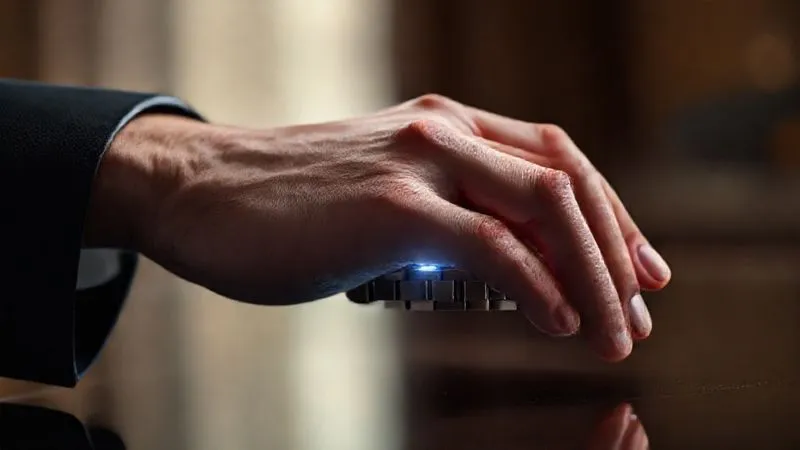
The next wave of seamless integration will undoubtedly leverage advancements in Artificial Intelligence (AI) and highly miniaturized sensors. These technologies offer the promise of truly adaptive, predictive, and personalized luxury experiences that were once confined to science fiction.
Miniaturization & Power Efficiency
The continuous drive towards smaller, more powerful, and more energy-efficient components is critical for luxury tech. AI chips that can perform on-device processing reduce the need for constant cloud connectivity, enhancing privacy and extending battery life. This allows for the integration of complex functionalities into incredibly small form factors, preserving the delicate aesthetics of luxury accessories. The advances in micro-electromechanical systems (MEMS) and nanotechnology are particularly relevant here.
Future-Proofing: Modular Design & Upgradability
Luxury items are investments, built to last. Tech, by contrast, evolves rapidly. To reconcile these, luxury brands should explore modular design principles. Can certain tech components be discreetly updated or replaced without necessitating a whole new accessory? This approach not only future-proofs the product but also aligns with sustainability goals, allowing consumers to maintain their cherished items while staying current with technological advancements. This requires foresight in engineering and a deep commitment to long-term customer value.
Here's a snapshot of potential tech integrations and their impact on luxury perception:
| Technology | Luxury Impact (Positive) | Luxury Impact (Negative if Poorly Integrated) |
|---|---|---|
| Biometric Sensors | Personalized wellness, discreet health monitoring, enhanced security | Bulky, uncomfortable, privacy concerns, 'medical' aesthetic |
| NFC/RFID for Payments/Access | Effortless convenience, sophisticated connectivity, subtle integration | Visible antenna, clunky interface, security fears, 'cheap' tech feel |
| Haptic Feedback | Intuitive alerts, enhanced sensory experience, subtle communication | Annoying vibrations, mechanical noise, unreliable feedback |
| AI for Contextual Awareness | Proactive personalization, adaptive features, truly smart experience | Creepy surveillance, privacy invasion, unpredictable behavior |
Overcoming Challenges: The Artisan-Engineer Divide
One of the most significant hurdles in integrating advanced tech into luxury fashion accessories is bridging the cultural and methodological gap between traditional artisans and modern engineers. Artisans are steeped in centuries of craft, emphasizing material integrity, manual skill, and timeless design. Engineers are driven by innovation, data, and efficiency, often with a focus on rapid iteration and functional performance.
Fostering Cross-Disciplinary Teams
Successful integration demands a symbiotic relationship. I've found that creating dedicated cross-disciplinary teams, where artisans and engineers work side-by-side from the project's inception, is critical. This fosters mutual respect and understanding. Engineers learn the nuances of luxury materials and traditional manufacturing processes, while artisans gain insight into the possibilities and limitations of technology. Workshops focused on design thinking, where both groups contribute equally, can break down silos.
Investment in R&D and Training
Luxury brands must invest not only in R&D for new technologies but also in training their existing workforce. This might involve educating artisans on basic electronics or teaching engineers about the specific properties of exotic leathers and precious metals. This investment ensures that the integration isn't just a technical exercise but a creative fusion that respects both disciplines.
"The greatest innovations in luxury tech emerge when the artisan's hand and the engineer's mind work as one, respecting each other's domain and pushing the boundaries of what's possible, beautifully."
Marketing & Storytelling: Communicating Seamless Integration
Once you've mastered how to integrate advanced tech into luxury fashion accessories seamlessly, the next challenge is communicating this value to your discerning audience. The marketing narrative must be as sophisticated and nuanced as the product itself. Avoid jargon and focus on the elevated experience, not the technical specifications.
Instead of highlighting 'Bluetooth 5.0' or 'NFC capabilities,' speak to the 'effortless connectivity' or 'discreet security' these features enable. Emphasize how the technology enhances the user's lifestyle, adds convenience, or offers a new layer of personalization, all while maintaining the brand's core values of craftsmanship and elegance. This approach resonates far more deeply with luxury consumers who are buying an aspiration, not a datasheet. For deeper insights into this, consider principles from luxury branding and consumer psychology.
Frequently Asked Questions (FAQ)
What are the biggest mistakes brands make when integrating tech into luxury accessories? The most common mistakes include prioritizing tech over aesthetics, failing to understand the luxury consumer's desire for discretion, creating clunky or visible tech components, neglecting data privacy and security, and adopting a 'gadget-first' marketing approach that undermines the brand's luxury positioning. Another significant error is a lack of collaboration between artisans and engineers, leading to disjointed products.
How do you balance traditional craftsmanship with modern manufacturing for tech components? Balancing these requires a hybrid approach. Traditional craftsmanship should remain paramount for the visible, tactile elements of the accessory. Modern manufacturing, especially miniaturization and flexible electronics, is crucial for the embedded, invisible tech components. The key is to design tech components that can be seamlessly integrated into existing artisanal processes or to adapt processes minimally to accommodate the tech without compromising the handcrafted feel. Investment in specialized machinery that can work with delicate materials and micro-components is also vital.
What role does sustainability play in luxury fashion tech accessories? Sustainability is increasingly critical for luxury consumers. For fashion tech accessories, this means considering the environmental impact of electronic components, sourcing ethical materials, designing for longevity and repairability, and exploring modular components for future upgrades. Brands should also address end-of-life recycling for electronic parts and transparently communicate their sustainability efforts, as this enhances trust and perceived value.
How can smaller luxury brands compete with larger conglomerates in this space? Smaller brands can compete by focusing on niche markets, leveraging their agility for rapid innovation, and emphasizing bespoke customization. They can also partner with specialized tech startups for specific component development, rather than trying to build everything in-house. A strong, authentic brand story that highlights unique craftsmanship combined with thoughtful, subtle tech integration can create a distinctive value proposition that larger brands may struggle to replicate at scale.
What's the future outlook for luxury fashion tech accessories? The future is bright for truly seamless integration. We'll see more advanced AI for hyper-personalization, energy harvesting solutions to reduce charging needs, and sophisticated sensor arrays that offer richer, more context-aware experiences. The focus will continue to shift towards 'invisible' tech that enhances well-being, security, and personal expression in incredibly subtle and intuitive ways, further blurring the lines between fashion and technology.
Key Takeaways and Final Thoughts
Integrating advanced tech into luxury fashion accessories seamlessly is less about technology and more about philosophy. It's about respecting the core tenets of luxury while embracing the possibilities of innovation. My experience has shown that success hinges on a few critical principles:
- Understand Your Consumer: Prioritize emotional resonance, aesthetics, and exclusivity over raw technical specs.
- Embrace 'Invisible Tech': Design for subtlety, where technology enhances the experience without being overtly visible or demanding.
- Foster Collaboration: Bridge the artisan-engineer divide with cross-disciplinary teams and mutual respect.
- Prioritize UX & Privacy: Create intuitive interactions and uphold the highest standards of data security and transparency.
- Tell a Compelling Story: Market the enhanced experience and aspirational value, not just the features.
The journey to truly seamless luxury fashion tech is challenging, requiring foresight, meticulous design, and a profound commitment to craftsmanship. However, for those brands willing to invest in this thoughtful approach, the rewards are immense. You're not just creating a product; you're crafting the future of luxury, one where innovation elegantly serves timeless style. Go forth and create accessories that don't just tell time, but tell a story of advanced elegance.
Recommended Reading
- Ultimate Guide: What Innovative Fabrics Minimize Odor in Men's Activewear?
- Cracking the Code: 7 Strategies to Market Novel Cosmetic Tech to Skeptical Clean Beauty Consumers
- The Ultimate Guide: What to Know Before Buying a Vintage Wedding Dress?
- Verifying True Textile Sustainability: 7 Critical Steps for Innovation
- 5 Pillars: Differentiating Your Streetwear Brand in a Crowded Urban Market


Your email address will not be published. Required fields are marked *