

How to Market Novel Cosmetic Tech to Skeptical Clean Beauty Consumers?
For over two decades in the dynamic world of beauty and fashion, I've witnessed countless innovations rise and fall. The clean beauty movement, in particular, has redefined consumer expectations, creating a landscape where trust, transparency, and ethical sourcing are paramount. But here's the paradox: while consumers crave efficacy, they often approach 'novel cosmetic tech' with a deep-seated skepticism, viewing it as potentially synthetic or 'unclean'. I've seen brands with genuinely groundbreaking, sustainable technologies struggle to gain traction simply because their message failed to resonate with this discerning audience.
This isn't just a marketing challenge; it's a fundamental disconnect between scientific advancement and deeply held consumer values. The clean beauty consumer isn't just looking for a product that works; they're seeking alignment with their lifestyle, their ethics, and their vision for a healthier planet. Introducing a 'tech-driven' solution into this space without careful consideration can feel like trying to sell a gasoline-powered car at a vegan farmers' market – it just doesn't fit the narrative.
In this definitive guide, I will share the actionable frameworks, real-world insights, and strategic approaches I've honed over years to bridge this very gap. You'll learn how to effectively communicate the value of your cutting-edge cosmetic innovations, transforming skepticism into enthusiastic adoption by building genuine trust, fostering deep understanding, and aligning your technology with the core tenets of the clean beauty ethos.
Understanding the Clean Beauty Ethos: More Than Just Ingredients
Before we even think about marketing, we must deeply understand the clean beauty consumer. This isn't a superficial trend; it's a powerful cultural shift rooted in a desire for health, safety, and environmental responsibility. In my experience, many brands make the mistake of reducing 'clean' to a simple 'free-from' list. While ingredient exclusion is a component, it's far from the whole story.
The Pillars of Clean Beauty: What Truly Drives This Segment?
The clean beauty consumer is driven by a multifaceted set of values that extends beyond avoiding parabens or sulfates. They prioritize:
- Safety & Health: A fundamental belief that products should not harm their body, now or in the future. They scrutinize ingredients for potential endocrine disruptors, carcinogens, and allergens.
- Transparency: They demand to know everything about what's in their products, where it comes from, and how it's made. The 'black box' approach is a relic of the past.
- Sustainability: Environmental impact, from sourcing raw materials to packaging and end-of-life, is a critical consideration. They want to support brands that minimize their ecological footprint.
- Ethical Sourcing & Production: This includes fair labor practices, cruelty-free testing, and responsible harvesting of natural resources.
- Efficacy: While clean, products must still deliver on their promises. They won't compromise on results for the sake of 'naturalness'.
- Authenticity: They value brands that are genuine, communicate openly, and stand by their values, not just their marketing claims.
“In the clean beauty space, trust isn't built on promises; it's built on proof, transparency, and consistent alignment with a consumer's deepest values. If your novel tech doesn't speak to these pillars, it will fall on deaf ears.”
Your novel cosmetic technology must, therefore, be positioned not as an outlier to these values, but as an enhancement of them. It should solve a problem in a way that is *cleaner*, *safer*, *more sustainable*, or *more ethical* than existing solutions, all while delivering superior results. This foundational understanding is the bedrock upon which all successful marketing strategies for novel tech in clean beauty are built.
Bridging the Perception Gap: Science as a Partner, Not a Foe
The term 'tech' can immediately raise red flags for the clean beauty consumer, conjuring images of synthetic, lab-created, or even genetically modified ingredients. Your first major marketing hurdle is to reframe this perception. In my view, science isn't the enemy of clean beauty; it's the most powerful tool we have to achieve its goals more effectively and sustainably.
Consider how many 'natural' ingredients are now sustainably sourced or enhanced through biotechnological processes to ensure purity and potency without depleting natural resources. Novel cosmetic tech often enables:
- Precise Extraction: Extracting active compounds from natural sources with greater purity and less waste.
- Bio-fermentation: Creating potent, skin-identical ingredients (like hyaluronic acid or ceramides) without relying on animal sources or harsh chemicals.
- Sustainable Synthesis: Developing stable, effective ingredients that mimic natural functions, reducing the need to harvest rare botanicals.
- Enhanced Delivery Systems: Ensuring active ingredients penetrate effectively, meaning less product is needed for greater impact, reducing consumption over time.
The key is to position your technology as a sophisticated, intelligent approach to clean beauty, rather than a departure from it. It's about using cutting-edge knowledge to create better, safer, and more responsible products. Think of it as 'smart nature' or 'nature optimized by science'.

The Art of Radical Transparency: Unpacking Your Novel Technology
For the skeptical clean beauty consumer, 'novel tech' can feel like a black box. Your job is to open that box and shine a spotlight on every component. This isn't just about listing ingredients; it's about explaining the 'why' and the 'how' in an accessible, compelling way. I've found that radical transparency is the single most effective tool for building trust in this segment.
From Lab Bench to Consumer: Deconstructing the 'Black Box'
Don't assume your audience understands scientific jargon. Break down your technology into digestible, relatable pieces. Here's an actionable approach:
- Simplify the Science: Translate complex scientific principles into everyday language. Use analogies. Instead of 'liposomal encapsulation for enhanced bioavailability,' say 'tiny protective bubbles that help active ingredients dive deeper into your skin where they can work best.'
- Show Your Work: Provide evidence. This includes detailed ingredient lists, but also sourcing information, manufacturing processes, and quality control measures.
- Highlight the 'Clean' Aspect of the Tech: Explicitly state how your technology aligns with clean beauty values. Does it reduce waste? Is it energy-efficient? Does it eliminate the need for controversial preservatives?
- Address Potential Concerns Proactively: If your tech uses synthetic compounds, explain *why* they are necessary, *how* they are safe, and *what* makes them 'clean' (e.g., bio-identical, non-toxic, sustainably produced).
- Provide a 'Traceability Journey': Where do your components come from? Who makes them? What are the ethical and environmental standards?
This level of detail might feel overwhelming, but for the clean beauty consumer, it's reassuring. It demonstrates that you have nothing to hide and that your innovation is thoughtfully considered from every angle. It builds a bridge of trust that generic marketing claims simply cannot.
According to a Harvard Business Review article on transparency, consumers increasingly demand companies to be open about their operations, and this openness directly correlates with increased trust and loyalty.Educate, Don't Just Promote: Empowering the Skeptical Consumer
Marketing novel cosmetic tech to clean beauty consumers is less about selling and more about educating. Your goal is to empower them with knowledge, enabling them to make informed decisions that align with their values. This requires patience, consistency, and a commitment to genuine dialogue.
Crafting Compelling Narratives: Storytelling Your Innovation
Facts and figures are important, but stories resonate. Craft a narrative around your technology that highlights:
- The Problem Your Tech Solves: What challenge did traditional clean beauty struggle with that your innovation addresses? (e.g., stability of Vitamin C, efficacy of natural preservatives).
- The Inspiration Behind the Innovation: Was it a breakthrough in sustainable sourcing? A new understanding of skin biology?
- The Journey of Development: Share glimpses into your R&D process, the dedication of your scientists, and the rigorous testing involved.
- The Human Impact: How does this technology ultimately benefit the consumer and the planet?
Use various formats to deliver this education: blog posts, detailed product pages, explainer videos, infographics, and engaging social media content. Your website should be a hub of information, not just a storefront.

Case Study: How 'Evolve Skincare' Built Trust with Novel Probiotic Tech
Evolve Skincare, a fictional clean beauty brand, developed a novel probiotic fermentation technology to enhance the skin barrier. Initially, their clean beauty audience was wary, associating 'fermentation' with potential allergens or artificial processes. Evolve didn't just market; they educated.
They launched a comprehensive campaign that included:
- 'Lab Tour' Videos: Short, digestible videos showing their fermentation process, emphasizing sterile conditions and natural inputs.
- Expert Q&A Sessions: Live streams with their lead biochemist explaining the science in layman's terms and answering consumer questions directly.
- Illustrated Guides: Infographics detailing how their specific probiotic strains work to strengthen the skin's microbiome, comparing it to gut health analogies.
- Ingredient Deep Dives: Dedicated blog posts explaining the sourcing of their 'starter cultures' and the sustainable benefits of their fermentation method (less water, fewer raw materials).
This multi-pronged educational approach transformed consumer perception. Within 18 months, Evolve Skincare saw a 40% increase in customer engagement with their probiotic line and a 25% uplift in sales, demonstrating that informed consumers are confident consumers.
Leveraging Credibility: Expert Endorsements and Third-Party Validation
In a market saturated with claims, third-party validation and expert endorsements are invaluable for building trust, especially for novel technologies. It's one thing for you to say your tech is clean and effective; it's another for an independent, respected authority to vouch for it. I've found that this external verification is often the tipping point for skeptical consumers.
The Power of Independent Certifications and Clinical Trials
Seek out certifications that align with clean beauty values. This could include:
- Clean Beauty Certifications: Organizations like EWG Verified, Leaping Bunny (cruelty-free), Ecocert/COSMOS (organic/natural cosmetics), or specific regional clean beauty standards.
- Dermatologist & Clinician Endorsements: Having skin care professionals review and endorse your product lends immense credibility. Their scientific background allows them to understand and validate your technology.
- Independent Clinical Trials: Commissioning studies that objectively measure the efficacy and safety of your product. Publish the results transparently (summary, not full raw data, but enough to satisfy scrutiny).
- Consumer Perception Studies: While not scientific proof, gathering feedback from a diverse group of users and publishing their positive experiences can be powerful social proof.
When presenting these validations, be clear about the methodology and the results. Don't just display a logo; explain what the certification means and why it matters to the clean beauty consumer. For clinical trials, highlight key metrics and the statistical significance of the findings.
| Validation Method | Benefit for Novel Tech | Cost/Effort | Trust Impact |
|---|---|---|---|
| Independent Clinical Trials | Objective proof of efficacy & safety, addresses scientific skepticism | High | Very High |
| Dermatologist Endorsements | Expert authority, translates science to consumer benefits | Medium to High | High |
| Clean Beauty Certifications | Aligns with ethical/ingredient values, simplifies clean claims | Medium | Medium to High |
| Consumer Perception Studies | Social proof, relatable experiences, addresses practical concerns | Low to Medium | Medium |
A strong partnership with a respected dermatologist or a well-known clean beauty advocate can also amplify your message. These individuals often serve as trusted gatekeepers for their communities. As Cosmetics & Toiletries magazine often emphasizes, robust clinical data is paramount for substantiating claims and building consumer confidence in new formulations.
Sustainability and Ethical Sourcing: The Unsung Heroes of Novel Tech
In the clean beauty world, a product's efficacy is often weighed against its environmental and social impact. Novel cosmetic technologies have a unique opportunity to excel here, often providing more sustainable solutions than traditional methods. This isn't just a marketing angle; it's a core advantage that must be highlighted.
Showcasing Your Eco-Conscious Innovation
Many 'tech' solutions can dramatically reduce the environmental footprint of cosmetic production. This could involve:
- Resource Efficiency: Does your technology require less water, energy, or land compared to traditional ingredient sourcing or manufacturing?
- Waste Reduction: Does it minimize by-products or utilize upcycled materials?
- Biodegradability: Are your ingredients (and packaging) designed for minimal environmental persistence?
- Reduced Transportation: Can ingredients be produced locally or more efficiently, cutting down on carbon emissions from shipping?
- Ethical Labor Practices: Beyond the tech itself, what are the labor conditions in your supply chain?
Communicate these benefits clearly and quantify them where possible. For example, 'Our bio-fermentation process uses 70% less water than traditional botanical extraction methods.' This type of specific, data-backed claim resonates powerfully with the clean beauty consumer who prioritizes planetary health.
- Packaging Innovation: If your novel tech allows for more concentrated formulas, does it lead to smaller packaging, or even refillable systems?
- Circular Economy Principles: Can your manufacturing process integrate recycled materials or contribute to a closed-loop system?
- Carbon Footprint Analysis: Consider conducting and sharing a life cycle assessment (LCA) to demonstrate your commitment to environmental responsibility.
Your tech isn't just about what it *does* for the skin; it's about what it *does* for the planet. Make that connection explicit and compelling. This holistic approach to sustainability, driven by innovation, can transform skepticism into admiration.
Community Building and Dialogue: Fostering Trust, One Conversation at a Time
The clean beauty community is highly engaged and interconnected. They don't just consume content; they participate in conversations, share experiences, and seek advice from peers. For novel cosmetic tech, this means your marketing strategy must include robust community engagement and open dialogue. I've seen brands fail when they talk *at* their audience instead of *with* them.
Interactive Platforms and Co-Creation Opportunities
Create spaces where consumers can ask questions, share feedback, and feel heard. This could be:
- Dedicated Forums or Facebook Groups: Moderated by your brand, these platforms allow for in-depth discussions about your technology.
- Live Q&A Sessions: On Instagram, YouTube, or even Reddit, featuring your scientists or product developers.
- Influencer Partnerships: Collaborate with clean beauty influencers who genuinely understand and can articulate the benefits of your tech to their audience. Choose influencers who prioritize education over pure promotion.
- Beta Testing Programs: Invite a select group of clean beauty enthusiasts to try your novel tech products before launch, gathering their honest feedback and testimonials. This co-creation approach builds immense loyalty and trust.
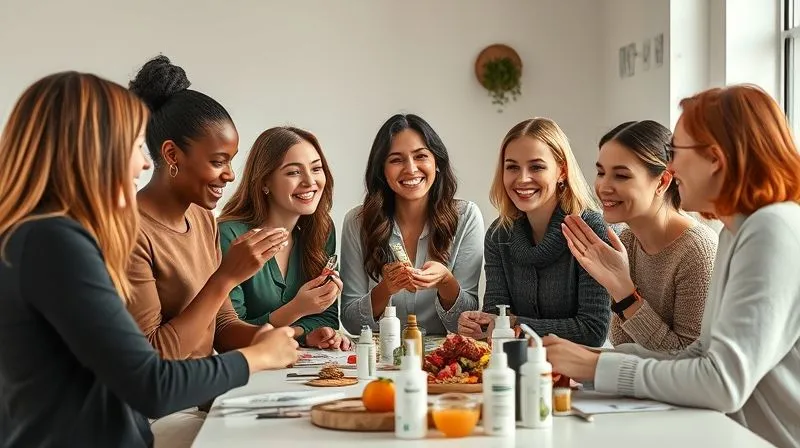
When engaging, maintain an empathetic and educational tone. Acknowledge their skepticism and validate their concerns. Answer questions directly, honestly, and without jargon. This builds a strong foundation of trust and transforms consumers from passive recipients of information into active brand advocates. Forbes highlights that community building is increasingly the future of marketing, fostering loyalty and advocacy far beyond traditional advertising.
Measuring Impact and Iterating: Data-Driven Trust Building
Marketing is an ongoing process of learning and adaptation, especially when introducing novel technology to a skeptical audience. You need to constantly monitor consumer response, gather data, and be prepared to refine your messaging and even your product based on feedback. In my experience, brands that are agile and responsive build stronger, more enduring relationships.
Key areas to monitor include:
- Website Analytics: Track engagement with your educational content (blog posts, FAQ sections, ingredient deep dives). Are consumers spending more time on pages related to your tech?
- Social Media Sentiment: Use listening tools to understand public perception of your novel tech. What questions are repeatedly asked? What concerns are raised?
- Customer Reviews & Feedback: Actively solicit and analyze product reviews. Pay close attention to comments related to ingredients, efficacy, and overall alignment with clean beauty values.
- Sales Data: While a lagging indicator, sales trends for your novel tech products will ultimately show if your marketing efforts are translating into adoption.
- Conversion Funnel Analysis: Identify where potential customers drop off. Is it at the awareness stage due to skepticism, or further down the funnel due to lack of clear information?
Use these insights to iterate on your marketing campaigns. Perhaps a particular analogy resonates better, or a specific concern needs to be addressed more prominently. Don't be afraid to adjust your narrative or create new educational assets based on what you learn. This data-driven approach demonstrates your commitment to meeting consumer needs and continuously improving your communication, further solidifying trust.
According to a Deloitte study on consumer behavior in beauty, personalization and transparent communication are key drivers of brand loyalty, underscoring the need for data-driven iteration in marketing strategies.Frequently Asked Questions (FAQ)
Question: Isn't "tech" inherently non-clean, especially to a purist clean beauty consumer? No, not necessarily. The perception often stems from a misunderstanding of what modern cosmetic technology entails. Many innovations, particularly in biotechnology, are designed to create ingredients that are purer, more sustainable, and more effective than their traditionally sourced counterparts. The key is communicating how your specific tech aligns with and even enhances clean beauty values, rather than contradicting them. It's about 'smart clean' – leveraging science for better, safer, and more ethical solutions.
Question: How do I prove my novel tech is safe long-term, especially when it's new? Long-term safety is a critical concern. You prove this through rigorous, independent testing that goes beyond basic regulatory requirements. This includes comprehensive toxicology assessments, dermatological testing (e.g., patch tests, clinical irritation studies), and stability testing to ensure product integrity over time. Partnering with reputable third-party labs and publishing summaries of these results transparently is crucial. While truly 'long-term' data takes time, robust initial safety assessments and ongoing post-market surveillance are essential.
Question: What if my innovation uses synthetic ingredients? How can I market that as 'clean'? The term 'synthetic' isn't inherently 'unclean.' Many natural substances can be harmful, and many synthetic compounds are benign or even bio-identical to what's found in nature. The focus should be on the ingredient's safety profile, its source, its environmental impact, and its necessity. Explain *why* the synthetic ingredient is used (e.g., stability, purity, sustainability over harvesting a rare plant), *how* it's made, and *what* makes it a 'clean' choice (e.g., non-toxic, biodegradable, no harmful by-products). Transparency about its function and benefits is paramount.
Question: How can small brands compete with established clean beauty brands in this novel tech space? Small brands often have an advantage in agility, authenticity, and direct consumer connection. Focus on hyper-transparency, telling your unique story, and building a passionate community. Leverage your founders' expertise and passion. While you might not have the budget for massive campaigns, you can create highly engaging, educational content and foster one-on-one relationships that larger brands struggle to replicate. Niche down, dominate your specific innovation's story, and let your authenticity shine.
Question: What role does packaging play in communicating novel tech to clean beauty consumers? Packaging plays a significant role in communicating both the 'novel tech' and 'clean beauty' aspects. For tech, it can be minimalist, sleek, and futuristic, suggesting innovation. For clean beauty, it must be sustainable (recycled, recyclable, refillable, biodegradable) and clearly communicate ingredient transparency. The challenge is to integrate these two messages. Perhaps a minimalist design with a QR code leading to a detailed 'tech story' on your website, or packaging made from innovative, sustainable materials that reflect the tech-forward approach. It's a visual promise of both innovation and responsibility.
Key Takeaways and Final Thoughts
- Understand the Clean Beauty Ethos Deeply: It's about values, not just ingredients. Your tech must align with safety, transparency, sustainability, and ethics.
- Reframe 'Tech' as an Ally: Position science as a tool to achieve cleaner, safer, and more sustainable beauty solutions, not a contradiction.
- Embrace Radical Transparency: Open the 'black box' of your innovation. Explain the 'why' and 'how' in accessible language, providing evidence and addressing concerns proactively.
- Educate, Don't Just Promote: Empower consumers with knowledge through compelling narratives, diverse content formats, and expert insights.
- Leverage Credibility: Seek out independent certifications, clinical trials, and expert endorsements to validate your claims and build trust.
- Highlight Sustainability & Ethics: Emphasize how your novel tech contributes to a healthier planet and ethical practices, quantifying benefits where possible.
- Build Community & Dialogue: Engage with your audience, listen to their concerns, and foster a sense of co-creation to build lasting trust and advocacy.
- Measure, Learn, and Iterate: Continuously analyze data and feedback to refine your messaging and approach, demonstrating responsiveness and commitment.
Marketing novel cosmetic technology to skeptical clean beauty consumers is undeniably complex, but it's also an incredible opportunity. By approaching this challenge with empathy, radical transparency, and a genuine commitment to education, you can transform skepticism into enthusiastic adoption. Remember, the clean beauty consumer isn't anti-innovation; they're anti-deception and anti-harm. When your technology serves their highest values, it won't just be accepted – it will be celebrated. Go forth, innovate, and communicate with integrity!
Recommended Reading
- 7 Pro Steps: Prevent Razor Burn & Ingrown Hairs for Daily Shaving
- 7 Proven Steps to Accurately Predict Next Season's Casual Footwear Trends
- Scaling WBP Fabric Production: 7 Ways to Maintain Peak Performance
- Scaling Luxury Fashion: 7 Strategies to Preserve Artisan Quality
- Secure That Veil: 7 Expert Steps for Fine, Slippery Bridal Hair All Day



Your email address will not be published. Required fields are marked *