

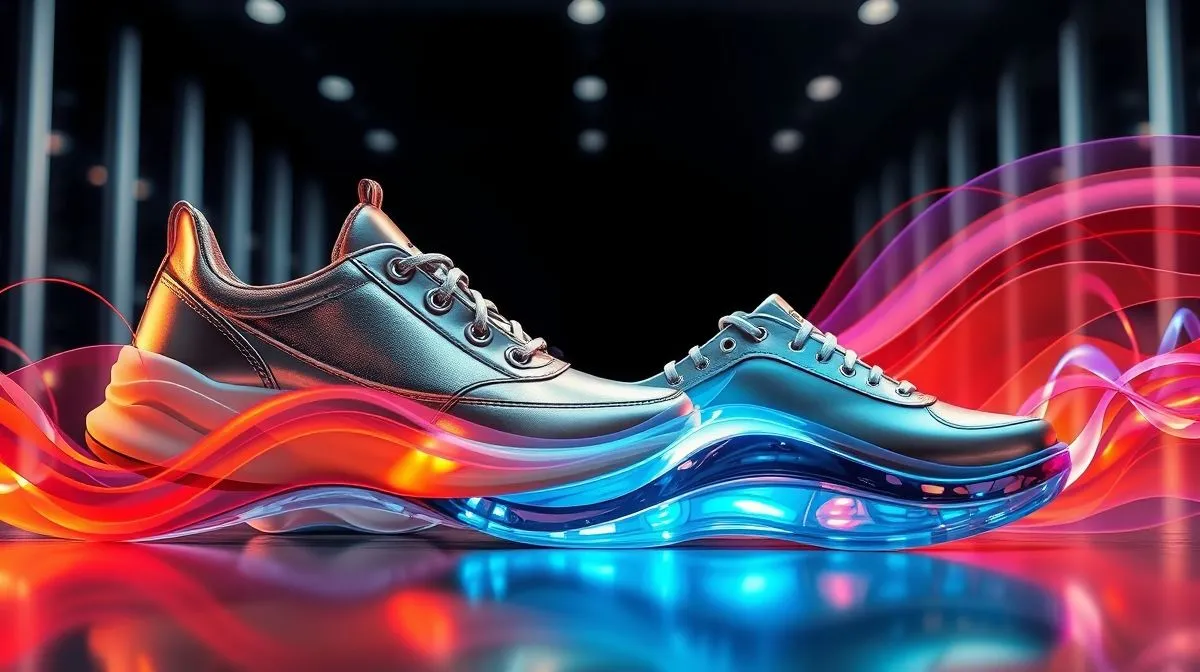
How to Accurately Predict Emerging Casual Footwear Trends for Next Season?
Predicting emerging casual footwear trends isn't a mystical art; it's a disciplined science honed by years of observation, data analysis, and a keen understanding of human behavior. In my over 15 years in this dynamic industry, I've seen countless trends rise and fall, and the most accurate predictions always stem from a multi-faceted approach.
A common mistake I see is focusing solely on what's currently popular. True foresight requires looking beyond the immediate horizon, understanding the underlying currents that will shape consumer desires six to eighteen months from now. It’s about being a detective, not just a spectator.
One of the foundational pillars for accurate prediction lies in **macro-environmental scanning**. This means constantly monitoring broader societal shifts that inevitably trickle down to consumer choices. Think about seismic shifts like the global emphasis on wellness, the casualization of work environments, or the accelerating urgency of sustainability.
- Cultural Zeitgeist: The 'work-from-home' era, for instance, didn't just boost loungewear; it fundamentally reshaped our perception of "appropriate" footwear, paving the way for elevated slippers, comfort mules, and sophisticated sneakers in contexts previously reserved for dressier options.
- Economic Indicators: During times of economic uncertainty, consumers often gravitate towards durable, versatile, and value-driven styles. Conversely, periods of affluence might see a surge in novelty or luxury-casual options.
- Technological Advancements: Innovations in materials science, manufacturing techniques (like 3D printing), or even digital integration can birth entirely new categories or significantly enhance existing ones, such as the rise of performance-casual hybrids.
Beyond the macro, you must dive deep into **micro-trend identification** – where the nascent ideas truly bubble up. This is where the real street-level intelligence comes into play, often long before a trend hits a major runway or even a mainstream blog.
- Street Style & Subcultures: These are the proving grounds. Observe what niche communities, artists, and early adopters are wearing in cultural hubs like Brooklyn, Berlin, or Tokyo. The chunky sneaker trend, for example, gestated in specific youth subcultures and fashion-forward circles years before its global explosion.
- Social Media & Influencer Ecosystems: Don't just follow the mega-influencers; seek out the micro and nano-influencers who are often closer to the ground and more authentic. Platforms like TikTok and Instagram are visual goldmines, offering real-time insights into emerging aesthetics and product preferences, especially in specific demographics.
- Niche Brands & Indie Designers: Often unconstrained by commercial pressures, smaller, innovative brands frequently experiment with new silhouettes, materials, or colorways that later inspire larger players. They are the avant-garde of casual footwear.
“The future of footwear isn't found on the catwalk alone; it's being designed on the streets, coded in data, and whispered within subcultures long before it becomes a headline.”
Data analysis is no longer optional; it's absolutely critical. While qualitative observation provides the "what" and "why," **quantitative data validates and scales those insights**. My team consistently integrates several data streams.
- Sales Data & Inventory Analysis: Deep dive into your own sales data from the current and previous seasons. What models are unexpectedly over-performing? Which colors or materials are showing consistent growth? Look for anomalies, not just best-sellers.
- Search Engine Trends: Tools like Google Trends, Pinterest Predicts, and even Amazon search data are invaluable. A sudden, sustained spike in searches for a specific material ("recycled cotton sneakers"), silhouette ("platform loafers"), or aesthetic ("gorpcore footwear") can be a powerful leading indicator of consumer interest.
- Social Listening & Sentiment Analysis: Employ tools that monitor conversations across social media, forums, and blogs. What are people talking about in relation to footwear? What pain points are they expressing? This can reveal unmet needs or emerging desires that a new trend could fulfill.
Finally, never underestimate the power of **material innovation and manufacturing advancements**. New textile technologies, sustainable sourcing, or comfort-enhancing sole units can fundamentally shift what's possible and desirable in casual footwear.
I always advise my mentees to attend material trade shows and network with suppliers. Understanding what new capabilities are coming online helps you envision future product categories. For example, the development of lightweight, highly responsive foams revolutionized the athletic-casual crossover segment, leading to the ubiquity of performance-inspired lifestyle sneakers.
By diligently combining these observational, analytical, and forward-looking strategies, you move beyond mere guesswork. You develop a robust framework that allows you to not just predict, but truly understand, the forces shaping next season’s casual footwear landscape.
Essential Tools and Resources for Footwear Trend Forecasting
Accurate footwear trend forecasting is less about crystal ball gazing and more about strategic data analysis, keen observation, and leveraging the right resources. In my experience, the most successful forecasters aren't just intuitive; they are meticulously equipped with an arsenal of tools that act as extensions of their expertise, allowing them to connect disparate dots into a coherent future narrative.
One of the foundational investments any serious forecaster should consider is access to professional trend forecasting agencies. These platforms offer unparalleled depth, synthesizing global cultural shifts, consumer behavior, and design innovations into actionable reports. They are, quite frankly, indispensable.
- WGSN (Worth Global Style Network): This is often considered the gold standard. WGSN provides comprehensive reports on macro trends, micro trends, color palettes, material innovations, and retail strategies. For footwear, their dedicated sections on silhouettes, details, and consumer segments are invaluable.
- Fashion Snoops: Offering a slightly different lens, Fashion Snoops provides detailed trend forecasts with a strong emphasis on lifestyle and cultural narratives. Their visual storytelling and deep dives into specific market segments can provide a nuanced understanding of emerging aesthetics.
“A common mistake I see is treating these reports as gospel. Instead, view them as a highly intelligent, curated starting point. Your job is to interpret their insights specifically for your brand's casual footwear consumer, cross-referencing and validating with other data points.”
Beyond high-level trend reports, a deep dive into market data and sales analytics is absolutely critical. This is where the 'science' of forecasting truly comes into play, grounding your predictions in tangible consumer behavior.
- Internal Sales Data: Your own company's historical sales performance by SKU, category, and region is gold. Analyze what sold well, what didn't, return rates, and customer feedback. Look for unexpected spikes or declines that might signal an underlying shift.
- NPD Group / Euromonitor: These market research firms provide external data on market share, growth categories, consumer demographics, and competitive analysis within the footwear industry. They help you understand the broader landscape and identify whitespace opportunities.
- Google Trends: A free, powerful tool for gauging search interest in specific footwear styles, materials, or even cultural terms that influence trends. Spikes in search volume can be an early indicator of growing consumer curiosity.
- Social Listening Tools: Platforms like Brandwatch or Sprout Social allow you to monitor conversations around specific keywords, brands, or styles on social media. This provides real-time sentiment analysis and helps identify organic, grassroots trends before they hit mainstream media.
I always advise my mentees to be meticulous with material and color intelligence. Footwear isn't just about shape; it's profoundly influenced by tactile experiences and visual appeal. Understanding the lifecycle of materials and the psychology of color is paramount.
- Pantone / Coloro: These are the definitive sources for color forecasting. Their seasonal palettes influence everything from apparel to interiors, and footwear is no exception. Understanding these forecasted colors is essential for material development and product design.
- Material Suppliers & Trade Shows (e.g., Lineapelle): Directly engaging with material manufacturers and visiting specialized fairs provides insight into upcoming innovations in leather, synthetics, sustainable alternatives, and functional textiles. These innovations often dictate what new footwear designs are even possible.
Nothing replaces the sensory input and networking opportunities found at industry trade shows and events. These aren't just places to see products; they are vibrant hubs of information, where you can feel the pulse of the market firsthand.
- FN Platform (Las Vegas) / Micam (Milan) / Garda (Italy): These are major international footwear trade shows where manufacturers, designers, and buyers converge. Observe buyer reactions, identify emerging brands, and network with peers.
- Pitti Uomo (Florence) / Outdoor Retailer (US) / ISPO (Munich): While not exclusively footwear-focused, these shows offer insights into broader fashion, outdoor, and sports trends that inevitably spill over into casual footwear. Pay attention to styling, material usage, and functional innovations.
“My most valuable insights often come not from the polished presentations, but from the candid conversations I have with sales reps, factory owners, and even competitors on the show floor. They offer an unfiltered view of what’s truly resonating in the market.”
Finally, never underestimate the power of cultural and street-level observation. Trends often bubble up from niche subcultures and street style before being adopted by designers and mass-market brands. This requires an active, curious mind and a commitment to being a perpetual student of culture.
- Street Style Blogs & Social Media: Platforms like Instagram, TikTok, and specific street style accounts are incredible for identifying nascent trends. Look at how real people are styling their footwear, what brands they're choosing, and how different demographics interpret fashion.
- Art, Music, Film, and Niche Publications: These cultural touchstones often foreshadow broader shifts in aesthetics and consumer values. A particular color palette in an art exhibition, a silhouette in a popular film, or a subculture's preferred footwear can all be powerful indicators.
- Travel and Local Market Exploration: Immerse yourself in different cities and regions. What are people wearing in Tokyo, London, or Los Angeles? Local nuances can become global trends. In my early career, a trip to Berlin revealed a burgeoning utilitarian aesthetic that I knew would impact casual footwear within two seasons.
By diligently employing these tools and resources, you move beyond mere guesswork. You build a robust, multi-layered understanding of the forces shaping footwear, allowing you to not just predict, but truly understand, next season's casual footwear trends with confidence and authority.
Frequently Asked Questions (FAQ)
From my perspective, and after more than a decade and a half in this industry, the lead time for casual footwear is often underestimated. You're not just designing; you're sourcing, prototyping, testing, manufacturing, and distributing. For a successful launch that genuinely captures the zeitgeist of a season, you need to be thinking at least 12 to 18 months out, sometimes even more.
Consider the entire supply chain. Materials need to be secured, often requiring long lead times themselves, especially for innovative or sustainable options. Design iterations, fit testing, and factory slot bookings all contribute to a lengthy process. Rushing it typically leads to compromises in quality or relevance, impacting your brand's reputation and bottom line.
I advise my mentees to work on a rolling 18-month cycle. This means that as one season's collection is entering production, you should already be deep into the design and material selection for the season after next. This foresight allows for strategic adjustments based on early market signals and ensures you're not just reacting, but proactively shaping the future.
A common mistake I see, and one that has derailed many promising collections, is what I call "echo chamber prediction." This is where designers and brands rely too heavily on their immediate bubble – their own past successes, their competitors' current lines, or internal team preferences – without truly looking outwards.
This insular approach often leads to derivative designs or, worse, completely missing fundamental shifts in consumer behavior and macro-cultural movements. They might iterate on a popular silhouette from two seasons ago, assuming its longevity, while the market has already moved on to something entirely new, driven by shifts in lifestyle or technology.
To avoid this, you must actively seek diverse inputs. Look beyond footwear to fashion, art, technology, and even global socio-economic trends. For example, the rise of remote work fundamentally shifted demand for comfort-focused, versatile casual styles, a trend easily missed if you were only analyzing past sneaker sales data. Always challenge your assumptions.
This is a crucial balancing act, and mastering it is a hallmark of truly insightful trend prediction. Macro-trends are the overarching, long-term societal shifts – think sustainability, wellness, or the casualization of dress. They provide the stable foundation and context for your collection, often evolving slowly over years.
Micro-trends, on the other hand, are the more ephemeral, specific expressions of those macro-trends – a particular color palette, a novel material finish, or a specific sole unit design. They add freshness and immediate relevance, often peaking quickly and then fading. The art lies in understanding how micro-trends evolve within the framework of macro-trends.
My approach involves anchoring designs to robust macro-trends while using micro-trends for differentiation and seasonal updates. For instance, if 'comfort and versatility' is a macro-trend, you might consistently offer cushioned soles and easy-on features (macro). Within that, a specific chunky sole profile or a neon accent color could be a micro-trend for a given season, offering novelty without abandoning the core value proposition.
"Predicting effectively isn't about chasing every fleeting whim; it's about understanding the deep currents of change and artfully navigating the surface ripples."
While I wish there were a single "magic bullet" data point, the reality is far more complex and nuanced. Relying solely on one indicator is like trying to navigate a ship with only a compass; you need maps, weather reports, and an understanding of the currents. However, if I were pressed to identify one overarching principle that underpins reliable data, it would be consumer behavior analytics, viewed holistically.
This isn't just about past sales data; it encompasses a much broader spectrum. It includes social listening to understand sentiment and emerging interests, search engine trends to gauge intent, and direct consumer feedback through surveys or focus groups. The most successful brands are those that can synthesize these disparate data points into a coherent narrative about what consumers truly want and need, often before they can articulate it themselves.
For example, a surge in online searches for "sustainable materials" (search data) combined with increasing social media discussions around "ethical production" (social listening) and a slight dip in sales for fast-fashion footwear (sales data) collectively point towards a growing demand for eco-conscious options. No single data point tells the whole story, but together, they paint a powerful, actionable picture of future demand.
What's the difference between a trend and a fad in footwear?
In the dynamic world of footwear, accurately distinguishing between a trend and a fad is not merely an academic exercise; it's the bedrock of successful prediction and sustainable business strategy. A common mistake I see, even among seasoned professionals, is conflating the two, leading to costly inventory misjudgments and missed opportunities.
A fad is characterized by its explosive, yet short-lived, popularity. It typically emerges quickly, captures widespread attention with its novelty or extreme design, and then vanishes almost as rapidly as it appeared, leaving behind a trail of discounted stock and buyer's remorse. Think of the intense, fleeting craze for certain LED light-up sneakers a few years back, or specific, highly embellished "ugly sneaker" iterations that peaked for a single season.
These fads are often driven by viral social media moments, celebrity endorsements, or a very specific, niche aesthetic that lacks broad appeal or functional depth. In my experience, chasing fads can be incredibly risky; the window for profit is narrow, and the potential for overproduction and subsequent depreciation is immense.
"A fad is a fireworks display – spectacular but fleeting. A trend is a river – it flows steadily, adapts to its environment, and carves a lasting path."
Conversely, a trend represents a more fundamental and enduring shift in consumer preference, lifestyle, or cultural values. It builds momentum over time, evolves, adapts, and maintains relevance across multiple seasons, often for years. Trends are rooted in deeper societal changes, such as a growing focus on wellness, sustainability, or the blurring lines between work and leisure.
Consider the overarching athleisure trend, which has profoundly reshaped casual footwear over the last decade. It began with performance shoes crossing over into everyday wear, then evolved to encompass minimalist designs, sustainable materials, and comfort-driven aesthetics that now permeate nearly every segment of the market. This isn't just about a specific sneaker model; it's about a foundational shift in how we dress and what we value in footwear.
What's fascinating, and where the lines can blur, is that a fad can sometimes be a hyper-specific manifestation *within* a larger trend. For instance, the general trend towards chunky sole aesthetics has been ongoing, but specific, exaggerated "ugly" sneaker fads emerged and faded within that broader movement. Similarly, a successful fad, like the initial Crocs phenomenon, can sometimes find a lasting niche and evolve into a more enduring staple if it fulfills a genuine, unmet consumer need for comfort and utility.
To differentiate, I always advise looking for the underlying "why." Is the footwear style addressing a genuine need for comfort, versatility, sustainability, or a practical lifestyle shift? Or is it simply a novel design without deeper functional or cultural resonance? True trends often start quietly, gain traction through genuine utility or aesthetic appeal, and then steadily integrate into wider consumer habits.
Another tell-tale sign is adaptability. Can the core idea be iterated upon, translated into different materials, or adapted for various occasions without losing its essence? Fads are typically rigid and tied to their initial, often extreme, form, whereas trends offer a flexible framework for ongoing innovation and interpretation. This adaptability is key to their longevity and market resilience.
Reading Recommendations:
- 5 Proven Strategies: Differentiating Your Costume Jewelry Brand in a Saturated Market
- 7 Proven Ways to Diversify Your Fashion Blog Income Beyond Ads & Affiliates
- The Ultimate Secret: How to Spot Fake Logomania Streetwear Brands Instantly!
- Unlock the Secret: How to Clean & Care for Your Luxury Silk Scarves
- Unlock Your Star Style: How to Choose Celebrity Eyewear for Your Face Shape

Your email address will not be published. Required fields are marked *